

We may earn a commission when you buy through links on this page, at no extra cost to you. Learn more.
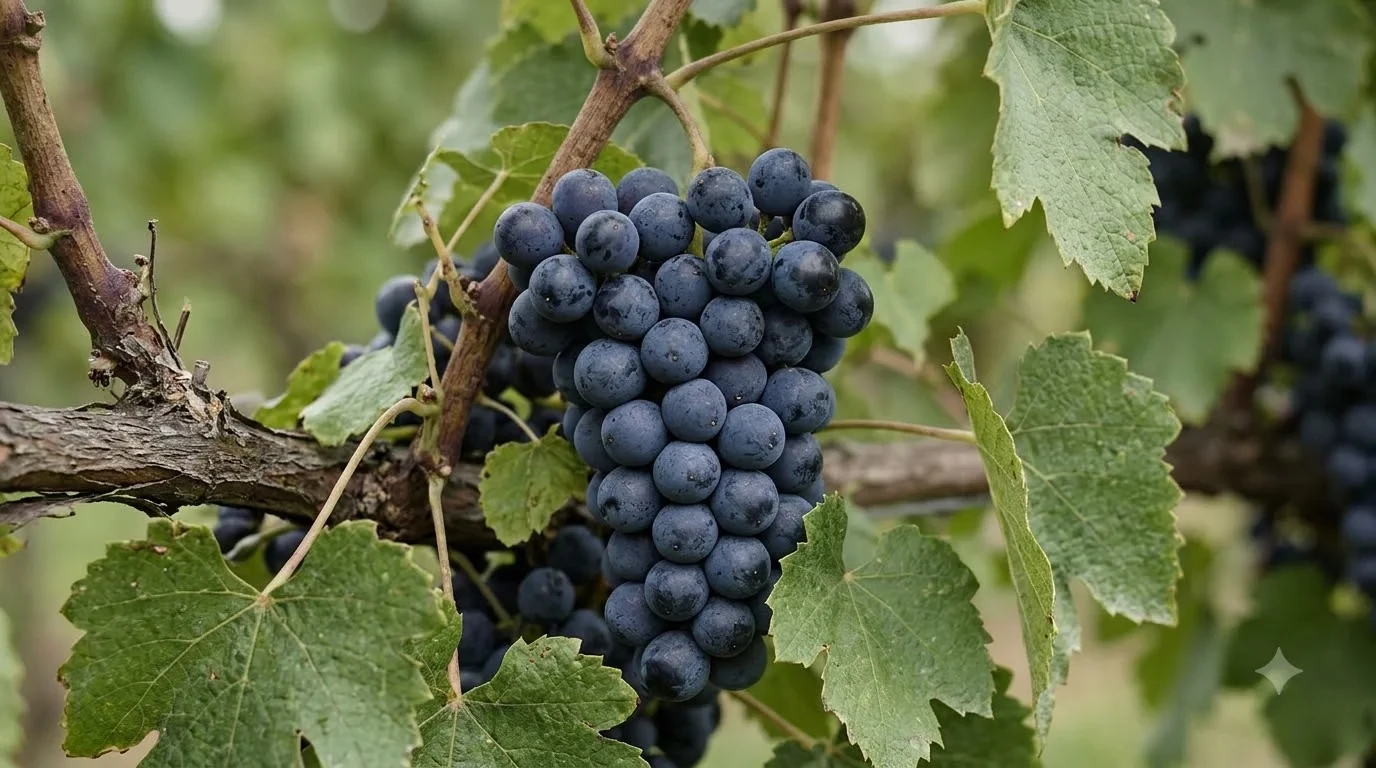
Turkey Vineyards stretch across Thrace, the Aegean coast, Central Anatolia, and the east, giving wine lovers a way to explore both historic wine country and distinctive native grapes. The most useful starting points are the breezy vineyards around the Aegean, the established wine country of Thrace, and the high, volcanic landscapes of Cappadocia. Knowing which grapes belong to each region makes it easier to choose bottles and plan visits.
Turkey is one of the world’s important grape-growing countries, but its vineyards are not all planted for wine. Table grapes, raisins, and other grape products share the landscape with a smaller but increasingly varied wine sector. The country’s mix of maritime coasts, inland plateaus, and continental valleys helps explain why a crisp white from Cappadocia can feel very different from a structured red from southeastern Anatolia.
Turkey’s Vineyard Geography and Climate
Turkey’s wine regions are shaped by a meeting of Mediterranean warmth, maritime influence, and high-elevation continental conditions. The country’s seven geographic regions include very different growing environments, while its average elevation of about 1,140 meters, cited by WSET, helps moderate temperatures in many inland vineyard areas.
The west and south generally have warm Mediterranean conditions, while the northern Black Sea coast has a more moderate maritime climate. Central and eastern areas are more continental, with warmer summers and colder winters. Cooler nights at elevation can slow the loss of acidity and extend ripening, helping inland wines retain freshness.
Not every part of the country suits commercial winegrowing. The central and eastern Black Sea coast receives substantial growing-season rainfall, increasing fungal-disease pressure. At the other extreme, eastern highlands reaching 2,000 to 3,000 meters are too high for reliable commercial viticulture in many locations. Winegrowing is concentrated in the Aegean, southeastern Anatolia, Thrace, and Central Anatolia.
| Reference point | Figure | What it tells you |
|---|---|---|
| Average national elevation | About 1,140 meters | High terrain can help preserve freshness in inland vineyards. |
| Aegean share of national wine production | About 30% | The Aegean is Turkey’s leading wine-producing region. |
| Four leading wine-grape areas combined | Nearly 85% | Aegean, southeastern Anatolia, Thrace, and Central Anatolia form the core production belt. |
According to WSET’s overview of Turkish wine, the Aegean produces around 30% of the country’s wine, while four leading areas together account for nearly 85% of wine grapes. These figures show that winegrowing is concentrated in a few zones within a much larger grape economy. For context on how growing conditions shape wine styles, see the site’s guide to Wine Regions.
Thrace and Marmara Vineyards
Thrace, in northwestern Turkey, is one of the country’s best-established winegrowing areas, with vineyards spread around Tekirdağ, Şarköy, Kırklareli, and the Gallipoli Peninsula. Its combination of coastal influence and inland sites supports both local grapes and familiar international varieties.
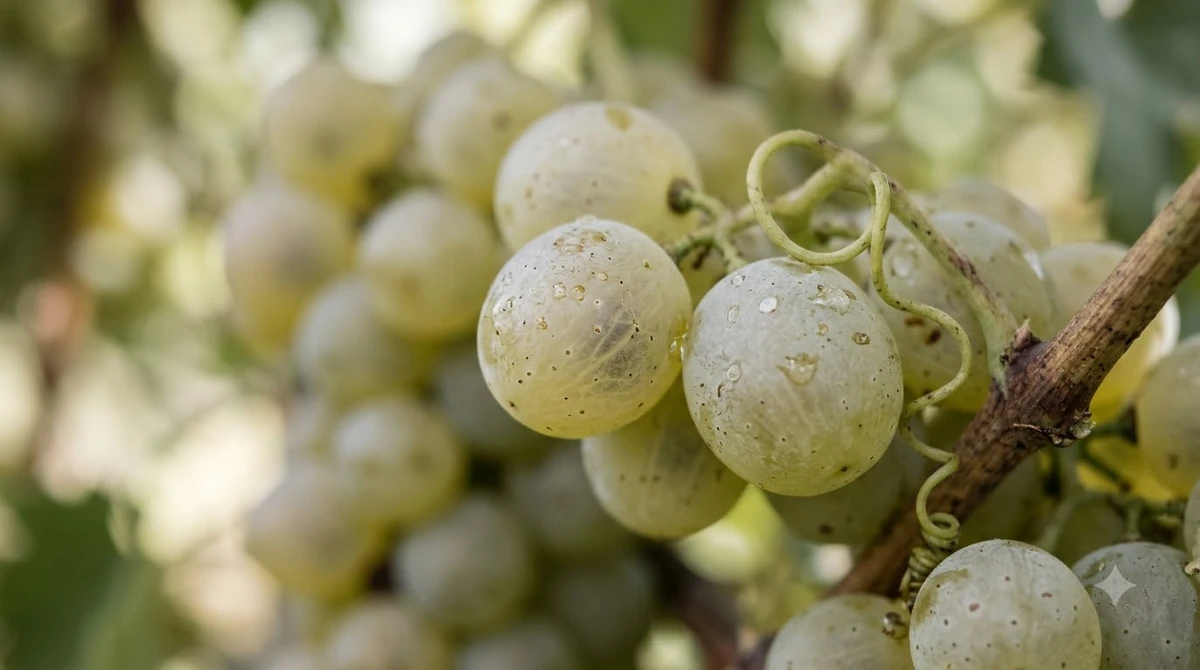
Thrace is a strong place to look for Papazkarası, a local red variety, as well as the white grape Yapıncak. The region also grows internationally recognized grapes such as Pinot Noir, Cabernet Sauvignon, Merlot, and Chardonnay. This mixture makes Thrace a useful introduction for drinkers who want a recognizable style before moving on to more unusual Turkish varieties. In the wider Marmara area, producers work with varieties including Gamay and Cinsault, giving the region a broader red-wine palette than a single signature grape could suggest.
Şarköy and Mürefte are especially associated with winegrowing, while the Gallipoli Peninsula adds another coastal zone. Thrace bottles range from fresh, lighter reds to substantial blends depending on grape, site, and cellar choices. Use the grape name and producer’s description to decide whether a wine is meant to be bright and easygoing or structured for a meal.
For a northwestern itinerary, Tekirdağ is a useful starting point, with Şarköy and Gelibolu extending the route toward the coast. Confirm tasting arrangements directly with each winery; a working vineyard does not necessarily have a tasting room open every day.
Aegean Vineyards from Urla to Bozcaada
The Aegean is Turkey’s most important wine-producing region, accounting for around 30% of national wine production according to WSET. Its varied subzones include the islands of Bozcaada and Gökçeada, coastal districts such as Urla and Bodrum, and inland centers such as Manisa, Denizli, and Uşak.

On the coast, sea breezes and maritime influence help moderate the warmth of the growing season. Urla, on the peninsula west of İzmir, has become a prominent name for vineyard tourism and for work with both international grapes and local material such as Urla Karası. GoTürkiye describes the area as part of a coastal route that runs from the Thrace region toward Seferihisar, with Urla and Bozcaada among the notable stops. Bozcaada is particularly notable for its long viticultural heritage, which GoTürkiye places at roughly 3,000 years.
Manisa and Denizli show that the Aegean is not only coastal. Denizli’s Çal district is associated with Çalkarası, a red grape used for light reds and rosé. Decanter places the Güney plateau at about 900 meters and notes that harvest there can extend into November, helping explain why inland Aegean wines can differ from those grown beside the sea.
The Aegean pairs island vineyards with the food culture of İzmir and the coastal towns. Compare Bornova Misketi with Sultaniye, or a Çalkarası rosé with an international-variety red, to see how grape and vineyard site affect the glass.
Cappadocia and Central Anatolian Vineyards
Central Anatolia offers a different vineyard setting, with continental weather, high-elevation sites, and the volcanic landscapes of Cappadocia. The region’s best-known wine centers include Kalecik, near Ankara, and the Nevşehir area of Cappadocia, where Emir is a key white grape.
Cappadocia’s volcanic soils and rugged terrain are central to its wine identity. Vineyards sit among distinctive rock formations and open plateaus, with Mount Erciyes visible across parts of the landscape. Decanter describes the area’s continental climate and volcanic soils as especially suited to high-acid, mineral-leaning whites made from Emir. The grape is commonly associated with crisp acidity and a fresh profile, making it a natural starting point for anyone who usually chooses Sauvignon Blanc or unoaked Chardonnay.
Kalecik, north of Ankara, is best known for Kalecik Karası, which tends to make lighter-bodied reds than the deeply tannic wines of the southeast. Central Anatolia also grows whites such as Hasandede and Narince, along with the local red Dimrit; their prominence varies by producer and site.
Cappadocia combines wine tasting with a distinctive landscape. GoTürkiye’s route pairs local wines with Divle Obruk cheese, traditionally matured in caves about 36 meters underground. Winery appointments and travel times matter: producers are spread across towns and rural sites rather than clustered in one village.
Eastern and Southeastern Anatolian Vineyards
Eastern and southeastern Turkey are essential to understanding the country’s most distinctive red grapes. Elazığ is closely associated with Öküzgözü, while Diyarbakır is the traditional home of Boğazkere; both are also grown in a broader eastern and southeastern belt that includes Malatya, Mardin, and Midyat.
Öküzgözü usually brings generous fruit, moderate body, and softer ripe tannins, with fresh berry or floral notes and sometimes spice from oak aging. Boğazkere is the firmer partner, known for high tannin and denser structure. A blend balances the two: Öküzgözü supplies fruit, while Boğazkere adds grip for richer food. Decanter identifies Elazığ and Diyarbakır with these respective grapes.
At the table, a Boğazkere-led blend suits grilled lamb, beef kebabs, and slow-cooked dishes, where protein and fat soften tannin. Fruitier Öküzgözü works with roasted poultry, grilled vegetables, or tomato and herbs. Strong chili heat is less forgiving because alcohol and tannin can amplify the burn.
Farther north, Tokat is home to Narince, a native white grape made in fresh, fruit-forward styles as well as fuller versions with oak or lees contact. To the southeast, GoTürkiye includes Midyat and Mersin in its route through less-visited Anatolian wine country.
Native Turkish Grapes and the Styles They Make
Native grapes are the clearest way to understand what makes Turkish wine distinctive. A few varieties provide a practical starting point: Öküzgözü and Boğazkere for reds, Kalecik Karası for a lighter red style, and Emir and Narince for whites.
WSET identifies Öküzgözü, Boğazkere, Çal Karası, Kalecik Karası, and Papazkarası among the leading indigenous red grapes. For whites, Narince is the leading native wine grape, followed by Emir. Sultaniye is widely planted but is used much more often as a table or dried grape than as a wine grape. Producers also work with less familiar varieties such as Karasakız, Acıkara, Patkara, Foça Karası, Barburi, Sıdalan, and Yapıncak, some of which are receiving renewed attention.
| Grape | Color | Typical profile | Useful food direction |
|---|---|---|---|
| Öküzgözü | Red | Medium-bodied, juicy fruit, softer ripe tannin | Roast poultry, grilled vegetables, tomato-based dishes |
| Boğazkere | Red | Fuller structure and pronounced tannin | Lamb, beef, kebabs, rich stews |
| Kalecik Karası | Red | Lighter-bodied red with gentler tannin | Roast chicken, mushrooms, charcuterie |
| Çal Karası / Çalkarası | Red | Often used for fresh, fruit-led rosé and lighter reds | Meze, grilled seafood, salads without sharp vinegar |
| Emir | White | Crisp acidity, fresh and mineral character | Grilled fish, shellfish, lemon-herb dishes |
| Narince | White | Medium acidity; can be fresh or fuller with oak and lees | Roast chicken, creamy vegetable dishes, firm white fish |
International grapes such as Cabernet Sauvignon, Merlot, Syrah, Chardonnay, Sauvignon Blanc, and Sémillon also appear beside local varieties. Their familiar names offer a point of reference, but climate, altitude, harvest timing, oak, and blending give Turkish examples their own character.
Choose a bottle by grape and intended style. A young Öküzgözü can be bright and fruit-forward; a Boğazkere-led red calls for a hearty dish. Emir is a good option for crisp white wine, while oak-aged Narince can offer more weight and texture.
Planning a Turkish Vineyard Visit and Tasting Wines
The best broad window for exploring Turkish vineyard routes is from April to early October, according to GoTürkiye. A trip can connect the Thrace coast, Bozcaada, Urla, Cappadocia, or eastern wine country, but the best itinerary depends on whether the priority is scenery, tasting appointments, or a particular grape.
Choose one main area rather than crossing the country on a short visit: Thrace and the Aegean can form a longer coastal journey, while Cappadocia is better treated as a separate inland stop. Elazığ, Diyarbakır, and Midyat need more planning around transport and winery availability. Contact wineries before traveling to confirm tasting hours, appointment rules, languages, and food service. A vineyard may be a working farm rather than a walk-in attraction, and harvest teams can be busy. GoTürkiye’s vineyard-route overview is a useful starting point, while producers can confirm current arrangements.
Tip: Taste the same grape from two different regions when possible. Comparing an Emir from Cappadocia with a Narince from Tokat, or a Thrace Papazkarası with an Aegean Çalkarası, makes regional differences easier to recognize than sampling unrelated wines at random.
For a first tasting flight, choose one white, one light red, and one structured red. Serve Emir around 45–50°F, Kalecik Karası around 55–60°F, and a tannic Boğazkere blend around 60–65°F. Pour about 5 ounces per glass, leaving room to assess the aromas. Pair by acidity, tannin, and weight: match acidic food with an equally or more acidic wine, while salt and fat soften tannin. Avoid tannic reds with oily fish, remember alcohol and tannin can amplify chili heat, and choose a wine at least as sweet as dessert.
These principles work with meze, grilled vegetables, seafood, and rich meat dishes. Compare this diversity with the site’s guides to Tasmania vineyards and Uruguay vineyards, where climate and grapes combine with a distinct food culture.
Frequently Asked Questions
These quick answers cover the scale of the country’s grape diversity, the meaning of two familiar native grape names, and how much vineyard land is devoted to wine.
How many wine producers are there in Turkey?
Wines of Türkiye reports that the country has more than 160 wine producers. Its collective promotion group brings together 48 producers, so the association’s membership is smaller than the wider national producer landscape.
How many indigenous grape varieties does Turkey have?
GoTürkiye describes the country as having more than 1,000 grape varieties. That broad viticultural diversity includes grapes for fresh eating and drying as well as the smaller subset used in commercial winemaking.
What does the name Öküzgözü mean?
WSET translates Öküzgözü as “bull’s eye,” a reference to the grape’s large, dark berries. The variety is versatile enough for juicy, fruit-led wines as well as more complex oak-aged bottlings.
What does Narince mean in Turkish?
Narince means “delicately.” The name suits a grape that can produce fresh, unoaked wines, although riper fruit, oak maturation, and lees contact can give some examples a fuller texture.
What proportion of Turkish vineyard land is used for wine grapes?
WSET cites a figure of about 15% of the country’s total vineyard area being dedicated to wine grapes. Much of the remaining vineyard land produces fresh grapes, raisins, and other dried-grape products, so the scale of Turkish viticulture is much larger than its wine industry alone.
Turkey’s vineyards reward an approach that moves from region to grape rather than relying on a single national style. Start with an Aegean white or a Thrace red, then compare Emir, Narince, Öküzgözü, and Boğazkere to see how much range the country offers. For travel, tastings, or a bottle to pair with dinner, those native varieties are the most direct introduction to Turkish wine.
More in Wine Regions
 Willcox Wine Trail: Discover Arizona’s High-Elevation Wine CountryUpdated Nov 20, 2026
 Yakima Valley Wine Region: Find the Best Styles to TryUpdated Nov 20, 2026
 Vosne Romanee Wine Tasting: Identify Aromas and Choose Better PairingsUpdated Nov 20, 2026
 Yakima Valley Wine Festival: Find the Best Seasonal Wine EventsUpdated Nov 20, 2026
 Wales Vineyards: Discover Cool-Climate Wines and Where to VisitUpdated Nov 20, 2026
 Yountville Wine Festival: Discover Napa Wines and Local FoodUpdated Nov 20, 2026