

We may earn a commission when you buy through links on this page, at no extra cost to you. Learn more.
The trentino wine region in northeastern Italy is known for its mountain-grown wines, native grapes such as Teroldego and Nosiola, and traditional-method Trentodoc sparkling wine. Located in the southern part of Trentino-Alto Adige, the province combines Alpine vineyards, the moderating influence of Lake Garda, and a wide range of elevations. Its most distinctive bottles include structured Teroldego Rotaliano reds, aromatic Marzemino, fresh Nosiola whites, and elegant sparkling wines made with the Metodo Classico method. Understanding the province’s valleys and grape varieties makes it much easier to choose wines that reflect its different landscapes.
Trentino is sometimes overshadowed by neighboring Alto Adige, but it offers a wine identity of its own. Its vineyards stretch along the Adige River, climb the terraced slopes of Val di Cembra, and extend toward the lakes and warmer landscapes west of Trento. International varieties such as Chardonnay and Pinot Grigio share the landscape with grapes that have particularly strong local associations. For wine drinkers, this means a region where fresh mountain whites, characterful reds, and traditional sparkling wines can all be explored within a relatively compact geographical area.
Where Trentino Is and What Makes Its Vineyards Different
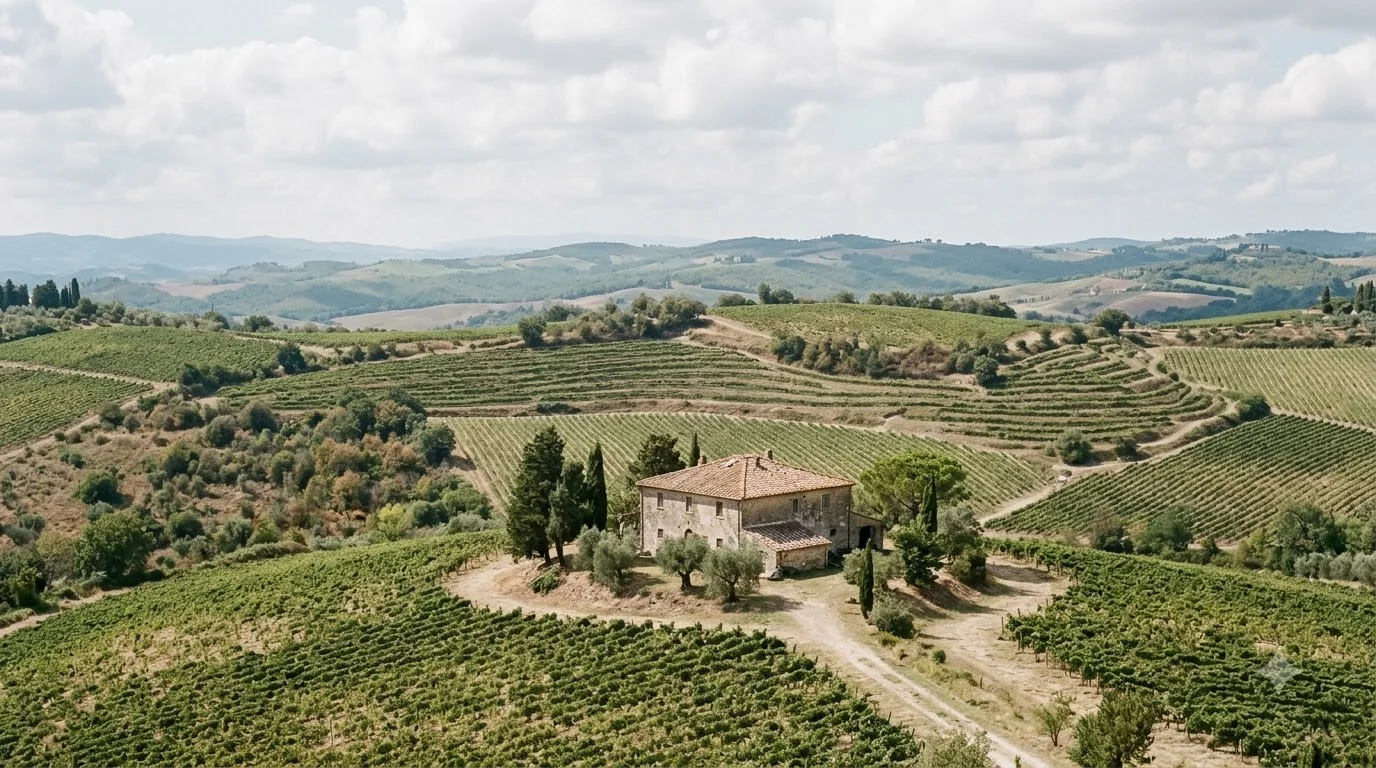
Trentino occupies the southern portion of the Trentino-Alto Adige region in northeastern Italy, with Trento serving as its provincial capital. Its vineyards follow the Adige Valley for approximately 75 kilometers and extend west toward Lake Garda and east into the Dolomites.
The distinction between Trentino and Alto Adige is important when shopping for Italian wine. Although both belong to the same broader administrative region, they have different provincial identities, wine-growing traditions, and local specialties. Alto Adige lies to the north in the province of Bolzano, while Trentino occupies the province of Trento to the south. Their shared Alpine geography does not mean that their wines taste the same.
According to the Consorzio Vini del Trentino, the province had 10,211 hectares of vineyards in 2019, with 14% of its vineyard area above 500 meters. The combination of mountain slopes, valley floors, and lake-influenced sites creates a collection of microclimates. A vineyard near Lake Garda experiences different conditions from one on a steep eastern slope in Val di Cembra.
Lake Garda has a moderating influence on the western part of the province, while the Dolomites help shelter parts of the region from cold northern winds. The result is a generally mild continental Alpine climate with substantial differences between daytime and nighttime temperatures. These temperature changes help grapes retain freshness while developing ripe fruit characteristics.
Elevation also affects the growing season, sunlight exposure, and ripening conditions. Lower and warmer sites can support varieties that benefit from a longer, warmer growing season, while cooler mountain locations are particularly suitable for aromatic white grapes. This geographical diversity explains why Trentino can produce both concentrated red wines and crisp, fragrant whites.
Vineyard training is another recognizable feature of the landscape. The traditional Trentino pergola system remains important, with vines trained overhead along supporting structures. Vertical systems such as Guyot and espalier are also used, particularly as growers renew vineyard plantings and adapt their practices to individual sites.
Trentino’s landscape is therefore more than a scenic backdrop. Its valleys, elevations, exposure, and soils directly influence the wines in the bottle. For a broader geographical comparison, readers can also explore the Savoie wine region, another Alpine wine-producing area where mountain conditions strongly shape local varieties and wine styles.
The Main Wine-Growing Areas of Trentino
Trentino’s principal wine-growing areas can be understood through three geographical directions: the central Adige Valley, the western Valle dei Laghi, and the eastern Val di Cembra. Each has a recognizable combination of landscape, grapes, and wine styles.
The central Adige Valley contains Piana Rotaliana and Vallagarina, two important areas for understanding Trentino’s red wines. Piana Rotaliana lies north of Trento and is particularly associated with Teroldego. Its alluvial soils and valley-floor conditions have helped establish the area as the grape’s principal home. The nearby towns of Mezzolombardo and Mezzocorona are useful geographical reference points when looking for Teroldego Rotaliano.
Farther south, Vallagarina is closely associated with Marzemino. The valley includes the recognized growing areas of Isera and Ziresi, which produce distinct expressions of the variety. Isera’s volcanic-origin soils are associated with a lighter mineral character, while the calcareous and basalt soils of Ziresi can contribute a firmer structure. These differences demonstrate why a grape variety should not be considered independently of its growing location.
Western Trentino follows the Valle dei Laghi toward Lake Garda. This landscape is especially important for Nosiola and Vino Santo. The villages around Calavino, Lasino, Padergnone, and Cavedine are associated with the region’s traditional sweet wine. The combination of lake humidity and regular drying winds creates conditions suitable for drying harvested grapes over an extended period.
Eastern Trentino offers a contrasting environment. Val di Cembra is characterized by steep slopes, narrow valley formations, porphyry-rich soils, and extensive dry-stone terraces. According to Decanter, the supporting stone walls extend for more than 700 kilometers, and vineyards reach approximately 900 meters in some locations. These conditions help explain the area’s reputation for fresh, concentrated white wines.
Valsugana, farther south and east, is another area where quality-oriented viticulture has been developing. It contributes to the province’s geographical diversity and provides an additional setting for understanding how vineyard position influences grape selection.
The following overview connects the major areas with their most recognizable wines:
| Wine-growing area | Geographical setting | Characteristic wines | Key grape |
|---|---|---|---|
| Piana Rotaliana | Adige Valley, north of Trento | Deep-colored red wine | Teroldego |
| Vallagarina | Southern Adige Valley | Medium-bodied aromatic red | Marzemino |
| Valle dei Laghi | Western Trentino, near Lake Garda | Dry white and sweet dessert wine | Nosiola |
| Val di Cembra | Eastern mountain terraces | Fresh, aromatic white wine | Müller-Thurgau |
| Valsugana | Eastern Trentino | Varied mountain wine styles | Multiple varieties |
These geographical distinctions are useful when reading Italian wine labels. A bottle identified with Teroldego Rotaliano has a more specific regional association than a general Trentino wine, while a Müller-Thurgau from Val di Cembra points toward a particular mountain-growing environment.
Rather than treating Trentino as a single uniform vineyard, it is more useful to think of it as a collection of connected wine districts. This approach also makes it easier to understand the differences between its indigenous varieties and international grapes.
Native Grapes: Teroldego, Marzemino, and Nosiola
Three native varieties provide an excellent introduction to Trentino’s traditional wine identity. Teroldego is the best-known local red, Marzemino offers a more aromatic and medium-bodied alternative, and Nosiola is the province’s distinctive native white grape.
Teroldego: The Signature Red
Teroldego is closely associated with Piana Rotaliana, where it grows on the alluvial plain known as Campo Rotaliano. It produces deeply colored wines, often with ruby or purple reflections, and offers a combination of ripe fruit, freshness, and moderate tannin.
Typical aromas include black cherry, red berries, violets, and sometimes a subtle bitter-almond note. The palate generally combines medium body with lively acidity. Although the wine can appear dark and powerful in the glass, its tannins are often more moderate than those found in Cabernet Sauvignon or Syrah.
This balance makes Teroldego particularly versatile at the table. It can accompany grilled sausages, roasted pork, braised beef, and mushroom dishes without necessarily overwhelming the food. More structured examples may also benefit from careful oak aging, although oak handling varies between producers.
When choosing a first bottle, look for Teroldego Rotaliano DOC. The designation identifies the wine’s specific geographical association and provides a useful starting point for exploring the variety. Producers such as Foradori, Dorigati, and Donati are among the names associated with the area’s wines.
Marzemino: Aromatic and Food-Friendly
Marzemino is particularly important in Vallagarina, where it has a long history of cultivation. It is also known to wine enthusiasts through its mention in Mozart’s opera Don Giovanni, a cultural reference that has helped make the grape more recognizable outside Italy.
Its typical profile includes wild berries, fresh red fruit, violets, and a dry finish supported by firm acidity. The wines are generally medium-bodied and ruby-violet in appearance. They can feel lighter than many international red varieties while retaining enough structure to accompany substantial food.
The Isera and Ziresi areas offer useful examples of geographical variation. Isera is associated with volcanic-origin soils, while Ziresi features calcareous and basalt soils that can produce wines with somewhat firmer structure. Both are important references when exploring Marzemino from different vineyard locations.
Nosiola: Trentino’s Distinctive White
Nosiola is one of the most distinctive grapes in the province. Its cultivation is concentrated in Trentino, particularly around Valle dei Laghi and parts of the Adige Valley. It is a relatively uncommon variety, accounting for less than 1% of the provincial vineyard area according to Decanter.
Dry Nosiola typically offers a light body, refreshing acidity, subtle floral notes, and delicate hazelnut aromas. It is an appealing alternative to more widely distributed Italian whites such as Pinot Grigio. Its restrained fruit profile makes it especially useful with delicate foods where an intensely aromatic wine might dominate the meal.
Look for examples from producers such as Vignaioli Fanti, Pojer & Sandri, and Villa Persani. These names provide starting points for discovering how individual vineyard locations and winemaking decisions influence the grape’s expression.
Tip: If you are exploring Trentino for the first time, compare a bottle of Teroldego Rotaliano with a dry Nosiola. Their contrasting colors, structures, and acidity provide an excellent introduction to the province’s range of wine styles.
Trentodoc and the Region’s Sparkling Wine Tradition
Trentodoc is Trentino’s best-known sparkling wine designation and one of the province’s most important contributions to Italian wine. It is made using the traditional bottle-fermentation method, known in Italy as Metodo Classico, which gives the wine its fine bubbles and distinctive secondary-fermentation character.
Unlike Prosecco, which is generally produced using the tank method, traditional-method sparkling wine undergoes its second fermentation inside the bottle. This process involves adding yeast and sugar to a base wine before sealing it for fermentation. The resulting carbon dioxide remains dissolved in the wine, producing its bubbles.
The extended contact between wine and yeast can contribute aromas and flavors associated with bread crust, pastry, brioche, and nuts. These characteristics complement the fresh citrus, apple, and mineral impressions often found in mountain-grown sparkling wines.
Chardonnay plays an important role in Trentodoc production, while Pinot Nero and Pinot Bianco are also important varieties. The regional sparkling wine tradition is closely connected with the province’s Alpine growing conditions, where cooler sites and temperature variations can help preserve acidity in the grapes.
Trentodoc is suitable for several occasions. A fresh, dry example works well as an aperitif, while a more complex bottle can accompany seafood, roasted poultry, or dishes featuring mushrooms and soft cheeses. Its acidity and bubbles make it particularly effective at refreshing the palate between bites.
When choosing a bottle, sweetness terminology is useful. The sparkling wine scale progresses from Brut Nature and Extra Brut through Brut, Extra Dry, Dry, Demi-Sec, and Doux, moving from the driest categories toward sweeter styles. Brut is a reliable starting point for drinkers who prefer a crisp, dry sparkling wine.
For readers interested in the production details and wine categories, the Consorzio Vini del Trentino’s overview of regional wines explains the distinction between Trentodoc Metodo Classico and other sparkling production methods.
Trentodoc also provides an opportunity to compare different expressions of Italian traditional-method sparkling wine. Readers interested in the wider geography of European wine can explore the Switzerland wine region, where mountain landscapes and cooler growing conditions also influence the character of local wines.
Although Trentodoc is the most internationally recognizable sparkling specialty, the provincial wine portfolio includes other sparkling categories made using different production methods. The distinction between Metodo Classico and the Martinotti or Charmat method is important because fermentation technique has a direct influence on the wine’s aroma and texture.
Trentino DOC, Teroldego Rotaliano, and Wine Labels
Understanding the principal wine designations helps buyers identify where a wine comes from and what style to expect. Trentino DOC is the province’s broad regional designation, while Teroldego Rotaliano DOC identifies a more specific red-wine origin.
The Trentino DOC was established in 1971. Its production rules address grape varieties, cultivation practices, vineyard yields, and winemaking requirements. The designation includes a wide range of wine styles rather than a single grape or flavor profile.
Depending on the wine, the Trentino DOC name may appear alongside a grape variety such as Chardonnay, Pinot Grigio, Müller-Thurgau, Nosiola, Marzemino, Merlot, or Cabernet. This flexibility reflects the variety of vineyard environments across the province.
Teroldego Rotaliano has its own DOC designation, which is especially useful for people seeking the area’s characteristic red wine. The name connects the wine with Campo Rotaliano, the geographical area associated with the grape’s strongest historical and cultural identity.
Other relevant designations include Casteller DOC and Vigneti delle Dolomiti IGT. The latter is a broader geographical indication that can accommodate wines from a wider area and different grape varieties. It is therefore useful to consider both the grape and the geographical designation rather than relying on one part of the label alone.
The principal designations can be summarized as follows:
- Trentino DOC: A broad provincial designation covering multiple white, red, rosé, and other wine styles.
- Teroldego Rotaliano DOC: The specific geographical designation associated with Teroldego from Campo Rotaliano.
- Casteller DOC: Another recognized designation within Trentino’s wine landscape.
- Vigneti delle Dolomiti IGT: A broader geographical indication covering wines from the Dolomite vineyard area.
For American consumers, these names can initially appear complicated, particularly when a producer uses both a grape name and a geographical designation. The simplest approach is to begin with the variety and then use the appellation to understand its geographical context.
For example, someone who enjoys medium-bodied Italian reds can start with Marzemino or Teroldego Rotaliano. A drinker looking for crisp whites can investigate Nosiola or Müller-Thurgau from Val di Cembra. Those who prefer traditional sparkling wines can begin with Trentodoc.
It is also useful to recognize that Trentino has both large cooperative producers and independent growers. Cooperatives play an important role in the province’s wine economy, while smaller estates often focus on particular vineyards, local grapes, and more individual winemaking styles. The producer’s approach can therefore be just as informative as the regional designation.
Readers comparing other European appellation systems may also find the Wine Regions resource useful for understanding how geographical designations relate to grape varieties, production rules, and regional identity.
Food Pairings, Serving Temperatures, and Cellaring
Trentino wines are particularly suitable for food because many combine fresh acidity with moderate alcohol, defined fruit character, and a range of body styles. The best pairing depends on the grape, the preparation method, and the intensity of the dish.
Teroldego is a natural partner for roasted meats, pork, grilled sausages, and dishes featuring mushrooms. Its moderate tannin and fresh acidity make it more flexible than heavily structured reds. Try it with roast pork accompanied by rosemary potatoes or a mushroom risotto with aged cheese.
Marzemino works well with tomato-based pasta, grilled poultry, charcuterie, and traditional northern Italian dishes. Its red-fruit aromas and lively acidity help balance savory flavors. It can also accompany pizza topped with sausage or mushrooms.
Nosiola is particularly useful with freshwater fish, vegetable dishes, and delicate cheeses. Its relatively light body and freshness suit trout, white fish, and dishes featuring herbs. It can also work with lightly dressed salads and vegetable risotto.
Müller-Thurgau from Val di Cembra is a good match for mountain cheeses, freshwater fish, herb-based dishes, and lighter poultry preparations. Its aromatic profile and fresh acidity provide a useful contrast to creamy or moderately rich foods.
Trentodoc is particularly versatile. Serve it with fried appetizers, shellfish, smoked salmon, soft cheeses, or roasted chicken. Its acidity and bubbles help refresh the palate when foods contain butter, cream, or moderate amounts of fat.
Vino Santo deserves a separate place at the dessert table. Because it is a sweet wine, it generally works best with desserts that are equally sweet or less sweet than the wine itself. Try it with almond pastries, biscotti, fruit-based desserts, or blue cheese when the sweetness and saltiness are balanced carefully.
Recommended serving temperatures
Temperature has a significant influence on aroma, acidity, and texture. Very cold wine can conceal delicate aromas, while overly warm wine can make alcohol more prominent and reduce the impression of freshness.
- Trentodoc: 40–50°F.
- Nosiola and Müller-Thurgau: 45–50°F.
- Fuller-bodied Chardonnay: 50–55°F.
- Marzemino and Teroldego: 55–60°F for lighter expressions, with fuller reds served toward 60–65°F.
- Vino Santo: Approximately 43–50°F.
For most still wines, a 5-ounce pour is a practical serving size, and a standard 750-milliliter bottle provides approximately five glasses. Sparkling wines are often served in smaller pours to preserve their bubbles and allow room for aroma development.
Storage and aging
Store unopened Trentino wines in a cool, dark environment, ideally near 55°F, with relatively stable temperatures. Bottles sealed with traditional corks are generally best stored on their sides to keep the cork from drying out.
Fresh Nosiola and Müller-Thurgau are often enjoyed while their primary fruit and floral aromas remain vivid. Teroldego and Marzemino can offer more complexity with additional bottle development, depending on the vintage, vineyard, and producer. More structured Teroldego examples may be particularly interesting to explore after some time in the bottle.
Young, full-bodied red wines can benefit from approximately 30–60 minutes of decanting, although this is not necessary for every bottle. Lighter reds and aromatic whites generally need less preparation.
After opening, refrigerate still wines and use them within approximately three to five days for the best results. Sparkling wine generally retains its quality for around one to three days when properly sealed and refrigerated. Sweet fortified wines may remain enjoyable for several weeks, depending on their style and storage conditions.
Frequently Asked Questions
Is Trentino the same as Alto Adige?
No. Trentino and Alto Adige are two distinct provinces within the broader Trentino-Alto Adige region. They also have different administrative histories and linguistic traditions, with Italian and German both playing important roles in the northern province of Alto Adige.
What does the name Teroldego mean?
The exact historical origin of the name remains debated. One traditional explanation connects it with the German expression Tiroler Gold, meaning Tyrolean gold, although this etymology is not universally accepted. The grape’s long-standing association with Campo Rotaliano is much more firmly established.
Why is Vino Santo called holy wine?
The name is commonly connected with the timing of pressing, which traditionally takes place around Easter after the grapes have dried through the winter. This seasonal association contributes to the wine’s religious and cultural name. It should not be confused with similarly named sweet wines produced in other Italian regions.
What is the difference between Trentodoc and Franciacorta?
Both are Italian traditional-method sparkling wines, but they come from different regions and have separate geographical designations. Trentodoc is associated with Trentino, while Franciacorta originates in Lombardy near Lake Iseo. Their permitted grape varieties, production regulations, and regional growing conditions are not identical.
Which Trentino grape is used to make traditional grappa?
Several local grape varieties can contribute to Trentino grappa, including Nosiola, Teroldego, and Marzemino. Grappa is a grape-pomace spirit made from the solid remains of winemaking, rather than a wine produced through ordinary grape-juice fermentation. The province has a particularly strong tradition of artisanal distillation, especially around Santa Massenza in Valle dei Laghi.
The trentino wine region offers much more than its internationally recognized sparkling wines. Teroldego, Marzemino, Nosiola, and Müller-Thurgau reveal the character of its individual valleys, while Vino Santo demonstrates the province’s distinctive sweet-wine tradition. For a rewarding introduction, begin with a bottle of Trentodoc, compare two native grape varieties, and pay attention to the vineyard area named on each label. Together, these wines provide a memorable introduction to one of northern Italy’s most distinctive mountain wine landscapes.
More in Wine Regions
 Willcox Wine Trail: Discover Arizona’s High-Elevation Wine CountryUpdated Nov 20, 2026
 Yakima Valley Wine Region: Find the Best Styles to TryUpdated Nov 20, 2026
 Vosne Romanee Wine Tasting: Identify Aromas and Choose Better PairingsUpdated Nov 20, 2026
 Yakima Valley Wine Festival: Find the Best Seasonal Wine EventsUpdated Nov 20, 2026
 Wales Vineyards: Discover Cool-Climate Wines and Where to VisitUpdated Nov 20, 2026
 Yountville Wine Festival: Discover Napa Wines and Local FoodUpdated Nov 20, 2026