

We may earn a commission when you buy through links on this page, at no extra cost to you. Learn more.
Torrontes wine is Argentina’s signature white, made from a family of aromatic grapes that smell sweet and perfumed but usually taste dry. Its aromas can include Meyer lemon, peach, rose petal and citrus zest, while the palate is light to medium-light with medium acidity and no tannins. The best examples come from high-elevation vineyards in Salta, and the wine is most often served cold with spicy or fresh food.
Many wine drinkers who enjoy a floral, fragrant white have never tried the Argentine style. Torrontes stands apart because its aroma is so strong that people often expect a sweet wine, and then they find a crisp, dry finish. This guide explains what the wine smells and tastes like, where it grows, how the grape is used, how to serve it, and what to eat with it. It also places torrontes alongside other sweet-smelling whites in the wider wine by type guide.
What Torrontes Wine Is and Where It Comes From
Torrontes is Argentina’s signature white grape. Wine Folly describes it as a group of three varieties, and the most widely planted of them is Torrontés Riojano, which is generally considered the highest quality. The name on the label usually refers to the wine made from this family, and a bottle may not say which of the three varieties it contains. That is one reason the style can vary from producer to producer.
The grape is grown in several Argentine provinces. The most expressive wines come from high-elevation vineyards in Salta, especially around Cafayate and the Calchaquí Valleys. Mendoza and La Rioja also produce significant volumes. Because altitude keeps nights cool, the grapes hold on to their aromatic character, which is one reason the wines from Salta are often the most admired.
Aroma and Flavor Profile
Torrontes is famous for its perfume. Wine Folly lists Meyer lemon, peach, rose petal, geranium and citrus zest as the main aromas. Those floral and citrus notes are strong enough that the wine can smell almost like a garden. On the palate, the flavors are lighter than the nose suggests, and the wine often has a slightly salty, lean finish that keeps it from feeling heavy.
That contrast is the most useful thing to know about torrontes. A sweet aroma leads you to expect sweetness, but most bottles are dry. If you prefer a white with more fruit and less bite, a moscato wine will feel much sweeter, while torrontes will taste cleaner and more structured.
| Characteristic | Typical torrontes |
|---|---|
| Style | Usually dry, with some sweet dessert versions |
| Body | Medium-light |
| Acidity | Medium |
| Tannins | None |
| Aromas | Meyer lemon, peach, rose petal, geranium, citrus zest |
| Alcohol | 11.5 to 13.5% ABV |
Regions, Varieties and How the Wine Is Made
Torrontes is usually made as a dry, unoaked white, which lets the floral and citrus character stay in front. Most producers ferment and bottle the wine within a short time of harvest, so the wine is meant to be drunk young. The Wine Folly torrontes guide notes that some producers make a sweet dessert version, and that the simpler Sanjuanino and Mendocino varieties tend to be lighter and are often sweet.
The main difference between styles comes from the variety and the site. A Riojano from high vineyards may show more depth and a longer, saltier finish, while a wine from a lower-altitude site can taste simpler. When you read a label, the region tells you a good deal. Salta and Cafayate suggest a more intense, perfumed wine, and Mendoza suggests a lighter, more everyday bottle.

How to Serve Torrontes
Torrontes should be served cold. Wine Folly suggests a temperature of 3 to 7 °C, which is 38 to 45 °F, in a white wine glass. At that range the aromas stay bright and the acidity feels crisp. If the bottle warms too far, the perfume can turn heavy, so keep it chilled until you pour and try to finish the bottle within a day or two of opening.
Decanting is not necessary. Wine Folly suggests cellaring for three to five years, but most torrontes is at its best when it is young and fresh. Keep the bottle in a cool, dark place, and drink it while the aromas are still lively.
Food Pairing With Torrontes
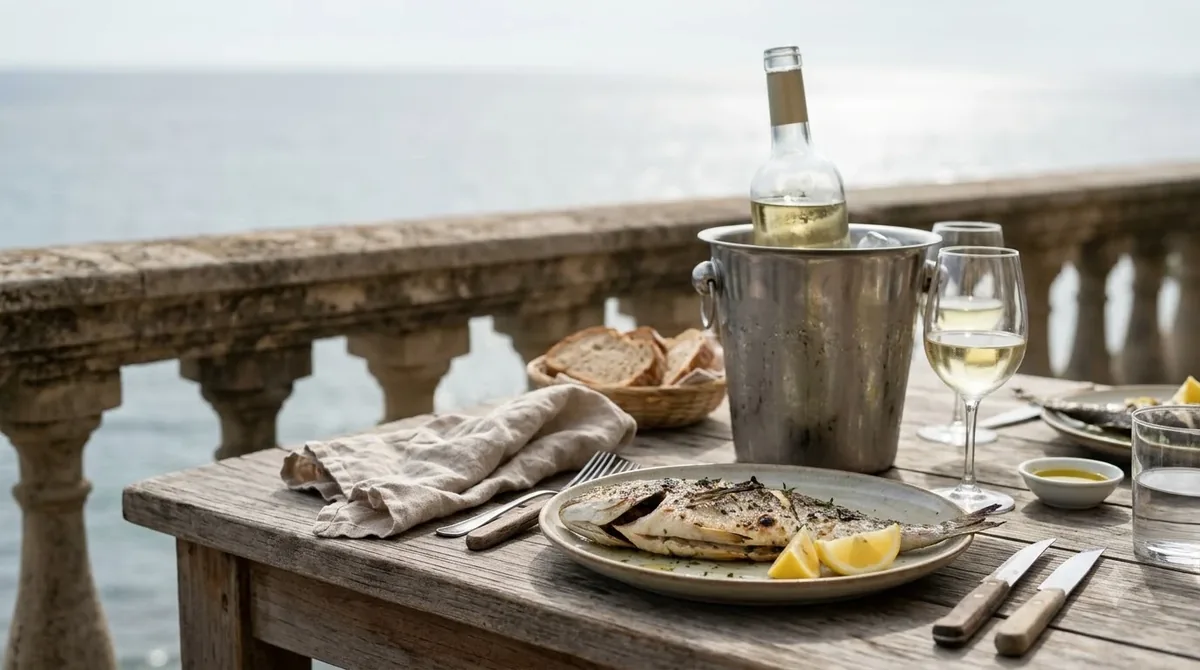
The wine’s perfume and its clean finish make it a strong match for spicy and aromatic food. Wine Folly suggests coconut curries and Thai-spiced peanut dishes as natural partners, because the wine’s lemon and floral notes lift the spice without fighting it. Lighter proteins such as poultry, fish and tofu also work well, since the wine has enough acidity to refresh the palate between bites.
Torrontes also works with cheese. Feta, Gruyère and Manchego are suggested matches, and the wine pairs well with herbs and spices such as cilantro, mint and ginger. If you are cooking with those flavors, the wine can be a good companion without overwhelming the dish.
When you plan a menu around torrontes, start with the main flavor of the dish. A spicy curry or a peanut sauce calls for a wine with lift and a clean finish, while a simple roast chicken or a plate of grilled fish lets the wine’s perfume come through. Serving a few small plates, such as fresh spring rolls or a salad with citrus dressing, gives the wine room to show its aromas without competing with a heavy main course.
Tip: Torrontes is a good alternative to a sweet, perfumed white when you want something drier. Its aroma will still fill the glass, but the palate will feel clean and food-friendly.
How to Choose a Torrontes Bottle
Start with the label. Look for the word Torrontes and the region, such as Salta, Cafayate or Mendoza. Bottles from Salta and Cafayate are usually the most aromatic and structured, while wines from other areas tend to be lighter. Next, check whether the label says dry or sweet. Most bottles are dry, but a dessert version will be labeled differently and should be served in a smaller pour.
For freshness, buy a recent vintage. Torrontes is a young wine by design, and its aromas fade over time. If you want a special bottle for a dinner, look for a producer with a clear regional identity and a clear statement about the vineyard’s altitude.
Frequently Asked Questions
Is torrontes wine sweet?
Most torrontes is dry, even though the aroma is sweet and perfumed. Some producers make a sweet dessert version, which is usually labeled clearly on the bottle.
What does torrontes taste like?
Torrontes smells of Meyer lemon, peach, rose petal and citrus zest. On the palate it is light to medium-light, with medium acidity, a lean finish and a slightly salty edge.
Where is torrontes made?
Torrontes is Argentina’s signature white. The best examples come from high-elevation vineyards in Salta, especially around Cafayate, and it is also produced in Mendoza and La Rioja.
What food goes well with torrontes?
Coconut curries, Thai-spiced peanut dishes, poultry, fish and tofu all suit torrontes. It also pairs with feta, Gruyère and Manchego, and with cilantro, mint and ginger.
Torrontes is a good choice for anyone who wants a white with a strong, floral nose and a dry, clean finish. Serve it cold, pair it with spice or fresh herbs, and drink it young. If you want a sweeter, easier-drinking option from the same floral family, the moscato wine guide covers that style, and the wine by type overview helps you compare the rest of the shelf.
More in Wine Types & Grapes
 Zinfandel Sugar Content: Dry Red vs. White Zinfandel GramsUpdated Nov 21, 2026
 Best Zinfandel Substitute Options for Sipping and CookingUpdated Nov 21, 2026
 Zweigelt Food Pairing: Best Dishes, Cheeses, and Serving TipsUpdated Nov 21, 2026
 Zinfandel Tannins Explained: How Structure Shapes Every BottleUpdated Nov 21, 2026
 Zinfandel Sweetness Level: Dry Red vs. Sweet White Zin ExplainedUpdated Nov 21, 2026
 Xinomavro Food Pairing: Best Dishes, Styles, and Serving TipsUpdated Nov 21, 2026