

We may earn a commission when you buy through links on this page, at no extra cost to you. Learn more.
The torrontes grape is Argentina’s signature white variety, and it makes aromatic, dry wines with notes of lemon, peach and rose petal. Despite a nose that suggests sweetness, most torrontés is fermented dry and has a light body and no tannins. The best examples come from high-altitude vineyards in Salta, especially around Cafayate, although the grape is also grown in Mendoza and La Rioja.
This guide explains what the torrontes grape is, where it grows, how its flavors compare with other aromatic whites, and how to serve and pair it. If you have seen this grape on an Argentine label and wondered why it smells so floral, this page covers the main points in plain language.
What the Torrontes Grape Is
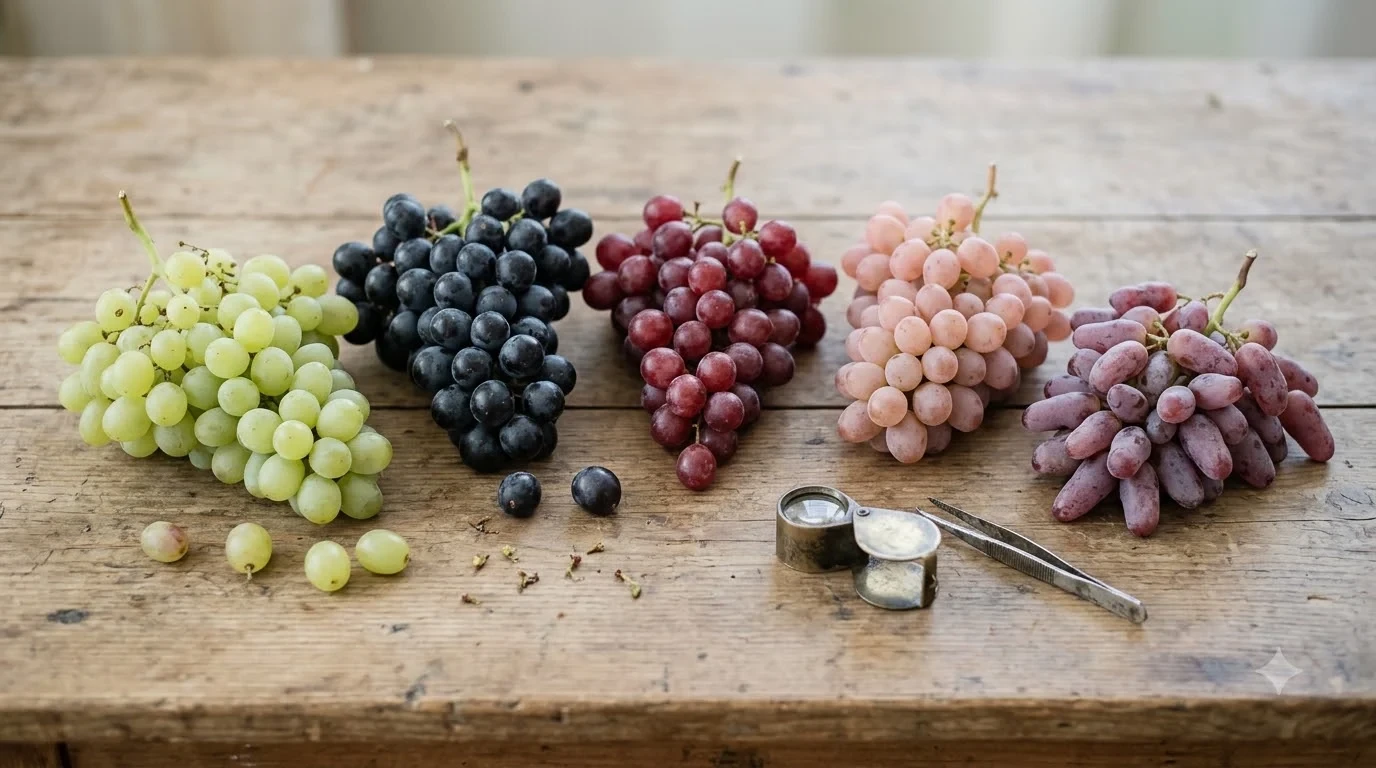
Torrontés is not a single variety. Wine Folly explains that the name covers three genetically distinct grapes: Riojano, Sanjuanino and Mendocino. Riojano and Sanjuanino are natural crosses of Criolla Chica, also called Mission or País, and Muscat of Alexandria. Mendocino is likely descended from Muscat of Alexandria, though its other parent is unknown.
Because of this family tree, the grape carries strong aromatics. Muscat relatives are known for floral and perfumed character, and that heritage is why torrontés smells so distinctive. Riojano is the most widely planted of the three and is generally considered the highest quality, so many bottles you see on shelves are made from it.
Where Torrontes Grows
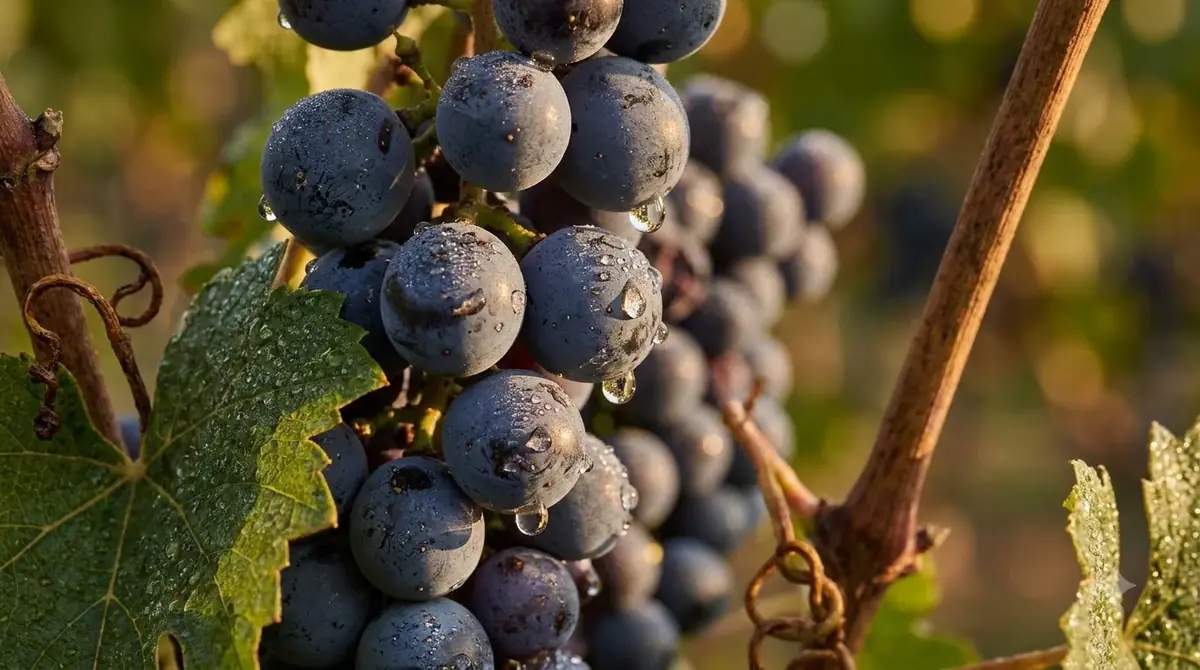
The most distinctive torrontés comes from high-elevation vineyards in Salta, especially the Calchaquí Valleys and the area around Cafayate. Wine Folly calls the grape Argentina’s signature white, and the altitude in these valleys gives the wines a fresh acidity that balances their perfume. Mendoza and La Rioja also produce significant volumes, and the wines from those regions are often lighter and more everyday in style.
The region’s dry air and strong sun help the grapes ripen while keeping acidity. Growers in high vineyards also have to manage temperature swings between day and night, which can give the wine a crisp, clean finish.
| Feature | Typical torrontés |
|---|---|
| Main aromas | Meyer lemon, peach, rose petal, geranium, citrus zest |
| Sweetness | Usually dry, though it smells sweet |
| Body | Medium-light |
| Acidity | Medium |
| Alcohol | 11.5 to 13.5% ABV (Wine Folly) |
| Tannins | None |
Flavor and Aroma
The grape’s aromas are the first thing most people notice. Wine Folly lists Meyer lemon, peach, rose petal, geranium and citrus zest as its primary flavors. Those notes can make the wine smell sweet, but the palate is usually dry, which is a useful thing to know before you pour a glass for someone who prefers drier whites.
Drinkers often compare torrontés with Muscat or Gewürztraminer because of the shared perfume, but the Argentine wine usually feels lighter and more restrained. That makes it a good choice for someone who likes an aromatic glass without the heavier, honeyed texture of some Muscat styles. The perfume tends to be most noticeable when the wine is first poured, and it softens as the glass warms slightly.
The texture is light and clean. With medium acidity and no tannins, torrontés tends to finish fresh rather than heavy. Some bottles show a little more body or a longer finish, especially from good vineyard sites, but the overall style stays bright and easy to drink.
How to Serve Torrontes
Serve torrontés cold, between 38 and 45°F (3 to 7°C), according to Wine Folly. A cold glass keeps the perfume in check and lets the citrus and acidity come forward. Pour it into a standard white wine glass, and skip decanting, since the wine is meant to be enjoyed fresh.
Wine Folly also notes that the wine can be cellared for three to five years, which is longer than many people expect for an aromatic white. Most bottles are still best within a few years of the vintage, when the fruit is lively and the aromas are at their strongest.
Food Pairing
Torrontés suits the spice-route cuisines of Asia and India. Wine Folly recommends coconut curries and Thai-spiced peanut dishes, where the wine’s aromatics and acidity balance the richness and heat. The page also suggests lighter proteins such as poultry, fish and tofu, because they let the wine show without being overwhelmed.
When you build a menu around torrontés, think about the aromatics first. A dish with fresh herbs such as coriander, mint or basil will sit well with the floral notes, while a dish with a spicy chili or ginger element will show how bright the acidity is. For a dinner party, a torrontés can open the meal as an aperitif and then carry through to the first course, especially if the food is light.
Fresh salads, ceviche and grilled fish also work well. The wine’s lemon and citrus notes echo the acid in these dishes, and its light body keeps the meal feeling clean. Avoid very heavy dishes with a lot of butter or cream, since they can mute the grape’s delicate aromas.
How to Choose a Torrontes
Start by checking the label for the region. A bottle from Salta, and especially from Cafayate, is more likely to show the high-altitude freshness and clear floral character that many drinkers look for. Bottles from Mendoza or La Rioja can be pleasant too, but they often lean toward a softer, more everyday style.
Storage at home is simple. Keep the bottle in a cool, dark place, and chill it in the refrigerator for a couple of hours before serving, since a fridge is usually the fastest way to reach the right temperature. An opened bottle can be kept in the refrigerator for a few days with the cork or stopper replaced, though the aromas will fade over time, so plan to finish it within a day or two for the best experience.
Look at the vintage. Because torrontés is usually meant to be drunk young, a recent bottle will show the brightest aromas. If the label names the grape variety, check whether it says Riojano, since that is the variety Wine Folly describes as the most widely planted and generally the best.
If you are new to the grape, a good test is to taste a torrontés next to a dry Sauvignon Blanc. The comparison shows how different the aroma is, and it helps you decide whether the floral style suits your taste. You can also explore other white varieties in the pecorino grape guide, which covers a different style of aromatic-friendly white.
Frequently Asked Questions
Is torrontes a sweet wine?
Most torrontés is dry, even though it smells sweet. The floral and citrus aromas can make it seem sweeter than it is, so check the label or the producer’s notes if you want a specific sweetness level.
What does torrontes taste like?
It usually shows Meyer lemon, peach, rose petal and citrus zest. The palate is light and clean, with medium acidity and no tannins.
Where is torrontes grown?
Torrontés is Argentina’s signature white grape. The best examples come from high-altitude vineyards in Salta, especially around Cafayate, with significant volumes also grown in Mendoza and La Rioja.
How should torrontes be served?
Serve it cold, around 38 to 45°F (3 to 7°C), in a standard white wine glass. Decanting is not needed, and the wine is best enjoyed fresh.
Torrontés is a fresh, floral white that rewards drinkers who like aromatic wines with a dry finish. Pick a recent bottle from Salta if you can, serve it cold, and pair it with light, spiced or fresh dishes. For a wider view of white styles, visit the Wine by Type section, and read the Wine Folly torrontés profile for the full grape notes.
More in Wine Types & Grapes
 Zinfandel Sugar Content: Dry Red vs. White Zinfandel GramsUpdated Nov 21, 2026
 Best Zinfandel Substitute Options for Sipping and CookingUpdated Nov 21, 2026
 Zweigelt Food Pairing: Best Dishes, Cheeses, and Serving TipsUpdated Nov 21, 2026
 Zinfandel Tannins Explained: How Structure Shapes Every BottleUpdated Nov 21, 2026
 Zinfandel Sweetness Level: Dry Red vs. Sweet White Zin ExplainedUpdated Nov 21, 2026
 Xinomavro Food Pairing: Best Dishes, Styles, and Serving TipsUpdated Nov 21, 2026