

We may earn a commission when you buy through links on this page, at no extra cost to you. Learn more.
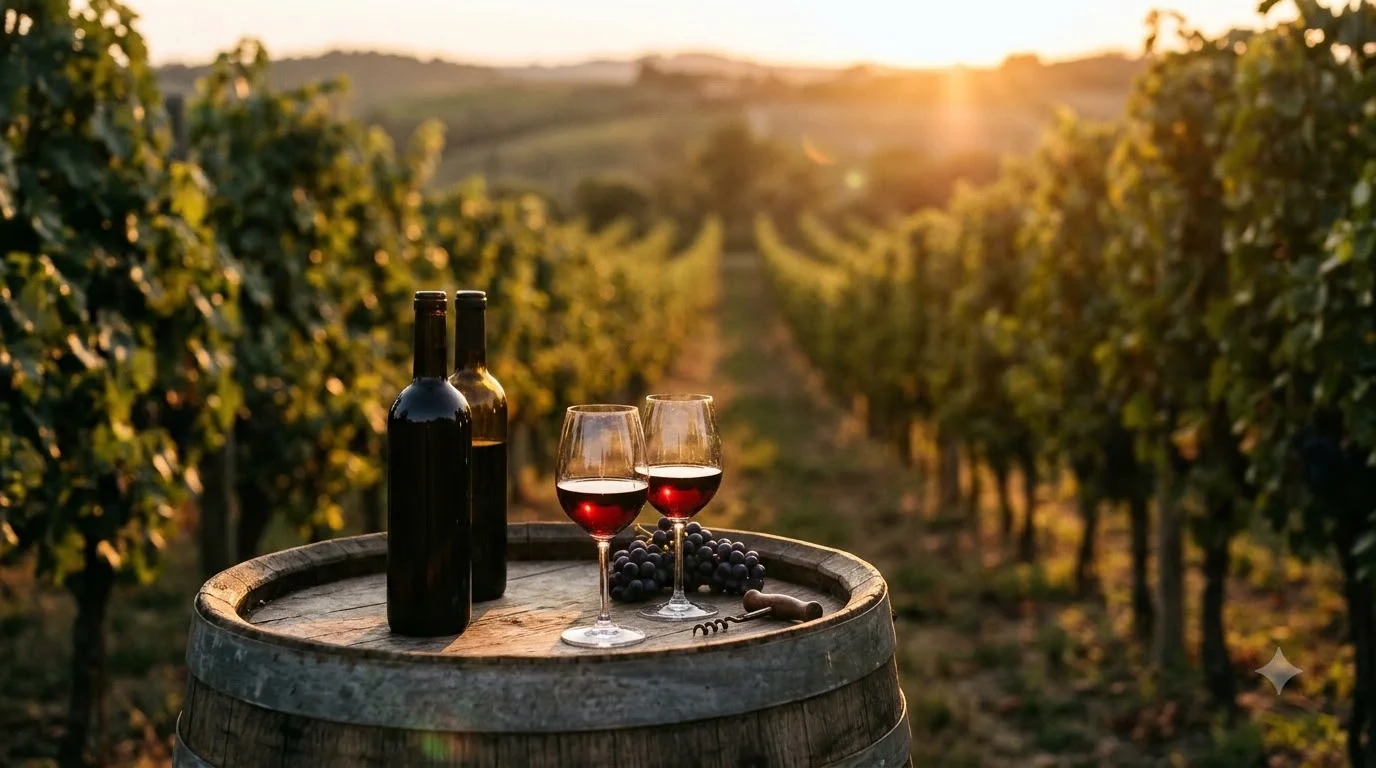
Toro vineyards are located in Castilla y León, northwestern Spain, where old-vine Tinta de Toro grapes produce powerful, concentrated red wines with dark fruit, firm tannins and distinctive regional character. The vineyards stretch across parts of Zamora and Valladolid provinces, around the historic town of Toro and the Duero River. Their combination of high elevation, limited rainfall, sandy and clay-rich soils, and intense sunshine creates distinctive growing conditions for this local expression of Tempranillo. Although substantial reds dominate the region, producers also make rosé and white wines.
Spain has several important Tempranillo-producing regions, but Toro stands apart for the intensity of its wines and the survival of exceptionally old vineyards. Its combination of traditional bush vines, varied soils and a demanding continental climate gives wine drinkers a useful way to explore how geography influences grape character. Understanding the vineyards also makes it easier to choose a bottle, recognize differences between producers and plan a visit to one of Castilla y León’s historic wine destinations.
Where Toro Vineyards Are Located in Spain
Toro vineyards occupy a wine-growing area in western Castilla y León, primarily across southeastern Zamora and southwestern Valladolid. The historic town of Toro provides the region’s geographical and cultural center, while the Duero River connects its vineyards with other important Spanish wine-producing areas.
The official D.O. Toro production territory covers 17 municipalities. On the Zamora side, important locations include Toro, Morales de Toro, Valdefinjas, Venialbo, Sanzoles and Villabuena del Puente. The Valladolid portion includes San Román de Hornija, Villafranca de Duero and the vineyard districts of Villaester de Arriba and Villaester de Abajo. These locations provide a useful starting point for understanding the region’s geographical variety.
According to the Toro regulatory council, the geographical territory covers approximately 62,000 hectares. Around 8,000 hectares are dedicated to vineyards, of which 5,418 hectares are registered with the regulatory board. The registered land belongs to 981 winegrowers, illustrating the contribution of individual growers to the appellation’s wine production. These figures describe different measurements: the full geographical territory, all vineyard land and the portion formally registered with the council.
The Duero River is an important geographical feature, although Toro’s identity cannot be reduced to riverside vineyards alone. Parcels occupy gently rolling terrain and elevated plateaus, with differences in soil composition, exposure and elevation influencing how individual vineyards perform. Some sites are especially associated with old vines and sandy ground, while others contain more clay, gravel or limestone. These variations help explain why wines from the same grape variety can show different levels of structure and freshness.
For a broader comparison of wine-growing destinations, the Wine Regions collection provides context for understanding how Spanish appellations differ from other established wine territories.
Climate and Soils That Shape the Vineyards
Toro has a semi-arid continental climate influenced by Atlantic conditions, with cold winters, hot summers, substantial sunshine and relatively little rainfall. The combination of high elevation and seasonal temperature extremes influences grape ripening, acidity, concentration and the timing of harvest.
According to the D.O. Toro regulatory council, the region receives approximately 350-400 millimeters of rainfall annually and enjoys around 2,600 hours of sunshine, with some years reaching 3,000 hours. Its average annual temperature is approximately 12-13 degrees Celsius, although recorded temperature extremes extend from around -11 to 37 degrees Celsius. Winter frost is an important consideration for growers, while summer heat creates pressure to manage ripeness and preserve freshness.
The council places Toro vineyards between 620 and 870 meters above sea level. Elevation helps moderate the effects of summer heat, particularly through cooler nighttime conditions. Grapes can accumulate sugar during sunny days while retaining some freshness as temperatures fall after sunset. However, vineyard exposure, soil depth, water availability and harvest timing also influence the final result. A high-altitude vineyard does not automatically produce a lighter wine, just as a warm climate does not guarantee excessive alcohol in every bottle.
Soil diversity is another important influence. Toro’s geological formations include sandstone, clay, limestone conglomerates, gravel, sand and sandy-loam soils. Some parcels have relatively loose, well-drained surface material, while others contain heavier clay or mixtures of stones and fine particles. These differences influence water retention, root development and vine vigor.
Clay can retain moisture, an important advantage in a region receiving limited rainfall. Sandy soils generally drain more readily and can restrict certain vine pests. Gravelly ground also affects drainage and the amount of water available to roots. Rather than assuming that one soil type explains every Toro wine, it is more useful to consider the combination of soil, elevation, vine age and vineyard management.
Tip: When comparing two Toro wines, look beyond the grape name. A wine from an older, sandy-soil vineyard may have a different texture and aromatic profile from one produced from younger vines on heavier clay, even when both are made primarily from Tinta de Toro.
Tinta de Toro and the Region’s Other Grape Varieties
Tinta de Toro is the defining red grape of the appellation and the main reason its wines have a distinctive identity. It belongs to the Tempranillo family but has developed characteristics associated with the growing conditions and long viticultural history of Toro.
Tempranillo is grown in several Spanish regions, including Rioja and Ribera del Duero. In Toro, the local name is Tinta de Toro. Its adaptation to the region’s dry continental climate, sunny growing season and varied soils contributes to wines that often show concentrated dark fruit, substantial structure and firm tannins. Producers can make different interpretations of the grape through vineyard selection, harvest decisions, extraction and maturation.
Garnacha Tinta, the Spanish name for Grenache, is another red variety grown in the appellation. It can contribute a different aromatic and textural dimension to wines, including red-fruit character and a more generous impression of fruit. Its role varies by producer and wine style. Some bottles emphasize Tinta de Toro almost exclusively, while others incorporate Garnacha as part of a blend.
The region also grows several white grapes. Verdejo and Malvasía Castellana are among the established varieties, alongside other permitted grapes such as Albillo Real, Doña Blanca and Moscatel de Grano Menudo. White wine remains less prominent than red wine in Toro’s identity, but these grapes demonstrate that the appellation is not limited to one color or style.
According to the D.O. Toro regulatory council, its certification rules cover vineyard practices, harvesting, production, classification and labeling. For wines classified as Tinta de Toro reds, the grape must account for at least 75% of the blend. These requirements help maintain the geographical identity of wines carrying the appellation. The council’s official explanation of Toro wine styles and production provides further information about the varieties and winemaking practices recognized in the region.
For wine drinkers, the practical distinction is straightforward: a bottle labeled Toro red will generally be centered on Tinta de Toro, while rosé and white wines offer alternative expressions of the local grape-growing tradition. Reading the grape information on a bottle can help identify whether a producer has chosen a single-variety approach or a blend.
Old Vines and the History of Toro Wine Production
One of Toro’s most important vineyard assets is its collection of old bush vines, including ungrafted vines that survived the phylloxera epidemic. These historic plantings preserve valuable viticultural heritage and contribute to the range of vineyard expressions found across the appellation.
Phylloxera was a devastating vine pest that destroyed large areas of European vineyards during the nineteenth century. Toro’s sandy soils and relatively dry conditions helped protect some plantings, allowing certain vines to survive without grafting onto American rootstocks. The official D.O. Toro grape information confirms that the cultivation of ungrafted vines has been preserved in the region, particularly in loose, well-draining sandy soils.
These vines are particularly interesting because they represent continuity across generations of winegrowing. Bush-trained vines grow without the conventional trellis system used in many modern vineyards. Their low, independent structure can suit dry environments, although it requires careful management and can make vineyard work more labor-intensive. The system also reflects traditional growing practices that have remained important in parts of Castilla y León.
Old vines do not automatically guarantee better wine. Their value lies in their history, adaptation and potential to produce grapes with distinctive characteristics. Some older vineyards produce naturally limited crops, while others vary according to weather, soil and management. Their roots and established structure can be important assets in challenging conditions, but fruit quality still depends on careful viticulture and appropriate harvesting.
Toro received its first official Designation of Origin recognition in 1933. Its modern appellation framework subsequently developed to establish formal standards for regional wine identity and production. The regulatory system covers grape varieties, vineyard practices, harvesting, winemaking and the labeling of certified bottles.
Historically, Toro wine was known for its strength and ability to withstand long journeys. The region’s wines were associated with Spanish royal households during the Middle Ages, while their reputation extended beyond the immediate area. Modern winemaking has developed a broader range of styles, with greater attention to balance, fruit definition and the influence of individual vineyards.
For a useful comparison with another region shaped by distinctive vineyard traditions, explore Chianti Classico vineyards, where Sangiovese and differences in elevation and soil also play important roles in wine identity.
What Toro Wines Taste Like and How They Are Made
Toro reds are typically full-bodied, deeply colored and structured, with dark berry fruit, ripe cherry, spice and substantial tannins. Their concentration reflects the region’s growing conditions and the character of Tinta de Toro, although the amount of oak, extraction and bottle aging can produce considerable differences between wines.
Common aromas include blackberry, black cherry, plum and other dark fruits. Some wines also show notes of licorice, dried herbs, pepper, earth and toasted spice. Younger examples can emphasize juicy fruit and a direct, powerful palate, while barrel-aged wines may develop more complex savory and wood-derived characteristics.
Tannins are an important part of the style. Tinta de Toro can produce wines with considerable structure, particularly when grapes are harvested at full ripeness and macerated for extended periods. These tannins can make a wine feel firm or slightly drying on the finish. Good examples balance this structure with fruit concentration and sufficient freshness rather than relying on sheer intensity.
Winemaking choices are central to the final character. The D.O. Toro regulatory council explains that destemmed grapes ferment in vats with their skins. The length of skin contact depends on the intended style. Wines designed for earlier drinking generally receive shorter macerations, while wines destined for Bordeaux oak barrels can undergo longer extraction before maturation.
Oak aging can soften the impression of tannin and add flavors such as vanilla, toast and baking spice, depending on the barrel and the time spent in it. The grape itself remains the central influence, however. Barrel treatment should support the fruit and structure rather than completely obscure the character of Tinta de Toro.
Some producers also use carbonic maceration, a technique involving whole clusters rather than conventional destemming and crushing. The official appellation website explains that this approach can produce fragrant, fresh and aromatic wines, with some examples released as early as November in the harvest year. These wines provide a more immediately accessible side of Toro than its longer-aged reds.
Rosé wines offer another option, while white wines made from varieties such as Verdejo and Malvasía provide a contrast to the region’s structured reds. These styles are useful reminders that a wine region should not be judged exclusively by its best-known grape or most powerful bottlings.
How to Serve Toro Wine and Choose Food Pairings
Toro red wine generally works best with substantial dishes that can stand up to its body, fruit concentration and tannins. Grilled meats, roast lamb, slow-cooked beef and hearty stews are natural partners, while appropriate serving temperature and aeration can help the wine show greater balance.
For a young, full-bodied Toro red, aim for approximately 60-65 degrees Fahrenheit. Serving it at a cooler temperature than a warm room can help prevent alcohol from dominating the aromas and palate. A wine that feels too hot may appear heavier and less balanced than intended. Light-bodied red wines generally benefit from a cooler 55-60 degrees Fahrenheit serving range, although most classic Toro reds are more substantial.
Decanting can also help, especially with young, concentrated bottles. A young full-bodied red may benefit from approximately 30-60 minutes in a decanter. This allows the wine to interact with oxygen and can make its aromas easier to appreciate. Older bottles require more care because excessive aeration may cause delicate aromas to fade. Taste before deciding how long to leave a wine exposed to air.
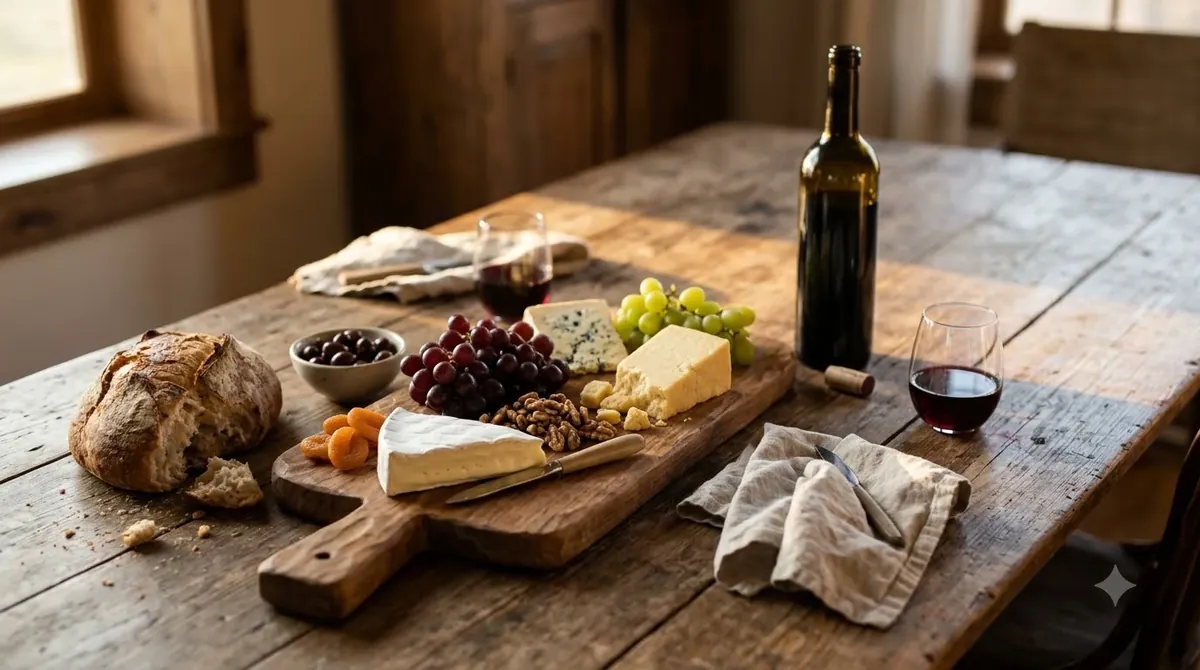
Food pairing is largely about matching intensity and managing tannin. Roast lamb, beef short ribs, grilled steak and pork shoulder have enough richness to complement a structured Toro red. Salt and fat soften the perception of tannin, making these dishes particularly useful companions. Mushroom dishes, lentils with smoked paprika and slow-cooked beans can also provide satisfying alternatives to meat.
Acidity matters too. Tomato-based dishes and other acidic foods are generally best matched with wines that have equal or higher acidity. If the dish is especially sharp, a heavy, low-acid red may seem less lively beside it. A fresh, fruit-driven Toro bottling can be a more appropriate choice than an extremely concentrated, heavily oaked example.
Very spicy dishes need some caution. Alcohol and tannin can amplify chili heat, making a powerful Toro red a difficult match for intensely hot food. Oily fish can also clash with tannic reds, so a fresher white wine or another lighter style is usually preferable for dishes such as sardines or grilled mackerel.
Practical serving and pairing reference
| Wine or pairing | Recommended guidance | Why it works |
|---|---|---|
| Young full-bodied Toro red | 60-65°F | Preserves fruit while moderating the perception of alcohol. |
| Young concentrated red | 30-60 minutes of decanting | Allows aromas to develop and tannins to feel more integrated. |
| Light red alternative | 55-60°F | Maintains freshness and a lighter impression. |
| Roast lamb | Serve with structured red Toro | Richness and savory flavors complement tannin and dark fruit. |
| Grilled beef | Serve with concentrated red Toro | Protein, salt and fat help soften tannin. |
| Tomato-based dishes | Choose a fresher, balanced wine | Matching acidity helps prevent the food from making the wine seem flat. |
| Very spicy dishes | Consider a lower-alcohol alternative | Alcohol and tannin can intensify chili heat. |
For a standard serving, pour approximately 5 ounces per glass. A 750-milliliter bottle provides about five standard glasses. If the bottle is not finished, store the remaining wine in the refrigerator with a suitable closure. Most opened still wines retain their best character for approximately three to five days, although individual bottles vary.
For longer-term storage, keep unopened bottles away from direct sunlight and temperature fluctuations. Bottles with natural cork closures are traditionally stored on their sides, at approximately 55 degrees Fahrenheit, to help maintain cork contact with the wine.
Visiting Toro Vineyards and Exploring the Wine Route
The Toro Wine Route offers visitors an opportunity to explore vineyards, historic wine cellars, wineries and cultural landmarks across Zamora and Valladolid. The town of Toro is a practical starting point because it combines a long winegrowing history with access to several surrounding vineyard communities.
According to Spain’s official tourism website, the route extends through 17 municipalities in the D.O. Toro territory. The town itself provides a strong introduction to the area’s history, with traditional architecture and underground wine cellars reflecting centuries of wine production and storage. Some villages also retain hillside cellars and traditional winery neighborhoods.
Visitors interested in the region’s historical architecture can explore the Collegiate Church of Santa María la Mayor, one of the town’s important medieval monuments. The historic bullring, monasteries, palaces and Mudejar churches add further cultural interest. These attractions make Toro more than a destination for winery visits alone.
Wine museums also provide useful context. The Fariña Museum in Toro and the Pagos del Rey Wine Museum in Morales de Toro are among the cultural attractions identified by Spain’s tourism authority. They offer opportunities to understand local production traditions, the history of viticulture and the importance of wine to the area’s identity.
For a vineyard-focused itinerary, consider dividing the visit between the town and nearby winegrowing communities. Toro provides historical context, while locations such as Morales de Toro, Valdefinjas and San Román de Hornija offer different perspectives on the region’s vineyard landscape. Visitors can ask wineries about their Tinta de Toro selections, old-vine parcels, cellar practices and differences between barrel-aged and younger wines.
It is sensible to arrange winery visits in advance rather than assume that every vineyard or cellar accepts walk-in visitors. Opening arrangements, tasting availability and tour schedules can differ between producers. Allowing time between appointments also makes it easier to appreciate the countryside and the historic sites rather than treating the route as a sequence of hurried tastings.
Toro’s wine tourism experience can appeal to visitors who enjoy combining food, architecture and regional history. The area is also a useful stop for travelers exploring the wider Castilla y León region. For comparisons with vineyards farther from continental Spain, Tasmania vineyards and Uruguay vineyards demonstrate how different climates and grape-growing traditions produce distinct wine identities.
Frequently Asked Questions
Does Toro mean bull in Spanish?
Yes. The Spanish word toro translates as bull, and the animal is closely associated with the town’s cultural identity. However, the name of the Toro appellation does not establish a historical connection between the animal and the wine’s powerful style.
Is Tinta de Toro genetically identical to Tempranillo?
Tinta de Toro is generally treated as a local Tempranillo expression, although discussions about its genetic distinctiveness continue. Its long adaptation to the growing conditions of Toro has contributed to a recognizable regional identity. The name is also an important part of the appellation’s traditional grape vocabulary.
Can Toro wine be made without oak aging?
Yes. Toro producers can make younger wines intended for release without extended barrel maturation. The appellation also recognizes production approaches such as carbonic maceration, which can emphasize fresh fruit and aromatic character. Oak aging is a stylistic choice rather than a requirement for every bottle.
What is the difference between Toro and Ribera del Duero?
Both regions are associated with the Duero River and Tempranillo-family grapes, but they have separate appellations and regional identities. Toro uses the local name Tinta de Toro, while Ribera del Duero generally identifies its principal red grape as Tinto Fino or Tempranillo. Their vineyard conditions, local traditions and producer choices create different expressions of the grape.
Are there vineyards in Toro that still grow ungrafted vines?
Yes. Some surviving vineyards contain pre-phylloxera vines growing on their original rootstocks. These are historically important because phylloxera destroyed much of Europe’s vineyard landscape during the nineteenth century. Their survival is particularly associated with the protective conditions of certain sandy soils in Toro.
Toro vineyards offer a distinctive perspective on Spanish wine, combining historic bush vines, Tinta de Toro and challenging continental growing conditions. From powerful, barrel-aged reds to fresh young wines and traditional underground cellars, the region rewards anyone interested in the relationship between grape variety and place. Exploring Toro is also an excellent way to discover the diversity of Castilla y León and the enduring importance of Spain’s vineyard heritage.
More in Wine Regions
 Willcox Wine Trail: Discover Arizona’s High-Elevation Wine CountryUpdated Nov 20, 2026
 Yakima Valley Wine Region: Find the Best Styles to TryUpdated Nov 20, 2026
 Vosne Romanee Wine Tasting: Identify Aromas and Choose Better PairingsUpdated Nov 20, 2026
 Yakima Valley Wine Festival: Find the Best Seasonal Wine EventsUpdated Nov 20, 2026
 Wales Vineyards: Discover Cool-Climate Wines and Where to VisitUpdated Nov 20, 2026
 Yountville Wine Festival: Discover Napa Wines and Local FoodUpdated Nov 20, 2026