

We may earn a commission when you buy through links on this page, at no extra cost to you. Learn more.
This tommasi amarone review finds a structured, full-bodied Italian red with concentrated cherry and dried-fruit flavors, balanced acidity, and firm but approachable tannins. Made from four traditional Valpolicella grape varieties, Tommasi Amarone della Valpolicella Classico combines approximately three months of grape drying with three years of oak maturation. It is particularly appealing for people who enjoy powerful reds with enough freshness to accompany a substantial meal rather than wines that rely entirely on richness and alcohol.
Amarone has a distinctive place among Italian wines because its grapes undergo a drying process before fermentation, concentrating their flavors and natural sugars. Tommasi’s interpretation comes from the historic Valpolicella Classica area in Veneto and emphasizes ripe fruit, oak-derived complexity, and a balanced finish. Understanding its production, flavor, serving requirements, and food compatibility makes it easier to decide whether this bottle belongs in your wine collection.
Who Should Choose Tommasi Amarone
Tommasi Amarone is best suited to drinkers who appreciate concentrated Italian reds, substantial meals, and wines with a combination of fruit intensity and developed savory character. Its 15% alcohol content, full-bodied structure, and extended oak maturation make it a more substantial choice than an everyday light red.
The wine is particularly attractive to people who enjoy flavors such as ripe cherries, blackberries, plums, dried fruit, licorice, and cocoa. Tommasi describes its Amarone Classico as elegant and smooth rather than overpowering, although the wine still has considerable weight. Its fruit concentration comes from the appassimento process, while acidity and tannins help prevent the richness from becoming one-dimensional.
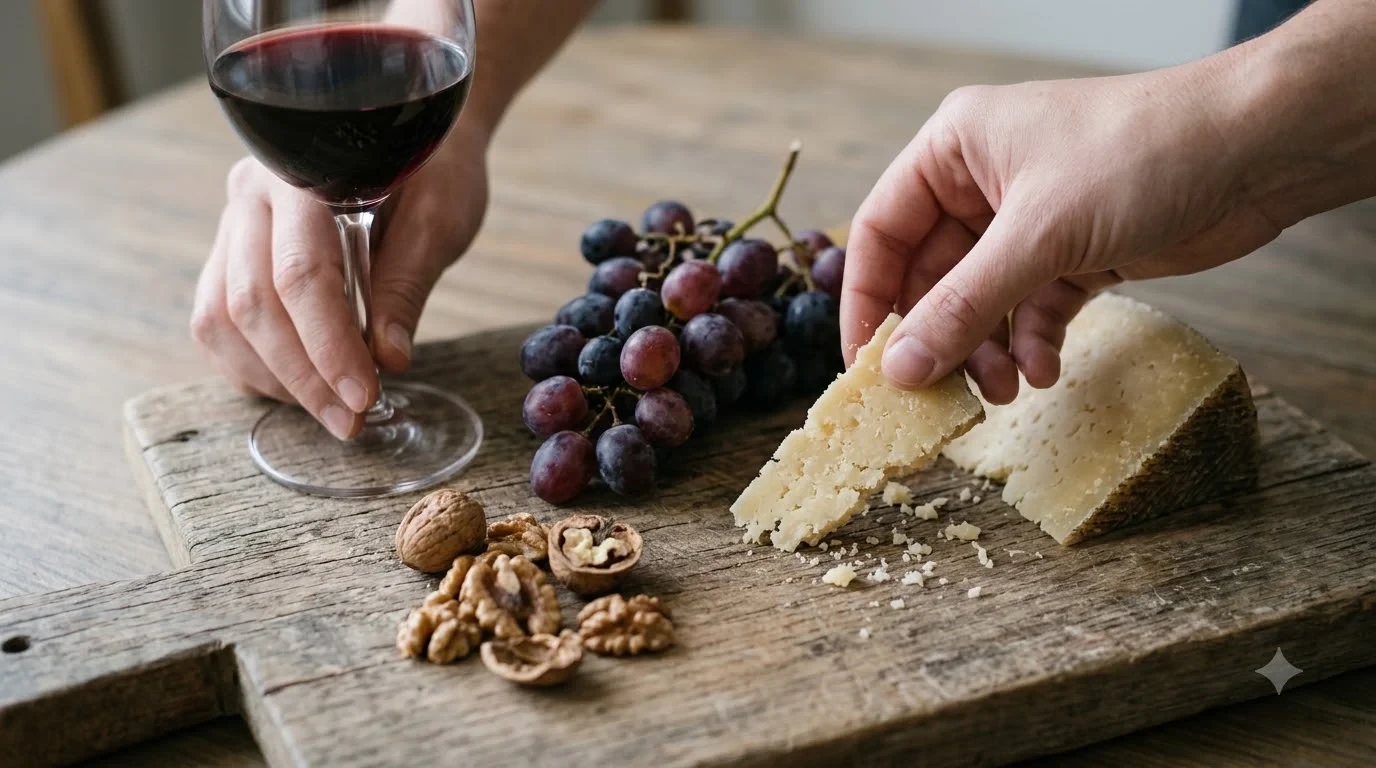
It also suits diners who want a red wine for roasted meat, braised dishes, game, or mature cheese. A bottle can make sense for a dinner party where the meal is substantial and guests have time to enjoy the wine gradually. Its concentrated character is more appropriate for a slow evening meal than for casual drinking alongside delicate seafood or lightly seasoned vegetables.
However, Amarone is not automatically the right purchase for every red-wine drinker. People who prefer light-bodied Pinot Noir, fresh Beaujolais, or low-alcohol reds may find Tommasi too powerful. The 15% ABV also deserves consideration if a lower-alcohol wine is the priority.
Who may prefer another style?
Drinkers who mainly enjoy crisp whites, delicate rosé, or uncomplicated fruit-forward reds might prefer something less concentrated. A bottle of Barefoot wine, for example, represents a different everyday drinking category, with a broader range of accessible styles rather than the extended production and maturation associated with Amarone.
Likewise, someone shopping for a refreshing aperitif may be better served by sparkling wine. La Marca Prosecco is a more natural choice for a light pre-dinner occasion, while Tommasi Amarone is better matched to the main course and a longer dining experience.
Key Factors to Compare Before Buying
The most useful things to evaluate are the grape composition, appassimento method, alcohol level, oak maturation, and balance between fruit, acidity, and tannins. These characteristics explain why Tommasi Amarone tastes richer and more layered than many conventional Italian red wines.
Tommasi’s traditional blend combines four grapes, with Corvina providing the largest share. Corvinone adds another important component, while Rondinella and Oseleta contribute to the overall structure and character. This combination reflects the regional identity of Valpolicella rather than relying on international varieties such as Cabernet Sauvignon or Merlot.
The producer identifies La Groletta and Conca d’Oro as the principal vineyard sources for its Amarone Classico. These hillside sites are located in the historic Valpolicella Classica area. Tommasi associates La Groletta with bold structure and darker spice, while Conca d’Oro is described in terms of finesse, fragrance, and complexity.
The production process is equally important. Selected grapes are harvested by hand, sorted, and dried in a ventilated space. This process reduces the grapes’ water content and concentrates their natural sugars and flavor compounds. The resulting wine has a distinctive intensity that separates Amarone from ordinary Valpolicella red wine.
| Comparison factor | Tommasi Amarone specification | What it means |
|---|---|---|
| Grape varieties | 4 varieties | Traditional regional blend |
| Corvina | 50% | Largest component of the blend |
| Corvinone | 30% | Important structural component |
| Rondinella | 15% | Supporting blending variety |
| Oseleta | 5% | Small but distinctive component |
| Grape drying | About 3 months | Concentrates grape characteristics |
| Fermentation | 25 days | Stainless-steel fermentation |
| Fermentation temperature | 25–30°C | Controlled winemaking temperature |
| Oak maturation | 3 years | Develops complexity and texture |
| Alcohol | 15% ABV | Substantial alcoholic strength |
| Serving temperature | 16–18°C | Allows fruit and structure to show |
| Standard bottle | 750 ml | Approximately 5 standard 5 oz pours |
These specifications are drawn from Tommasi’s 2020 technical information and should be understood as vintage-specific production details rather than a guarantee that every vintage will have precisely identical characteristics. The producer’s official Amarone Classico product information provides additional detail about its vineyards, grape composition, winemaking, and previous vintage recognition.
When comparing bottles, vintage differences deserve attention too. Weather conditions influence grape ripeness, acidity, tannin development, and the final balance. The 2020 technical description emphasizes black fruit, plum, dried cherry, licorice, and cocoa, while the producer’s broader tasting description highlights ripe cherry, black cherry, and wild berries.
Step-by-Step: How to Select and Serve a Bottle
Choosing and serving Tommasi Amarone involves more than identifying the producer’s name. A sensible buying process considers the exact wine designation, vintage, storage history, intended meal, and appropriate serving temperature.
- Identify the correct designation. Look for Amarone della Valpolicella Classico DOCG. This distinguishes the wine from Tommasi’s other red wines, including Valpolicella and Ripasso. The Classico designation is important because it identifies the historic production area associated with this wine.
- Choose a suitable vintage. Consider whether the wine will be opened soon or stored for a future occasion. Different vintages can emphasize different fruit, acidity, and tannin characteristics. The 2020 technical description, for example, highlights black fruits, plums, dried cherries, and cocoa.
- Confirm the bottle format. The producer lists 375 ml, 750 ml, 1.5-liter, 3-liter, and 5-liter formats for the 2020 wine. A 750 ml bottle is the practical standard for a small dinner, while larger formats are more appropriate for bigger gatherings.
- Inspect the storage conditions. Choose a bottle that has been kept away from direct sunlight, excessive heat, and repeated temperature changes. Proper storage helps preserve the wine’s fruit, structure, and aging potential.
- Plan the meal. Choose red meat, game, or mature cheese rather than delicate dishes. Rich preparations such as braised beef and roasted lamb are particularly compatible with the wine’s concentrated fruit and tannins.
- Prepare the bottle at the right temperature. Tommasi’s 2020 technical sheet recommends 16–18°C. If the room is warmer, allow the bottle to cool before pouring rather than serving it excessively warm.
- Open and evaluate the wine. Pour a modest amount into a suitable red-wine glass and allow the aromas to develop. A young, full-bodied red can benefit from 30–60 minutes of decanting, especially if its tannins seem firm when first opened.
- Pour appropriate portions. A standard 750 ml bottle provides approximately five 5 oz servings. Smaller pours are useful for a wine with 15% ABV because they leave room for gradual enjoyment and food.
Tip: Avoid serving Tommasi Amarone straight from a warm room. Aim for approximately 61–64°F, then allow the wine to develop in the glass. This helps preserve its freshness while allowing cherry, plum, spice, and cocoa aromas to become more noticeable.
It is also sensible to plan the opening time around the occasion. A bottle intended for a dinner with several courses can be opened before the main course, giving the wine time to breathe. For an older bottle, however, prolonged aeration is not automatically beneficial. Begin with a small pour and assess its condition before deciding whether to decant further.
Tommasi Amarone Styles and Flavor Characteristics
Tommasi Amarone Classico is a dry, full-bodied red with concentrated fruit, firm structure, and savory complexity. Its defining style comes from dried grapes and extended oak maturation, but the exact expression can vary between vintages.
The fruit profile
Ripe cherry is one of the most recognizable characteristics of Tommasi Amarone. The official tasting description also identifies black cherry and wild berries, while the 2020 technical information adds black fruits, plums, and dried cherries. These flavors give the wine a concentrated profile that can seem richer than that of a conventional red made from freshly harvested grapes.
Expect fruit that leans toward ripe and mature rather than crisp and freshly picked. Dried-fruit characteristics are particularly relevant because the appassimento process concentrates the grapes before fermentation. Depending on the vintage and bottle development, the fruit can be accompanied by hints of spice, earth, or darker savory notes.
Oak, spice, and savory complexity
Three years of maturation in Slavonian oak casks provide an important part of the wine’s structure. Tommasi specifies large casks measuring 35 and 65 hectoliters in its 2020 technical information. These vessels are part of the traditional approach used to mature the wine and allow its components to develop over time.
Licorice and cocoa are specifically identified in the 2020 technical description. Other published descriptions mention balsamic notes, herbs, black pepper, coffee, and earthy characteristics. These secondary flavors create a more layered experience than a red wine dominated solely by sweet-seeming ripe fruit.
Sweetness, acidity, and tannins
One important distinction is that concentrated fruit does not necessarily mean a wine is sweet. Tommasi describes its Amarone Classico as dry. The appassimento process concentrates natural grape sugars, but the finished wine undergoes fermentation and is presented as a dry red rather than a dessert wine.
Acidity is particularly important because it gives the wine freshness. Without sufficient acidity, a wine with concentrated fruit, substantial alcohol, and oak-derived complexity could feel heavy. Tommasi’s 2020 description specifically highlights vibrant acidity alongside velvety tannins.
The tannins provide structure and help the wine work with substantial food. They are not necessarily aggressive, but they remain noticeable in a full-bodied wine of this style. The result is a combination of concentrated fruit, savory complexity, and a persistent finish.
Independent tasting descriptions provide useful additional perspective. Vinous describes the 2020 vintage as combining cherry sauce, dusty sage, cocoa, and red berries, with a structured finish. James Suckling’s description highlights licorice, bark, pine cones, and red pepper, along with firm tannins. These observations reinforce the impression that Tommasi Amarone is not simply a sweet-fruited red.
Common Buying and Serving Mistakes
The most common mistakes with Tommasi Amarone involve confusing fruit concentration with sweetness, serving it too warm, overlooking its alcohol level, and pairing it with foods that do not complement its structure. Avoiding these errors makes the wine considerably more enjoyable.
Assuming Amarone is a sweet wine
Because Amarone grapes are dried before fermentation, many people assume the finished wine must be sweet. That assumption is misleading. Tommasi describes its Amarone Classico as dry, with ripe fruit and a persistent finish. The concentrated fruit can create an impression of sweetness even when the wine itself is not a dessert-style red.
This distinction matters when choosing food. A dry Amarone is generally better alongside savory meat dishes and aged cheese than alongside very sweet desserts. A dessert should not be substantially sweeter than the wine, since excessive sweetness can make a dry red taste harsh or thin.
Serving it too warm
Full-bodied red wine is sometimes served at ordinary room temperature without considering how warm the room actually is. In a heated dining room, that can make a wine with 15% ABV feel particularly alcoholic and heavy. Tommasi recommends 16–18°C for its 2020 vintage, which is cooler than many modern indoor temperatures.
A short period of cooling can help restore balance. Avoid putting the bottle in a freezer for an extended period or serving it so cold that the aromas become difficult to detect.
Pairing it with delicate food
Tommasi Amarone has enough concentration to overpower many subtle dishes. Delicate white fish, lightly dressed salads, and simple vegetable preparations can disappear beside its fruit intensity and alcohol. Oily fish can also be a difficult match for tannic reds.
Instead, choose food with enough flavor and texture to stand alongside the wine. Beef stew, roasted lamb, venison, mushroom-rich preparations, and mature hard cheeses are stronger options. Salt and fat can soften the perception of tannin, making a substantial savory meal especially compatible.
Ignoring alcohol and portion size
A 15% ABV red is considerably more alcoholic than many light-bodied wines. A full 5 oz pour is the conventional serving size, but smaller portions can make sense for a long meal or tasting. A 750 ml bottle contains approximately five standard pours, so planning the number of guests and the other drinks being served helps avoid unnecessary waste.
Expecting every vintage to taste identical
Vintage variation is normal, especially for a wine made through a labor-intensive drying process. Differences in growing-season temperatures, rainfall, and harvest conditions can influence the balance between fruit, acidity, and tannins. The 2020 and 2019 tasting descriptions, for example, illustrate how the wine can show different combinations of savory and fruit-driven characteristics.
Another mistake is assuming that an older vintage will always be superior. Bottle age can develop tertiary aromas and soften some structural elements, but storage conditions are essential. A poorly stored older bottle may be less enjoyable than a younger bottle that has been kept properly.
Storage, Cellaring, and Food Pairing Tips
Tommasi Amarone benefits from careful storage and thoughtful food pairing because its concentration, alcohol, and tannins are substantial. Keep unopened bottles in stable, cool conditions and match the wine with dishes that have enough flavor and richness to complement it.
How to store unopened bottles
For longer storage, keep the bottle in a dark environment near 55°F, away from heating equipment, direct sunlight, and temperature fluctuations. A consistent temperature is more important than repeatedly moving a bottle between warm and cold locations.
Traditional cork-sealed bottles are generally best stored horizontally so the cork remains in contact with the wine. Avoid areas with excessive vibration or strong odors. A dedicated wine refrigerator or properly maintained cellar is more suitable than an ordinary kitchen cabinet for extended storage.
Amarone’s concentration and tannin structure make it a candidate for bottle aging, but that does not mean every bottle should be held indefinitely. Tommasi itself describes the potential for its vintages to develop over time. The actual drinking window depends on the vintage, storage conditions, and the drinker’s preference for primary fruit or more developed aromas.
How long to decant
A young, full-bodied Amarone can benefit from approximately 30–60 minutes of aeration. This gives the wine time to open and can make firm tannins feel more integrated. Start by pouring a small sample, then determine whether additional aeration improves the aromas and texture.
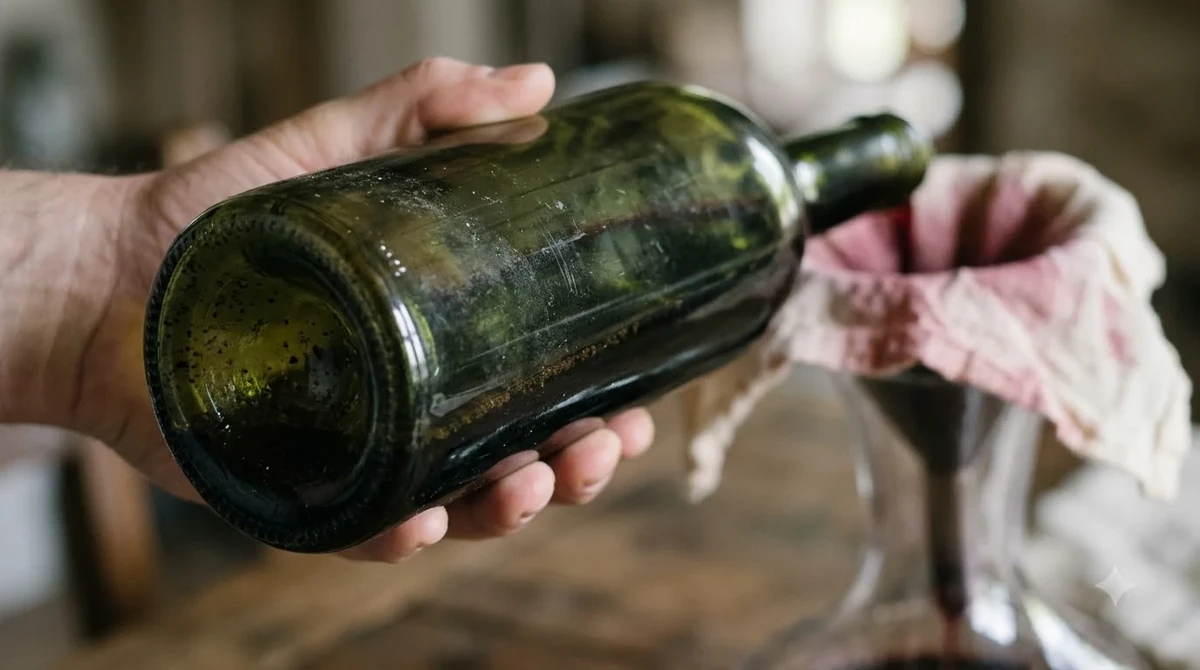
Older bottles deserve a more cautious approach. Extended aeration can sometimes diminish delicate developed aromas. If sediment is present, carefully pouring the wine into a decanter can help separate the liquid from the deposits without unnecessarily exposing the entire bottle to air for a prolonged period.
Food pairings that work especially well
Tommasi’s own recommendations include game, red meat, and mature cheeses. These are sensible starting points because the food has enough flavor to complement the wine’s concentrated fruit, tannins, and savory complexity.
- Braised beef: Slow-cooked beef provides richness and savory depth. Its texture and concentrated cooking juices work naturally with the wine’s black-fruit character.
- Roasted lamb: Rosemary, garlic, and browned meat complement the wine’s ripe cherry and spicy notes.
- Venison: Game meat has enough flavor to stand alongside Amarone’s full body. Mushroom or herb-based sauces can reinforce its earthy character.
- Beef short ribs: The fat and collagen in slow-cooked short ribs soften the perception of tannin and make the pairing particularly satisfying.
- Aged Parmesan: A mature hard cheese offers saltiness and concentrated savory flavor that can balance the wine’s richness.
- Aged Pecorino: The firm texture and savory intensity of aged sheep’s-milk cheese make it a strong companion.
- Mushroom risotto: Earthy mushroom flavors can complement the wine’s savory and balsamic characteristics, although the dish should have enough seasoning and richness.
For a cheese course, avoid relying exclusively on mild fresh cheeses. A mature cheese has more flavor intensity and structure, making it better suited to a substantial red. Similarly, heavily spiced or chili-dominant dishes are less suitable because alcohol and tannin can amplify the perception of heat.
For anyone exploring other Italian wine categories, the Wine Brands section can provide useful context about producers and regional styles. Comparing the production methods of different wines helps explain why Amarone has a distinctive place among Italian reds.
What to do with an opened bottle
Once opened, reseal the bottle and store it in the refrigerator. Still red wines generally keep for approximately three to five days under refrigeration, although the actual result depends on the wine’s age, oxygen exposure, and storage conditions. Before serving again, allow the wine to approach its recommended temperature.
A wine preservation stopper can reduce exposure to air, while a vacuum system may slow oxidation. Neither method completely stops the aging process after opening. If the wine develops an unpleasant vinegary smell, loses its fruit, or tastes noticeably flat, it may no longer be enjoyable.
Frequently Asked Questions
Is Tommasi Amarone suitable for a wine cellar?
Yes, Tommasi Amarone can be a suitable cellar candidate because its concentration, acidity, and tannin structure provide a foundation for development. A properly stored bottle may develop more complex savory and dried-fruit characteristics over time. Cellaring results depend on the vintage and storage conditions rather than the producer name alone.
What is the difference between Amarone and Recioto?
Both wines are associated with dried grapes from the Valpolicella region, but they have different finished styles. Amarone is fermented to produce a dry red wine, whereas Recioto is traditionally made with substantial residual sweetness. Tommasi also produces Recioto della Valpolicella Classico, a separate wine category from its Amarone.
Does Tommasi Amarone contain sulfites?
Commercially produced wines commonly contain sulfites, either naturally formed during fermentation or added during winemaking. The precise sulfite concentration of an individual Tommasi Amarone bottle is not established by the standard technical details discussed here. People who need specific ingredient or allergen information should consult the producer about the particular vintage.
Can Tommasi Amarone be used in cooking?
It can be used in rich preparations such as beef braises, although its concentration makes it a substantial cooking ingredient. Its flavor can become more concentrated as a sauce reduces, so quantities should be controlled. A less expensive dry red may be a more practical choice for recipes that require several cups of wine.
Why is Amarone production more labor-intensive than ordinary red wine?
The appassimento process requires harvested grapes to be selected and dried before fermentation, which adds handling and monitoring compared with conventional fresh-grape winemaking. Tommasi describes drying selected grapes in a ventilated environment, with its Classico production involving approximately three months of drying. The process also reduces the amount of juice available from the original harvest.
Tommasi Amarone della Valpolicella Classico is a compelling choice for drinkers who enjoy concentrated Italian reds with ripe fruit, firm structure, and savory complexity. Its traditional grape blend, extended grape-drying process, and three years of oak maturation create a distinctive wine that works particularly well with substantial meals. Choose a suitable vintage, serve it around 61–64°F, and pair it with red meat, game, or mature cheese to appreciate the balance and character of this Amarone.
More in Wine Brands
 Underwood Wine Price: Compare Bottles, Cans, and Pack SizesUpdated Nov 21, 2026
 Zenato Wine Price: Compare Styles and Choose the Right BottleUpdated Nov 21, 2026
 Zuccardi Wine Price: Compare Bottles and Find the Right RangeUpdated Nov 21, 2026
 Yellow Tail Moscato Review: Taste, Sweetness and Serving TipsUpdated Nov 21, 2026
 Wolf Blass Yellow Label Review: Choose Your Best StyleUpdated Nov 21, 2026
 Wolffer Estate Rose Review: Choose the Right Bottle for Your TableUpdated Nov 21, 2026