

We may earn a commission when you buy through links on this page, at no extra cost to you. Learn more.
The typical Tisdale wine price is approximately $4.99 to $6.49 for a 750 ml bottle at the US retailers reviewed, making the brand an affordable option for everyday wine drinking. Cabernet Sauvignon, Chardonnay, Pinot Grigio, and other familiar varieties give shoppers several choices without moving into premium-wine territory. Actual prices depend on the retailer, location, availability, and local alcohol taxes, so comparing nearby stores can help identify the best value.
Tisdale Vineyards is a California wine brand focused on approachable table wines and familiar grape varieties. Its lineup covers both red and white styles, with options for casual dinners, simple entertaining, and everyday meals. If you are researching the tisdale wine price before purchasing, the important distinction is between the advertised bottle price, the wine style you prefer, and the availability of individual varieties in your state.
Who Should Consider Tisdale Wine?
Tisdale is worth considering for shoppers who want familiar California wine varieties at an accessible retail price. Its lineup includes eight named styles, ranging from structured Cabernet Sauvignon to lighter white wines and sweeter selections.

The brand is particularly relevant to people shopping for an uncomplicated bottle to accompany an ordinary meal. Rather than concentrating on collectible wines, limited-production releases, or expensive vineyard selections, Tisdale offers recognizable grape varieties. Cabernet Sauvignon, Merlot, Pinot Noir, Chardonnay, and Pinot Grigio are familiar names for shoppers who already have an idea of the flavors they enjoy.
Price-conscious buyers are another natural audience. Retail listings reviewed for this guide place several Tisdale 750 ml bottles around the five-to-six-dollar range. That makes the brand relevant for people who want to keep the cost of a casual bottle relatively low. However, availability is not identical everywhere, and a particular retailer may carry only a few varieties rather than the complete collection.
People buying wine for a mixed group can also appreciate the range of styles. A bottle of Cabernet Sauvignon may suit guests who prefer red wine, while Chardonnay and Pinot Grigio provide alternatives for white-wine drinkers. Sweet Red and White Zinfandel offer additional options for people who prefer a less dry profile.
There are some important expectations to set. Tisdale should be approached as an affordable everyday wine rather than a substitute for a premium Napa Valley Cabernet or an elaborate single-vineyard Chardonnay. Its strongest selling point is the combination of familiar varieties, accessible pricing, and straightforward food-pairing possibilities.
Shoppers who prioritize a specific vineyard, vintage reputation, complex aging characteristics, or a prestigious appellation may want to compare more expensive producers. Those priorities are different from simply finding a reasonably priced bottle for dinner.
Key Factors That Affect Tisdale Wine Price
The bottle size, retailer, location, and selected variety all influence what shoppers pay for Tisdale. Comparing these factors is more useful than assuming every bottle from the brand has an identical retail price.
| Comparison factor | What to look for | Why it matters |
|---|---|---|
| Typical bottle size | 750 ml | Provides a consistent comparison between retailers. |
| Retail price examples | About $4.99 to $6.49 | Shows the range across reviewed retail listings. |
| Cabernet Sauvignon | 12% ABV | Producer-published alcohol specification. |
| Chardonnay | 12% ABV | Producer-published alcohol specification. |
| Wine origin | California, USA | Identifies the stated geographic origin. |
| Available styles | Eight named varieties | Allows comparison by grape and sweetness preference. |
| Retail location | Store and state dependent | Local taxes, distribution, and inventory affect availability. |
The most useful starting point is the 750 ml bottle because that is the format shown across several reviewed retail listings. Shore Discount Liquors lists Tisdale Cabernet Sauvignon, Chardonnay, Pinot Grigio, and Pinot Noir at about $4.99 each. Coborn’s Liquor lists its Chardonnay at about $5.49 for a 750 ml bottle. Harris Teeter also carries Tisdale Cabernet Sauvignon, although its displayed price and availability can vary by location. These retailer examples support an approximate US retail range of $4.99 to $6.49 for the bottles reviewed. Prices vary by state and retailer, and these examples should not be interpreted as a guaranteed nationwide price.
Retail availability can be just as important as the advertised amount. A store might list Cabernet Sauvignon and Chardonnay but not carry Pinot Noir or Sweet Red. Another retailer may have a broader selection but charge a different amount. Before making a special trip, check the store’s current inventory and confirm that the bottle is available in your preferred size.
Taxes and local alcohol regulations also affect the final checkout cost. A displayed shelf price may not include every applicable charge, and online ordering can introduce delivery or pickup conditions. For a fair comparison, use the same bottle size, the same wine variety, and the final local purchase cost.
Another factor is the difference between wholesale and retail pricing. The Beverage Journal Maryland distributor listing includes a $4.66 bottle-equivalent figure for several Tisdale varieties in its distributor price schedule. That is useful industry context, but it is not a recommended consumer shelf price. Retailers have their own operating costs, and wholesale figures should not be compared directly with the amount a customer pays at checkout.
For a broader look at the producer and its varieties, the Tisdale wine overview provides useful context before choosing an individual bottle.
Step-by-Step: How to Find the Right Tisdale Bottle
Choosing a Tisdale wine is easier if you start with your preferred color and flavor profile, then compare the available bottles and their local prices. A few simple checks can prevent you from buying a wine that does not suit your meal or personal preferences.
-
Decide between red and white wine.
Start with the type of wine you normally enjoy. If you prefer red wine with dinner, consider Cabernet Sauvignon, Merlot, Pinot Noir, or Shiraz. If you usually choose white wine, look at Chardonnay and Pinot Grigio. Sweet Red and White Zinfandel provide other directions for shoppers who prefer sweeter or fruitier styles.
-
Choose the grape variety that fits your taste.
Cabernet Sauvignon is a familiar choice for people who enjoy fuller red wines with noticeable tannin. Merlot generally offers softer tannins, while Pinot Noir is usually lighter in body with brighter acidity. Chardonnay is a versatile white variety, and Pinot Grigio is generally a useful choice for shoppers seeking a lighter, refreshing style.
-
Read the producer’s flavor description.
Tisdale’s official Cabernet Sauvignon description identifies blackberry, plum, vanilla, and toasted oak. Its Chardonnay description mentions pineapple, citrus, and vanilla oak aromas. These descriptions help establish what to expect before purchasing, although the experience of an individual bottle can vary with vintage and storage conditions. The official Tisdale wine lineup provides the producer’s descriptions of its eight listed varieties.
-
Compare the price of the same bottle size.
Look for 750 ml bottles at more than one retailer. Comparing a Tisdale Cabernet Sauvignon at one store with a Tisdale Chardonnay at another is less useful than comparing the same variety at both locations. The reviewed retail examples range from approximately $4.99 to $6.49 for selected bottles, depending on the retailer and location.
-
Check availability before visiting the store.
Use the retailer’s product page or contact the wine department. A product appearing in an online catalog does not necessarily mean it is available at every location. Some stores offer delivery or pickup only in selected service areas.
-
Match the wine to your meal.
Think about the main ingredients rather than choosing only by bottle color. Cabernet Sauvignon can complement grilled beef and hearty pasta, while Chardonnay can work with grilled fish, salads, and lighter meats. Pinot Grigio is another sensible option for lighter meals.
-
Choose based on the complete purchase cost.
Consider applicable taxes, delivery charges, and minimum-order requirements. A bottle with a slightly higher displayed price may be more convenient if it is available locally without additional delivery costs. For a single bottle, convenience can matter as much as a small price difference.
This process keeps the decision practical. Rather than automatically choosing the cheapest bottle, select the variety you are most likely to enjoy and then compare its price across available stores. A modest difference in cost is not particularly useful if the wine style does not match your preferences.
Tip: Compare the same Tisdale variety in the same 750 ml format at two or three retailers. Check whether the displayed price includes local taxes or delivery charges before deciding which listing represents better value.
Tisdale Wine Types and Styles Explained
Tisdale’s official collection lists eight California wine varieties, including several red and white choices and a blush-style option. Understanding their basic differences helps shoppers select a bottle according to food, body, acidity, and sweetness.
Red wine selections
Cabernet Sauvignon: This is a useful starting point for shoppers who prefer a familiar, medium-bodied red. The producer describes blackberry and plum flavors alongside vanilla and toasted oak aromas. Its published alcohol level is 12%, and the stated residual sugar is 0.9 g/100 ml. The producer recommends serving it with pasta and grilled meats.
Cabernet Sauvignon generally has relatively high tannin. That structure can make it a natural match for grilled beef, burgers, and other rich foods. Salt and fat can soften the perception of tannin, which is one reason a structured red can work well with a fatty steak or aged cheese.
Merlot: Merlot is worth considering if you want a red grape that is generally softer in tannin than Cabernet Sauvignon. Its medium tannin profile makes it approachable with dishes such as roast chicken, burgers, and tomato-based pasta. It can be a practical alternative for someone who enjoys red wine but finds strongly tannic varieties too drying.
Pinot Noir: Pinot Noir is typically lighter in body, with low-to-medium tannin and relatively high acidity. It can be a useful choice with roasted poultry, mushrooms, and salmon. Its lighter structure makes it different from Cabernet Sauvignon even though both are red wines.
Shiraz: Also known as Syrah, this grape generally produces a more concentrated red style, with medium-plus to high tannin. It can complement grilled meats, barbecue, and richly seasoned dishes. People who prefer lighter reds may find it more substantial than Pinot Noir.
Sweet Red: This option is intended for shoppers looking beyond the typical dry red profile. The official lineup confirms that it is part of the collection, but the producer’s general wine listing does not provide a detailed sweetness measurement or complete tasting description. If sweetness is an important purchasing requirement, look for a product-specific description rather than assuming every red blend tastes alike.
White and blush wine selections
Chardonnay: Tisdale’s Chardonnay is described as having pineapple and citrus fruit flavors with vanilla oak aromas. The producer lists 12% ABV and residual sugar of 1.4 g/100 ml. Its recommended food matches include salads, grilled fish, and lighter meats. Chardonnay typically has medium acidity, making it a flexible choice for a range of everyday meals.
Pinot Grigio: This variety is often chosen for its lighter body and refreshing character. It can work with seafood, salads, mild cheeses, and vegetable dishes. Its acidity can help balance food with lemon, vinaigrette, or other bright flavors.
White Zinfandel: White Zinfandel is generally a blush-style wine with a fruit-forward profile and potentially noticeable sweetness. It is a different experience from a traditional dry white wine. It may suit people who prefer softer, fruitier wines with lighter dishes or casual appetizers.
The following comparison summarizes the main choices without assuming that every Tisdale bottle has the same sweetness, body, or structure.
| Tisdale variety | Wine category | General style | Useful food matches |
|---|---|---|---|
| Cabernet Sauvignon | Red | Medium-bodied, higher tannin | Grilled beef, hearty pasta |
| Merlot | Red | Medium body, softer tannin | Burgers, roast chicken |
| Pinot Noir | Red | Lighter body, higher acidity | Poultry, mushrooms, salmon |
| Shiraz | Red | Fuller, more structured | Barbecue, grilled meats |
| Sweet Red | Red blend | Sweeter red style | Foods suited to sweeter wines |
| Chardonnay | White | Medium acidity, fruit and oak notes | Grilled fish, salads |
| Pinot Grigio | White | Lighter, refreshing style | Seafood, vegetables |
| White Zinfandel | Blush | Fruit-forward, often sweeter | Light appetizers, mild cheeses |
For shoppers deciding between red varieties, the Tisdale red wine selection offers a useful starting point. Those who prefer lighter or fruitier white styles can compare the Tisdale white wine options instead.
Common Mistakes When Comparing Tisdale Prices
The most common buying mistakes involve comparing different bottle sizes, assuming every variety costs the same, and confusing wholesale figures with retail prices. Understanding these distinctions makes it easier to assess whether a Tisdale bottle is reasonably priced.
Comparing different bottle sizes: A 750 ml bottle should not be compared directly with a larger format based only on the total shelf price. Calculate the cost per milliliter if you encounter different formats. The official Tisdale lineup identifies varieties, while several of the retailer listings reviewed specifically show 750 ml bottles. That makes the standard bottle a useful reference for most shoppers.
Assuming all varieties have identical prices: A brand may have a consistent budget position without maintaining one universal price across every wine. Cabernet Sauvignon, Chardonnay, Pinot Grigio, and Pinot Noir can appear at different prices depending on the store’s inventory and purchasing arrangements. The reviewed examples also show that different retailers can advertise different prices for Tisdale wines.
Treating a distributor listing as a consumer price: Distributor price schedules provide information about wholesale supply and bottle-equivalent pricing. They do not automatically represent the price available to an individual shopper. Retail expenses, taxes, and local market conditions influence the final shelf price.
Choosing only by the lowest advertised amount: A low-priced bottle is not necessarily the right purchase if you prefer a different wine style. Someone who enjoys light, acidic white wines may not be satisfied with a tannic Cabernet Sauvignon simply because it is available at a similar cost. Choose the grape and style first, then compare prices.
Ignoring sweetness: Red wine does not always mean dry wine, and white wine does not always mean sweet wine. Tisdale’s collection includes Sweet Red and White Zinfandel alongside familiar varietal wines. People who strongly prefer dry wines should distinguish these options before buying.
Assuming a listed product is in stock: Online product pages can remain visible even when a local store has limited inventory. Check pickup availability, delivery coverage, and the specific store location before relying on a listing. This is particularly important if you are buying several bottles for an event.
Expecting premium-wine characteristics at a budget price: An inexpensive California table wine serves a different purpose from a high-end vineyard-designated bottle. Tisdale’s appeal is accessibility and familiar varietal character. Shoppers looking for long cellaring potential or complex regional expression should compare other categories rather than judging the brand against a completely different market segment.
Care, Serving, and Storage Tips
Correct serving temperature and sensible storage help preserve the enjoyment of an affordable wine. Even a budget-friendly bottle benefits from careful handling, especially after opening.
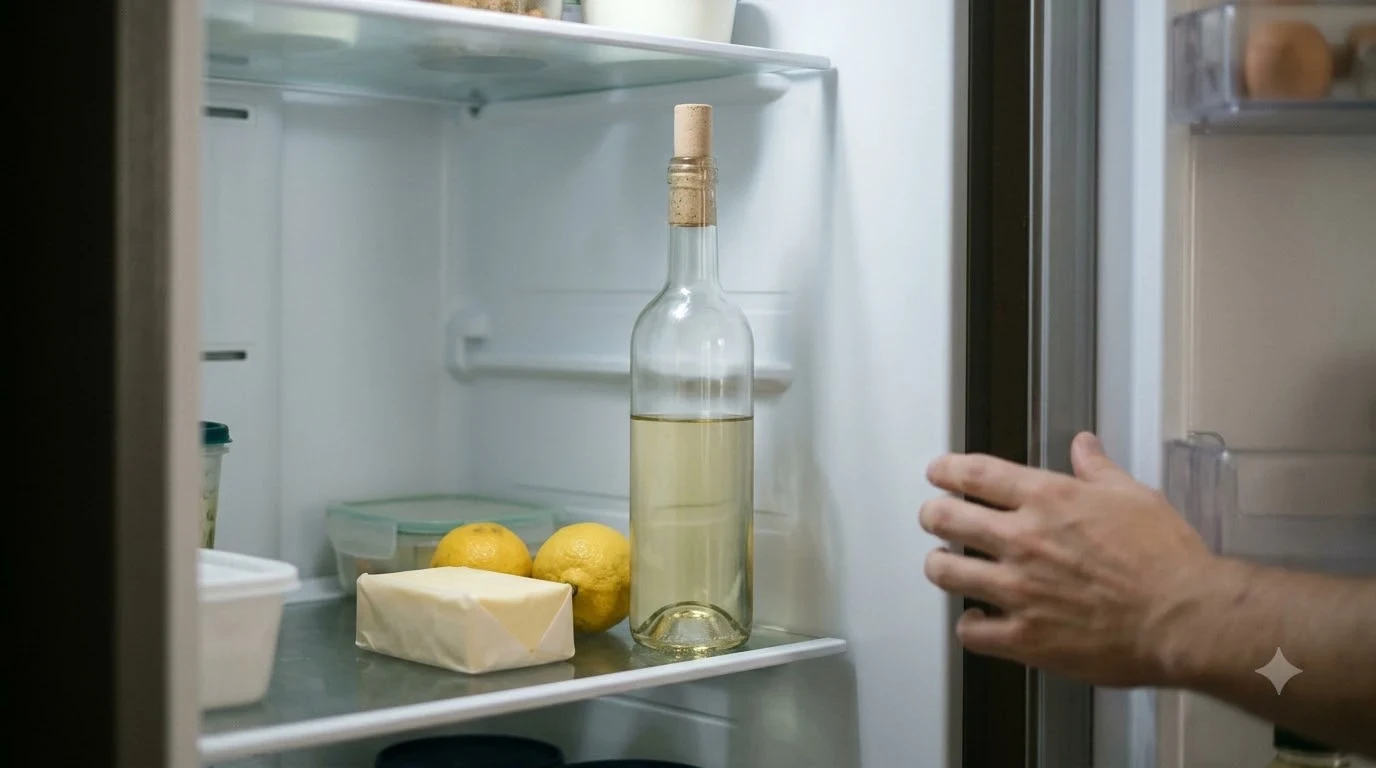
For Tisdale Chardonnay and Pinot Grigio, a serving temperature around 45 to 50 degrees Fahrenheit is a useful starting point for lighter white wines. If Chardonnay is served too warm, its alcohol can become more noticeable and the wine may seem less refreshing. A brief period in the refrigerator before serving generally makes a meaningful difference.
For red wines, serving temperature depends on the style. Lighter Pinot Noir is generally best around 55 to 60 degrees Fahrenheit, while fuller red styles such as Cabernet Sauvignon and Shiraz are usually more comfortable around 60 to 65 degrees Fahrenheit. A room that feels warm by modern household standards can make red wine taste hotter than intended, so a short chill can help.
Use a standard 5 oz pour when serving wine. A 750 ml bottle contains approximately five such servings, which makes it easy to estimate quantities for a small dinner. For example, four guests having one glass each will use about 20 oz, leaving some wine in the bottle.
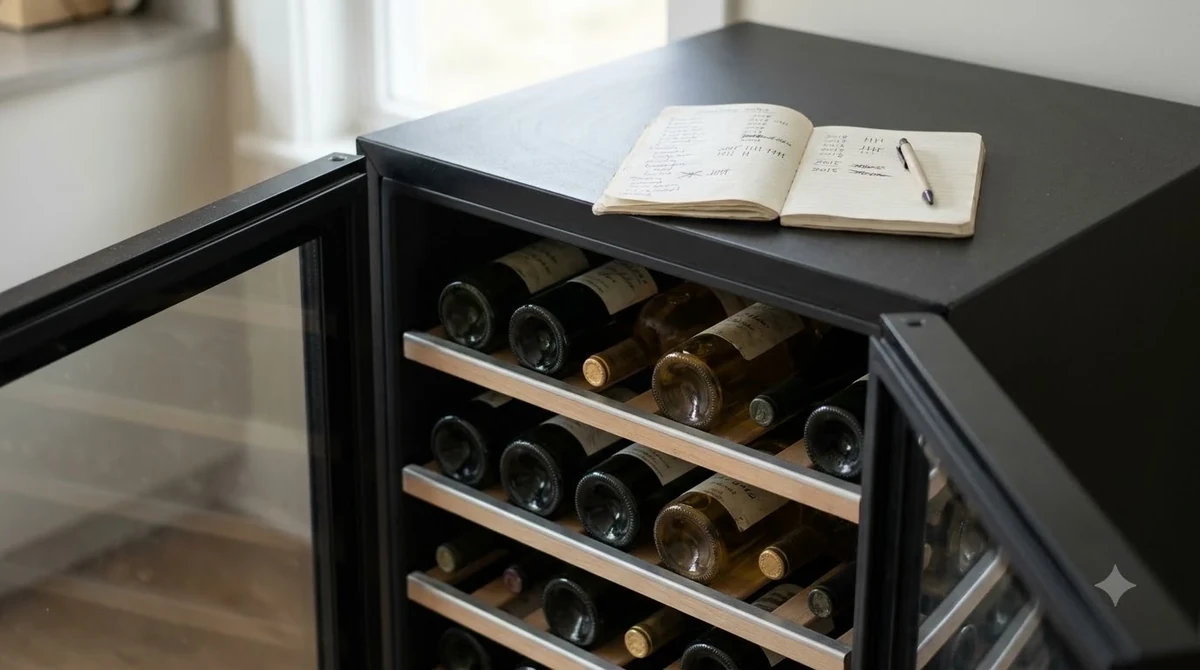
Storage is another consideration. Keep unopened bottles away from direct sunlight, excessive heat, and large temperature changes. A cool location near 55 degrees Fahrenheit is a useful general target for longer storage. Bottles with traditional cork closures are commonly stored on their sides to keep the cork from drying out. Screw-cap bottles do not require sideways storage for cork maintenance, although a cool, stable environment remains important.
Once opened, still wines generally remain in reasonable drinking condition for approximately three to five days when refrigerated and properly resealed. The exact period depends on the wine, oxygen exposure, and storage conditions. Keep the bottle tightly closed between servings, and avoid leaving it open on a warm kitchen counter for extended periods.
There is generally little reason to decant an inexpensive everyday Tisdale bottle for a long period. If a young Cabernet Sauvignon or Shiraz seems especially concentrated, allowing it to breathe briefly in a glass may help. A long decant is not a requirement for enjoying these wines.
Food pairing should also influence serving decisions. Tisdale Cabernet Sauvignon can accompany grilled beef and hearty pasta, while its Chardonnay is specifically recommended with grilled fish and lighter meats. For acidic dishes, choose a wine with comparable or higher acidity. Sweet dishes generally need wine at least as sweet as the food, or the wine may taste noticeably sour by comparison.
Finally, avoid pairing strongly tannic red wines with delicate oily fish. Salt and fat can soften tannin, making richer meats and savory foods more suitable partners for structured reds. If a meal contains substantial chili heat, wines with high alcohol and tannin can make the heat seem more pronounced, so a softer or fruitier style may be preferable.
For readers exploring other producers and everyday wine options, the Wine Brands section offers additional brand information and comparisons.
Frequently Asked Questions
Is Tisdale wine considered a California wine?
Yes. Tisdale identifies its wines as California table wine and lists Modesto, California, as its location. Its official variety descriptions also use California as the stated wine origin. This is a useful distinction for shoppers looking for an American wine rather than an imported bottle.
What is the alcohol content of Tisdale wine?
The producer lists both its Cabernet Sauvignon and Chardonnay at 12% alcohol by volume. This figure should not automatically be applied to every other Tisdale variety. Different wines in the collection may have different specifications, so consult the individual product information when alcohol content is an important comparison.
Does Tisdale wine come with a screw cap?
Harris Teeter identifies an easy-open screw-top closure for its listed Tisdale Cabernet Sauvignon. Closure information can be useful when choosing wine for picnics, casual gatherings, or situations where a corkscrew is inconvenient. Packaging may vary between products and retail listings.
Can Tisdale wine be used for cooking?
Dry Tisdale Cabernet Sauvignon can be considered for beef-based sauces, braised dishes, and tomato-rich pasta preparations. Chardonnay may suit some cream-based or lighter sauces. Use a wine style that complements the recipe, and avoid using a sweet variety in a savory recipe unless its sweetness is specifically intended.
How many glasses can you pour from a Tisdale bottle?
A standard 750 ml wine bottle holds approximately 25.4 fluid ounces. At a conventional 5 oz serving, that works out to roughly five glasses. Actual serving counts depend on the size of each pour, so a bottle may provide more servings when smaller tasting portions are used.
Tisdale offers a practical selection of familiar California wines for shoppers who want approachable styles and accessible everyday pricing. The most useful way to compare the Tisdale wine price is to choose your preferred variety, compare the same 750 ml bottle across local retailers, and consider the final checkout cost. Whether you choose Cabernet Sauvignon, Chardonnay, Pinot Grigio, or another variety, matching the wine to your taste and meal is more important than choosing solely by the lowest advertised price.
More in Wine Brands
 Louis Latour Wine Price: Compare Bottles by Style and TierUpdated Nov 20, 2026
 Yellow Tail Moscato Price: What to Expect Before You BuyUpdated Nov 20, 2026
 Sutter Home Sweet Red Review: Find the Right Food PairingsUpdated Nov 20, 2026
 Franzia Chillable Red Review: Find the Right Serving StyleUpdated Nov 20, 2026
 Veuve Clicquot Rose Review: Flavor, Food Pairings and Buying AdviceUpdated Nov 20, 2026
 Rombauer Wine Price: Compare Bottles Before You BuyUpdated Nov 20, 2026