

We may earn a commission when you buy through links on this page, at no extra cost to you. Learn more.
Texas Hill Country wineries are concentrated in a large central Texas appellation, and the region holds around 100 wineries and vineyards spread across small towns, rolling hills and wine trails. Most visitors plan a trip around a few towns, book tastings ahead of weekends and focus on wineries that make the region’s best-known styles. The area is an easy day trip for some people and a full weekend for others.
Visiting a winery is one of the best ways to understand a region’s wine, because you taste the bottles where they are made and often meet the people who make them. This guide explains what the Hill Country’s wineries are like, how the landscape shapes the tasting experience, what styles you will see, and how to plan a visit that suits your interests.
What Makes the Hill Country a Winery Destination
The Texas Hill Country is an American Viticultural Area, a legal growing region approved in 1991. The appellation is very large, but the planted vineyard area is much smaller, and that combination shapes the visitor experience. Many wineries are family-run or small operations, and some sit on working ranches with long views over the hills. According to the Texas Hill Country AVA entry, the region has roughly 100 wineries and vineyards, which is enough for a full trip without ever feeling crowded.
The distance between wineries can be longer than visitors expect, since the towns are spread out along country roads. Plan fewer stops than you think you can manage. Two or three well-chosen wineries in a day usually gives a better experience than a long list that leaves no time to sit and taste.
The Towns and Wine Trails to Know
Most Hill Country wine activity centers on a few towns with a historic character and an easy walk between tasting rooms. Fredericksburg is the best known, and it is a practical base for many visitors because it has a wide range of lodging and restaurants. Johnson City and the surrounding small towns offer a quieter pace and are often a good choice for people who want a slower trip with fewer crowds.
Wine trails connect the wineries in each area, and many trails publish maps or suggested routes. Treat the map as a rough plan rather than a schedule. Roads in the region are rural, with few shoulders and sometimes long stretches between services, so keep the driving simple and allow extra time for each tasting.
| Type of visit | What to expect |
|---|---|
| Tasting room | Short tastings of several wines, often with a staff member explaining each style |
| Vineyard or ranch stop | Views across rows of vines and sometimes a tour of the production area |
| Wine trail day | Two to four stops, with time for meals and breaks between tastings |
| Weekend trip | Overnight stay in a base town, with one or two wineries per day |
What Styles to Expect at a Hill Country Winery
Hill Country wineries make a wide range of styles, and the best way to learn them is to taste across the menu rather than sticking to one bottle. Many producers offer red blends built around Bordeaux varieties alongside Mediterranean reds such as Tempranillo and Sangiovese. White wines and rosés are common too, and some wineries make a lighter, fruit-forward style that suits warm afternoons on a patio.
Because many wineries grow their own grapes or source from nearby vineyards, the wines often taste distinct from one producer to the next. Ask which wines come from estate fruit and which are made from purchased grapes, since that information shows how closely the winery controls its own quality. The answer also tells you which bottles best reflect the local landscape.
Tasting Flights and Reserves
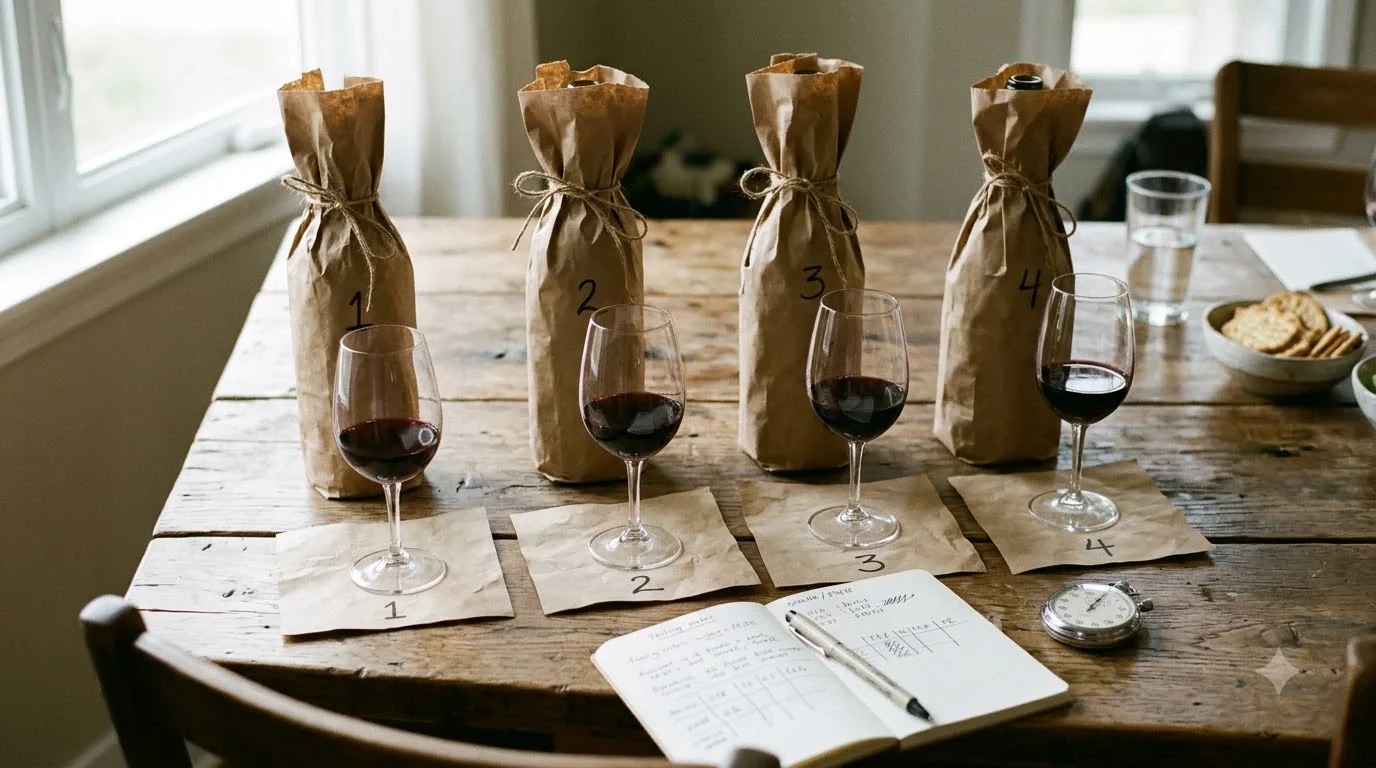
Most tasting rooms offer a flight of several small pours, and many also list a reserve or limited release at a higher price. A flight is a good way to compare styles. A reserve is often more structured and meant for aging, so it may taste tight when young. Tell the staff what you like and they can usually point you to a bottle that matches.
How to Plan Your Tasting Day
Good planning makes the difference between a relaxed visit and a rushed one. Check opening hours before you leave, because some wineries close early or on certain weekdays. Reservations are useful for weekend afternoons and for smaller producers with limited seating. Many wineries also host events such as live music or food pairings, which can be worth scheduling around.
Eat a real meal during the day, and drink water between tastings. Hill Country heat can be strong in the warmer months, and a few tastings can add up quickly. Designate a driver or book a tour service, and leave the trip early enough to get home before dark on rural roads. Responsible planning is part of enjoying the trip.
Tip: Spit at a tasting if you plan to drive afterward, and keep a bottle of water nearby. You will taste more clearly across the whole visit.
How to Choose Which Wineries to Visit
Start with what you already like. If you enjoy bold reds, look for wineries that focus on Bordeaux-style blends and Tempranillo. If you prefer something lighter, search for producers with a strong white or rosé program. Many wineries describe their style on their websites, and their own descriptions are a fair starting point, though they should be checked against tasting notes from independent reviewers.
Think about the experience you want as well. A large winery with a restaurant and event space suits a group outing, while a small estate with a single tasting room may be better for a quiet conversation with the winemaker. For a broader look at the state’s wine history and where this region fits, the Wine Regions section of this site gives useful context, and the hill country wine guide explains the styles in more detail.
Tasting Room Etiquette and Buying Bottles
Tasting rooms in the Hill Country are generally casual, but a few habits make the visit smoother for everyone. Arrive with a rough idea of what you want to try, and say so when you have had enough. Staff members often pour generously, and it is perfectly fine to ask for a smaller taste or to skip a wine that does not appeal to you. Many visitors leave a small gratuity when a staff member has spent time explaining the wines, though it is not always expected at a tasting bar.
Buying bottles is a separate question. Some wineries sell only through the tasting room, while others ship within their home state or offer a wine club. Check the shipping rules before you buy, since a bottle you cannot take on a flight may still be shippable later. Ask the staff which wines are sold only at the estate, because those releases are often the most distinctive and the ones you will not find on a store shelf.
It also helps to taste with intent. Compare two wines from the same winery side by side, one light and one more structured. The contrast tells you more about the producer’s style than a long list of unrelated bottles, and it gives you a clear reason to return on a future trip.
Frequently Asked Questions
How many wineries are in the Texas Hill Country?
Reference sources describe roughly 100 wineries and vineyards in the Texas Hill Country American Viticultural Area. Numbers change as new wineries open and others close, so check a current wine trail map before planning.
How many wineries should I visit in one day?
Two or three is a comfortable number for most people. Roads between towns can be long, and each tasting takes time. Fewer stops with more time to talk to staff usually makes for a better day.
Do I need reservations to visit Hill Country wineries?
Reservations are not always required, but they are recommended for weekends and for smaller wineries with limited seating. Check each winery’s website, since policies differ.
Which town is best as a base for a wine trip?
Fredericksburg is the most common base because it offers many lodging and dining options within easy reach of several wineries. Johnson City and nearby small towns are quieter choices for a slower visit.
A Hill Country wine trip rewards planning and patience. Pick a base town, choose two or three wineries that match your taste, and leave time to talk with the people pouring the wine. For a deeper look at the wines themselves, read the Texas Hill Country wine guide before you go.
More in Wine Regions
 Willcox Wine Trail: Discover Arizona’s High-Elevation Wine CountryUpdated Nov 20, 2026
 Yakima Valley Wine Region: Find the Best Styles to TryUpdated Nov 20, 2026
 Vosne Romanee Wine Tasting: Identify Aromas and Choose Better PairingsUpdated Nov 20, 2026
 Yakima Valley Wine Festival: Find the Best Seasonal Wine EventsUpdated Nov 20, 2026
 Wales Vineyards: Discover Cool-Climate Wines and Where to VisitUpdated Nov 20, 2026
 Yountville Wine Festival: Discover Napa Wines and Local FoodUpdated Nov 20, 2026