

We may earn a commission when you buy through links on this page, at no extra cost to you. Learn more.
The typical tempranillo alcohol content ranges from 13.5% to 15% ABV (alcohol by volume), placing it comfortably in the medium-to-high strength category for dry red table wines. Younger, fruit-forward styles from cooler growing zones often sit closer to 13% or 13.5% ABV, whereas oak-aged bottles from warmer Spanish regions or California regularly reach 14.5% to 15.5% ABV. Despite that full-bodied warmth, Tempranillo rarely tastes syrupy because its naturally firm tannins and savory acidity keep the alcohol balanced.
Understanding how alcohol develops in Tempranillo makes it much easier to pick a bottle that matches your dinner table or palate. Because winemakers produce this grape across dramatically different climates and aging tiers—from unoaked young reds to five-year-aged Gran Reservas—the number printed on the label tells you a great deal about the wine’s weight, warmth, and oak influence before you even pull the cork.
What It Is and Why Its ABV Varies
Tempranillo is Spain’s signature black-skinned wine grape, named after the Spanish word temprano (“early”) because it ripens weeks earlier than neighboring varieties like Garnacha. While most dry table bottles fall between 13.5% and 15% ABV, alcohol levels fluctuate based on vineyard sunshine, elevation, and winemaking choices.
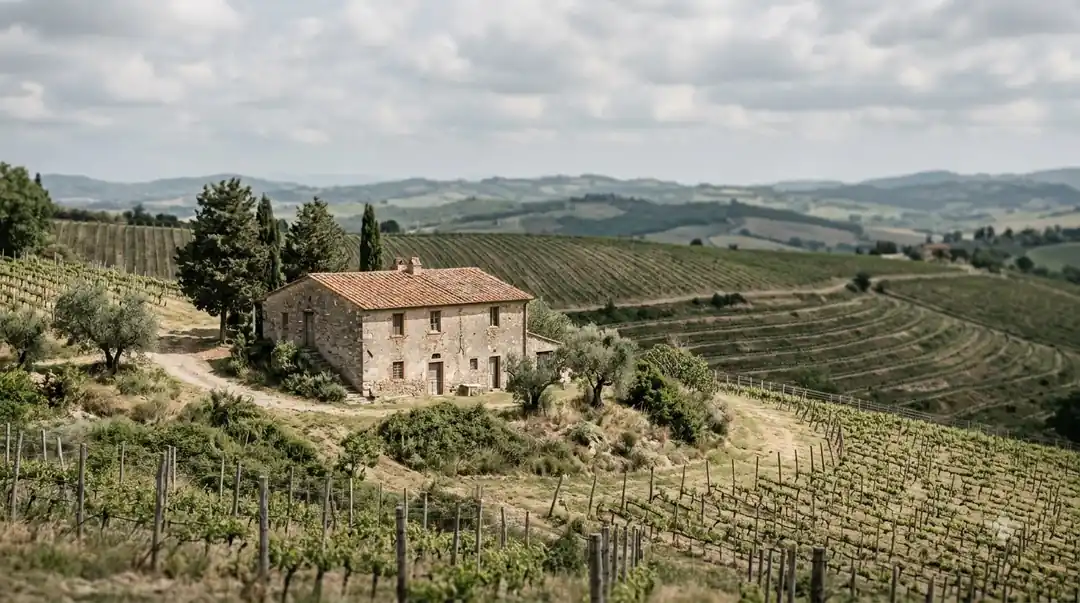
Alcohol in any dry wine is a direct byproduct of grape sugar at harvest. During fermentation, yeast converts natural grape sugars into ethanol and carbon dioxide; the riper and sweeter the berries are when picked, the higher the finished alcohol by volume. Because Tempranillo ripens early, warm-climate growers can easily achieve high sugar accumulation without waiting late into autumn, resulting in generous, warming red wines.
Climate and altitude act as the primary brakes on that sugar buildup. In high-elevation Spanish vineyards where cool nighttime temperatures slow down ripening, Tempranillo retains brisk acidity and finishes around 13% to 13.5% ABV. Conversely, lower-lying, sun-drenched vineyards produce lusher fruit with higher sugar levels, pushing fermentation closer to 14.5% or 15% ABV. You can see how this fits into the broader spectrum of Wine by Type, where dry reds generally sit well above crisp whites yet far below fortified styles.
Blending also shifts the final percentage on the bottle. In regions like Rioja, winemakers frequently blend Tempranillo with smaller amounts of Garnacha (which adds body and alcohol) or Graciano and Mazuelo (which contribute bright acidity and color while keeping alcohol in check). Additionally, under U.S. labeling regulations, table wines at or below 14% ABV are allowed a 1.5 percentage point tolerance on the label, while wines above 14% are permitted a 1 percentage point margin, meaning two bottles labeled 14% can feel slightly different in the glass.
Flavor Profile and Aging Styles
Tempranillo is prized for a savory-meets-fruit profile featuring red cherry, dried fig, leather, tobacco, and warm baking spices, with its alcohol warmth shifting noticeably across Spanish aging tiers. Lighter, unoaked styles feel crisp and juicy, while extended barrel aging builds a richer, fuller-bodied mouthfeel.
According to Wine Folly’s comprehensive Tempranillo guide, the grape naturally exhibits medium-full body, medium-high tannins, and medium-high acidity, which together frame its 13.5% to 15% ABV without letting the wine feel flabby. In its youth, Tempranillo bursts with fresh strawberry, red cherry, and plum notes. As it spends time in American or French oak barrels, those primary fruit flavors evolve into complex layers of vanilla, coconut, dill, cedar, and sweet tobacco.
Spain’s strict aging classifications offer reliable clues to both flavor and alcohol impression, especially in Rioja and Ribera del Duero:
- Genérico (or Joven): Released in its first or second year with little to no oak aging. These wines prioritize bright red fruit, lively acidity, and a slightly lighter 13% to 13.5% ABV profile.
- Crianza: Red Crianza wines require at least 24 months of total aging, including a minimum of 12 months in oak barrels in Rioja and Ribera del Duero (6 months in other Spanish zones). They balance fresh cherry fruit with subtle vanilla spice and sit around 13.5% to 14% ABV.
- Reserva: Aged for at least 36 months total, with a minimum of 12 months in oak and 6 months in bottle. Winemakers select riper, concentrated fruit for Reserva bottlings, typically yielding 14% to 14.5% ABV alongside softer tannins and leathery complexity.
- Gran Reserva: Produced only in top vintages and aged for at least 60 months total, including 24 months in oak barrels and 24 months in bottle. Extended slow oxidation polishes the tannins so that even a 14.5% ABV Gran Reserva feels silky and harmonious rather than hot.
| Tempranillo Style or Region | Typical ABV Range | Body & Tannin Profile | Key Tasting Notes |
|---|---|---|---|
| Rioja Joven / Genérico | 13.0% – 13.5% | Medium body, moderate tannins | Fresh red cherry, strawberry, crushed herbs |
| Rioja Crianza | 13.5% – 14.0% | Medium-full body, medium-high tannins | Red plum, vanilla, mild cedar, savory spice |
| Rioja Reserva & Gran Reserva | 13.5% – 14.5% | Full body, polished firm tannins | Dried fig, leather, tobacco, dill, clove |
| Ribera del Duero & Toro | 14.0% – 15.0% | Full body, grippy high tannins | Blackberry, black cherry, cocoa, espresso |
| New World (Paso Robles / Argentina) | 14.5% – 15.5% | Full body, lush ripe tannins | Jammy dark berry, mocha, sweet oak |
Where It Grows and Regional Strength Differences
Over 80% of the world’s Tempranillo vineyards are planted in Spain, though regional microclimates create major differences in alcohol strength and density. Cooler northern zones produce leaner, structured reds, while hotter interior valleys yield dark, high-ABV powerhouses.
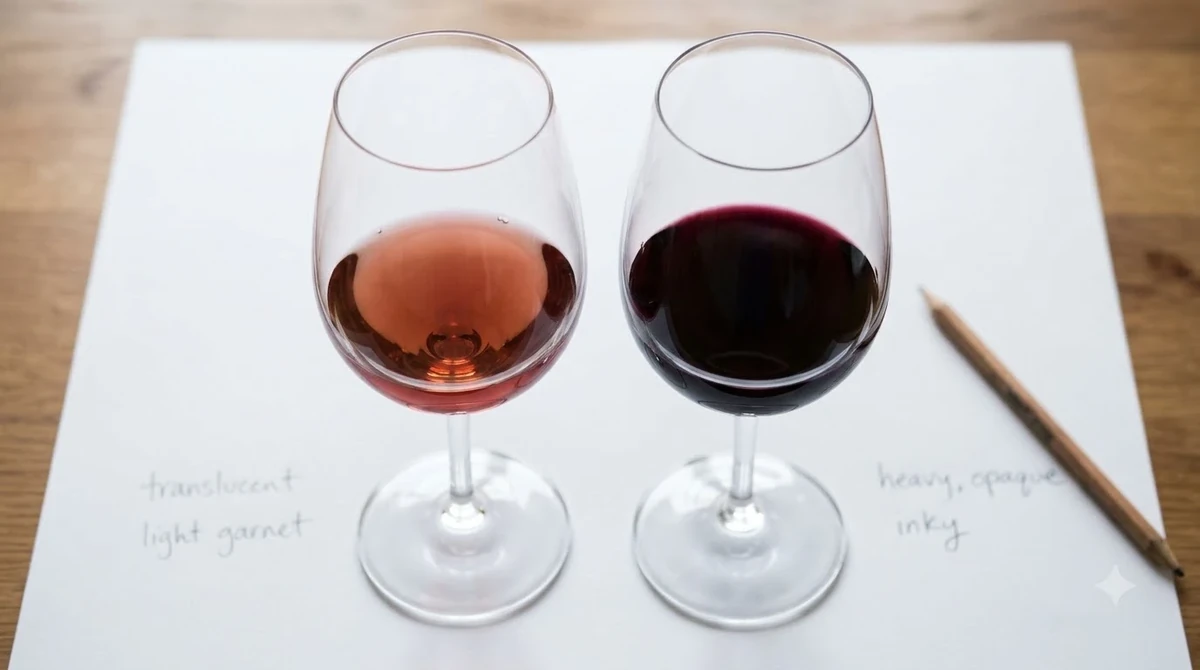
In northern Spain’s Rioja appellation, Atlantic breezes and high-altitude sub-zones like Rioja Alta and Rioja Alavesa moderate summer heat, keeping many classic bottlings around 13.5% to 14% ABV. Moving south and west along the Duero River into Ribera del Duero—where the grape is known locally as Tinto Fino or Tinto del País—extreme continental swings between scorching days and chilly nights concentrate the berries. Wine Enthusiast notes that Tempranillo from Ribera del Duero and neighboring Toro (where it is called Tinta de Toro) is darker, more tannic, and noticeably more powerful than most Rioja, frequently reaching 14.5% to 15% ABV.
Outside Spain, Tempranillo goes by different names and adopts distinct alcohol profiles. In Portugal’s Douro Valley and Alentejo region, it is called Tinta Roriz or Aragonês. In Douro, it serves as one of the principal grapes in fortified Port wines—which are spiked with neutral grape spirit to reach 19% to 20% ABV, a sharp contrast to dry table wine as detailed in our guide to tawny port alcohol content. Meanwhile, warm New World wine regions such as Paso Robles in California and Mendoza in Argentina produce rich, sun-ripened single-varietal Tempranillo bottlings that regularly test between 14.5% and 15.5% ABV.
How to Serve Tempranillo for Best Balance
Serve Tempranillo slightly below room temperature, between 55°F and 68°F (13°C to 20°C), depending on the bottle’s alcohol level and age. A brief chill keeps higher-ABV bottles tasting fresh rather than alcoholic.
Temperature has a dramatic impact on how you perceive ethanol in red wine. When a 14.5% or 15% ABV Tempranillo is served at a warm 72°F living-room temperature, alcohol evaporates rapidly from the surface of the glass, creating a sharp, peppery burn on the nose and finish. Placing the bottle in the refrigerator for 20 to 30 minutes before opening brings it down to roughly 60°F, tightening up the fruit flavors and muting any alcoholic heat.
Decanting is equally helpful for structured, higher-alcohol bottles. Younger Crianza, Ribera del Duero, and Toro wines benefit from 30 to 60 minutes in a decanter to soften their firm tannins and blow off tight reductive aromas. Older Rioja Gran Reservas, by contrast, only need 20 to 30 minutes of gentle aeration so you do not dissipate their delicate dried-fruit and leather aromatics. Because a standard 5-ounce pour of 14.5% ABV wine delivers roughly 1.2 U.S. standard drinks, pouring slightly smaller 4-ounce servings lets you pace a meal comfortably.
Tip: If a full-bodied Ribera del Duero or California Tempranillo tastes overly warm or heavy on the first sip, chill the bottle in an ice bucket for 10 minutes—dropping the temperature by just 5 degrees instantly sharpens its acidity.
Food Pairing with Medium-to-High ABV Tempranillo
Tempranillo’s combination of 13.5% to 15% ABV, savory earthiness, and firm tannins makes it a natural partner for rich, protein-heavy, and smoky dishes. Protein and fat coat the palate and tame both the wine’s astringent tannins and its warming alcohol.
Match the weight of the dish to the bottle’s alcohol and oak tier so neither overwhelms the other. Lighter, 13.5% ABV Rioja Joven or Crianza styles shine alongside casual Spanish tapas, cured jamón ibérico, chorizo, roasted chicken, and tomato-based pastas, where the wine’s brisk acidity cuts through salt and grease. Stepping up to a 14% to 15% ABV Reserva, Gran Reserva, or Ribera del Duero calls for heartier fare such as grilled lamb chops, ribeye steak, braised short ribs, mushroom risotto, or aged sheep’s milk cheeses like Manchego.
One pairing pitfall to watch for is intense chili heat. High-ABV red wines amplify the burning sensation of capsaicin in spicy peppers. If you are serving spicy dishes, stick to a lower-alcohol, unoaked Joven bottling served at the cooler end of the 55°F to 60°F range, or save rich oak-aged Tempranillo for smoky paprika-seasoned meats instead of fiery chilies.
How to Choose a Bottle by Alcohol Level
Checking three details on the front and back label—region, aging tier, and stated ABV—allows you to predict how light or muscular a Tempranillo will taste before buying.
Start with the region if you have a clear preference for weight and warmth. Reach for Rioja Alta or Rioja Alavesa when you want an aromatic, medium-bodied red around 13.5% to 14% ABV with bright cherry fruit and elegant acidity. Choose Ribera del Duero, Toro, or Paso Robles when you want a dark, full-bodied red at 14.5% to 15% ABV packed with blackberry fruit, mocha, and chewy tannins.
Next, use the aging statement to decide between fresh fruit and savory complexity. Crianza offers vibrant fruit and subtle oak at an approachable strength, making it versatile for weeknight dinners. Reserva and Gran Reserva deliver deeper tertiary notes of leather, cedar, and dried fig with integrated alcohol for special meals. Finally, glance at the fine print on the back label—usually listed as “Alc. 14% by Vol.”—to confirm whether the vintage leaned cool and brisk or warm and plush.
Frequently Asked Questions
Is Tempranillo considered a high-alcohol wine?
Tempranillo sits in the medium-to-high alcohol range for dry red table wines, typically measuring between 13.5% and 15% ABV. Bottles from cooler northern Spanish regions like Rioja often land around 13.5% to 14% ABV, while riper expressions from Ribera del Duero, Toro, or California can reach 14.5% to 15.5% ABV.
Does Rioja have less alcohol than Ribera del Duero?
In general, yes. Rioja benefits from cooling Atlantic air currents and higher-elevation sub-zones that keep many reds between 13.5% and 14% ABV, whereas Ribera del Duero’s hotter daytime temperatures and concentrated Tinto Fino grapes regularly produce fuller-bodied wines between 14% and 15% ABV.
How does Tempranillo alcohol content compare to Cabernet Sauvignon or Merlot?
Tempranillo’s 13.5% to 15% ABV range closely mirrors that of Cabernet Sauvignon and Merlot. Cool-climate Rioja feels comparable in weight and alcohol to classic Bordeaux blends (13% to 14% ABV), while warm-climate Ribera del Duero or California Tempranillo matches the richness of Napa Valley Cabernet (14.5% to 15.5% ABV).
How many calories and carbs are in a glass of Tempranillo?
A standard 5-ounce pour of dry Tempranillo at 13.5% to 14.5% ABV contains roughly 113 to 125 calories and about 3 to 4 grams of carbohydrates. Because almost all grape sugar is fermented into alcohol, nearly all of those calories come from ethanol rather than residual sugar—unlike sweeter specialty bottles covered in our guides to ice wine alcohol content and marsala alcohol content.
Whether you prefer a bright, 13.5% ABV Rioja Crianza for weeknight tapas or a bold, 14.5% ABV Ribera del Duero alongside grilled lamb, Tempranillo’s balance of acidity and tannin keeps its warmth remarkably food-friendly. Checking the region, aging tier, and ABV on the label ensures you bring home the exact style your meal calls for.
More in Wine Types & Grapes
 What Does Mourvèdre Taste Like? Flavor Profile, Regions, and PairingsUpdated Nov 20, 2026
 What Does Marsanne Taste Like? Flavors, Styles, and Food PairingsUpdated Nov 20, 2026
 What Does Malvasia Taste Like? Styles, Flavors, and Food PairingsUpdated Nov 20, 2026
 What Does Grenache Blanc Taste Like? Flavor Profile, Styles, and PairingsUpdated Nov 20, 2026
 What Does Garnacha Taste Like? Key Flavors, Styles, and Pairing TipsUpdated Nov 20, 2026
 What Does Fruit Wine Taste Like? A Complete Flavor and Style BreakdownUpdated Nov 20, 2026