

We may earn a commission when you buy through links on this page, at no extra cost to you. Learn more.
The tasmania wine festival is a summer event in Hobart that brings together Tasmanian vineyards, more than 250 wines, local food, and live entertainment at the Royal Tasmanian Botanical Gardens. It is a useful way to compare cool-climate styles from across the island without driving between cellar doors. The 2026 edition ran on February 7 and 8, and the festival has announced a return in 2027, although the next dates have not been released.
For visitors planning a wine-focused trip, the festival offers a concentrated introduction to Tasmania’s producers and regional character. The most rewarding approach is to arrive with a loose tasting plan, make room for food and music, and treat the event as a starting point for exploring the island’s vineyards rather than a substitute for visiting them.
What the Tasmanian Wine Festival Offers
The Tasmanian Wine Festival is a producer-led outdoor gathering, not simply a large tasting bar: the 2026 program brought more than 250 wines together with food stalls, live performances, and vineyard representatives. The City of Hobart described more than 45 Tasmanian vineyards participating, giving visitors a chance to meet makers from different parts of the island in one setting.
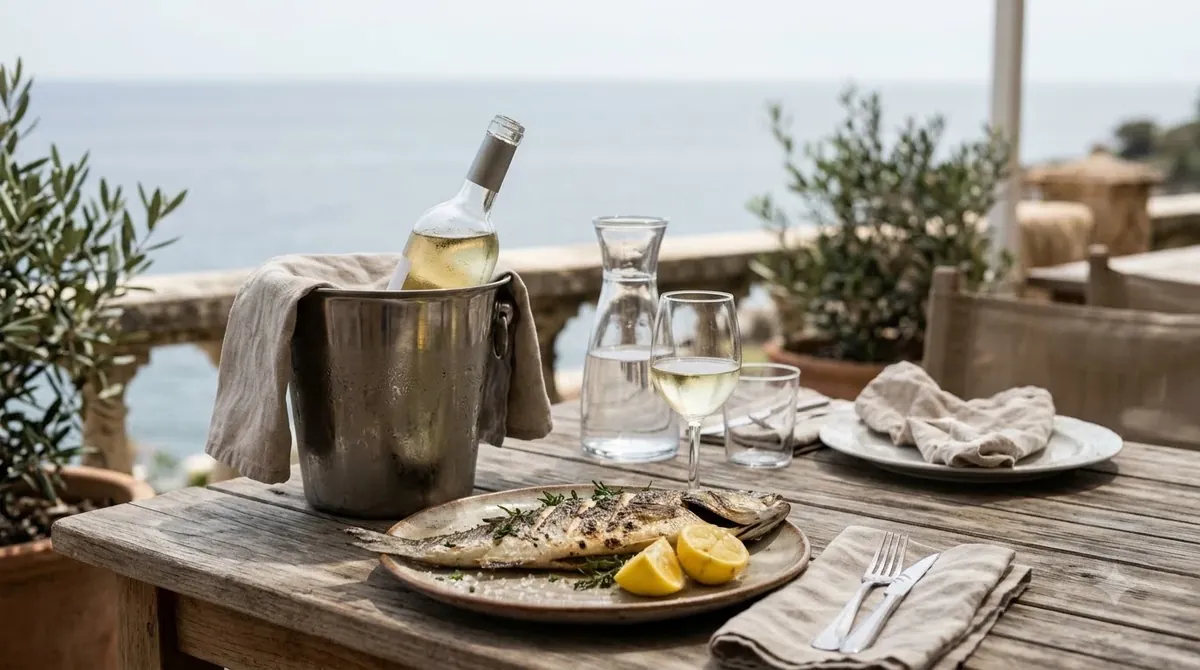
The festival’s central appeal is the range. A visitor can compare a traditional-method sparkling wine with a still Chardonnay, move to Pinot Noir, then investigate aromatic whites such as Riesling or Pinot Gris. That progression gives the palate a practical picture of Tasmania’s cool-climate strengths: freshness, fragrance, and measured structure rather than heavy, warm-climate ripeness.
It is also a social event. The official program describes entertainment both roaming through the gardens and on a main stage, while the grounds provide space to pause between tastings.
Past editions are a useful guide to the festival’s character, but they should not be mistaken for a confirmed schedule for the next event. The organizers say the festival returns in 2027; the exact dates, ticket types, participating vineyards, and wine list will be announced separately. For the latest event details, consult the festival’s official FAQ before making firm travel plans.
When and Where the Festival Takes Place
The festival takes place at the Royal Tasmanian Botanical Gardens on Lower Domain Road in Hobart, a green venue close to the city center. It is held in summer, and the 2026 program used three sessions across February 7 and 8, including a Saturday afternoon session, a Saturday evening session, and a Sunday afternoon session.
The City of Hobart listed the 2026 session times as Saturday from noon to 4 p.m., Saturday from 5:30 p.m. to 10 p.m., and Sunday from noon to 5 p.m. Those windows provide a practical example of how the event has been arranged, but they are historical times rather than a promise that the 2027 edition will follow the same schedule. Check the new program before choosing flights, accommodation, or other bookings.
The botanical gardens give the event a different feel from a convention hall or winery warehouse. Visitors move between tasting areas in an outdoor setting, so comfortable walking shoes, sun protection, and a light layer for changing conditions are sensible choices for a summer day in Hobart.
Access needs deserve advance attention. The organizers say the venue has some limitations despite the festival’s goal of being inclusive and accessible, and they ask patrons with accessibility requirements to contact the team before attending. The event has offered both licensed all-ages sessions and 18-plus sessions; the format and conditions for 2027 should be checked when tickets are released. Valid Australian Companion Cards are accepted, with the holder and companion required to arrive together.
How Wine Tastings and Tokens Work
Most vineyard stands at the 2026 festival offered tastings, but samples were not free: visitors redeemed tasting tokens, which were available to buy on the day or included with certain ticket types. The organizers also encouraged guests to purchase a glass or bottle of a wine they particularly enjoyed, making the event a direct way to support local vineyards.
Because the program featured more than 250 wines, trying to taste everything is neither realistic nor necessary. Set a simple theme before arriving. One useful route is to compare sparkling wines first, then taste Chardonnay and Riesling, and finish with Pinot Noir. Another is to choose two or three producers and compare their expressions of the same grape. Either approach creates clearer comparisons than moving randomly from stand to stand.
Take brief notes as you go. Record the producer, grape variety, region if supplied, and one or two impressions such as citrus, red cherry, texture, or acidity. Tasmanian wines can be subtle in their differences, and a note made after the first sip is more useful than trying to reconstruct several samples at the end of a busy afternoon. For sparkling wines, pay attention to the balance between acidity, bubbles, and fruit rather than judging only by sweetness. For still whites, compare the shape of the acidity and whether the wine leans toward citrus, stone fruit, or a rounder texture. With Pinot Noir, look for red-fruit aromas, freshness, and the feel of the tannins.
Tip: Choose a small tasting theme, take notes after each stand, and leave time for food and water. With more than 250 wines in the program, a few meaningful comparisons are more useful than trying to taste every label.
Tasmania’s Wine Regions in One Place
Tasmania is legally one wine geographical indication, but its vineyards are spread across seven broad growing areas with distinct conditions. The island-wide festival makes those differences easier to explore side by side, from the northern Tamar Valley and Pipers River to the southern valleys around Hobart and the East Coast.

Wine Tasmania identifies seven growing areas: North West, Tamar Valley, Pipers River, East Coast, Coal River Valley, Derwent Valley, and Huon Valley. The official Tasmania wine region overview is useful background before the event, while a separate look at Tasmania vineyards can help turn a favorite tasting into a later cellar-door visit. The regions are not interchangeable: latitude, maritime exposure, elevation, and soil all influence the pace of ripening and the style of the finished wine.
Wine Australia’s regional snapshot records 2,084 hectares of vineyard area, a mean January temperature of 15.6°C, and 477 millimeters of growing-season rainfall. It also gives an altitude range from 0 to 1,264 meters. These figures help explain why Tasmania is regarded as a cool-climate region, but they are broad regional measures; a particular vineyard can have a noticeably different exposure, elevation, or soil profile.
| Regional measure | Reported figure | Why it matters |
|---|---|---|
| Total vineyard area | 2,084 hectares | Shows the scale of the island’s planted vineyard area. |
| Mean January temperature | 15.6°C | Indicates a cool summer growing environment. |
| Growing-season rainfall | 477 mm | Provides context for vine growth and seasonal conditions. |
| Altitude range | 0–1,264 m | Signals the range of elevation represented across the region. |
The northern districts are often associated with sparkling wine and cool-climate whites, while the valleys nearer Hobart are important sources of Chardonnay and Pinot Noir. That is a broad guide, not a strict rule: producers make different choices about grape variety, picking date, fermentation, and maturation. A festival tasting is an opportunity to ask which part of Tasmania a wine comes from and what the producer believes that site contributes. To build a longer itinerary, use the festival as a first survey and plan a separate day for a small cluster of cellar doors. The Tamar Valley Wine Route is one northern option; the Coal River Valley and Derwent Valley are possible southern excursions from Hobart.
Grapes and Wine Styles to Look For
Chardonnay, Pinot Noir, and traditional-method sparkling wine are the essential Tasmanian styles to compare, with Pinot Gris, Riesling, and Sauvignon Blanc adding breadth. Wine Australia identifies Chardonnay and Pinot Noir as major varieties and describes the island’s sparkling wines as traditional-method wines made primarily from those two grapes.
Tasmanian Chardonnay can show high natural acidity with citrus, apple, or stone-fruit character, depending on site and winemaking. At a tasting, compare a leaner, more citrus-led example with one that has a fuller texture or has spent time in oak. Ask whether the wine was made to emphasize freshness or whether lees contact, malolactic fermentation, or barrel maturation has added weight. Pinot Noir is generally light to medium in body, with delicate red-fruit aromas and a fresh line of acidity. Compare wines from more than one growing area if they are available, and notice whether the fruit is closer to strawberry and cherry or has a darker, more savory edge.
Traditional-method sparkling deserves a dedicated stop. This production style uses a second fermentation in the bottle, creating the wine’s bubbles, and the time spent on lees can add texture and bready or biscuit-like notes. Compare a sparkling wine made from Chardonnay, Pinot Noir, or a blend of the two. Ask about the period of lees aging and the dosage, because those details help explain differences in texture and perceived sweetness.
Riesling is a useful contrast to richer sparkling and Chardonnay styles because its high acidity can frame citrus, floral, and sometimes more developed fruit notes. Pinot Gris generally offers a broader palate than a very crisp Riesling, while Sauvignon Blanc can bring pronounced aromatic lift. Do not assume every bottle from the island tastes alike. Cool conditions support natural acidity, but producer decisions and vintage conditions still shape the result. Ask about the vintage as well as the region: a cooler or wetter growing season can affect ripeness, crop size, and the balance of fruit and acidity.
Food, Music, and Planning a Festival Visit
Food and entertainment are part of the festival’s design, not extras around a formal tasting. The 2026 event included a curated selection from local food producers, live music and DJs, plus drinks beyond wine, including craft beer, cider, spirits, summer cocktails, and nonalcoholic choices.
Food is also a practical way to make more thoughtful wine comparisons. Fresh seafood, shellfish, and lighter dishes can work well with high-acid sparkling wine, Riesling, or Chardonnay; creamy foods can match a fuller Chardonnay; and savory mushroom or roast poultry dishes can suit Pinot Noir. Salt and fat can soften the impression of tannin, while acidic food generally needs a wine with equal or higher acidity. Very spicy dishes can make alcohol and tannin feel more pronounced, so a fresh, lower-alcohol white is often a safer direction than a powerful red. Use the food stalls to take a break between tasting rounds rather than leaving all eating until the end. If you are choosing a wine to accompany a dish, think about the dominant element: lemon, vinegar, or tomato raises the need for acidity; cream and butter add richness; and a sweet dessert calls for a wine at least as sweet as the dish.
Make a loose schedule before you arrive. Decide whether the priority is a broad survey of the wines, conversations with particular producers, or a relaxed afternoon of food and performances. For a concentrated tasting, arrive near the start of the session and visit the producers on your shortlist before the busiest period. Before travelling, confirm the 2027 date, session length, ticket inclusions, tasting-token arrangements, age restrictions, and transport details directly with the organizers. Tickets are not currently on sale and the next dates have not been announced. A ticket package that includes tasting tokens may suit someone planning to sample several wines, while a visitor more interested in the atmosphere may prefer a different ticket option if one is offered. Do not assume that the 2026 schedule or inclusions will carry over unchanged.
It is useful to plan a second day around the wines that stood out. The festival can introduce producers and regions, while a cellar-door visit gives more time to understand vineyard conditions, production choices, and current releases. For more regional background, browse the site’s Wine Regions coverage and use the tasting notes you made at the festival to narrow the next stop.
Frequently Asked Questions
These five answers cover a few details that help put Tasmania’s festival and wine culture in context, including the island’s early wine history and its distinctive growing season. The next festival is expected in 2027, while several useful background facts reach much further back.
How early does winemaking in Tasmania date back?
Wine Tasmania records the island’s first vineyard planting in 1823. The organization also says Australia’s first sparkling wine was made in Tasmania in 1826, giving the island a surprisingly early place in the country’s sparkling-wine history.
When does the Tasmanian grape harvest usually begin?
Wine Tasmania says the vintage usually begins around mid-March and can run through late May. The timing reflects a long, cool ripening period and the need to complete harvest before the higher risk of frost and rain later in autumn.
What makes spring a challenging season for Tasmanian vineyards?
Wine Australia identifies high humidity and spring frosts as features of the region’s climate. It also reports that about 40 percent of annual rainfall arrives during the growing season, so growers must manage both moisture and frost risk rather than relying on a uniformly dry season.
Do the northern and southern parts of Tasmania have the same soils?
No. Wine Australia describes sandstone and schist in the Derwent Valley, peaty alluvial and sandy low-humus soils in the Coal River Valley, deep free-draining soils around Pipers River, and gravelly basalt over clay and limestone in the Tamar Valley. Those contrasts help explain why wines from different districts can show different structure and aromatic character.
Was Tasmanian wine production continuous after the early vineyard plantings?
No. Wine Tasmania says production largely disappeared after the early 19th-century period and began to revive in the 1950s, when European migrants recognized similarities between Tasmania’s soils and climate and established vineyards. That renewed activity laid groundwork for the island’s modern premium-wine reputation.
The Tasmanian Wine Festival is a lively introduction to the island’s cool-climate wines, but its greatest value may be the conversations and regional leads it creates. Start with sparkling wine, Chardonnay, and Pinot Noir, enjoy the local food and music, and use the producers you discover to shape a deeper visit to Tasmania’s vineyards.
More in Wine Regions
 Willcox Wine Trail: Discover Arizona’s High-Elevation Wine CountryUpdated Nov 20, 2026
 Yakima Valley Wine Region: Find the Best Styles to TryUpdated Nov 20, 2026
 Vosne Romanee Wine Tasting: Identify Aromas and Choose Better PairingsUpdated Nov 20, 2026
 Yakima Valley Wine Festival: Find the Best Seasonal Wine EventsUpdated Nov 20, 2026
 Wales Vineyards: Discover Cool-Climate Wines and Where to VisitUpdated Nov 20, 2026
 Yountville Wine Festival: Discover Napa Wines and Local FoodUpdated Nov 20, 2026