

We may earn a commission when you buy through links on this page, at no extra cost to you. Learn more.
Tannat food pairing works best with rich, savory dishes such as grilled steak, roasted lamb, barbecue, duck confit, and aged cheese. Tannat is a full-bodied red wine with powerful tannins, dark-fruit flavors, and refreshing acidity. Fat and protein help soften its firm structure, while smoky cooking methods and concentrated seasonings complement its bold character. The right pairing also depends on whether the bottle comes from Madiran in France, Uruguay, or another growing region.
Tannat has a reputation as one of the more powerful red wines at the dinner table, but its food possibilities extend beyond steak. This southwestern French grape has developed a particularly strong identity in Uruguay, where producers make everything from structured, oak-aged reds to fresher, fruit-driven bottlings. Understanding those differences makes it easier to choose the right dish, whether you are preparing a weekend barbecue, a traditional French stew, or a vegetarian dinner.
Why Tannat Works With Rich and Savory Food
Tannat’s defining feature is its substantial tannin structure, which makes it especially compatible with food containing fat and protein. Its dark fruit, savory flavors, and natural acidity also help it stand up to dishes with intense seasoning.
Typical Tannat is dry and full-bodied, with high tannins and medium to high acidity. Its flavor profile commonly includes blackberry, black cherry, plum, black currant, licorice, and spice. Depending on the winemaking approach, additional aromas can include smoke, dark chocolate, tobacco, vanilla, and cardamom. These characteristics give the wine enough intensity to accompany dishes that might overwhelm a lighter red.
Tannins create a drying, slightly gripping sensation in the mouth. When you drink a strongly tannic red with lean food, that sensation can become more noticeable. Fat and protein help soften the impression of tannin, which explains why a marbled steak or slowly cooked lamb shoulder often makes Tannat seem smoother and more balanced.
Acidity plays another important role. A fatty dish can leave a coating sensation on the palate, while the wine’s acidity provides freshness between bites. The combination of dark fruit, acidity, and tannin makes Tannat particularly suitable for meals with several layers of savory flavor.
Matching the intensity of the dish
Food weight matters just as much as the individual ingredients. A heavily structured Tannat needs a substantial meal, while a lighter, fruit-forward version can accompany less elaborate dishes. A thick grilled ribeye, for example, can handle an oak-aged Madiran, whereas a lighter Uruguayan Tannat may work better with grilled pork tenderloin or a mushroom pasta.
Salt also helps make tannic wine more approachable. Properly seasoned meat, aged cheese, and savory cured foods can soften the impression of bitterness and make the fruit more expressive. This is one reason Tannat works so naturally with traditional grilled meats and cheese boards.
For a broader understanding of how grape varieties influence food choices, explore Wine by Type. Comparing a highly structured red with a softer variety also helps explain why the same dinner can produce very different wine-pairing results.
Best Meats for Tannat Wine
Beef, lamb, pork, duck, and game are among the strongest meat partners for Tannat. The best choices have enough fat, protein, and savory flavor to balance the wine’s tannins and full body.
Beef: Grilled ribeye, strip steak, T-bone, short ribs, and slow-cooked brisket are excellent starting points. Ribeye is particularly effective because its marbling provides richness that complements Tannat’s structure. A charred exterior adds smoky flavors that connect with the wine’s darker, sometimes peppery character. Season the steak with salt, black pepper, and rosemary rather than relying on a very sweet glaze.
Lamb: Roasted leg of lamb, grilled lamb chops, and braised lamb shoulder are natural matches. Lamb has a distinctive savory flavor that works well with Tannat’s blackberry, plum, and spice notes. Rosemary, garlic, thyme, and black pepper provide familiar seasoning combinations. For a French-inspired meal, serve the wine with slow-roasted lamb and potatoes cooked in the meat’s juices.
Pork: Pork ribs, smoked pork shoulder, grilled sausages, and slow-roasted pork belly can all work. Fatty pork cuts provide enough richness for the wine, while smoke and browned edges complement its savory aromas. Lean pork tenderloin is better suited to a fresher, less tannic Tannat, particularly when served with mushrooms or a moderately seasoned sauce.
Duck: Duck breast, duck confit, and roasted duck legs are particularly interesting alternatives to beef. Duck has enough richness to support a structured red, while its savory flavor complements Tannat’s dark fruit. A sauce made with reduced meat stock, black pepper, and a small amount of tart berry preserves can connect the food and wine without making the dish excessively sweet.
Game: Venison, wild boar, and other strongly flavored meats can stand up to Tannat’s concentration. Braising game in stock with mushrooms, onions, and herbs creates a dish with enough depth for a structured Madiran. Choose a mature or well-aerated bottle if the wine has particularly firm tannins.
Quick meat-pairing reference
| Meat dish | Best Tannat style | Why it works |
|---|---|---|
| Grilled ribeye | Full-bodied, structured | Marbling softens tannins |
| Roasted lamb | Madiran or aged Uruguayan | Savory flavors match the wine |
| Smoked pork ribs | Fruit-forward or oak-aged | Smoke complements dark fruit |
| Duck confit | Medium to full-bodied | Richness balances structure |
| Venison stew | Structured, mature Tannat | Concentrated flavors match intensity |
| Grilled sausages | Young Uruguayan Tannat | Seasoning and protein complement fruit |
The cooking method can change the pairing considerably. Grilling and roasting develop browned, savory flavors that work well with Tannat, while braising introduces concentrated stock, herbs, and meat juices. If the dish is relatively lean, consider adding a flavorful sauce or serving it alongside a richer side dish.
Barbecue, Smoke, and Spicy Seasonings
Tannat is a natural choice for barbecue because its dark fruit, firm tannins, and substantial body can handle charred meat and concentrated sauces. Smoky seasoning and savory marinades are generally more successful than extremely sweet or intensely hot preparations.
For American barbecue, try Tannat with smoked brisket, beef short ribs, grilled burgers, and pork shoulder. A dry rub containing black pepper, smoked paprika, garlic, and a moderate amount of brown sugar can work particularly well. The wine’s dark fruit connects with the caramelized crust, while its acidity provides contrast to fatty meat.
Grilled sausages are another practical option. Beef sausage, chorizo, and seasoned pork sausage have enough fat and flavor for a powerful red. Serve them with grilled onions, roasted peppers, and mustard. A younger Uruguayan Tannat with more obvious fruit can be especially enjoyable with this type of casual meal.
Choosing sauces and spice levels
Not every barbecue sauce is equally suitable. Very sweet sauces can make a dry Tannat taste more bitter or harsh by comparison. A sauce built around tomato, vinegar, pepper, garlic, and moderate sweetness is generally a better choice. The acidity of the sauce should be balanced by the wine’s own acidity rather than overpowering it.
Spicy dishes require additional care. Chili heat can become more intense alongside alcohol and tannin, so an extremely hot barbecue sauce may make a high-alcohol Tannat feel aggressive. Instead, use moderate chili, smoked paprika, cumin, black pepper, and aromatic herbs. If a dish is particularly hot, a fruit-forward, less tannic red may be a more comfortable choice.
Cajun-seasoned beef, pepper-crusted steak, and mildly spiced sausages are useful options. Curry can also work when the preparation includes roasted meat, rich sauce, and warm spices rather than overwhelming chili heat. The aim is to create aromatic depth without allowing heat to dominate the wine.
Tip: For a reliable Tannat barbecue pairing, serve grilled ribeye or short ribs with smoked paprika, black pepper, garlic, and roasted onions. Keep the sauce savory rather than very sweet, and avoid excessive chili heat.
Cheese, Charcuterie, and Savory Starters
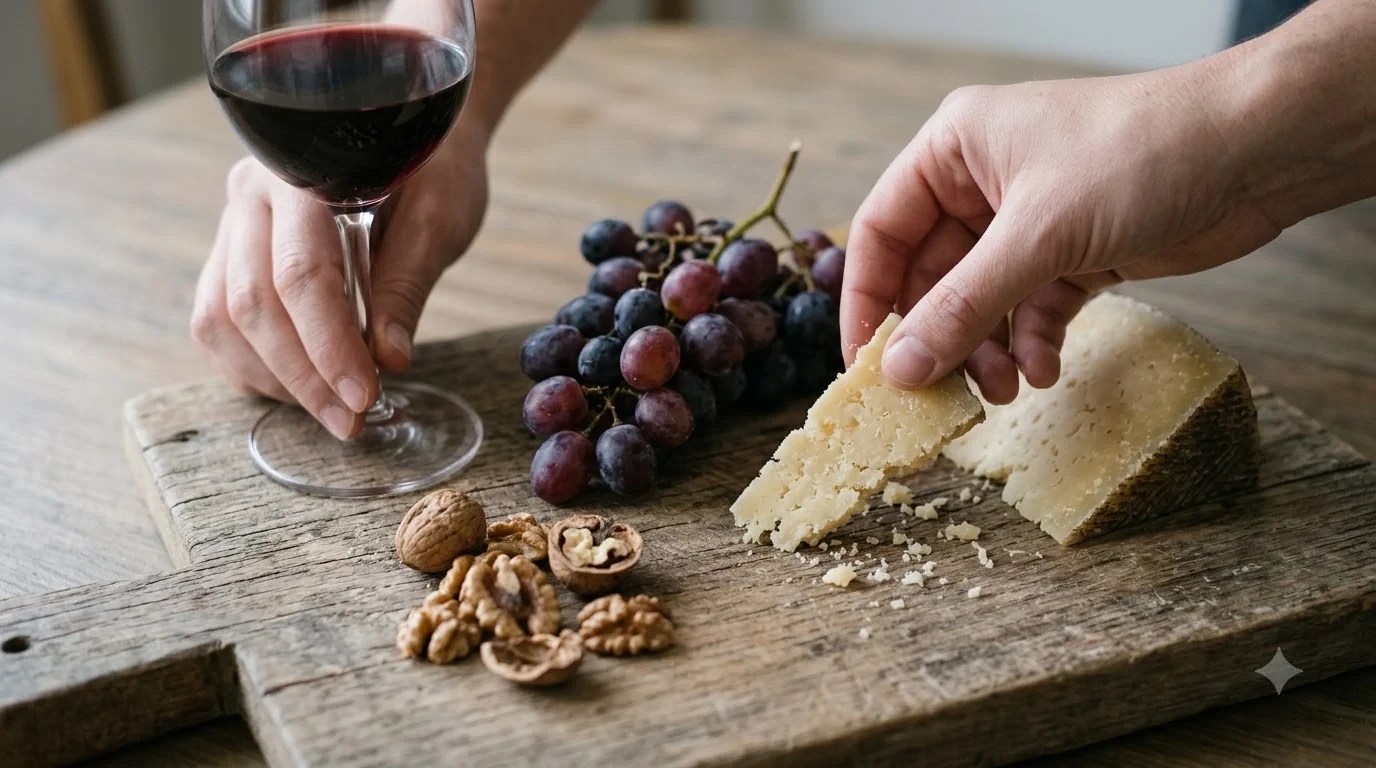
Aged, firm cheeses and flavorful cured meats are among the easiest appetizers to serve with Tannat. Salt, protein, and fat help balance the wine’s tannins, while the concentrated flavors of mature cheese complement its dark fruit and savory notes.
Start with aged cheddar, Manchego, Pecorino, Parmesan, or Dry Jack. These cheeses have concentrated savory flavors and enough texture to stand up to a full-bodied red. Aged cheddar is especially versatile because its saltiness and richness provide contrast to blackberry and plum flavors. Manchego brings a nutty, slightly savory character that works with both French and Uruguayan examples.
Cantal is another suitable French cheese. Its firm texture and savory flavor make it a natural option for a Madiran-inspired dinner. Parmesan and Pecorino can also work well, particularly when served in small pieces with olives, cured meat, and crusty bread.
Building a Tannat cheese board
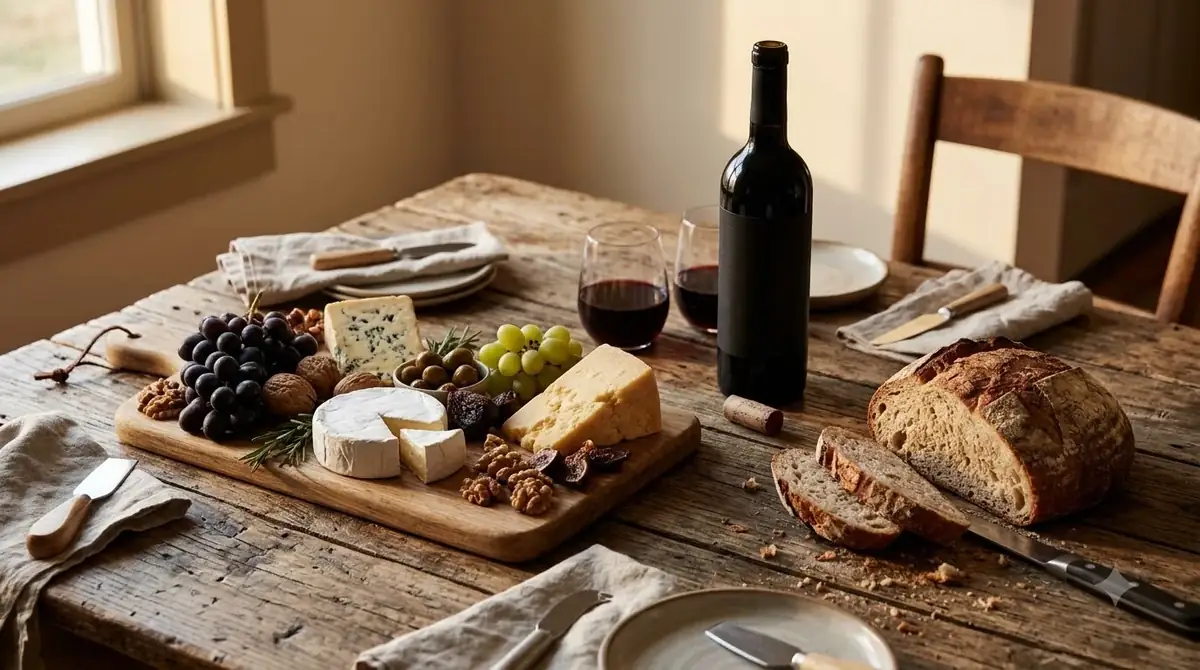
For a simple cheese board, combine three or four cheeses with a selection of cured meats. Prosciutto, salami, chorizo, and dry-cured beef offer different levels of salt, fat, and seasoning. Add roasted almonds, walnuts, olives, and plain crackers to provide texture without distracting from the wine.
Blue cheese can also be considered, although its intensity may dominate a particularly delicate Tannat. Choose a moderately strong example and serve it in smaller portions. If the cheese has pronounced saltiness, the contrast can make the wine’s fruit seem more expressive.
Fruit accompaniments should be chosen carefully. Fresh blackberries, plums, and dried cherries reinforce the wine’s fruit profile. A small serving of fig preserves can work with salty aged cheese, but excessive sweetness may make a dry red seem harder and more tannic.
Charcuterie is particularly useful when serving a younger, fruit-driven Tannat. The wine does not need a complicated main course to work well. A plate of sliced sausage, aged cheese, roasted peppers, and bread can create a satisfying pairing for an informal gathering.
Vegetarian Dishes That Complement Tannat
Tannat can work very well with vegetarian food when the ingredients provide sufficient richness, savory depth, and concentrated flavor. Mushrooms, roasted vegetables, beans, lentils, and tomato-based dishes are more suitable than delicate salads or lightly cooked vegetables.
Mushrooms are among the best plant-based partners. Portobello mushrooms have a substantial texture and earthy flavor that can stand up to a full-bodied red. Grill them with olive oil, garlic, thyme, and black pepper, then serve with roasted potatoes or a creamy polenta. Their browned surfaces provide additional savory notes that complement Tannat’s darker flavors.
Wild mushrooms can be especially effective in a risotto. Porcini, cremini, and shiitake contribute concentrated umami flavors, while Parmesan adds salt and richness. A younger Tannat is a good choice for this dish because its fruit and acidity can complement the creamy texture without making the meal feel overly heavy.
Beans, lentils, and tomato-based meals
Traditional cassoulet is a rich southwestern French dish commonly associated with white beans, sausage, and meat. Its richness makes it a particularly suitable companion for Tannat. A vegetarian interpretation can use white beans, roasted mushrooms, onions, carrots, garlic, tomato, and vegetable stock. Add smoked paprika and herbs to provide savory complexity.
Lentil stew is another good option. Cook green or brown lentils with mushrooms, tomatoes, onions, carrots, garlic, and thyme. The lentils contribute protein and substance, while the mushrooms create a deeper savory profile. A little olive oil added near the end helps give the dish a richer finish.
Tomato-based pasta dishes can also work, especially with fruit-forward Tannat. The acidity of tomato sauce is important: an acidic dish needs a wine with equal or higher acidity to avoid making the wine taste flat. Use a well-balanced tomato sauce with roasted vegetables, garlic, herbs, and a modest amount of cheese.
For an easy dinner, prepare baked eggplant with tomato sauce, mozzarella, Parmesan, and herbs. The roasted eggplant offers a soft, substantial texture, while browned cheese and tomato create enough flavor to complement a younger red. Avoid making the sauce excessively acidic or sweet.
Other possibilities include grilled vegetable skewers, roasted red peppers stuffed with lentils, mushroom burgers, and black bean chili with moderate spice. The main principle is to create enough weight and flavor for the wine rather than relying on raw vegetables or delicate seasoning.
How French and Uruguayan Tannat Change the Pairing
French Madiran and Uruguayan Tannat share the same grape but can have different levels of tannin, fruit expression, and overall weight. These differences matter because a lighter, fresher bottle can accompany more versatile dishes than a dense, oak-aged example.
Madiran is the classic French reference point for Tannat. Wines from this area are often structured, deeply colored, and firm in their tannins. They can benefit from additional bottle age or aeration, particularly when young. Rich meat dishes such as cassoulet, braised beef, duck confit, and roasted lamb provide suitable partners.
Uruguayan Tannat has developed a broader range of styles. According to Uruguay’s national wine institute, the grape is grown in several parts of the country, with many vineyards benefiting from Atlantic coastal influences. These conditions can help preserve natural acidity and produce wines with balanced fruit and structure.
Regional differences within Uruguay
Canelones is associated with richer, more structured Tannat. Wines from heavier clay soils can have substantial body and complexity, particularly when producers use oak aging. For these bottles, choose grilled beef, lamb shoulder, rich pork dishes, or strongly flavored aged cheese.
Maldonado, by comparison, is known for coastal expressions that can show fresher fruit and brighter acidity. Producers may use concrete tanks instead of oak to preserve a more direct expression of the fruit. These wines can work with roast lamb cutlets, duck, grilled pork, and hard aged cheeses without requiring particularly fatty preparations.
The South America Wine Guide discusses these regional and stylistic differences in its guide to Uruguayan wine and food pairings, including examples of lighter Tannat suited to red pasta and charcuterie as well as richer wines suited to grilled meat.
Other Tannat-producing regions
Tannat is also produced in Argentina, including the northwestern region of Cafayate in Salta. Wines from this area can show concentrated black fruit, menthol, and graphite aromas. Their tannins can become smoother as the grapes reach ripeness, making the wines interesting partners for grilled meat and substantial regional dishes.
When choosing between regions, consider the wine’s actual structure rather than assuming every Tannat tastes identical. A young, fruit-driven Uruguayan example may be enjoyable with grilled sausages, while a firm Madiran can be better suited to a slow-cooked beef dish. For comparison with another savory red, see our Carignan food pairing recommendations or explore Blaufränkisch food pairing for a different balance of acidity, fruit, and tannin.
Serving Temperature, Glassware, and Preparation
Serve Tannat slightly cooler than a warm room temperature, generally around 60–65°F for a full-bodied red. A large red-wine glass and appropriate aeration can help the wine reveal its fruit and savory aromas while making its firm tannins feel more integrated.
A common mistake is serving Tannat too warm. When a full-bodied red becomes excessively warm, its alcohol can seem more prominent and its structure less balanced. If the bottle has been stored at ordinary room temperature, place it in the refrigerator briefly before serving. Aim for a cool but not cold glass of wine.
Use a large Bordeaux-style glass with enough space to swirl the wine. This allows aromas of blackberry, plum, licorice, and spice to develop. A narrow white-wine glass gives the wine less room to breathe and may make its concentrated aromas feel less expressive.
When to decant Tannat
Young, full-bodied Tannat can benefit from 30–60 minutes of decanting. This gives the wine time to interact with oxygen and can make its aromas more open. Particularly firm Madiran examples may benefit from additional aeration, while lighter, fruit-forward wines may need considerably less.
Older bottles require more attention. Decanting can separate sediment from mature wine, but extended exposure to oxygen may cause delicate aromas to fade. If the bottle has significant age, pour a small sample first and assess its condition before deciding how long to leave it in a decanter.
For a dinner serving, plan on approximately 5 ounces per glass. A standard 750 ml bottle provides about five such servings, making one bottle suitable for a small dinner with several guests. If you are serving multiple courses, introduce the wine with the richest savory dish rather than starting with a delicate appetizer.
Choosing food for different Tannat styles
The following guide provides a practical starting point for matching the wine with the meal.
| Tannat style | Food recommendation | Serving approach |
|---|---|---|
| Young and fruit-forward | Sausages, grilled pork, red pasta | Light aeration |
| Fresh coastal Uruguayan | Duck, roast lamb, mushrooms | Serve around 60–63°F |
| Oak-aged Uruguayan | Ribeye, lamb shoulder, aged cheese | Decant 30–60 minutes |
| Structured Madiran | Cassoulet, braised beef, game | Consider longer aeration |
| Mature Tannat | Roast duck, mushrooms, aged cheese | Assess carefully before decanting |
These are general serving suggestions rather than strict rules. The best pairing depends on the bottle’s maturity, tannin intensity, acidity, and oak influence. A fresher wine may need less preparation, while a dense young red can benefit from additional air and a richer meal.
For another useful comparison, consider Grenache Blanc food pairing. Its white-wine structure offers a different approach to matching acidity, body, and food texture, particularly when planning a meal with several courses.
Frequently Asked Questions
Is Tannat a dry or sweet wine?
Most Tannat wines are dry red wines, even though ripe blackberry and plum flavors can create an impression of sweetness. The grape can also be used for rosé, blends, and specialized sweet wine styles. Its familiar dry red expression is generally full-bodied with substantial tannin.
Does Tannat need to age before drinking?
Not every Tannat needs extended aging. INAVI describes Uruguayan examples with six months of barrel aging and potential cellaring periods of approximately three to seven years, while some wines aged for 18 months can have potential for 15 years or longer. The producer’s style and the individual wine matter more than the grape name alone.
What is another name for Tannat?
Harriague is another name associated with Tannat, particularly in Uruguay. The name honors Pascual Harriague, the Basque immigrant who helped establish the grape in the country during the nineteenth century. The grape is also closely associated with the French appellations of Madiran and Irouléguy.
Is Tannat always made as a single-variety wine?
No. Tannat is produced both as a single-variety wine and as part of blends. In Uruguay, producers make blends alongside varietal bottlings, while French regional wines can include other permitted grapes. The additional varieties can change the wine’s fruit profile, acidity, and perceived tannin.
Can Tannat be served slightly chilled?
Yes. A modest chill can help a fruit-forward Tannat feel fresher, especially in a warm dining room. Avoid serving a structured red extremely cold because low temperatures can make its tannins seem more pronounced and suppress its aromas.
Tannat is at its best alongside food with enough richness and flavor to meet its bold structure. Start with grilled beef, roasted lamb, duck, aged cheese, or mushroom-based dishes, then adjust the pairing to the wine’s regional style and maturity. Whether you choose a powerful Madiran or a fresher Uruguayan bottle, matching its tannins with savory food is the simplest way to create a balanced meal.
More in Wine Types & Grapes
 What Does Mourvèdre Taste Like? Flavor Profile, Regions, and PairingsUpdated Nov 20, 2026
 What Does Marsanne Taste Like? Flavors, Styles, and Food PairingsUpdated Nov 20, 2026
 What Does Malvasia Taste Like? Styles, Flavors, and Food PairingsUpdated Nov 20, 2026
 What Does Grenache Blanc Taste Like? Flavor Profile, Styles, and PairingsUpdated Nov 20, 2026
 What Does Garnacha Taste Like? Key Flavors, Styles, and Pairing TipsUpdated Nov 20, 2026
 What Does Fruit Wine Taste Like? A Complete Flavor and Style BreakdownUpdated Nov 20, 2026