


We may earn a commission when you buy through links on this page, at no extra cost to you. Learn more.
The best sweet red wine substitute depends on whether you are cooking or pouring a glass: for recipes, use 100% pomegranate or red grape juice balanced with a splash of red wine vinegar, while for drinking, reach for Ruby Port, sweet Lambrusco, or Brachetto d’Acqui. Sweet red wine brings three core elements to the table—dark berry fruit, noticeable residual sugar, and gentle acidity. Matching the right swap means balancing those exact traits without turning a savory braise into syrup or making a dessert sauce taste flat.
Running out of sweet red wine mid-recipe or trying to match its flavor profile for guests who prefer zero-proof drinks is a common kitchen puzzle. Unlike dry Cabernet Sauvignon or Pinot Noir, sweet reds carry concentrated fruit sugars alongside soft tannins and bright acidity. Whether you need an alcoholic bottle with a matching profile, a pantry combination for deglazing and reduction sauces, or a non-alcoholic sipper, choosing the right replacement comes down to how the wine is being used.
What Makes a Good Sweet Red Wine Substitute
An effective sweet red wine substitute replicates three structural components: dark fruit flavor, balanced sweetness, and enough acidity to keep the liquid from tasting cloying. When any one of those three elements is missing, a sauce can taste flat or a glass can feel overly heavy on the palate.

Sweet red wines span a wide spectrum, from lightly sparkling Italian reds like Lambrusco Amabile to concentrated fortified styles such as Ruby Port. According to Wine Folly’s guide to dessert wines, sweet red styles rely on ripe berry aromas—think raspberry, blackberry, and cherry—paired with either natural residual sugar or fortification that preserves grape sweetness. Any replacement you choose needs to echo that dark-fruit core rather than introducing citrus or tropical notes.
Acidity is the secret ingredient most home cooks overlook when making a swap. Straight fruit juice has plenty of sugar and berry flavor, yet it lacks the fermentation acids found in wine. Adding a measured splash of wine vinegar or lemon juice restores that tart backbone, preventing glazes, pan sauces, and braised meats from becoming overwhelmingly sweet. Similarly, when choosing another wine to drink in place of a sweet red, looking at Wine by Type helps you compare sweetness levels and body before opening a bottle.
Best Alcoholic Swaps for Drinking and Cooking
If alcohol is welcome, several fortified and off-dry wines step in smoothly for sweet red wine in both stemware and saucepans. The strongest matches share dark berry notes, plush texture, and moderate-to-high residual sugar.
For pouring a glass, Italian sparkling reds are the closest stylistic cousins. Brachetto d’Acqui from Piedmont offers fragrant strawberry and rose petal aromas with gentle fizz and low alcohol, while sweet Lambrusco labeled Amabile or Dolce delivers lively raspberry and blueberry notes that chill beautifully. If you prefer a still, richer pour, Ruby Port brings concentrated blackberry and plum flavors with higher alcohol—typically around 17 to 20% ABV for fortified wines—making it ideal for sipping alongside dark chocolate or blue cheese.
In the kitchen, Ruby Port, Tawny Port, and sweet Marsala excel in reductions, fruit compotes, and pan sauces for duck or pork tenderloin. Because fortified wines are noticeably sweeter and higher in alcohol than standard table wine, use slightly less than the recipe specifies or reduce any added sugar in the dish. Even a dry full-bodied red wine can work in a pinch: as Wine Folly notes on Port substitutes, combining a dry red wine with a small splash of brandy and a pinch of sugar approximates the body, sweetness, and warmth of a fortified sweet red.
Top Non-Alcoholic Substitutes for Cooking
When cooking without alcohol, the most reliable sweet red wine substitute combines an unsweetened dark fruit juice with a small measure of acid. This two-part formula mirrors wine’s natural tension between fruit sugar and fermented tang.
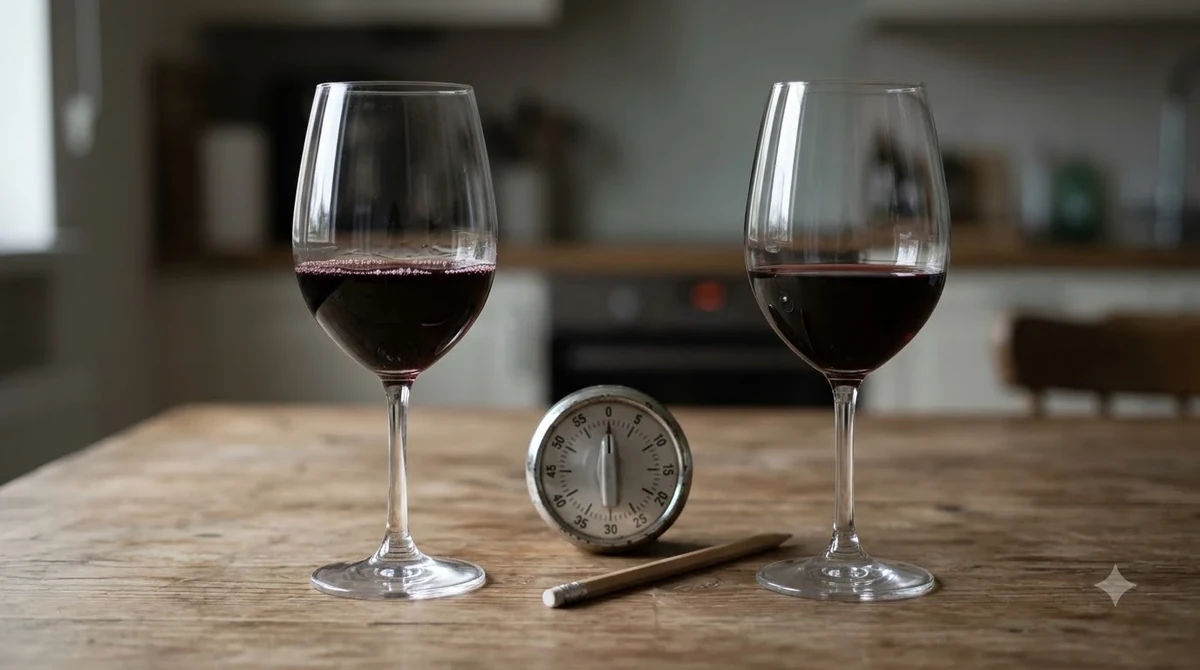
100% pomegranate juice and unsweetened cranberry juice sit at the top of the pantry list. Both carry deep ruby color, natural astringency that mimics grape tannins, and bright tartness. For a 1:1 swap in braises, glazes, or stews, use 1 cup of 100% pomegranate juice stirred with 1 tablespoon of red wine vinegar. If using unsweetened cranberry juice—which is naturally sharper—pair 1 cup of juice with 2 teaspoons of red wine vinegar, or dilute with a quarter cup of water if the recipe already contains brown sugar or honey.
Pure Concord red grape juice is the most direct flavor match because it comes from red grapes, though it is significantly sweeter than wine. To keep grape juice from taking over a savory dish, mix 3/4 cup of unsweetened red grape juice with 1/4 cup of water and 1 tablespoon of red wine vinegar for every 1 cup of wine called for. Keep in mind that wine vinegars can retain trace amounts of alcohol from fermentation; if a recipe requires strict zero-proof ingredients, substitute fresh lemon juice or apple cider vinegar for the acidic component.
Tip: Always check the bottle label to ensure you are buying 100% unsweetened fruit juice rather than a “juice cocktail,” which contains added corn syrup or cane sugar that will scorch during reduction.
Sweet Red Wine Substitution Conversion Table
Use the ratios below to replace 1 cup (8 ounces) of sweet red wine in recipes depending on whether you want an alcoholic or zero-proof option. Always taste your sauce near the end of cooking and adjust sweetness or acidity one teaspoon at a time.
| Substitute | Amount per 1 Cup Wine | Alcohol Content | Best Culinary Use |
|---|---|---|---|
| 100% Pomegranate Juice + Red Wine Vinegar | 1 cup juice + 1 tbsp vinegar | Alcohol-free (trace in vinegar) | Braised short ribs, lamb, pan sauces, glazes |
| Unsweetened Red Grape Juice + Water + Vinegar | 3/4 cup juice + 1/4 cup water + 1 tbsp vinegar | Alcohol-free (trace in vinegar) | Pot roast, beef stew, fruit reductions |
| 100% Cranberry Juice + Lemon Juice | 1 cup juice + 2 tsp fresh lemon juice | Strict 0.0% alcohol-free | Duck, venison, holiday glazes, poached pears |
| Ruby Port or Sweet Marsala | 3/4 cup fortified wine + 1/4 cup water or broth | Fortified (approx. 17–20% ABV) | Steak au poivre, mushroom reductions, chocolate desserts |
| Dry Red Wine + Sugar | 1 cup dry red wine + 1 to 2 tbsp brown or white sugar | Standard wine ABV | Sangria, mulled wine, red wine marinades |
| Beef or Mushroom Broth + Balsamic Vinegar | 1 cup broth + 1 tbsp balsamic vinegar | Alcohol-free (trace in vinegar) | Savory ragù, meaty stews where sweetness should stay subtle |
Notice how the ratio shifts when moving from fruit juices to fortified wines. Because Ruby Port and sweet Marsala pack concentrated sugar and higher alcohol, cutting them with a splash of water or unsalted stock keeps the finished sauce balanced rather than syrupy.
If your recipe only calls for a small splash—such as two tablespoons to deglaze a skillet—you do not need to open a fresh bottle of juice. Diluting 1 tablespoon of balsamic vinegar with 1 tablespoon of water provides instant sweetness, dark color, and pan-lifting acidity without leaving leftover ingredients in your fridge.
Non-Alcoholic Alternatives for Drinking and Cocktails
Replacing sweet red wine in a wine glass or sangria pitcher requires more attention to mouthfeel than cooking does. Without heat to concentrate flavors, straight grocery-store grape juice often tastes one-dimensional and overly sugary.
Dealcoholized sweet red wines are the easiest one-to-one pour for guests skipping alcohol. Producers make these bottles through standard fermentation before gently removing the alcohol via vacuum distillation or spinning cone columns, leaving behind real grape tannins, acidity, and residual fruit character. Look for dealcoholized red blends or non-alcoholic sparkling reds labeled under 0.5% ABV, or certified 0.0% options if complete abstinence is required.
For a quick homemade mocktail or zero-proof sangria base, combine equal parts unsweetened pomegranate juice and chilled hibiscus tea, then finish with a splash of sparkling water and muddled blackberries. The hibiscus adds ruby color and floral tartness that closely echo a chilled glass of sweet red wine. Guests watching their sugar intake will also appreciate knowing how different pours compare; checking calories in sweet red wine can help you gauge how much juice or mixer to pour per serving.
Matching the Substitute to Your Recipe
Not every recipe uses sweet red wine the same way, so matching the replacement to the cooking method prevents unwanted flavor clashes. A swap that shines in poached pears will taste out of place in a slow-simmered beef ragù.
For savory meat braises, stews, and pan sauces, prioritize acidity and umami over pure sugar. A blend of 100% cranberry juice and red wine vinegar—or beef broth enriched with a tablespoon of balsamic vinegar—gives richness and gloss without making dinner taste like dessert. If you are working with other fortified or aperitif styles in savory cooking, exploring a fino sherry substitute offers similar principles for balancing acidity and depth.
For desserts, mulled wine, and fruit reductions, lean into berry fruit and warm aromatics. Unsweetened black cherry juice or Concord grape juice simmered with a cinnamon stick, orange peel, and a teaspoon of lemon juice creates a luscious poaching liquid for pears, figs, or berries. Similarly, if a cold sangria recipe calls for a sweet red base and you only have sweet white bottles on hand, understanding is Moscato sweet or dry will help you decide whether you can pivot to a white sangria with berries instead.
Frequently Asked Questions
Can I substitute dry red wine for sweet red wine in a recipe?
Yes, dry red wine is one of the easiest substitutes for sweet red wine in cooking. Simply measure out the same amount of dry red wine and stir in 1 to 2 tablespoons of granulated sugar, brown sugar, or honey per cup until it reaches your preferred sweetness.
What is the best non-alcoholic substitute for sweet red wine in beef stew?
For beef stew or pot roast, combine 3/4 cup of unsweetened pomegranate or cranberry juice with 1/4 cup of beef broth and 1 tablespoon of red wine vinegar per cup of wine. This mixture provides dark color, gentle fruit sweetness, and enough acidity to tenderize and brighten the rich meat.
Does red wine vinegar contain alcohol?
Red wine vinegar is made from fermented wine and can retain trace amounts of residual alcohol, usually well below 0.5% ABV. While most of that evaporates during simmering, anyone avoiding all traces of alcohol should substitute fresh lemon juice or diluted apple cider vinegar instead.
Can I use balsamic vinegar instead of sweet red wine?
Balsamic vinegar works well when used sparingly, as it is far more concentrated, acidic, and syrupy than wine. Never swap it 1:1; instead, mix 1 to 2 tablespoons of balsamic vinegar with enough water or broth to equal 1 cup of liquid.
Finding the right sweet red wine substitute comes down to balancing dark berry fruit, sweetness, and a touch of acid. Whether you reach for a bottle of Ruby Port, a dealcoholized red blend, or a quick pantry mix of pomegranate juice and vinegar, matching the swap to your dish keeps every sauce and glass flavorful.
More in Wine Types & Grapes
 Zinfandel Sugar Content: Dry Red vs. White Zinfandel GramsUpdated Nov 21, 2026
 Best Zinfandel Substitute Options for Sipping and CookingUpdated Nov 21, 2026
 Zweigelt Food Pairing: Best Dishes, Cheeses, and Serving TipsUpdated Nov 21, 2026
 Zinfandel Tannins Explained: How Structure Shapes Every BottleUpdated Nov 21, 2026
 Zinfandel Sweetness Level: Dry Red vs. Sweet White Zin ExplainedUpdated Nov 21, 2026
 Xinomavro Food Pairing: Best Dishes, Styles, and Serving TipsUpdated Nov 21, 2026