

We may earn a commission when you buy through links on this page, at no extra cost to you. Learn more.
The best sweet red wine at total wine for an easy-drinking, fruit-forward experience is a bottle such as Witching Hour Sweet Red Blend, while Oliver Soft Collection Sweet Red and Hazlitt Sweet Red Cat offer appealing alternatives for different sweetness preferences. Total Wine carries sweet red blends, Dornfelder, Primitivo, and other approachable styles from American and international producers. The right bottle depends on how much sweetness you enjoy, whether you prefer fresh berries or richer jammy fruit, and what you plan to serve with it.
Sweet red wine has a place at casual dinners, celebrations, dessert tables, and relaxed evenings when a dry Cabernet Sauvignon feels too tannic. Total Wine’s selection includes familiar American labels alongside wines from Germany, Spain, Italy, and South Africa. That variety makes it possible to compare grape varieties, sweetness levels, and textures rather than settling for the first bottle labeled sweet red.
This buying guide explains what to look for, which recognizable bottles deserve consideration, how to compare different styles, and how to serve your selection. Availability depends on the individual Total Wine store, local regulations, and current inventory, so use the retailer’s location selector before making a shopping trip.
Who This Is For: Sweet Red Wine Drinkers at Every Experience Level
Sweet red wine suits shoppers who enjoy noticeable fruit sweetness, a softer finish, and less aggressive tannin than many traditional dry reds. Total Wine’s assortment includes options ranging from light-bodied berry-forward wines to fuller red blends that work with substantial meals.
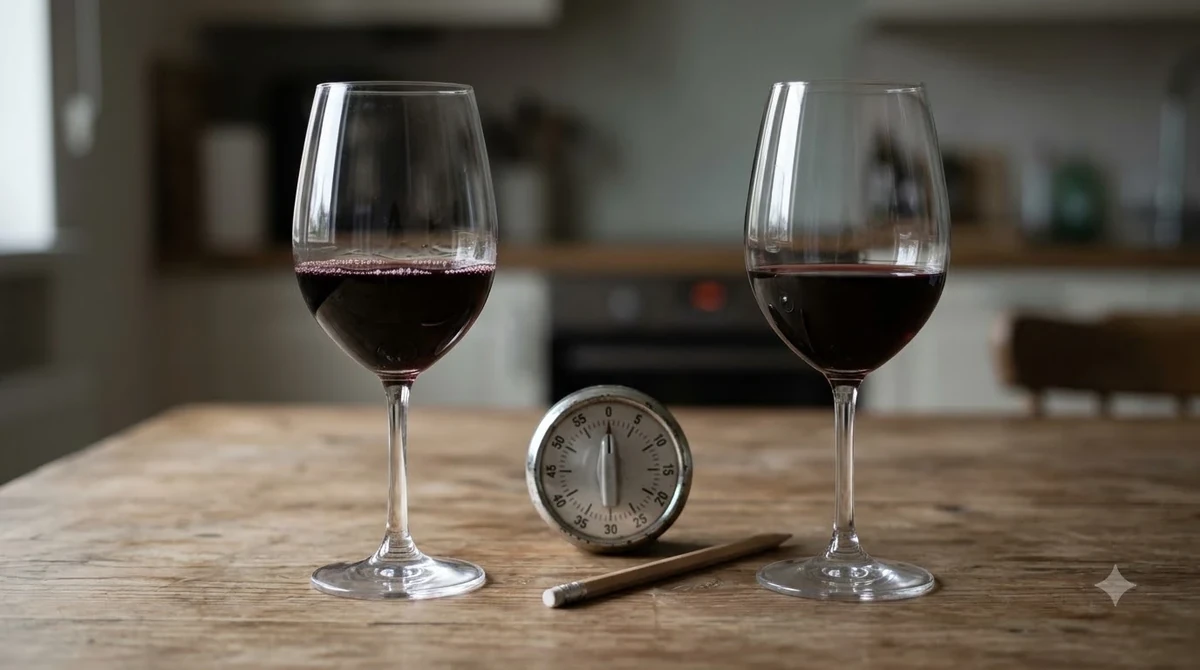
First-time wine drinkers may want to begin with Witching Hour Sweet Red Blend. Total Wine describes this California Primitivo as light-bodied, with ripe berries, cherry, and strawberry flavors. Those familiar fruit characteristics make it an approachable starting point for someone who prefers a sweeter finish instead of the drying sensation associated with heavily tannic Cabernet Sauvignon.
Shoppers who enjoy unmistakably grapey flavors can consider Oliver Soft Collection Sweet Red. This Indiana wine uses Concord grape character, with Total Wine describing wild cherry, huckleberry, and tangerine notes. It offers a different experience from a conventional European-style red blend, particularly for people who associate sweet red wine with fresh grape and berry flavors.
There are also options for people who want something between an intensely sweet dessert wine and a dry dinner red. Big Sipper Sweet Red is described as semi-sweet, with blackberry, boysenberry, raspberry, and a sweet finish. Sutter Home Sweet Red combines Merlot, Zinfandel, and Syrah, providing another approachable blend with natural residual grape sweetness.
International wine drinkers should consider Red Vin Sweet Red from Germany’s Rheinhessen region or Fifty Provinces Sweet Red from Spain’s La Mancha. Dornfelder gives Red Vin its varietal identity, while Fifty Provinces offers a jammy red-fruit profile. These bottles provide useful comparisons for shoppers who want to explore something beyond California blends.
If your usual preference is dry Pinot Noir or Cabernet Sauvignon, remember that sweet red wine is a different category rather than simply a softer version of those wines. The distinction matters because sweetness changes how the wine works with food, desserts, and other flavors.
Key Factors to Compare Before Buying Sweet Red Wine
The most useful comparisons are sweetness, body, grape variety, acidity, and intended food pairing. A wine with strong cherry aromas can still be dry, so shoppers should distinguish fruitiness from actual residual sugar.
Start by deciding how sweet you want the finished wine to taste. Total Wine offers labels specifically identified as sweet red or semi-sweet, but sweetness descriptions can vary between producers. A light-bodied wine may taste refreshing and fruity, while a fuller blend can feel richer and more concentrated even when both have noticeable sweetness.
| Comparison factor | What to look for | Examples at Total Wine |
|---|---|---|
| Light-bodied sweetness | Fresh berry flavors and an easy finish | Witching Hour Sweet Red Blend |
| Semi-sweet character | Fruit sweetness without an intensely sugary impression | Big Sipper Sweet Red |
| Concord grape character | Grapey fruit, cherry, and distinctive berry notes | Oliver Soft Collection Sweet Red |
| German varietal style | Dornfelder, raspberry, and plum | Red Vin Sweet Red |
| Spanish fruit profile | Jammy red fruit and wild berry character | Fifty Provinces Sweet Red |
| Traditional red blend | Merlot, Zinfandel, and Syrah | Sutter Home Sweet Red |
| Light-bodied regional blend | Red fruit with a gentle, approachable texture | Hazlitt Sweet Red Cat |
Grape variety is another useful starting point. Merlot generally has medium, softer tannins, while Cabernet Sauvignon typically has higher tannin. Pinot Noir usually has low-to-medium tannin and relatively high acidity. These characteristics matter because tannin creates a drying sensation that can make a red wine seem less sweet than its residual sugar suggests.
For a sweet red, Dornfelder deserves attention because it appears in several German wine selections and is associated with approachable red-fruit profiles. Concord-based wines provide a different direction, often delivering a distinctly grapey character. Blends offer still more flexibility because producers can combine varieties with different structures and aromas.
Acidity is equally important. A wine with sufficient acidity can balance sweetness and keep the finish from feeling heavy. Wine Folly explains that sourness counterbalances sweetness, which is why two wines with similar residual sugar can taste noticeably different. Its wine sweetness chart provides additional context about tannin, acidity, and perceived sweetness.
Finally, think about the meal. A sweet red intended for chocolate cheesecake does not necessarily need the same structure as a bottle intended for burgers or barbecue. Choose a wine at least as sweet as the dessert, and consider how tannin interacts with salty or fatty foods before selecting a bottle.
Step-by-Step: How to Choose a Bottle at Total Wine
A simple shopping process prevents confusion between sweet, fruity, and semi-sweet red wines. Start with the desired sweetness level, narrow the selection by grape and body, and then match the wine with the occasion.
-
Decide how sweet you want the wine.
If you enjoy obvious sweetness, begin with products explicitly described as sweet red. If you prefer a less sugary impression, investigate semi-sweet options such as Big Sipper Sweet Red. Avoid assuming that ripe cherry or blackberry flavors automatically mean a wine contains substantial residual sugar.
-
Choose a flavor direction.
For strawberry and fresh berry character, consider Witching Hour Sweet Red Blend. For Concord grape, cherry, and huckleberry notes, look at Oliver Soft Collection Sweet Red. For plum and raspberry, Red Vin Sweet Red offers a German Dornfelder alternative.
-
Compare the body and texture.
Light-bodied wines generally feel less substantial than fuller blends. Witching Hour is described as light-bodied, while a richer jammy profile may appeal to someone who wants more concentrated fruit. Consider whether you want a refreshing sipping wine or something substantial enough to accompany dinner.
-
Check the producer’s grape information.
Sutter Home Sweet Red uses Merlot, Zinfandel, and Syrah. Hazlitt Sweet Red Cat combines Catawba and Baco Noir. Understanding these ingredients helps explain why different bottles can have very different aromas and textures even though both are marketed as sweet red wine.
-
Think about the food pairing.
For barbecue, Witching Hour has an especially useful pairing suggestion from Total Wine. For cheesecake and chocolate, Fifty Provinces is described as a suitable dessert companion. For sweet glazed ham, Red Vin is another option worth considering.
-
Check the bottle size and local availability.
A standard 750 ml bottle provides approximately five servings when poured at 5 oz each. Total Wine also lists larger 1.5 L formats in its broader sweet red selection, which can be useful for gatherings. Confirm the specific product and size available at your chosen location.
-
Read the product description before checkout.
Look for explicit sweetness language, grape information, flavor notes, and serving recommendations. When a technical sheet is available, residual sugar expressed in grams per liter gives a more objective comparison than tasting adjectives alone.
Tip: If you are new to sweet reds, compare one light-bodied bottle with one richer red blend. Witching Hour Sweet Red Blend and Sutter Home Sweet Red provide a useful starting comparison because their descriptions emphasize different grape compositions and textures.
It also helps to approach the store with two possible choices rather than one rigid requirement. If the first bottle is unavailable, a wine with a similar body and sweetness level is usually a better substitute than a completely different style that happens to carry the words red wine on its label.
For a wider selection beyond sweet wines, explore the best red wine at Total Wine options. That broader category can help you decide whether you actually prefer sweetness or simply want a fruit-forward red with softer tannins.
Types of Sweet Red Wine Explained
Sweet red wine is not one uniform style. Total Wine carries several grape-based and blended options, including American sweet red blends, German Dornfelder, Concord-based wines, and selections from Spain and Italy.
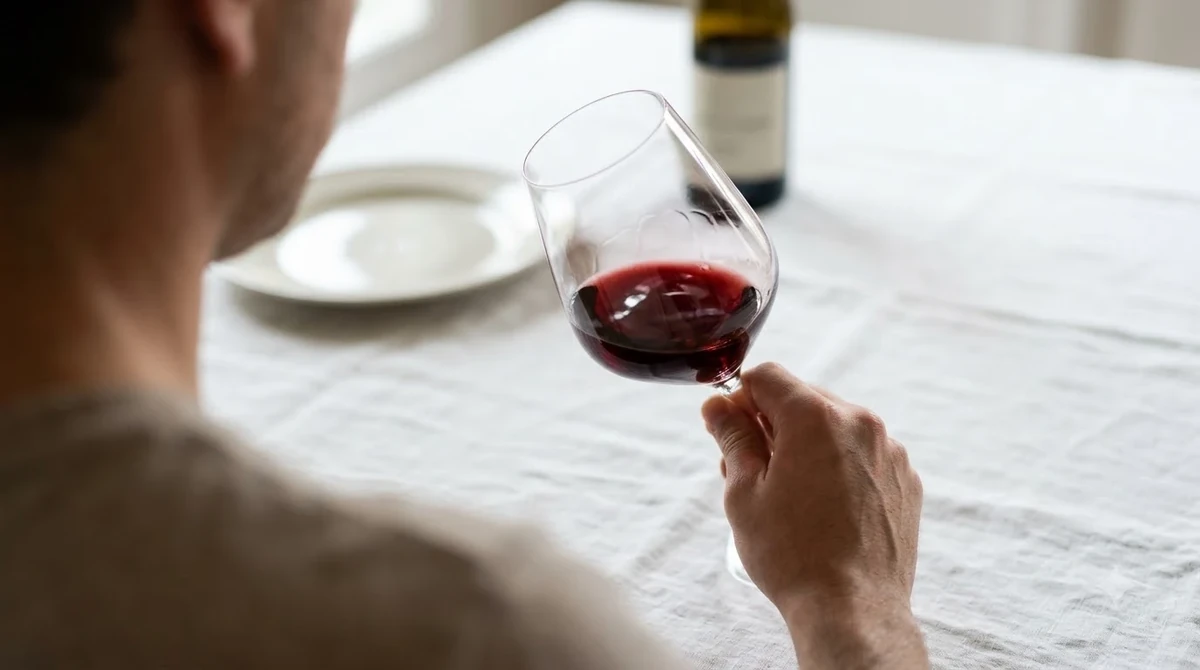
American sweet red blends are a practical starting point for everyday drinking. They combine grape varieties to create a recognizable fruit-forward profile without requiring shoppers to understand a particular regional winemaking tradition. Witching Hour Sweet Red Blend, Sutter Home Sweet Red, and Big Sipper Sweet Red fit into this broad category of approachable California wines.
Blending allows producers to balance fruit, acidity, tannin, and sweetness. Sutter Home’s combination of Merlot, Zinfandel, and Syrah is a clear example. Its production description mentions cold fermentation and stainless-steel aging, methods associated with preserving fresh fruit characteristics rather than emphasizing pronounced oak flavors.
Dornfelder is a German red grape worth recognizing. Red Vin Sweet Red from Rheinhessen is made from this variety and is described as having raspberry and plum flavors with silky tannins. Gerd Anselmann Dornfelder Sweet, another wine appearing in Total Wine’s broader sweet red listings, is described with cherry, blackberry, plum, and candied-fruit characteristics.
Dornfelder is useful for shoppers who want a more recognizable varietal identity instead of an unspecified red blend. It can offer an alternative to the familiar California sweet red style while retaining the fruit-forward character many sweet wine drinkers enjoy.
Concord-based wines are another distinct category. Oliver Soft Collection Sweet Red features Concord grape character, wild cherry, huckleberry, and tangerine. Its flavor profile is different from a traditional dry European red because the emphasis is on expressive grape and fruit character rather than firm tannin or earthy complexity.
Hazlitt Sweet Red Cat offers a related but different Finger Lakes interpretation, using Catawba and Baco Noir grapes. Total Wine describes it as light-bodied, with red-fruit flavors. This makes it worth considering for shoppers who want a regional American wine with a sweet, accessible profile.
Spanish sweet red blends provide another option. Fifty Provinces Sweet Red comes from La Mancha and is described as jammy, with wild berry and red-fruit flavors. The retailer specifically suggests serving it with chocolate and cheesecake, making it an interesting candidate for a dessert table.
Italian sweet and slightly sparkling reds deserve consideration too. Total Wine’s wider sweet red listings include wines such as Seven Daughters Sweet Red Blend and Rivata Casa Rossa. Some Italian red blends have gentle carbonation, which changes the mouthfeel and makes the wine feel livelier. They are particularly interesting when served chilled rather than at conventional full-bodied red temperatures.
Another useful distinction is the difference between sweet wine and fruit-flavored wine-based beverages. Residual sugar is the natural grape sugar left after fermentation. Some wine-based products may contain added flavors or other ingredients, so shoppers interested in traditional grape-based wine should pay attention to the product description and composition.
Common Mistakes When Buying Sweet Red Wine
The biggest shopping mistake is treating fruity aromas as proof of sweetness. Other common problems include overlooking tannin, choosing a wine that is less sweet than the dessert, and assuming every bottle labeled red blend will taste similar.
Aroma can be misleading. A dry wine may smell strongly of ripe cherries, blackberries, and plum without having the residual sugar associated with a sweet wine. Conversely, a sweet red can have enough acidity to prevent it from tasting excessively sugary. These distinctions explain why a label’s tasting notes should not be the only factor in a buying decision.
Residual sugar provides a better reference when producers publish technical information. Wine Folly explains that residual sugar is measured in grams per liter and that noticeably sweet wines generally begin around 35 g/L. Its explanation of fermentation also describes how fermentation can be stopped before yeast consumes all the available grape sugar.
Another mistake is assuming that all sweet reds should be served at room temperature. Warm wine can make alcohol feel more prominent and sweetness seem heavier. Light-bodied sweet reds are generally more refreshing when served slightly chilled, particularly when paired with pizza, barbecue, or spicy food.
Pairing a dry wine with a very sweet dessert is another frequent disappointment. A dessert can make the wine seem sour, bitter, or thin by comparison. Choose a wine that is at least as sweet as the food. Fifty Provinces Sweet Red is an example of a bottle Total Wine specifically associates with chocolate and cheesecake.
Spicy food requires some thought as well. Alcohol and tannin can amplify chili heat, so an intensely tannic red may be uncomfortable alongside very hot wings or chili. A softer, sweeter red can be a more suitable match, particularly when it has enough acidity to refresh the palate.
Finally, avoid choosing a bottle solely because its grape name is familiar. Cabernet Sauvignon, Merlot, and Pinot Noir have different typical tannin levels and structures. A conventional dry Cabernet Sauvignon is not interchangeable with a sweet red blend simply because both are red wines. Read the product description and choose according to the sweetness you actually want.
Care, Serving, and Storage Tips for Sweet Red Wine
Sweet red wine generally benefits from a little chilling, proper storage, and controlled pouring. The ideal serving temperature depends on body and structure rather than the simple fact that the wine is red.
Light-bodied sweet reds are usually most enjoyable around 55 to 60 degrees Fahrenheit. Fuller red wines generally suit 60 to 65 degrees Fahrenheit, while slightly sparkling red wines can be served cooler. A brief period in the refrigerator can make a warm bottle more refreshing, especially in hot weather.
For a practical approach, place a light-bodied sweet red in the refrigerator before serving and remove it when it reaches a pleasant cool temperature. Avoid serving it so cold that its fruit aromas become difficult to detect. If a bottle is too cold, a few minutes in the glass can allow the aromas to become more expressive.
Food pairing can also determine how you serve the wine. Witching Hour Sweet Red Blend is suggested with barbecue and Brie, while Oliver Soft Collection Sweet Red works as a casual sipping option. A light chill can help these wines remain refreshing alongside salty snacks, pizza, and grilled foods.
Use a standard 5 oz pour when serving. A 750 ml bottle contains approximately five such glasses, which is a convenient planning figure for dinner parties. For a gathering of 10 adults, two standard bottles provide approximately 10 servings, assuming each person receives one glass.
Once opened, still sweet red wine should generally be refrigerated and consumed within three to five days for the best quality. Reseal the bottle with its original closure or a suitable wine stopper. Keeping oxygen exposure low helps preserve the wine’s fruit aromas and reduces the rate at which its flavors deteriorate.
Refrigeration is useful even for red wine because lower temperatures slow oxidation. Remove the bottle from the refrigerator before serving if the wine becomes too cold. A short rest at room temperature is generally enough for a light-bodied style to regain some of its aromas.
For unopened bottles, store wine away from direct sunlight, excessive heat, and major temperature fluctuations. A cool location near 55 degrees Fahrenheit is a practical target. Bottles with traditional cork closures are generally stored on their sides to keep the cork from drying out.
There is no need to decant most inexpensive, fruit-forward sweet reds. Their appeal is usually immediate fruit expression and uncomplicated drinking rather than the sediment management or extended aeration sometimes needed for mature, structured wines. Open, pour, and allow the wine a little time in the glass if its aromas seem restrained.
Storage also matters after purchase. Avoid leaving a bottle in a hot vehicle or near a sunny kitchen window. Even a wine intended for casual consumption can lose freshness if exposed to prolonged heat. Buying a bottle shortly before the occasion and keeping it cool is often the simplest approach.
Frequently Asked Questions
What is the difference between residual sugar and sweetness?
Residual sugar measures the glucose and fructose remaining after fermentation, while sweetness describes how the finished wine tastes. Acidity, tannin, alcohol, and aroma all influence perception. Two wines with identical residual sugar measurements can therefore taste noticeably different.
Can sweet red wine have a slightly fizzy texture?
Yes. Some red wines have gentle carbonation that produces a light prickling sensation on the tongue. This can come from retained carbon dioxide during production. Italian red styles such as Lambrusco are well known for sparkling or lightly sparkling expressions.
Does a higher alcohol percentage mean a red wine is less sweet?
Not necessarily. Alcohol and residual sugar are related to fermentation, but the finished balance depends on how much sugar the yeast converts into alcohol and whether fermentation is stopped before completion. A wine can have noticeable sweetness and still contain a relatively substantial amount of alcohol.
Can sweet red wine be used in cooking?
Yes, although it is important to choose a recipe that can accommodate its sweetness. A sweet red can work in certain barbecue glazes, fruit-based reductions, and sauces for roasted meats. Reduce it carefully because cooking concentrates both its fruit flavors and remaining sugar.
Is a sweet red blend the same as a red dessert wine?
No. A sweet red blend is generally intended for casual drinking or food pairing, while a dessert wine is designed to accompany or replace a dessert course. Port is a familiar fortified dessert wine, and its production and alcohol structure differ from many everyday sweet red blends.
Finding the right sweet red at Total Wine comes down to choosing the sweetness, body, and fruit profile that suit your preferences. Witching Hour, Oliver Soft Collection, Sutter Home, Red Vin, and Fifty Provinces each offer different starting points for exploring the category. Compare a couple of styles, serve them at an appropriate temperature, and match the sweetness to your food. For another retailer comparison, see our guide to the best sweet red wine at Costco, or explore our broader sweet red wine recommendations before choosing your next bottle.
More in Wine Buying Guides
 Cheap Red Blend: How to Find a Flavorful Bottle for LessUpdated Nov 20, 2026
 Pinot Grigio Gift: How to Choose a Bottle They’ll EnjoyUpdated Nov 20, 2026
 Best White Wine at Total Wine for Every MealUpdated Nov 20, 2026
 Wine Fridge Replacement Shelves: Find the Right FitUpdated Nov 20, 2026
 Best Sparkling Wine Under 20: Find Bubbles Worth BuyingUpdated Nov 20, 2026
 Best Wine For Birthday Celebrations With Perfect Party PairingsUpdated Nov 20, 2026