

We may earn a commission when you buy through links on this page, at no extra cost to you. Learn more.
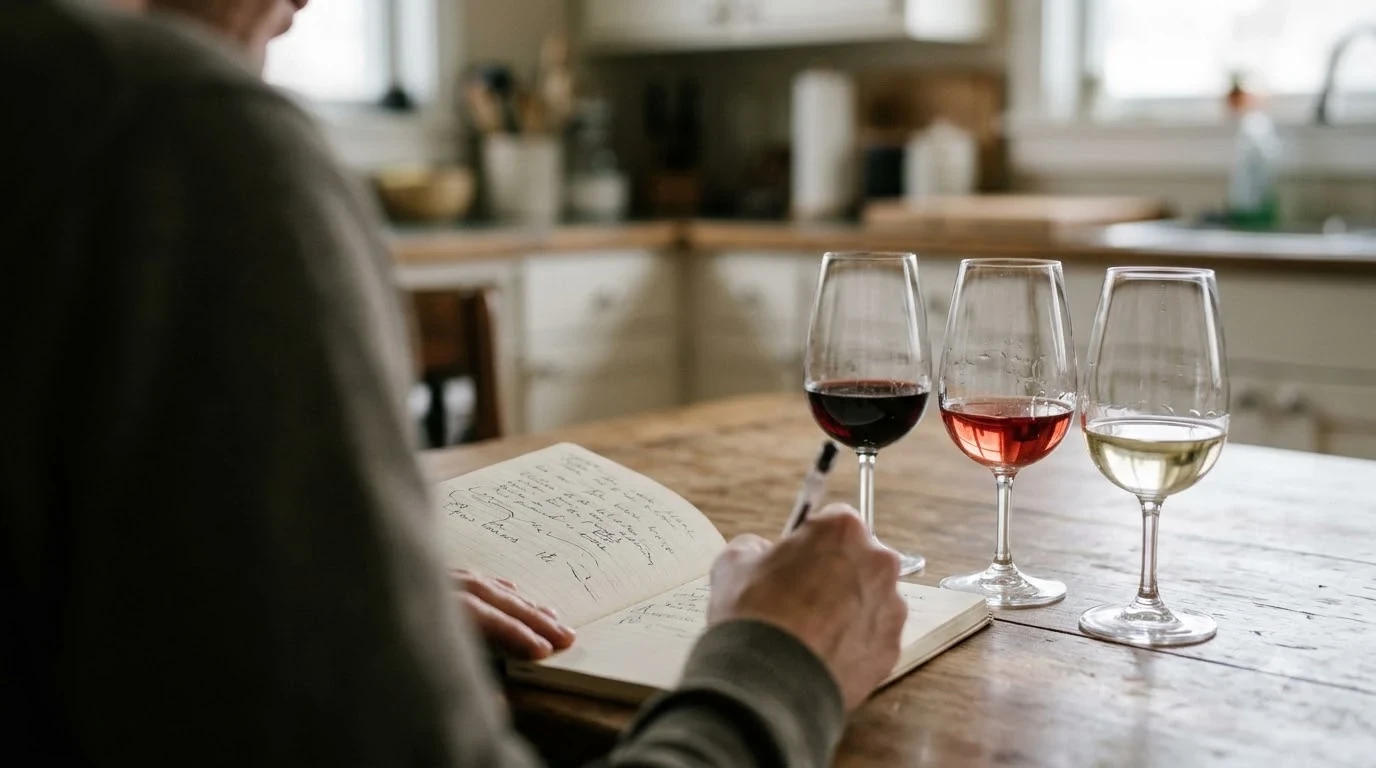
Super Tuscan tasting notes center on ripe dark fruit—blackcurrant, blackberry, and dark cherry—layered with savory leather, dried Mediterranean herbs, tobacco, cedar, and vanilla oak. These medium-full to full-bodied Tuscan reds combine firm, structured tannins with refreshing acidity and typically measure between 13% and 15% ABV. Depending on whether a blend leans on international Bordeaux grapes or native Sangiovese, the profile shifts from plush cassis and chocolate to brighter sour cherry and earthy spice.
Unlike traditional Tuscan appellations bound to strict indigenous grape rules, Super Tuscans emerged in the late 1960s and 1970s when winemakers blended French varieties like Cabernet Sauvignon and Merlot with local fruit. The resulting wines bridge Old World savory complexity and New World fruit concentration, making them a benchmark among bold red Wine by Type categories.
What It Is
A Super Tuscan is an unofficial category of high-quality red wine from Tuscany, Italy, crafted with non-indigenous grapes—such as Cabernet Sauvignon, Merlot, Cabernet Franc, or Syrah—either on their own or blended with native Sangiovese.
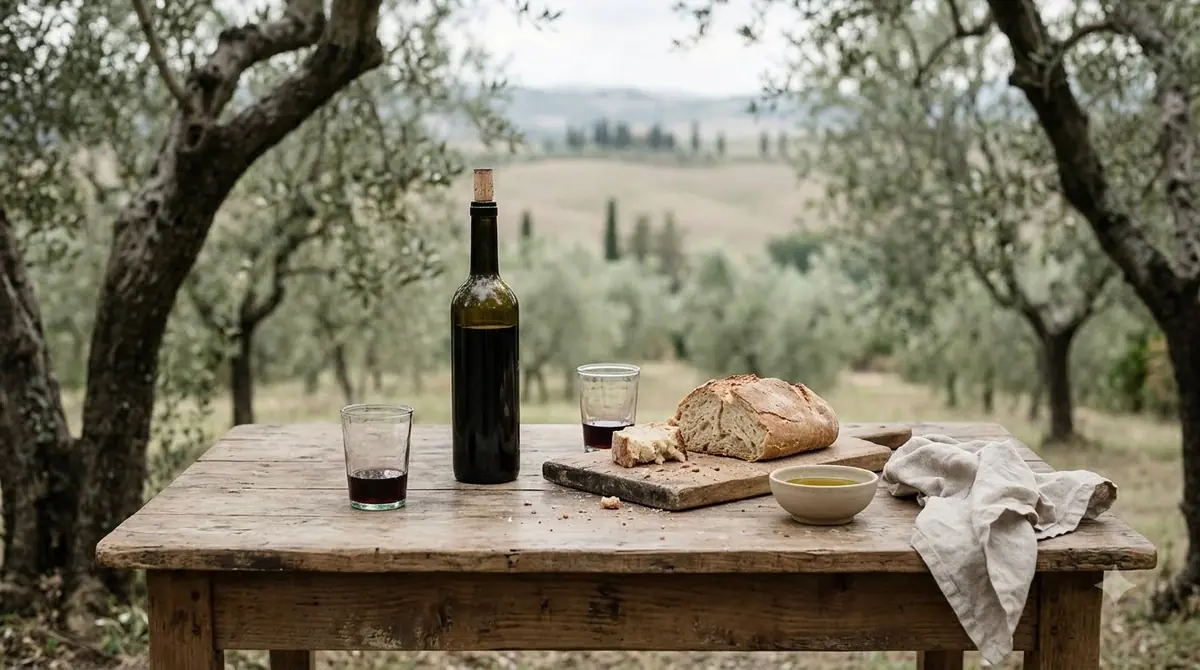
The movement began in the late 1960s and gained widespread recognition in the early 1980s as rebellious Tuscan producers sought freedom from rigid regional regulations. At the time, strict Chianti laws mandated specific proportions of Sangiovese and even required blending in white grapes, limiting winemakers who wanted to produce age-worthy, internationally competitive reds. In 1968, Tenuta San Guido released Sassicaia, a Cabernet-based wine modeled after Bordeaux, followed shortly by Antinori’s Tignanello, which blended Sangiovese with Cabernet Sauvignon and Cabernet Franc without any white grapes.
Because these pioneering bottles broke traditional appellation rules, they were initially forced onto the market under the humble Vino da Tavola (table wine) classification despite their exceptional quality. Italian authorities eventually adapted in the mid-1990s by establishing the Toscana IGT (Indicazione Geografica Tipica) and Bolgheri DOC classifications, officially recognizing these wines on the label. Today, producers often give their Super Tuscans proprietary fantasy names—such as Ornellaia, Solaia, or SummuS—rather than listing a single grape variety.
Flavor and Styles
Super Tuscan tasting notes span a spectrum from plush, dark-fruited Bordeaux-inspired powerhouses to brighter, acid-driven blends anchored by Sangiovese, united by savory undertones and French oak spice.
On the nose, young Super Tuscans open with concentrated aromas of blackcurrant, ripe blackberry, and black cherry, interwoven with sweet baking spices, vanilla, and cedar from aging in small French barriques. As the wine breathes in the glass, secondary notes of dried oregano, rosemary, crushed violet, and sweet pipe tobacco emerge. Across the palate, the texture is dense and layered, balancing generous fruit extract with mouth-coating tannins and a lively line of Tuscan acidity that prevents the wine from feeling heavy.
Because winemakers have complete blending freedom, the exact flavor profile depends heavily on the dominant grape varieties. Blends led by Cabernet Sauvignon emphasize structured cassis, graphite, and firm grip, sharing structural DNA with blends highlighted in our petit verdot tasting notes. Merlot-dominant bottlings offer a silkier mouthfeel brimming with black plum, mocha, and supple tannins. Meanwhile, Sangiovese-led blends preserve a distinct Tuscan signature of tart red cherry, blood orange peel, leather, and earthy minerality.
Bottle age transforms these primary fruit flavors into complex tertiary nuances. Over 10 to 25 years in the cellar, the firm tannins polymerize into a velvety frame while the fruit recedes into dried fig, forest floor, truffle, cured leather, and balsamic glaze.
| Super Tuscan Style | Primary Grapes | Dominant Tasting Notes | Body & Structure |
|---|---|---|---|
| Bordeaux-Style Blend | Cabernet Sauvignon, Merlot, Cabernet Franc | Blackcurrant, plum, cedar, graphite, vanilla, tobacco | Full-bodied; firm, structured tannins and long aging potential |
| Sangiovese-Led Blend | Sangiovese (majority) with Cabernet or Merlot | Dark cherry, red plum, dried herbs, leather, earthy spice | Medium-full to full; higher natural acidity and mineral grip |
| Single-Varietal International | 100% Merlot, Cabernet Franc, or Syrah | Blackberry, black pepper, cocoa, violet, toasted oak | Full-bodied; plush mid-palate with concentrated fruit depth |
Where It Grows
Super Tuscans are produced across Tuscany, with their sensory profiles shaped dramatically by the contrast between warm coastal plains and cooler, high-elevation inland hills.
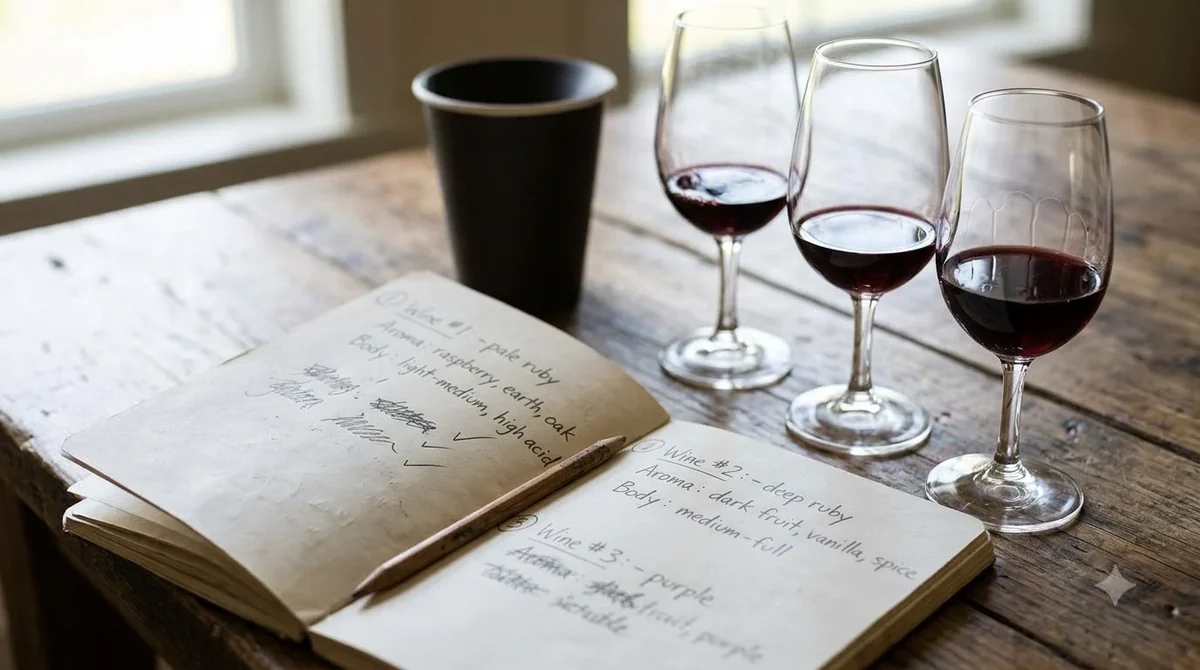
The coastal strip of Bolgheri, located south of Livorno along the Tyrrhenian Sea, is the undisputed heartland for Bordeaux-style Super Tuscans. Here, gravel-rich soils and cooling sea breezes allow Cabernet Sauvignon, Merlot, and Cabernet Franc to ripen slowly and evenly, yielding wines with deep color, ripe black fruit, and polished, opulent tannins. Further south along the coast, Maremma Toscana produces similarly generous, sun-drenched blends that often incorporate Syrah and Sangiovese alongside Bordeaux varieties, delivering warm spice and supple texture.
Inland, vineyards in the Chianti Classico hills and around Montalcino sit at higher altitudes on limestone, clay, and galestro soils. Cooler nighttime temperatures in these hillside sites slow down sugar accumulation and lock in vibrant natural acidity. As a result, inland Super Tuscans—especially those anchored by Sangiovese—show a tighter, more mineral-driven profile with fragrant red fruit, wild herbs, and a savory, earthy finish compared to their plush coastal counterparts.
How to Serve
Serve Super Tuscan wines slightly below room temperature at 60–65°F (15–18°C) in a large-bowled Bordeaux glass, decanting younger bottles to soften their firm tannins.
Temperature control is essential for showcasing the aromatic complexity of these blends. Serving a Super Tuscan too warm—above 70°F—accentuates the alcohol and makes the fruit taste jammy, while serving it too cold mutes the subtle cedar, herb, and leather aromatics. As noted in Wine Enthusiast’s serving temperature guide, chilling a room-temperature bottle in the refrigerator for about 25 minutes brings full-bodied reds into their ideal serving window.
Because young Super Tuscans possess dense extract and grippy tannins, giving the wine air unlocks its full aromatic range. Pouring a bottle under eight years old into a wide decanter for 60 to 90 minutes allows harsh tannins to integrate and opens up hidden floral and spice notes. For mature vintages older than 10 to 15 years, decant gently just before serving solely to separate the clear wine from natural bottle sediment without over-exposing delicate tertiary aromas to oxygen.
Tip: Use a stemmed glass with a tall, wide bowl so you can swirl vigorously without warming the wine with your hands, concentrating the dark fruit and oak aromatics toward the rim.
Food Pairing
The combination of structured tannins, rich dark fruit, and bright Tuscan acidity makes Super Tuscans ideal partners for richly marbled meats, slow-braised dishes, and aged hard cheeses.
Classic Tuscan cuisine provides natural pairing templates built around protein and fat. Bistecca alla fiorentina—a thick-cut T-bone steak grilled over wood embers—is the quintessential match, as the wine’s firm tannins bind to the beef’s fat and char while its savory herb notes echo the rosemary and olive oil seasoning. Slow-cooked ragù made with wild boar, beef short ribs, or lamb shanks over wide pappardelle ribbons also thrives alongside the wine’s plush fruit and lively acidity, which cuts cleanly through rich sauces.
For non-meat pairings, lean into umami-rich ingredients and aged cheeses. Wedges of aged Pecorino Toscano or Parmigiano-Reggiano highlight the wine’s nutty, leathery undertones, while roasted portobello mushrooms, grilled eggplant, or truffle risotto mirror the earthy forest-floor notes found in bottle-aged examples. Avoid pairing Super Tuscans with delicate seafood, spicy chili heat, or tart citrus dressings, as the wine’s high tannin and oak profile will clash with delicate or fiery flavors—save crisp whites like those in our sancerre tasting notes for lighter fare.
How to Choose a Bottle
Selecting the right Super Tuscan comes down to reading the appellation on the label and matching the grape blend to your preferred balance of fruit richness and acidity.
Because Super Tuscans are typically marketed under proprietary names rather than grape varieties, check the official classification printed beneath the wine’s name. As outlined in Wine Folly’s Super Tuscan overview, bottles labeled Bolgheri DOC or Bolgheri Sassicaia DOC reliably deliver coastal Bordeaux-style blends rich in Cabernet Sauvignon and Merlot. Bottles carrying the broader Toscana IGT or Maremma Toscana DOC designations offer the widest stylistic diversity, ranging from pure Merlot or Syrah expressions to Sangiovese-dominant blends.
Next, inspect the back label or producer technical sheet for the grape breakdown and oak regimen. If you enjoy plush, velvety reds similar to the ripe fruit profiles covered in our grenache tasting notes, look for blends featuring higher percentages of Merlot or Syrah. If you prefer firmer structure, brisk acidity, and classic Italian earthiness for dinner pairings, choose a bottle anchored by Sangiovese and Cabernet Sauvignon. Finally, consider the vintage age: while flagship estates can evolve for 20 to 30 years, second-label and mid-tier releases are crafted to drink smoothly within three to eight years of harvest.
Frequently Asked Questions
Do Super Tuscan wines taste sweet or dry?
Super Tuscan wines are fully dry reds with virtually no residual sugar. Their generous ripe blackberry, black cherry, and vanilla oak flavors can create an impression of fruit sweetness on the mid-palate, but brisk acidity and firm tannins ensure a crisp, savory finish.
How do Super Tuscan tasting notes differ from Chianti Classico?
Chianti Classico must contain at least 80% Sangiovese, giving it a medium-bodied profile centered on tart red cherry, blood orange, and bright acidity. Super Tuscans incorporate international grapes like Cabernet Sauvignon and Merlot, resulting in deeper color, riper black fruit notes, heavier French oak spice, and fuller body.
What is the typical alcohol content of a Super Tuscan?
Most Super Tuscan wines range between 13.5% and 15% ABV, placing them firmly in the medium-full to full-bodied category. Warmer coastal vintages from Bolgheri and Maremma tend to sit toward the upper end of that range, while higher-elevation inland blends often retain slightly lower alcohol and higher natural acidity.
How long should you decant a Super Tuscan before drinking?
Young Super Tuscans under eight years old benefit from 60 to 90 minutes in a wide-bottomed decanter to soften their youthful tannins and release secondary herbal and spice aromas. Older bottles aged 10 years or more should only be decanted for 15 to 30 minutes right before pouring to remove sediment without fading their delicate mature bouquet.
Whether you gravitate toward a coastal Cabernet-driven powerhouse or an inland Sangiovese blend, Super Tuscan tasting notes reward attentive sipping with layers of dark fruit, Mediterranean herbs, and structured elegance. Pouring at the right cellar-cool temperature and giving young bottles time to breathe ensures every glass shows the full depth of Tuscany’s modern winemaking revolution.
More in Wine Types & Grapes
 Zinfandel Sugar Content: Dry Red vs. White Zinfandel GramsUpdated Nov 21, 2026
 Best Zinfandel Substitute Options for Sipping and CookingUpdated Nov 21, 2026
 Zweigelt Food Pairing: Best Dishes, Cheeses, and Serving TipsUpdated Nov 21, 2026
 Zinfandel Tannins Explained: How Structure Shapes Every BottleUpdated Nov 21, 2026
 Zinfandel Sweetness Level: Dry Red vs. Sweet White Zin ExplainedUpdated Nov 21, 2026
 Xinomavro Food Pairing: Best Dishes, Styles, and Serving TipsUpdated Nov 21, 2026