

We may earn a commission when you buy through links on this page, at no extra cost to you. Learn more.
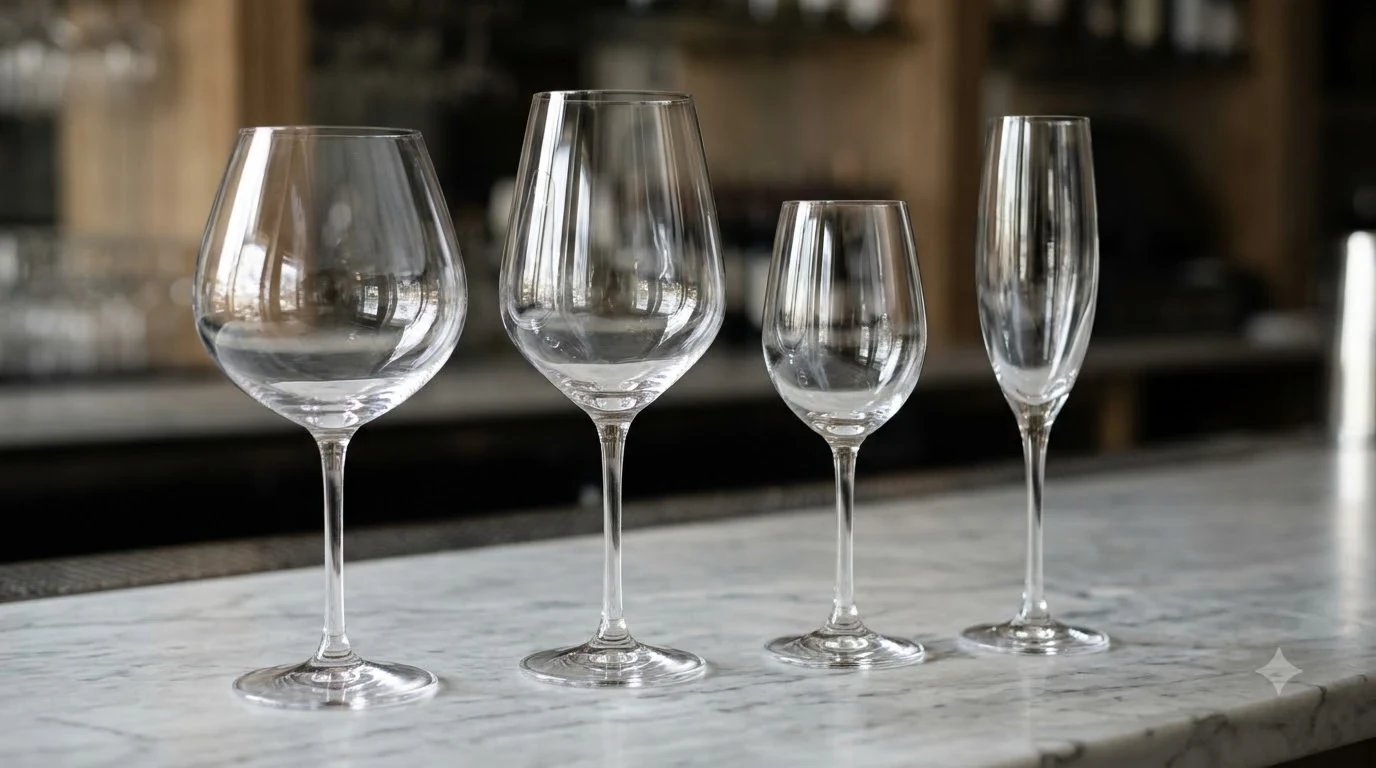
Stolzle crystal wine glasses are a strong choice for wine drinkers who want clear, lead-free crystal, elegant shapes, and practical everyday performance without automatically stepping into traditional hand-blown glassware. Made by Stölzle Lausitz in Germany, these glasses combine established glassmaking techniques with machine production and distinctive pulled-stem construction. Their main strengths are clarity, attractive proportions, and a broad selection of wine-specific shapes, while thin rims and delicate designs may require more careful handling than heavier everyday glassware.
Choosing wine glasses involves more than finding attractive stemware. Bowl proportions, rim thickness, weight, balance, and cleaning requirements all influence how comfortable a glass feels and how well it serves different wines. Stölzle Lausitz offers several collections with different priorities, from accessible everyday designs to refined premium stemware. This review examines the construction, customer feedback, practical strengths, and potential drawbacks to help determine whether the brand deserves a place in your glassware cabinet.
Specs and Key Features of Stölzle Crystal Wine Glasses
Stölzle Lausitz combines lead-free crystal, machine manufacturing, and specialized pulled-stem construction across much of its wine glass range. The result is glassware designed to balance visual refinement with repeatable production and practical durability.
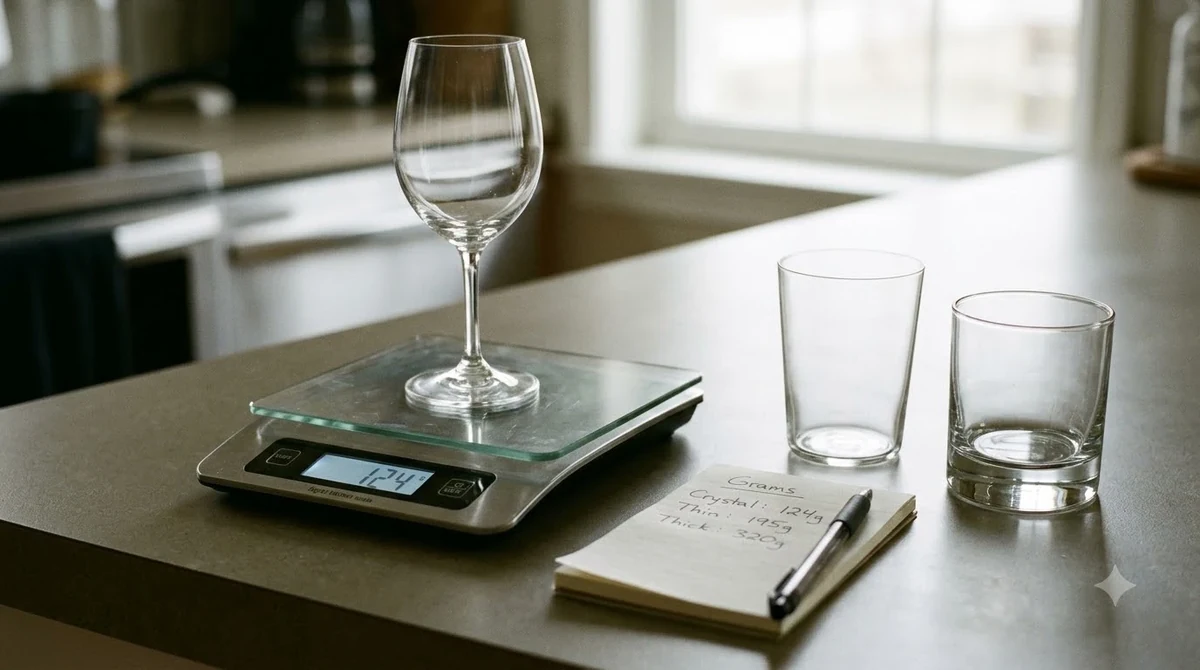
The brand’s identity is closely associated with its pulled-stem technique. Rather than attaching a separately formed stem with a noticeable joint, the manufacturing process draws the stem from the bowl and melts it into the base. This creates a continuous-looking profile without the obvious seams associated with some conventional glassware. The manufacturer identifies this construction as an important contributor to the strength and appearance of its stemware.
Material is another important distinction. Stölzle describes its crystal as lead-free crystalline glass, which provides brilliance and transparency without relying on lead oxide. This makes the range relevant to shoppers specifically searching for lead free crystal wine glasses. Lead-free crystal should not be confused with ordinary soda-lime glass: the composition and manufacturing process are intended to deliver the clarity and refined appearance associated with crystal glassware.
Specifications vary considerably by collection and glass shape. The manufacturer’s Ultra white wine glass provides a useful example of the practical side of the range. It is a machine-made, dishwasher-resistant glass with a relatively compact footprint and a capacity suitable for aromatic white wines.
| Specification | Ultra White Wine Glass |
|---|---|
| Material | Lead-free crystal glass |
| Manufacturing method | Machine-made |
| Capacity | 375 ml |
| Weight | 152 g |
| Height | 194 mm |
| Upper diameter | 64 mm |
| Maximum diameter | 80 mm |
| Bottom diameter | 72.5 mm |
| Dishwasher resistance | Yes, according to manufacturer |
| Collection | Ultra, Classic Line |
These specifications illustrate why it is important to compare individual glasses rather than assume every Stölzle model has the same construction or dimensions. A 375 ml white wine glass serves a different purpose from a large Bordeaux bowl or a broad Burgundy glass. The manufacturer also offers designs for sparkling wine, rosé, and other beverages, allowing buyers to build a coordinated collection.
For shoppers comparing different manufacturers, the broader crystal wine glasses category provides useful context. Stölzle’s particular appeal is its combination of crystal clarity and manufacturing consistency, rather than a claim that every glass in its range is handmade.
The company’s official tableware overview describes its specialization in lead-free crystal and machine-pulled stems. This is useful background for understanding why the construction method is a recurring feature across its stemware collections.
What Owners Like About Stölzle Wine Glasses
Customer feedback frequently highlights attractive designs, clear glass, refined proportions, and perceived quality. The combination of elegant presentation and practical construction makes the brand appealing to people who want their everyday wine service to look more considered.
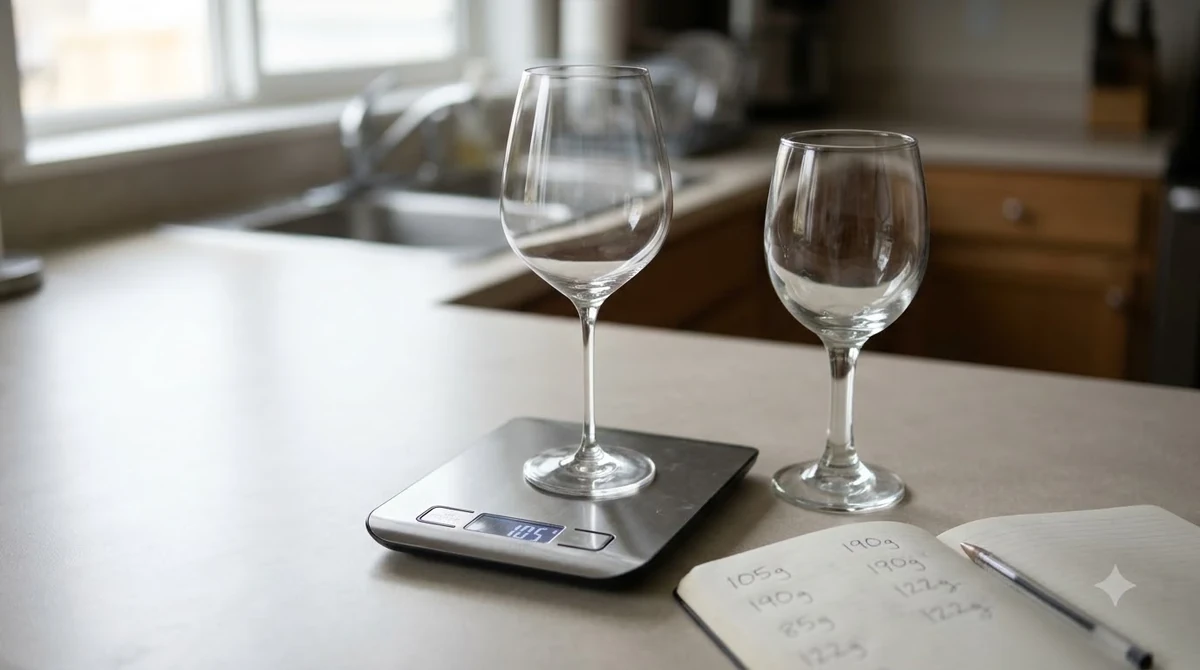
One recurring positive theme in customer feedback is appearance. Verified reviews summarized by Trusted Shops describe the glasses as elegant, attractive, and well made. Buyers often appreciate the clean silhouettes and transparent crystal, particularly when serving wine at dinner parties or using matching glasses for a complete table setting. The visual presentation is especially relevant for clear stemware because the color of the wine remains visible without decorative patterns distracting from the liquid.
Another advantage is the range of available shapes. A dedicated white wine glass can accommodate wines such as Sauvignon Blanc, Pinot Grigio, or Chardonnay, while a larger red wine bowl offers more room for swirling and aroma development. This variety gives buyers the option of matching their glassware to their preferred wine styles rather than relying on one generic shape for every bottle.
Construction that looks refined
The pulled-stem design is a notable feature. A smooth transition between the bowl and stem creates a clean visual line, while the absence of a prominent attachment seam gives the glass a more unified appearance. The base also contributes to the balanced presentation of the finished glass.
This construction is particularly attractive to people who appreciate traditional stemware proportions but prefer the consistency of machine production. Stölzle specializes in this manufacturing approach, making it a recognizable part of the brand’s design identity.
Positive impressions of quality and customer service
Customer feedback also highlights the appearance and perceived quality of the glassware, alongside positive experiences with replacement deliveries and customer support. Some customers report that damaged items were addressed promptly after contacting the retailer or manufacturer. Such experiences are useful when evaluating fragile household purchases, although individual service outcomes can vary.
The combination of visual quality and a wide selection makes Stölzle appealing to households that regularly serve wine. A coordinated set of four or six glasses can create a consistent table presentation, while additional shapes allow more serious wine enthusiasts to build a collection around particular grape varieties.
For general-purpose shopping, the wine glasses category is also useful because it puts specialized crystal designs into perspective alongside simpler everyday alternatives.
Common Complaints and Potential Drawbacks
The main drawback reported by some customers is delicacy. Although the manufacturer emphasizes the strength of its pulled-stem construction, thin walls and refined rims still require sensible handling, especially during washing, storage, and transport.
Customer feedback is not uniformly positive. Some verified reviewers describe particular glasses as extremely thin and express concerns about long-term durability under frequent use. Other complaints involve delivery delays, inadequate packaging, or individual glasses arriving broken. These reports should be considered alongside the more positive experiences rather than treated as proof that every Stölzle glass has the same weakness.
It is also important to separate structural durability from resistance to accidental impact. A pulled stem may provide a more integrated construction, but it cannot make a crystal bowl immune to chips or fractures. A thin rim remains vulnerable if it strikes another glass, a metal faucet, or the edge of a sink.
Thin rims require careful washing
Buyers accustomed to thick restaurant tumblers or heavy everyday wine glasses may initially find some Stölzle designs surprisingly delicate. A lightweight glass can feel elegant, but it may not be the ideal option for households where glasses are handled roughly or frequently placed in crowded dish racks.
Dishwasher resistance is a useful feature, but it does not eliminate the possibility of damage. Glasses should have enough space between them to avoid contact during a wash cycle. A crowded dishwasher basket can cause otherwise serviceable crystal to chip when the machine vibrates.
Shipping and packaging deserve attention
Some customer complaints concern broken glasses on arrival and packaging that did not provide adequate protection. Other buyers report satisfactory replacement experiences, which suggests that the outcome can depend on the retailer, shipping process, and handling of the parcel.
For an online purchase, inspect the shipment promptly and retain the packaging until the order has been checked. Photograph any damage before disposing of the protective materials. If a glass arrives broken or has a manufacturing defect, contact the seller through its stated returns or replacement procedure.
Tip: If thin-rimmed crystal is your preference, keep a separate everyday set for larger gatherings or casual outdoor use. This lets you enjoy refined stemware for dinner without exposing every glass to unnecessary handling risks.
Who Should Buy Stölzle Crystal Wine Glasses and Who Should Skip Them
Stölzle is particularly appealing to buyers who value clear lead-free crystal, coordinated designs, and wine-specific bowl shapes. It is less suitable for shoppers whose first priority is maximum impact resistance or heavy-duty glassware that can tolerate careless handling.
Wine enthusiasts who regularly serve Cabernet Sauvignon, Pinot Noir, Chardonnay, or Riesling can benefit from selecting shapes designed around those wines. A broad red wine bowl gives fuller-bodied reds room for aeration, while a more compact white wine bowl helps maintain a manageable serving size and supports the presentation of fresh aromatic wines.
Stölzle’s range also suits people who want matching glassware without restricting themselves to one size. The different series provide options for everyday dining, formal occasions, and more specialized wine service. A household might choose a versatile white wine glass and a larger red wine glass rather than buying a separate design for every grape variety.
Good reasons to buy
- You prefer lead-free crystal with clear, transparent walls.
- You want German-made glassware with a long-established manufacturing background.
- You appreciate pulled-stem construction and clean visual proportions.
- You want different bowl shapes for white wines, red wines, rosé, and sparkling wines.
- You prefer glassware that combines refined presentation with dishwasher-resistant options.
- You are comfortable handling thinner glass carefully.
Reasons to consider another style
- You need thick-walled glasses for frequent outdoor entertaining.
- You prefer heavy stemware that feels substantial in the hand.
- Your household regularly puts glasses into crowded dishwashers.
- You want glassware that can withstand frequent accidental knocks.
- You dislike delicate rims and lightweight construction.
There is also a practical distinction between occasional and intensive use. Someone who opens a bottle of wine on weekends and handles glassware carefully may appreciate a refined crystal set. A busy household serving numerous guests every day might prefer a sturdier design with thicker walls, even if the presentation is less delicate.
Buyers should also consider the number of glasses needed. A set of six works well for smaller dinner parties, while households that regularly entertain larger groups may prefer to purchase additional matching sets or choose a more durable everyday collection.
How Stölzle Compares to Other Crystal Wine Glass Options
Stölzle occupies an appealing position for buyers seeking crystal clarity and specialized wine shapes without insisting on handmade production. Its machine-made collections emphasize consistency, while the manufacturer’s broader catalog also includes more exclusive handmade options.
One useful comparison is between the brand’s different manufacturing approaches. Machine-made glassware is generally attractive to people who want consistent dimensions across multiple glasses. Handmade stemware appeals to buyers who value traditional glassmaking, individual craftsmanship, and particularly delicate proportions. Neither approach automatically guarantees better wine performance; the shape, balance, rim, and overall quality remain important.
Stölzle’s Ultra collection demonstrates the practical side of the range. Its shorter stems, low center of gravity, and compact proportions make the glasses easier to handle and store. The manufacturer’s product description specifically identifies outdoor dining and catering as suitable uses. That does not mean every model is equally suited to rough handling, but the collection shows that the company considers usability alongside appearance.
Stölzle versus conventional everyday glassware
Compared with basic everyday wine glasses, crystal stemware generally offers a more refined appearance and greater visual brilliance. Stölzle’s clear bowls and narrow rims support an elegant presentation, while its different collections offer more specialized proportions than many basic all-purpose designs.
However, conventional glassware can still be the better option for people who prioritize thick walls and simple replacement. A less delicate glass may be more appropriate for family gatherings, outdoor meals, and situations where glassware is handled by numerous guests.
Stölzle versus handmade crystal
Handmade crystal can provide a lighter and more individualized feel. Stölzle’s Q1 series, for example, is identified in the manufacturer’s catalog as a mouth-blown collection with delicate stems. The company also offers machine-made premium and classic collections, giving shoppers a choice between different production methods.
The right choice depends on the intended use. A collector seeking traditional craftsmanship may prefer a handmade design, while someone furnishing a complete dining set may prioritize consistency, availability, and straightforward replacement. Stölzle’s range accommodates both preferences rather than committing exclusively to one manufacturing category.
For a practical buying decision, compare the bowl capacity, overall height, rim thickness, weight, and cleaning requirements of the specific models under consideration. Two glasses from the same manufacturer can have very different handling characteristics, even when they use the same broad material category.
The manufacturer’s Ultra white wine glass product description provides a useful example of how these differences translate into actual dimensions and intended uses. Its 375 ml capacity and 194 mm height make it a more compact option than many large-format red wine glasses.
Frequently Asked Questions
Are Stölzle crystal wine glasses made in Germany?
Stölzle Lausitz identifies Weißwasser in Germany as the location where its glassmaking history began in 1889. The company describes its Lausitz production heritage as central to its identity. Its German manufacturing background is one of the brand’s distinguishing characteristics.
Do Stölzle crystal glasses contain lead oxide?
The manufacturer describes its crystalline glass as 100% lead-free. Its catalog also discusses the use of alternative components in its glass composition. This distinguishes the material from traditional lead crystal formulations.
Can Stölzle glasses be used for cocktails?
Yes. The company produces cocktail glasses, tumblers, and other barware alongside its wine glasses. Its broader product selection includes dedicated bar collections, so shoppers do not need to restrict their Stölzle purchases to wine service.
Does Stölzle make glasses for professional restaurants?
Yes. The manufacturer’s tableware business identifies hotels, restaurants, and winemakers among its customers. Its selection includes multiple glass categories and designs intended for professional hospitality applications.
What is the difference between Stölzle Lausitz and Stölzle Oberglas?
Both names belong to the wider Stölzle glass manufacturing organization, but they identify different parts of its business and manufacturing history. Stölzle Lausitz is associated with the German glassworks in Weißwasser, while Stölzle Oberglas is another production operation within the wider group.
Stölzle crystal wine glasses are worth considering for shoppers who want attractive lead-free crystal, thoughtful wine glass shapes, and a manufacturer with a long glassmaking history. Their principal trade-off is the care required by thinner, more refined designs, particularly during washing and storage. Choose a collection based on its individual dimensions and intended use, and Stölzle offers a compelling combination of presentation, manufacturing consistency, and practical wine service.
More in Wine Glasses
 Spiegelau Crystal Wine Glasses That Bring Clarity to Every PourUpdated Nov 21, 2026
 Zalto Crystal Wine Glasses: Are They Worth the Investment?Updated Nov 21, 2026
 Villeroy And Boch White Wine Glasses for a More Cohesive TableUpdated Nov 21, 2026
 Zalto Wine Glasses On Sale: Find the Right Denk’Art GlassUpdated Nov 21, 2026
 Zwiesel Glas Champagne Glasses: Features, Quality and Buying AdviceUpdated Nov 21, 2026
 Zwiesel Glas Decanter Review: A Durable, Elegant Choice for Wine ServiceUpdated Nov 21, 2026