

We may earn a commission when you buy through links on this page, at no extra cost to you. Learn more.
This sterling wine review finds Sterling Vineyards a worthwhile choice for drinkers seeking approachable California wines, especially Napa Valley Cabernet Sauvignon and Chardonnay. The winery offers several grape varieties and vineyard-designated releases, giving shoppers options ranging from familiar everyday styles to more distinctive Napa Valley bottles. The best choice depends on your preferred grape, desired structure, food pairings, and how much vineyard character you want in the glass.
Sterling Vineyards has a recognizable place in California wine, combining a long Napa Valley history with a broad selection of red and white wines. Its Cabernet Sauvignon is a natural starting point for red wine drinkers, while Chardonnay offers a fruit-forward alternative with oak-influenced richness. Understanding the differences between its Napa Valley, Reserve, and vineyard-specific selections makes shopping considerably easier. This guide examines the winery, its main styles, and the practical details that matter before choosing a bottle.
Who This Is For
Sterling Vineyards is worth considering for shoppers who enjoy recognizable California grape varieties, especially Cabernet Sauvignon, Merlot, and Chardonnay. Its selection includes wines from Napa Valley and more specific growing areas, making it possible to choose between familiar regional expressions and more focused vineyard releases.

Cabernet Sauvignon drinkers are an obvious audience. Sterling’s vineyard portfolio includes fruit from Diamond Mountain, Calistoga, and Mount Veeder. These locations offer different growing conditions, and the winery describes its Diamond Mountain Ranch as a particularly demanding mountain site. Its 120 acres of vines grow between 1,700 and 2,000 feet, where steep slopes and volcanic soils contribute to concentrated fruit. Shoppers who appreciate full-bodied reds with noticeable tannin may find this category especially interesting.
Chardonnay drinkers also have a reason to explore the brand. Sterling’s Napa Valley Chardonnay combines fruit characteristics such as citrus, apple, pineapple, and melon with oak-related notes of vanilla and brioche. The result is a style that makes sense for people who prefer a rounded white wine rather than a very lean, mineral-driven expression. Its listed 14.5% ABV also makes it useful to consider alcohol strength when choosing a bottle for a meal.
The brand can also suit shoppers buying wine for gatherings, dinners, and gifts. Cabernet Sauvignon is a familiar choice for steak dinners, while Chardonnay is versatile enough for roasted poultry, creamy pasta, and richer seafood dishes. People who want an extensive range of obscure grape varieties or consistently light-bodied wines may need to look beyond the main Sterling selections.
For readers exploring the producer before buying, the broader Wine Brands collection provides a useful starting point for understanding how established wineries organize their portfolios. Sterling is particularly interesting because its vineyard history and regional identity are closely connected to Napa Valley.
Key Factors to Compare
The most useful Sterling buying factors are grape variety, appellation, collection level, vineyard origin, and alcohol strength. Comparing these details helps distinguish a familiar Napa Valley bottle from a more specialized vineyard release.
Start with the grape. Cabernet Sauvignon generally brings firmer tannin and darker fruit characteristics, while Chardonnay provides a white-wine option with fruit richness and oak influence. Merlot is usually softer in tannin than Cabernet Sauvignon, making it a useful alternative for drinkers who prefer a less structured red. Cabernet Franc and Petite Sirah offer additional directions for shoppers interested in different expressions of California red wine.
Next, look at the geographical designation. A Napa Valley label communicates a broader regional origin, while a designation such as Diamond Mountain District or a named vineyard points toward a more specific source. Sterling’s vineyard descriptions show why this distinction matters: its Diamond Mountain Ranch has elevated, steep terrain, while Bear Flats in Calistoga experiences warm daytime conditions following cool mornings. These growing environments can influence grape ripeness, concentration, and the character of the resulting wines. Sterling provides further details about its vineyard locations and plantings in its official vineyard portfolio.
| Comparison factor | Sterling example | Useful buying detail |
|---|---|---|
| Founding year | 1964 | Established Napa Valley producer |
| First vintage-dated Merlot | 1969 | Early focus on varietal wines |
| Diamond Mountain Ranch | 120 acres | Mountain-grown Cabernet and Bordeaux varieties |
| Bear Flats Estate Vineyard | 87 acres | Calistoga Cabernet Sauvignon and Merlot |
| Larsen Ranch | 50 acres | Sauvignon Blanc and Cabernet Sauvignon |
| Petersen Ranch | 60 planted acres | Concentrated Cabernet Sauvignon source |
| Calistoga Ranch | 45 acres | Sauvignon Blanc planting |
| Example Chardonnay bottle | 750 ml | Standard bottle format |
| Example Chardonnay alcohol | 14.5% ABV | Relatively full-strength white wine |
| Example Chardonnay blend | 100% Chardonnay | Single-grape varietal wine |
Collection level is another important consideration. Sterling’s broader Napa Valley selections are a sensible place to begin, while Reserve and vineyard-designated bottles are useful for shoppers seeking more specific expressions. The winery’s portfolio includes releases associated with Diamond Mountain, Calistoga, Yates Family Vineyard, Petersen Ranch, and other locations. These names are more than decorative label details: they identify different sources within the region.
Finally, compare alcohol strength and serving expectations. Sterling’s 2023 Napa Valley Chardonnay lists 14.5% ABV, which is useful information for anyone choosing between whites of different weights. The wine’s technical information also identifies a 750 ml bottle and a 100% Chardonnay composition. Its official Chardonnay product information also describes its oak treatment and tasting profile. For an overview of the available reds, the dedicated Sterling red wine selection is a useful next stop.
Tip: Compare wines from the same grape before comparing different collection levels. For example, looking at two Sterling Cabernet Sauvignon bottles makes it easier to understand how appellation and vineyard origin influence the choice.
Step-by-Step: How to Choose a Sterling Wine
A simple buying process can narrow Sterling’s portfolio without requiring specialist wine knowledge. Begin with the occasion, choose the grape variety, and then decide how specific you want the wine’s regional origin to be.
-
Decide whether you want red or white wine.
For a steak dinner, grilled lamb, or a hearty mushroom dish, begin with Cabernet Sauvignon or another structured red. For roasted chicken, seafood with butter sauce, or creamy pasta, consider Chardonnay. A white-wine drinker who prefers brighter acidity may also want to explore Sauvignon Blanc if available in the selection being considered.
-
Choose a grape variety that matches your preferred structure.
Cabernet Sauvignon has high tannin and generally creates a firm, substantial mouthfeel. Merlot is typically softer, while Pinot Noir usually has lower-to-medium tannin and higher acidity. Chardonnay offers a different experience altogether, with body and texture influenced by ripeness, fermentation, and oak treatment.
-
Identify the regional designation.
A Napa Valley designation is a useful broad starting point. If you want a more geographically specific wine, investigate Calistoga, Diamond Mountain District, or Mount Veeder. A named vineyard release is another option for shoppers interested in a narrower expression of a particular growing site.
-
Choose the collection level.
Start with a standard regional selection if you want a straightforward introduction to the producer. Move toward Reserve or vineyard-designated bottles if you are interested in a more specific origin and a more focused Cabernet Sauvignon experience. A higher collection level does not automatically mean that a wine will better match your preferences.
-
Consider the food and serving temperature.
Serve full-bodied Cabernet Sauvignon at approximately 60 to 65 degrees Fahrenheit. Light reds such as Pinot Noir are generally better around 55 to 60 degrees. Chardonnay is usually most enjoyable around 50 to 55 degrees, while lighter whites are better around 45 to 50 degrees.
-
Compare the technical information.
Look at the vintage, grape composition, alcohol percentage, and oak treatment. Sterling’s 2023 Napa Valley Chardonnay, for example, lists 100% Chardonnay and 14.5% ABV. Its winemaking information identifies both French and American oak, offering a more detailed picture than the grape name alone.
-
Choose the bottle for the actual occasion.
A casual meal does not necessarily call for a vineyard-designated Cabernet. Conversely, a special dinner may justify choosing a more specific Napa Valley release. Think about the people drinking the wine, the menu, and whether the bottle will be opened immediately or kept for another occasion.
These steps are especially helpful when comparing several bottles with similar grape names. A Cabernet Sauvignon from a broad regional selection and one from a mountain vineyard can offer different levels of structure and concentration. The goal is to find the expression that suits the meal and personal preference, rather than choosing solely by the prestige of the designation.
Sterling Wine Types and Styles Explained
Sterling’s range includes several red and white varieties, with Cabernet Sauvignon and Chardonnay providing particularly useful starting points. Its vineyard portfolio also gives shoppers access to wines associated with different Napa Valley growing areas.

Cabernet Sauvignon
Cabernet Sauvignon is the natural first choice for drinkers who enjoy structured California reds. It typically has high tannin, a substantial body, and flavors associated with dark fruit, including blackcurrant and blackberry. Depending on the wine’s origin and production choices, it may also show cedar, spice, herbal notes, or oak-derived characteristics.
Sterling’s Cabernet Sauvignon portfolio includes Napa Valley selections and wines associated with more specific sites. Diamond Mountain is particularly interesting because Sterling describes its steep terrain and low-vigor volcanic soils as producing small, concentrated fruit clusters. Its Petersen Ranch vineyard is another important Cabernet source, with the winery describing its wines as intense and rich.
For food, Cabernet Sauvignon works especially well with grilled beef, lamb, aged hard cheeses, and dishes with substantial protein and fat. Salt and fat can soften the perception of tannin, helping the wine feel more balanced with a rich meal. Very spicy dishes are less reliable partners because alcohol and tannin can intensify chili heat.
Merlot
Merlot is a useful alternative for people who like red wine but find Cabernet Sauvignon too firm. It generally has medium tannin and a softer texture, with ripe plum, cherry, and blackberry among its familiar flavor characteristics. Its approachable structure makes it practical for dinners that include roasted poultry, burgers, pork, and tomato-based dishes.
Sterling has an important historical connection to Merlot. The winery bottled its first vintage-dated Napa Valley Merlot in 1969, at a time when the variety was frequently treated as a blending grape. Its Bear Flats vineyard also grows Merlot alongside Cabernet Sauvignon, providing a clear example of the winery’s long-standing interest in both varieties.
Chardonnay
Chardonnay is the main starting point for shoppers looking for a Sterling white wine. The producer’s 2023 Napa Valley Chardonnay is made from 100% Chardonnay and features citrus, Granny Smith apple, lime, pineapple, and melon in its tasting description. Vanilla, brioche toast, and shortbread provide additional notes associated with its oak-influenced style.
The winemaking information describes fermentation using 65% French oak and 35% American oak, with the wine completing malolactic fermentation. These decisions help explain the rounded texture and richer flavor profile. Its listed 14.5% alcohol level also places it among fuller-strength white wines rather than particularly delicate, low-alcohol expressions.
Chardonnay pairs well with roast chicken, pork, lobster, creamy pasta, and dishes with buttery sauces. Its acidity helps provide balance against richer ingredients, while its fuller body makes it more suitable for substantial meals than very light seafood preparations. For a closer look at the white selection, visit the Sterling white wine collection.
Cabernet Franc and Other Red Varieties
Cabernet Franc is worth considering for shoppers who enjoy Cabernet Sauvignon but want a different aromatic profile. It commonly offers red fruit, herbal notes, and medium-to-high tannin, depending on the growing region and production method. Sterling’s Diamond Mountain Ranch grows Cabernet Franc alongside Cabernet Sauvignon, Malbec, and Petit Verdot.
Petite Sirah and Pinot Noir provide additional alternatives. Petite Sirah generally has deep color, substantial tannin, and concentrated dark-fruit flavors, making it appropriate for rich grilled foods and hearty stews. Pinot Noir is usually lighter in tannin and more acidic, offering a different option for salmon, roast chicken, and mushroom dishes. These varieties should not be expected to taste like Cabernet Sauvignon simply because they share the same producer.
Understanding the Vineyard Differences
Sterling’s vineyard descriptions demonstrate why Napa Valley should not be treated as one uniform growing environment. Diamond Mountain Ranch sits high on the Mayacamas Mountains, while Bear Flats occupies a different position in the Calistoga AVA. The winery describes Bear Flats as having cool mornings and warmer daytime conditions that extend the ripening period.
Other properties have different planting focuses. Larsen Ranch grows Sauvignon Blanc and Cabernet Sauvignon, while Calistoga Ranch is planted exclusively with Sauvignon Blanc. Petersen Ranch focuses on Cabernet Sauvignon and features terraced mountain slopes. These differences give wine shoppers a useful way to understand the producer’s geographical range without assuming that every Sterling bottle follows the same style.
Readers interested in the brand’s wider background can also consult Sterling wine information for additional context on its regional selections and grape varieties.
Common Mistakes When Buying Sterling Wine
The most common buying mistakes involve treating every Sterling Cabernet as interchangeable, overlooking the importance of grape variety, and assuming that a more specific vineyard designation guarantees a better match. Paying attention to the label and the wine’s intended style helps avoid these problems.
Assuming all Napa Valley Cabernet Sauvignon tastes alike is a particularly common mistake. Napa Valley contains multiple growing areas with different elevations, soils, and climatic influences. Sterling’s Diamond Mountain Ranch, for example, is a mountain property with volcanic soils, while Bear Flats in Calistoga has gravelly loam and a different daily temperature pattern. These conditions help explain why wines from different locations can vary in concentration, texture, and aromatic character.
Choosing by collection name alone can also lead to disappointment. Reserve and vineyard-specific labels communicate positioning and origin, but they do not tell you whether a wine is the right match for your taste. Someone who prefers soft, fruit-forward reds may be happier with Merlot than a concentrated mountain Cabernet Sauvignon, even if the latter has a more specialized designation. The grape and expected structure should remain central to the decision.
Ignoring alcohol strength is another avoidable error. Sterling’s 2023 Napa Valley Chardonnay lists 14.5% ABV, so it is useful to understand that the wine has a relatively full-strength profile. A drinker expecting a very light white wine may find its body and alcohol presence more substantial than anticipated. Technical details can help set realistic expectations before opening a bottle.
Serving wine too warm or too cold can obscure its characteristics. A full-bodied Cabernet served at a warm room temperature may seem heavier and more alcoholic than intended. Chardonnay served straight from an especially cold refrigerator can lose some of its aromatic detail. A little attention to temperature can make a noticeable difference without requiring specialist equipment.
Pairing the wrong food with the wine is equally important. Cabernet Sauvignon can become harsh alongside very spicy dishes, while its tannin may feel more balanced with fatty beef or lamb. Oily fish can clash with tannic reds, so Pinot Noir or Chardonnay is generally a more practical direction for salmon or other richer fish preparations. Sweet wines should be at least as sweet as the dessert they accompany.
Finally, do not assume that an older bottle is automatically better. Vintage, storage conditions, grape variety, and the wine’s intended drinking window all influence how it develops. A young Cabernet Sauvignon may benefit from 30 to 60 minutes of decanting, while a fresh Chardonnay generally does not need the same treatment.
Care and Storage Tips for Sterling Wines
Good storage and correct serving temperatures help preserve the wine’s intended character. Keep unopened bottles away from excessive heat and light, and adjust the serving temperature to the grape variety and body.
For bottles intended to be stored rather than opened immediately, a consistent environment near 55 degrees Fahrenheit is a useful target. Avoid places that experience frequent temperature changes, such as kitchen cabinets near ovens or sunny shelves. If a bottle has a natural cork closure, storing it on its side helps keep the cork in contact with the wine. Limit vibration and strong light exposure, particularly for bottles being kept for an extended period.
Serving temperature should reflect the wine’s style rather than the temperature of the room. Sterling Cabernet Sauvignon and other full-bodied reds are generally best around 60 to 65 degrees Fahrenheit. Lighter reds such as Pinot Noir are better around 55 to 60 degrees. Full-bodied Chardonnay is usually served at 50 to 55 degrees, while lighter whites and rosé are best around 45 to 50 degrees.
Young, structured Cabernet Sauvignon may benefit from decanting for approximately 30 to 60 minutes. This allows the wine to interact with oxygen and can make its aromas and texture more expressive. It is not necessary for every bottle, and older wines may require a gentler approach because excessive exposure to air can diminish delicate aromas.
For ordinary dinner service, a standard 750 ml bottle provides approximately five servings when each pour is 5 ounces. This is a useful planning measurement for a dinner party of four or five adults, depending on the number of wines being served. Use appropriate stemware, avoid filling glasses too high, and leave enough room for swirling and evaluating aromas.
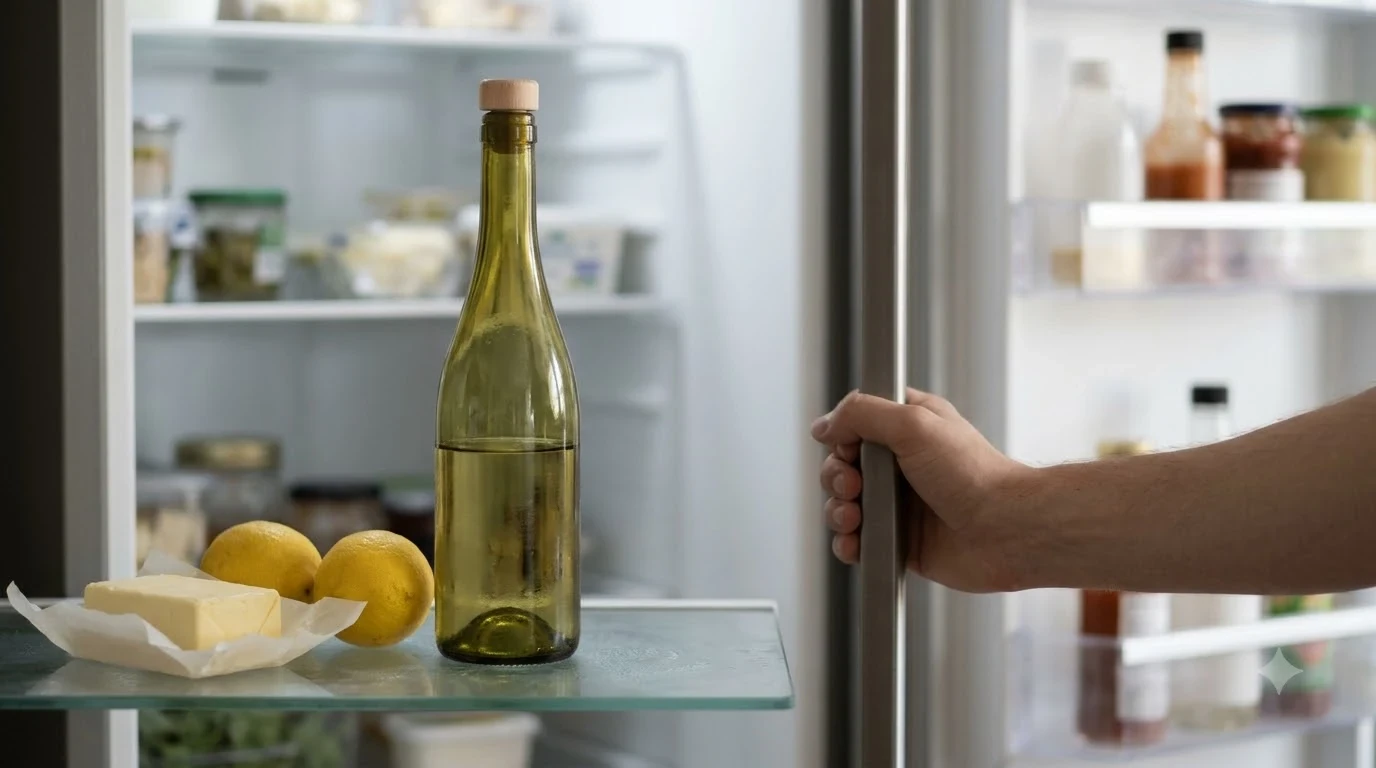
Opened still wines generally keep for about three to five days in the refrigerator when properly recorked or sealed. Refrigeration slows oxidation even for red wines, which can be brought back toward their preferred serving temperature before the next pour. Sparkling wines usually keep for one to three days with a suitable sparkling-wine stopper. Always assess an opened bottle for changes in aroma and flavor rather than assuming it remains fresh for a fixed period.
Chardonnay should be returned to the refrigerator after serving, while Cabernet Sauvignon can also be refrigerated after opening. Avoid leaving either bottle exposed to warm air overnight. Consistent storage is more useful than elaborate equipment, especially for wines intended to be enjoyed within a relatively short period.
Frequently Asked Questions
Is Sterling Vineyards an old Napa Valley winery?
Yes. Sterling Vineyards was founded in 1964, and its winery opened to the public in 1972. The original architecture was inspired by Mykonos, Greece, and the property became known for its elevated location and aerial gondola experience.
What is the significance of Sterling’s gondola?
The gondola transports visitors to the hilltop winery, which sits approximately 300 feet above the surrounding valley landscape. It is a distinctive part of the visitor experience and reflects the founders’ intention to make the property a destination as well as a place of wine production.
Does Sterling make Sauvignon Blanc?
Yes. Sauvignon Blanc was among Sterling’s first vintages in 1969. Its vineyard portfolio includes Calistoga Ranch, a 45-acre property planted exclusively with Sauvignon Blanc, and Larsen Ranch, which also grows the variety alongside Cabernet Sauvignon.
What does AVA mean on a Sterling wine label?
AVA stands for American Viticultural Area, a federally recognized grape-growing region with defined geographical boundaries. Diamond Mountain and Calistoga are examples of AVAs associated with Sterling’s vineyards. An AVA designation identifies geographical origin rather than guaranteeing a particular quality level or flavor profile.
Can Sterling wines be used for cooking?
Yes. Dry Sterling Chardonnay can work in cream sauces, pan sauces, and dishes involving poultry or mushrooms. Cabernet Sauvignon and Merlot can be used in beef braises and red-wine reductions. Choose a wine whose flavor is appropriate for the finished dish rather than using a wine with noticeable sweetness when the recipe calls for a dry style.
Sterling Vineyards offers a broad introduction to Napa Valley wine, with Cabernet Sauvignon, Chardonnay, Merlot, and other varieties covering different preferences and occasions. Its vineyard-specific selections provide another reason to explore beyond the familiar regional bottles. Start with the grape you enjoy most, compare the geographical designation, and choose a style that complements the food and setting.
More in Wine Brands
 Louis Latour Wine Price: Compare Bottles by Style and TierUpdated Nov 20, 2026
 Yellow Tail Moscato Price: What to Expect Before You BuyUpdated Nov 20, 2026
 Sutter Home Sweet Red Review: Find the Right Food PairingsUpdated Nov 20, 2026
 Franzia Chillable Red Review: Find the Right Serving StyleUpdated Nov 20, 2026
 Veuve Clicquot Rose Review: Flavor, Food Pairings and Buying AdviceUpdated Nov 20, 2026
 Rombauer Wine Price: Compare Bottles Before You BuyUpdated Nov 20, 2026