

We may earn a commission when you buy through links on this page, at no extra cost to you. Learn more.
Spiegelau champagne flutes are a worthwhile choice for sparkling wine drinkers who want clear crystal glassware, elegant proportions, and a refined presentation for Champagne, Prosecco, and other bubbly wines. The Winelovers Champagne Flute is particularly appealing because it combines machine-made crystal construction with Spiegelau’s Perlage Driver bubble-enhancing feature. However, its narrow bowl prioritizes the appearance of bubbles over the full aromatic development that a wider tulip-shaped glass can provide.
Choosing Champagne glasses involves more than finding something attractive for a celebration. Bowl shape, rim diameter, glass clarity, handling, and cleaning all influence how practical a set will be over time. Spiegelau offers several Champagne glass designs, including the Winelovers, Style, and Authentis collections. This review focuses primarily on the Winelovers Champagne Flute, with additional comparisons to other Spiegelau designs to explain which option makes the most sense for different households.
Specs and Key Features of Spiegelau Winelovers Champagne Flutes
The Spiegelau Winelovers Champagne Flute combines clear crystal construction, a slender profile, and a dedicated feature intended to encourage consistent bubble formation. Its specifications make it an attractive option for traditional Champagne service, particularly when presentation and a steady stream of bubbles matter.
The manufacturer’s product listing identifies the glass by article number 4090187 and describes it as suitable for light, fresh, dry Champagne, Prosecco, and sparkling wines. Its relatively narrow bowl creates the familiar flute appearance, while the long stem provides a conventional way to hold the glass without placing fingers around the wine chamber.
The most interesting technical detail is Spiegelau’s Perlage Driver. This is a specially positioned mousse point designed to promote a fine, continuous stream of bubbles. In sparkling wine service, bubble movement contributes to the visual appeal of a pour and helps release aromatic compounds into the air.
It is important to distinguish the manufacturer’s design intention from a guarantee about how long Champagne will remain sparkling. Carbonation also depends on the wine’s initial condition, serving temperature, pouring technique, and exposure to air. The Perlage Driver is a useful design detail, but it does not replace proper chilling or careful serving.
| Specification | Winelovers Champagne Flute |
|---|---|
| Manufacturer | Spiegelau |
| Collection | Winelovers |
| Article number | 4090187 |
| Material | Clear crystal glass |
| Manufacturing | Machine-made |
| Exterior height | 8.622 inches |
| Maximum diameter | 2.677 inches |
| Packaging | Set of 4 |
| Bubble feature | SPIEGELAU Perlage Driver |
| Dishwasher care | Dishwasher safe |
These measurements come from Spiegelau’s product specifications rather than estimates based on photographs. The manufacturer does not provide a capacity figure in the product specifications consulted here, so it is better not to assume that every Winelovers flute holds the same amount as another Spiegelau model.
For comparison, the Spiegelau Style Champagne Flute, article number 4670187, measures approximately 8.858 inches tall and 2.835 inches at its widest point. That makes it slightly taller and broader than the Winelovers version. The two designs have similar overall proportions, but they should not be treated as interchangeable models because they belong to separate collections.
Material is another important distinction. Spiegelau identifies the Winelovers flute as crystal glass, with machine-made construction. That combination offers clear presentation and consistent manufacturing. Machine-made does not mean that the glass is unsuitable for a formal dinner. It simply describes how the product is manufactured rather than suggesting that every piece is individually hand-shaped.
What Owners and Everyday Users May Appreciate
The strongest reasons to consider Spiegelau Champagne flutes are their clean appearance, recognizable flute silhouette, straightforward maintenance, and suitability for serving several types of sparkling wine. The Winelovers design is especially relevant to households that want matching glasses for regular celebrations rather than decorative pieces reserved for occasional use.
Clear crystal presentation
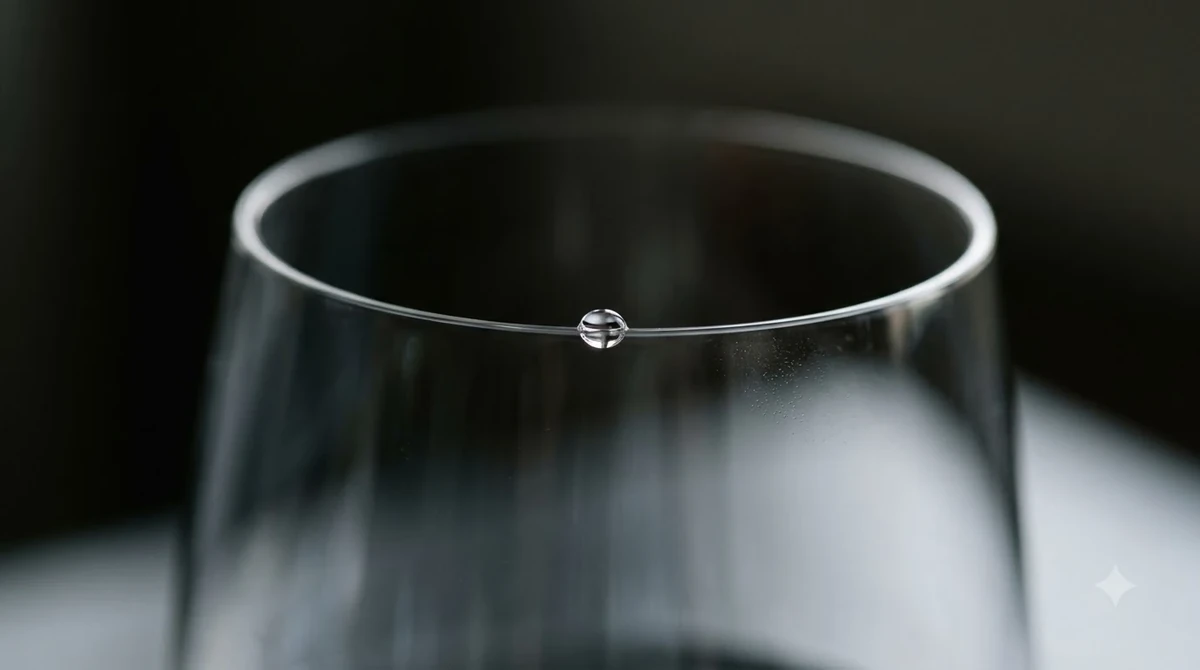
Transparent crystal glass allows the wine’s color and bubbles to remain visible. This matters particularly with Champagne, Prosecco, and sparkling rosé, where the visual presentation is part of the drinking experience. A clear glass also makes it easier to notice the differences between pale straw-colored sparkling wines, deeper golden styles, and pink sparkling wines.
The slender bowl directs attention toward the bubbles rising through the wine. For a wedding toast, holiday dinner, anniversary, or New Year’s Eve gathering, that traditional appearance has obvious appeal. It looks appropriate on a formal table without requiring elaborate decorations or unusual glass shapes.
A practical four-piece set
The Winelovers Champagne Flute is supplied in a set of four. This quantity works well for a couple who regularly entertain another couple or for a small household that prefers matching glassware. It is also a manageable starting point for someone gradually building a collection of dedicated sparkling wine glasses.
Four glasses are less convenient for larger parties, of course. A gathering of eight guests would require two sets, while a larger event might justify choosing a professional-oriented Spiegelau collection supplied in larger quantities.
Dishwasher-safe convenience
Spiegelau identifies the Winelovers Champagne Flute as dishwasher safe. That is a practical advantage for people who use their glassware regularly and do not want every post-dinner cleanup to involve handwashing a full set of stemware.
Nevertheless, dishwasher-safe glassware still deserves careful handling. Tall stemmed glasses can be vulnerable to knocking against other dishes, racks, or neighboring glasses. A secure arrangement with sufficient separation is preferable to filling every available space in the dishwasher.
A bubble-focused design
The Perlage Driver is one of the most distinctive features of this glass. Spiegelau positions a mousse point inside the glass to encourage the formation of a continuous stream of bubbles. This provides an additional visual detail beyond the ordinary shape of a traditional flute.
For younger sparkling wines, particularly fresh Brut Champagne and Prosecco, the steady movement of bubbles can be an appealing part of service. Wine Enthusiast also quotes professionals who appreciate the way a flute showcases effervescence and concentrates the visual experience of sparkling wine.
There is an important limitation, however: a bubble-focused glass is not necessarily the best choice for every bottle. Older Champagne and complex vintage sparkling wines can benefit from more room for aromatic development. The glass should suit the wine and the occasion rather than being selected solely because it is marketed for Champagne.
Common Complaints and Practical Limitations
Spiegelau Champagne flutes have several design trade-offs worth considering before purchasing a set. Their narrow bowls are attractive and useful for traditional presentation, but they limit aromatic space, require careful storage, and remain vulnerable to breakage despite their machine-made construction.
Narrow bowls restrict aromatic development
The most significant limitation is not unique to Spiegelau. It applies to traditional Champagne flutes generally. Their narrow openings give the wine less surface area for interacting with the air and leave less room for aromas to develop and gather above the liquid.
Wine Enthusiast discusses this issue through comments from hospitality professionals who prefer wider glass shapes for more complex sparkling wines. A flute can concentrate certain aromas, but that does not mean it provides the same aromatic experience as a tulip-shaped glass.
The distinction becomes particularly relevant with mature Champagne. A bottle that has developed notes of brioche, toasted nuts, baked apple, or dried citrus may benefit from a glass that allows those characteristics to open up. A narrow flute emphasizes the stream of bubbles, but it can make the wine’s broader aromatic profile harder to appreciate.
Fragile stemware still needs attention
Spiegelau explicitly warns that the Winelovers Champagne Flute can break if dropped or tipped over and that broken glass can produce sharp shards. That is a normal consideration with crystal stemware, but it deserves attention in households with limited cabinet space or crowded entertaining areas.
The long stem is part of the flute’s elegant appearance, yet it also creates a point that can be vulnerable to accidental impact. Carrying several glasses by their stems in one hand is less practical than using a stable tray. Similarly, storing them too close together can increase the likelihood of contact and chipping.
Flute proportions are not universally preferred
Some sparkling wine drinkers prefer a wider bowl, especially when they want to smell the wine before taking a sip. Others like a classic flute because it looks traditional and makes the bubbles the visual centerpiece.
Neither preference is inherently wrong. A narrow flute is a sensible choice for a quick celebratory toast, while a tulip-shaped glass can be more suitable for a longer tasting session. The decision depends on whether presentation, carbonation display, or aromatic complexity matters most.
Dishwasher-safe does not mean unbreakable
It is tempting to interpret a dishwasher-safe label as proof that a glass can withstand rough treatment. That is not what the designation means. Temperature changes, contact with other items, and pressure during loading can still cause damage.
Spiegelau’s machine-made construction is intended to provide consistent quality and everyday functionality. It should not be confused with a guarantee against breakage. Owners should treat the glass as reusable crystal stemware rather than as a heavy-duty tumbler.
Tip: If you regularly serve both simple Prosecco and expensive vintage Champagne, consider keeping traditional flutes for parties and a wider tulip-shaped glass for serious tasting. This gives each style of sparkling wine a more suitable serving vessel.
Who Should Buy Spiegelau Champagne Flutes and Who Should Skip Them
Spiegelau Winelovers Champagne flutes make the most sense for people who value traditional sparkling wine presentation, clear crystal, and practical everyday maintenance. They are less suitable for buyers who want one glass shape to handle every style of Champagne tasting or who prefer especially wide bowls.
Who should buy them
People who entertain regularly: A matching set of four is useful for small gatherings, dinner parties, and celebrations. The classic flute profile looks coordinated on a formal table and works with a range of sparkling wine styles.
Fans of Prosecco and fresh sparkling wines: Spiegelau specifically identifies light, fresh, dry Champagne, Prosecco, and sparkling wines as suitable choices for the Winelovers design. Its narrow silhouette and Perlage Driver feature complement the visual character of youthful, lively sparkling wine.
Buyers who want recognizable crystal glassware: The clear crystal construction offers a polished presentation without decorative patterns or colored finishes. This makes it relatively easy to coordinate with existing dinnerware and other stemware.
Households that prefer dishwasher-safe products: The manufacturer’s dishwasher-safe designation makes the glass more convenient for regular use than stemware that requires exclusively manual cleaning. Careful loading is still essential.
People building a coordinated glassware collection: The Winelovers collection includes other functional wine glass shapes, including Bordeaux and white wine glasses. Choosing matching pieces from the same collection can create a consistent look across different wine styles.
Who should skip them
Serious vintage Champagne enthusiasts: If aromatic complexity is the primary concern, a wider tulip-shaped glass is often a better starting point. It provides more space for the wine to develop while still narrowing toward the rim.
Buyers who prefer multipurpose glassware: A dedicated Champagne flute has a relatively specific role. Someone with limited cupboard space may get more practical use from a universal wine glass or a suitable white wine glass.
Households that frequently break stemware: The slender stem and relatively narrow bowl require reasonable care. If glassware is frequently knocked over during busy parties, a sturdier, shorter glass may be more practical.
People who dislike traditional flutes: A product does not become the right choice simply because it is associated with a famous glassmaker. If the narrow opening feels restrictive, a tulip or wider sparkling wine glass is likely to provide a more satisfying experience.
For additional options, our guide to champagne flutes explains the differences between traditional and contemporary designs. Readers comparing several types of sparkling wine glassware can also consult our selection of the best champagne glass options.
How Spiegelau Champagne Flutes Compare to Alternatives
Spiegelau offers several Champagne glass designs with different proportions and intended uses. The Winelovers, Style, and Authentis Pro collections demonstrate that choosing a brand is only part of the decision; the particular model, dimensions, and packaging format matter just as much.
Winelovers versus Style
The Winelovers Champagne Flute is a compact, relatively narrow option measuring approximately 8.622 inches tall with a maximum diameter of 2.677 inches. The Style Champagne Flute is slightly taller at approximately 8.858 inches and has a maximum diameter of 2.835 inches.
Both models use crystal glass and machine-made construction. The Winelovers version is particularly appealing to buyers interested in its clean, functional collection identity and four-piece set. Style offers a slightly different silhouette and is also promoted for Champagne, Prosecco, and sparkling wine service.
The difference in dimensions is modest, so it should not be exaggerated into a claim that one glass transforms the wine more effectively. Shape, rim width, fill level, and individual preferences all contribute to the experience.
Winelovers versus Authentis Pro
The Authentis Pro Champagne Flute is another option for buyers who want Spiegelau stemware. Its product listing identifies crystal glass, machine-made production, and dishwasher-safe care. Unlike the Winelovers set of four, the Authentis Pro product is packaged in units of twelve.
That larger packaging format may make more sense for restaurants, hospitality operations, tasting events, or households that regularly entertain larger groups. It is less convenient for someone who only needs a few glasses.
The Authentis collection also has a wine-focused identity, with Spiegelau describing its designs as intended to present a wine’s character and aromas. Buyers should compare the specific Champagne glass dimensions and availability rather than assuming that every glass in the collection has identical proportions.
Traditional flutes versus tulip-shaped glasses
The most important comparison is not necessarily between two Spiegelau collections. It is between a traditional flute and a wider tulip-shaped sparkling wine glass.
A flute provides an attractive stream of bubbles and a familiar celebratory appearance. A tulip glass has a broader bowl and a narrower upper opening, allowing more space for aromas to develop while helping direct them toward the nose.
Research discussed by the Wine and Spirit Education Trust provides useful context. Vicky Mackenzie’s study involved 89 participants, two non-vintage Pinot Noir-dominant Champagnes, and four different Riedel glass shapes. In the blindfolded group, the traditional flute received significantly lower aroma-intensity scores than the other three glass shapes.
The research also found that visual expectations influenced participants’ responses. That is a reminder that glassware is not simply a technical decision. Familiarity, appearance, and the occasion can influence how people perceive a wine.
The full discussion is available in the WSET Champagne glass research and analysis. Its findings support a practical distinction: choose a flute when the visual presentation of bubbles is important, and consider a tulip when exploring aroma is the priority.
How to choose between the models
For a small home collection, the Winelovers set of four is a logical starting point. Its dimensions, crystal construction, and dishwasher-safe designation make it a straightforward choice for regular sparkling wine service.
For larger gatherings, the Authentis Pro packaging format may be more appropriate. For someone who wants a slightly different traditional flute silhouette, the Style model deserves consideration. Buyers interested primarily in aromatic tasting should investigate wider glass shapes before committing to a dedicated narrow flute.
For a broader overview of glassware across different grape varieties and wine styles, our wine glasses recommendations cover the practical differences between everyday and specialized designs. The Glassware Brands resource also provides a useful starting point for comparing manufacturers.
Frequently Asked Questions
These answers cover additional purchasing and serving details that are useful when deciding whether Spiegelau Champagne flutes fit your glassware collection.
Can Spiegelau Champagne flutes be used for sparkling rosé?
Yes. Clear crystal is suitable for showing the color of sparkling rosé, from pale salmon to deeper pink shades. A flute can be used for both white and rosé sparkling wines, provided the serving style suits the wine’s character.
Should Champagne flutes be chilled before serving?
Chilling the bottle is generally more important than chilling the glass itself. For sparkling wine, a serving temperature around 40 to 50 degrees Fahrenheit is a useful general range. A clean, room-temperature flute is perfectly suitable for a properly chilled pour.
Can Spiegelau crystal glasses develop cloudy spots after washing?
Cloudiness can develop on glassware because of mineral deposits from hard water, detergent residue, or permanent surface deterioration. Rinsing thoroughly and avoiding excessive detergent can help reduce residue. Persistent etching is different from removable mineral deposits and may not respond to ordinary cleaning.
Does the Perlage Driver make bubbles appear in still wine?
No. The Perlage Driver is intended to encourage bubble formation in sparkling wine that already contains dissolved carbon dioxide. It does not carbonate still wine or turn a non-sparkling beverage into Champagne.
How much Champagne should be poured into a flute?
A standard wine serving is approximately 5 ounces, although Champagne service often uses smaller pours. A bottle of 750 milliliters contains approximately 25.4 fluid ounces, which works out to about five standard 5-ounce glasses. Smaller pours can leave additional space above the wine for aromas and make refills easier during a celebration.
Spiegelau Winelovers Champagne flutes are a strong option for buyers who appreciate traditional sparkling wine presentation, clear crystal, and a dedicated bubble-enhancing design. Their narrow shape is not ideal for every complex Champagne, but for Prosecco, fresh sparkling wines, and celebratory pours, they offer an appealing combination of appearance and everyday practicality. Choose the Winelovers set when a four-piece collection suits your needs, and consider a wider tulip-shaped glass if aromatic exploration matters more than the classic flute presentation.
More in Wine Glasses
 Zwiesel Glas Champagne Flutes for Durable Everyday Sparkling WineUpdated Nov 20, 2026
 Vera Wang Crystal Wine Glasses: Design, Quality and Buying AdviceUpdated Nov 20, 2026
 West Elm White Wine Glasses: Compare Designs for Better Everyday Wine ServiceUpdated Nov 20, 2026
 Zalto Stemless Wine Glasses: Discover Their Distinctive DesignsUpdated Nov 20, 2026
 Viski Champagne Glasses That Match Your Style and Sparkling WineUpdated Nov 20, 2026
 Vista Alegre Decanter Review: Crystal Style and Wine ServiceUpdated Nov 20, 2026