

We may earn a commission when you buy through links on this page, at no extra cost to you. Learn more.
The best spatlese food pairing choices include spicy Thai and Indian curries, roasted pork, seared duck, salty washed-rind cheeses, and glazed seafood. Because Spätlese denotes late-harvest grape ripeness rather than a single sweetness level, these German and Austrian wines can range from bone-dry to medium-sweet while retaining razor-sharp acidity. That natural tension between concentrated orchard fruit and bright acid allows the wine to cool fiery chili heat, cut through rich animal fats, and match savory-sweet glazes without feeling heavy.
Most wine drinkers see the word Spätlese on a tall German flute bottle and assume they are opening a syrupy dessert wine. In reality, Decanter notes that Spätlese simply translates to “late harvest,” meaning the grapes are picked roughly a week after the regular Kabinett harvest once they reach higher natural sugar levels. Winemakers can ferment those ripe grapes completely dry or leave noticeable residual sugar, creating one of the most adaptable dinner-table bottles in the world.
What Spätlese Wine Is
Spätlese is an official Prädikatswein quality tier in Germany and Austria defined strictly by grape ripeness at harvest, not by final sweetness in the bottle. While Riesling is by far the most famous grape bottled at this ripeness level, producers also make Spätlese from Pinot Gris, Pinot Blanc, and Gewürztraminer.
Leaving grapes on the vine for an extra week or two allows flavors to concentrate into ripe peach, apricot, yellow apple, and honeysuckle while cool autumn nights preserve high natural malic and tartaric acidity. If the winemaker stops fermentation early, the wine retains residual sweetness and finishes at a lower alcohol level, often around 7.5 to 9 percent ABV. If the yeast ferments nearly all the sugar, the label adds the word Trocken (dry), producing a fuller-bodied, aromatic dry white closer to 12 to 13 percent ABV.
Understanding this distinction is the secret to getting dinner right. A traditional off-dry Spätlese behaves completely differently at the table than a Spätlese Trocken, even though both share the same ripeness designation and intense fruit concentration. Checking the label for Trocken—or looking at the alcohol percentage on the back label—tells you immediately which style you are pouring.
Flavor Profile and Styles
Traditional off-dry Spätlese offers lush stone fruit, Meyer lemon, and floral aromatics balanced by electric acidity that keeps the finish crisp rather than cloying. Dry versions deliver the same concentrated orchard fruit and wet-slate minerality with a taut, savory backbone.
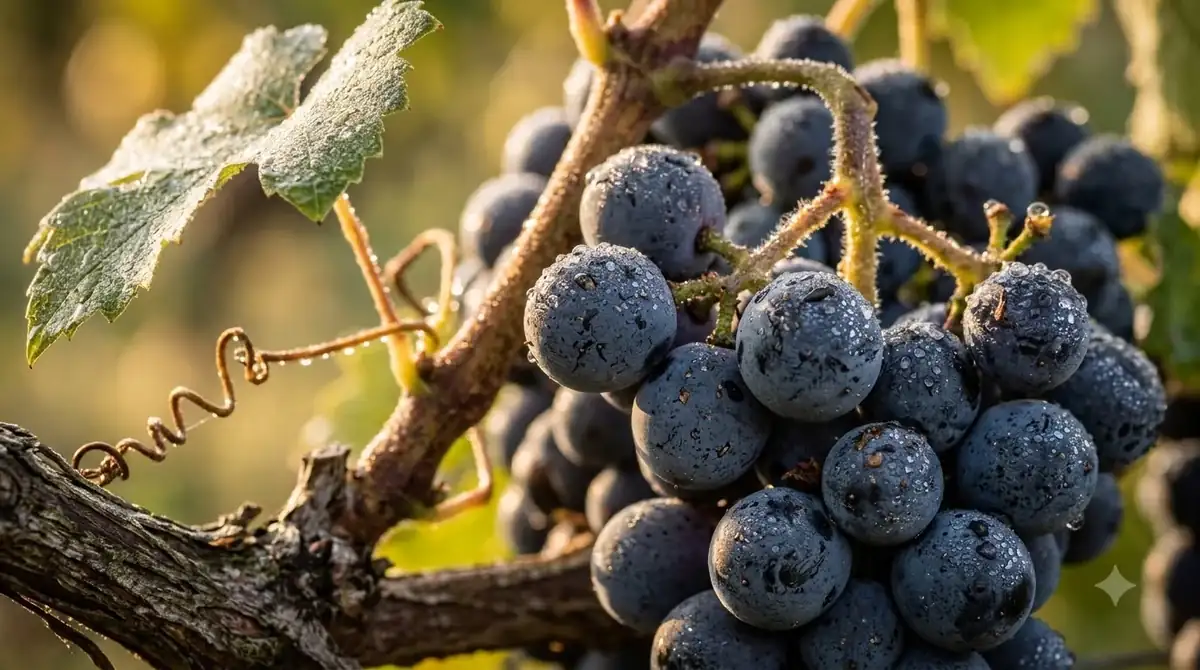
On the palate, young off-dry bottlings burst with juicy nectarine, mandarin orange, crisp green apple, and subtle ginger spice. Because German Riesling carries naturally high acidity, the sweetness feels cushioned and refreshing rather than thick or sticky. As a Spätlese ages over ten or fifteen years, primary fruit notes gradually shift toward toasted hazelnuts, dried apricot, beeswax, and classic petrol minerality.
Dry Spätlese Trocken, by contrast, trades residual sugar for mid-palate weight and textural grip. Reviewers at Wine Enthusiast highlight how top examples pair ripe orange, yellow apple, and cardamom notes with firm minerality and generous acidity. If you already enjoy aromatic whites covered in our grenache blanc food pairing guide, a dry Spätlese brings similar textural richness with even sharper citrus lift.
Where It Grows
The finest Spätlese bottles originate in Germany’s cool river valleys, where steep south-facing slopes maximize autumn sunlight while cold nights lock in freshness. The Mosel, Rheingau, Nahe, Rheinhessen, and Pfalz each imprint a distinct personality on the glass.
In the Mosel, blue and red Devonian slate soils produce the lightest, most ethereal style of Spätlese, marked by delicate florals, zesty lime, and lower alcohol. Moving south to the Rheingau and Nahe brings slightly broader shoulders, riper peach and apricot flavors, and a firmer mineral core. In the warmer Pfalz and Rheinhessen regions, dry Spätlese Trocken thrives, yielding generous, structured whites capable of standing beside hearty meat dishes.
Austria also produces Spätlese under its Prädikatswein system, primarily in regions like the Wachau, Kamptal, and Burgenland. However, Austrian winemakers largely focus on dry Qualitätswein styles today, making German estates the primary source for classic off-dry and dry Spätlese bottlings on American retail shelves.
How to Serve Spätlese
Serve off-dry Spätlese well chilled at 43 to 46°F (6 to 8°C) to keep its sweetness crisp, and pour dry Spätlese Trocken slightly warmer at 46 to 50°F (8 to 10°C) so its aromatics open fully. Use a standard white wine glass with a tulip-shaped bowl that directs the wine toward the center of the palate.
Temperature control makes a noticeable difference with late-harvest Riesling. Straight out of a standard kitchen refrigerator at 38°F, the cold mutes the floral and stone-fruit aromatics, making the wine taste overly sharp. Letting the bottle sit on the counter for ten to fifteen minutes before pouring allows the bouquet of peach blossom, citrus peel, and slate to emerge without losing refreshing tension.
Young Spätlese does not require decanting, though splashing an ultra-youthful bottle into a carafe for twenty minutes can soften tight sulfur or reductive notes. Older bottles with ten or more years of bottle age benefit from gentle handling and slightly warmer serving temperatures around 50°F so their savory, honeyed nuances shine.
Best Food Pairings by Style
Matching Spätlese with dinner comes down to pairing off-dry bottles with spicy, salty, or sweet-glazed dishes, while saving dry Spätlese Trocken for rich poultry, seafood, and pork. Both styles rely on high acidity to refresh the palate between bites.
According to Wine Folly’s guide to Riesling, the combination of residual sweetness and brisk acidity makes off-dry German Riesling an ideal partner for fiery Indian and Southeast Asian dishes. Capsaicin in chili peppers amplifies the burn of high-alcohol red wines, whereas a low-alcohol, off-dry Spätlese cools the palate and complements ginger, turmeric, lemongrass, and coconut milk. It works equally well with sweet-and-savory glazes like teriyaki salmon, pineapple-topped ham, or pork tenderloin with apricot chutney.
Dry Spätlese Trocken excels alongside richer, non-spicy proteins where a sweeter wine might clash. Roast pork loin with crispy crackling, pan-seared duck breast, crab cakes, and buttery scallops all benefit from the wine’s concentrated orchard fruit and citrus-driven acidity. For readers who normally reach for light reds—such as the pairings in our blaufrankisch food pairing or carignan food pairing guides—dry Spätlese offers a white-wine alternative with enough body to handle cured sausages, schnitzel, and roasted root vegetables.
| Spätlese Style | Flavor & Structure | Top Food Pairings | Serving Temp |
|---|---|---|---|
| Off-Dry Mosel Spätlese | Delicate lime, green apple, white peach, low alcohol, high acid | Thai green curry, Sichuan noodles, crab cakes, fresh goat cheese | 43–46°F (6–8°C) |
| Off-Dry Rheingau / Nahe Spätlese | Riper apricot, Meyer lemon, honeyed citrus, fuller mid-palate | Glazed Easter ham, spiced duck leg, mild Indian korma, washed-rind cheese | 43–46°F (6–8°C) |
| Dry Spätlese Trocken (Pfalz / Rheinhessen) | Yellow apple, cardamom, wet slate, bone-dry finish, medium body | Pork schnitzel, roast chicken, grilled sausages, seared sea scallops | 46–50°F (8–10°C) |
| Aged Spätlese (10+ Years) | Dried apricot, beeswax, toasted nut, petrol, complex savory depth | Foie gras, mushroom risotto, aged Gouda, loaded gourmet sausages | 48–52°F (9–11°C) |
Tip: When pairing off-dry Spätlese with dessert, make sure the wine is slightly sweeter than the dish—choose lightly sweetened fruit tarts, poached pears, or soft cheeses rather than dark chocolate, which makes the wine taste thin and sour.
How to Choose a Bottle
Finding the right bottle on a retail shelf starts with reading two clues on the front and back labels: the word Trocken and the stated alcohol by volume. Together, these indicators tell you whether the wine inside is bone-dry or off-dry before you pull the cork.
If the front label displays the word Trocken—or carries the VDP eagle logo alongside Grosses Gewächs for top dry vineyard sites—the wine has virtually no residual sugar and will pair like a structured, medium-bodied dry white. If Trocken is absent and the alcohol reads between 7.5 and 9.5 percent ABV, you are holding a classic off-dry Spätlese with noticeable sweetness balanced by crisp acidity. Bottles sitting around 10.5 to 11.5 percent ABV usually fall into the Feinherb (semi-dry) middle ground.
For broad exploration across regions and ripeness tiers, you can also browse our overview of Wine by Type to see how German Prädikat wines compare with other aromatic white styles. Whenever possible, look for reputable estate bottlings from classic vineyards in the Mosel, Nahe, or Rheingau, as single-vineyard Spätlese delivers noticeably sharper mineral focus and aging potential than generic regional blends.
Frequently Asked Questions
Is Spätlese always a sweet wine?
No, Spätlese refers to the ripeness of the grapes at harvest rather than the sweetness of the finished wine. While traditional Spätlese is off-dry with noticeable residual sugar, any bottle labeled Spätlese Trocken has been fermented completely dry.
What spicy foods go best with Spätlese Riesling?
Off-dry Spätlese pairs exceptionally well with Thai curries, Indian vindaloo or tikka masala, Sichuan stir-fries, and spicy Korean barbecue. Its low alcohol prevents the chili heat from feeling harsh, while its fruitiness and crisp acidity cool your palate between bites.
Can you pair Spätlese with cheese?
Yes, Spätlese is one of the most versatile cheese wines available. Off-dry styles contrast wonderfully with salty blue cheeses like Stilton and pungent washed-rind cheeses, while dry Spätlese Trocken complements creamy goat cheese, aged Gouda, and Gruyère.
How long can you age a bottle of Spätlese?
Quality Riesling Spätlese from top German estates can easily age for 10 to 20 years or longer in a cool, dark cellar. Over time, its bright peach and citrus flavors evolve into complex notes of dried apricot, honey, toasted nuts, and slate minerality.
Whether you are cooling down a fiery curry or cutting through the richness of roast pork, matching the right Spätlese style to your menu turns a tricky dinner pairing into an effortless success. Check the back label for ABV, chill the bottle properly, and let that signature balance of concentrated fruit and bright acidity bring your meal together.
More in Wine Types & Grapes
 Zinfandel Sugar Content: Dry Red vs. White Zinfandel GramsUpdated Nov 21, 2026
 Best Zinfandel Substitute Options for Sipping and CookingUpdated Nov 21, 2026
 Zweigelt Food Pairing: Best Dishes, Cheeses, and Serving TipsUpdated Nov 21, 2026
 Zinfandel Tannins Explained: How Structure Shapes Every BottleUpdated Nov 21, 2026
 Zinfandel Sweetness Level: Dry Red vs. Sweet White Zin ExplainedUpdated Nov 21, 2026
 Xinomavro Food Pairing: Best Dishes, Styles, and Serving TipsUpdated Nov 21, 2026