


We may earn a commission when you buy through links on this page, at no extra cost to you. Learn more.
Sparkling wine sugar content ranges from less than 3 grams per liter in Brut Nature to more than 50 grams per liter in Doux, with Brut being a popular dry style containing less than 12 grams per liter. The sweetness classification appears on the bottle as terms such as Brut, Extra Brut, Extra Dry and Demi-Sec. Understanding these labels makes it easier to choose bubbles that suit your taste, food and occasion. Importantly, Extra Dry is actually sweeter than Brut, despite what its name suggests.
Sparkling wine can taste crisp and refreshing, softly fruity or distinctly sweet. The difference often comes down to residual sugar, the amount of sugar remaining in the finished wine. Producers also adjust sweetness through a winemaking step called dosage, which helps balance acidity and shape the final flavor. Whether you are shopping for Champagne, Prosecco, Cava or another sparkling wine, knowing the sweetness scale gives you a much better idea of what is inside the bottle.
Understanding Sparkling Wine Sugar Content and Residual Sugar
Sparkling wine sweetness is measured in grams of sugar per liter, abbreviated as g/L. A lower number generally indicates a drier wine, while a higher number indicates greater sweetness. However, sugar concentration is only one part of the tasting experience because acidity, fruit character and winemaking decisions also influence how sweet a sparkling wine seems.
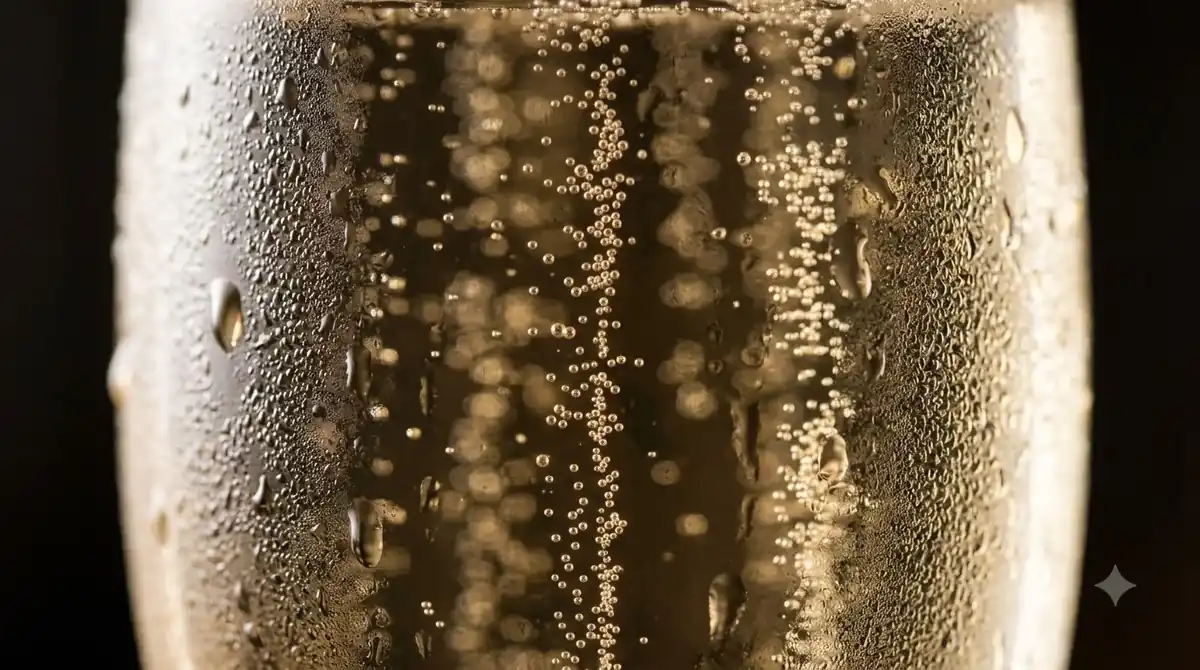
Residual sugar refers to the sugar remaining in wine after fermentation. During fermentation, yeast converts grape sugar into alcohol and carbon dioxide. Depending on the winemaker’s approach, fermentation may leave a small amount of natural sugar in the finished wine, or the producer may adjust the sweetness later through dosage.
For traditional-method sparkling wines, dosage is especially important. After the second fermentation, the wine undergoes riddling, which moves the yeast sediment toward the bottle neck. The sediment is then removed during disgorgement. Producers can replace the small amount of wine lost during this operation with a mixture of wine and sugar called dosage or liqueur d’expédition.
The Comité Champagne describes dosage as the final addition before corking. Its explanation notes that approximately 1 centiliter of dosage mixture is used for a 75-centiliter bottle of Brut Champagne. The quantity and composition depend on the desired style. Producers may use different base wines and sugar concentrations to achieve their preferred balance.
For a more detailed explanation of this production decision, see the Comité Champagne explanation of dosage. It helps clarify why the finished wine’s sugar level is different from the sugar concentration of the dosage mixture itself.
One important distinction is that dosage and residual sugar are related but not identical concepts. Dosage describes an addition made during production, while residual sugar describes the sugar present in the finished wine. A Brut Nature wine, for example, can contain a small quantity of naturally remaining sugar even though the producer does not add sugar during dosage.
This distinction also explains why a wine labeled zero dosage is not necessarily chemically sugar-free. It means the producer has not added the usual sweetening mixture at the finishing stage. Natural residual sugar may still remain.
The Seven Sparkling Wine Sweetness Levels Explained
The standard sparkling wine sweetness scale has seven main categories, progressing from Brut Nature, the driest style, to Doux, the sweetest. These categories help consumers compare bottles without needing laboratory measurements or detailed production information.
The following ranges provide a practical reference for understanding the labels. They are widely used for Champagne and Cava, although individual regional regulations and labeling rules should be considered when comparing wines from different countries.
| Label | Residual Sugar (g/L) | Typical Taste |
|---|---|---|
| Brut Nature | 0-3 | Bone dry, very crisp |
| Extra Brut | 0-6 | Very dry, restrained |
| Brut | Under 12 | Dry, balanced |
| Extra Dry | 12-17 | Lightly sweet |
| Sec | 17-32 | Noticeably sweet |
| Demi-Sec | 32-50 | Sweet, rounded |
| Doux | Over 50 | Very sweet |
There is an important technical detail in these classifications: some categories overlap numerically. For example, Extra Brut can contain up to 6 g/L, while Brut has a maximum of less than 12 g/L. Consequently, the label does not always reveal the precise sugar concentration. It identifies the permitted sweetness category rather than providing an exact laboratory reading.
Brut is a particularly broad category. A bottle with 2 g/L and another with 11 g/L can both qualify as Brut, yet their mouthfeel and perceived sweetness may be noticeably different. This is one reason two bottles carrying the same designation can produce different experiences.
Extra Brut is generally a useful choice for drinkers who prefer particularly dry sparkling wine without necessarily choosing the most austere option. Brut offers a familiar middle ground, while Extra Dry and Sec move toward more noticeable sweetness.
For additional tasting context, Wine Enthusiast’s explanation of sparkling wine sweetness discusses the differences between the seven classifications and how wine professionals interpret them.
Brut Nature, Extra Brut and Brut: Choosing a Dry Sparkling Wine
Brut Nature, Extra Brut and Brut are three of the most useful labels to recognize if you prefer sparkling wine that tastes dry rather than sweet. They all sit at the drier end of the sweetness scale, but their sugar limits and sensory characteristics are not identical.
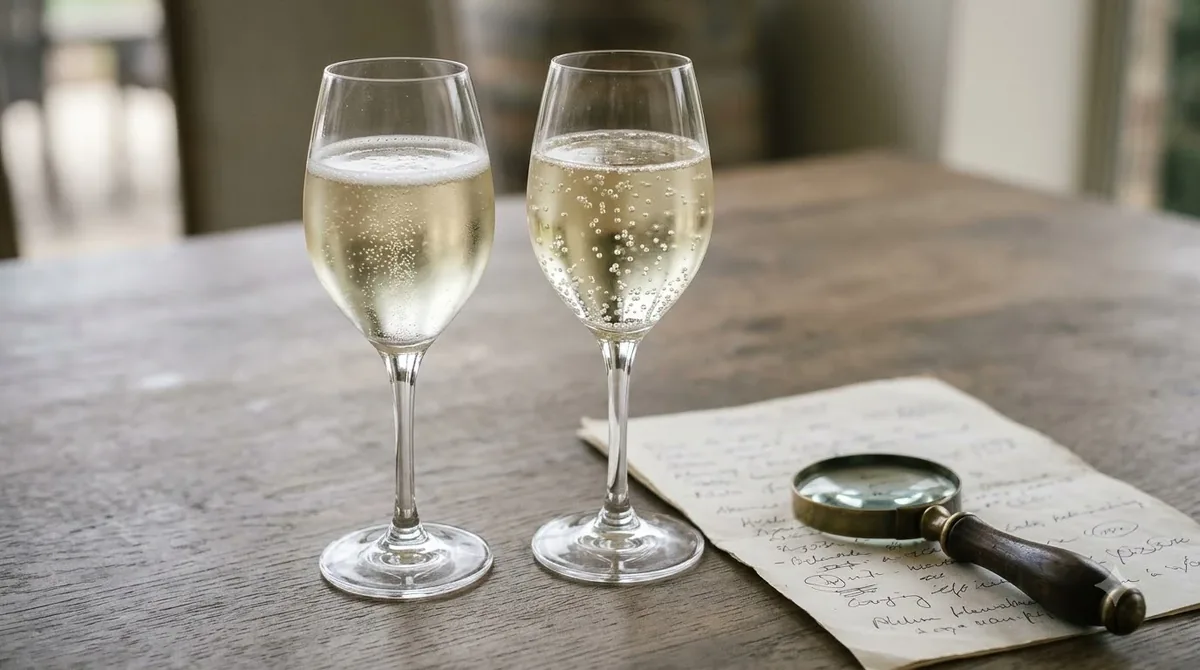
Brut Nature: The driest standard category
Brut Nature contains less than 3 g/L of sugar and receives no added sugar during the final dosage stage. Other terms associated with this style include Pas Dosé, Dosage Zéro and Zero Dosage. The wine may still contain naturally occurring residual sugar.
Because there is little or no sweetening addition, the wine’s acidity, mineral character and underlying fruit become particularly noticeable. A Brut Nature Champagne or Cava can feel sharply refreshing, especially when served cold. These wines are useful with oysters, shellfish, salty appetizers and dishes with a rich or oily texture.
Extra Brut: Very dry with slightly more flexibility
Extra Brut contains up to 6 g/L of sugar. It remains a distinctly dry style, but its small allowance for residual sweetness can help soften the sensation of acidity. The result is often a focused wine that still works with a wider selection of foods than some extremely austere examples.
Try Extra Brut with goat cheese, seafood, salted nuts or vegetable appetizers. Its freshness can also complement creamy dishes, including mushroom soup and rich cheese preparations. For drinkers who find Brut Nature too sharp, Extra Brut can provide a useful middle ground.
Brut: The versatile everyday choice
Brut contains less than 12 g/L of sugar and is one of the most familiar sparkling wine categories. It generally tastes dry, although the amount of sweetness can vary substantially between producers. Some Brut wines are very close in character to Extra Brut, while others have a softer and fruitier impression.
Brut is particularly practical at meals because its acidity and modest sweetness work with many ingredients. Seafood, roast chicken, salty snacks, soft cheeses and fried appetizers are all useful pairing possibilities. A good Brut can also serve as an aperitif before a meal.
When comparing these three styles, remember that the sugar limits overlap. Brut does not automatically taste sweeter than every Extra Brut, and Extra Brut does not always taste dramatically different from Brut Nature. Producer decisions, grape ripeness and acidity all influence the finished profile.
Tip: If you are unsure where to start, choose Brut for general-purpose entertaining, Extra Brut for a particularly dry taste, or Brut Nature if you specifically enjoy sharp acidity and minimal sweetness.
Extra Dry, Sec, Demi-Sec and Doux: Sweeter Sparkling Styles
Extra Dry, Sec, Demi-Sec and Doux contain progressively more sugar than Brut. These categories are especially useful for drinkers who prefer softer bubbles, fruitier flavors or a sparkling wine that can accompany dessert.
Extra Dry: Sweeter than Brut
Extra Dry contains 12-17 g/L of sugar. Despite its name, it is sweeter than Brut, which contains less than 12 g/L. This naming convention causes considerable confusion for people who are accustomed to the terminology used for still wines.
Extra Dry sparkling wine can have a rounder mouthfeel and more apparent fruitiness than Brut. It is particularly associated with certain Prosecco styles, although the designation is also used in other sparkling wine categories. Try it with mild cheeses, fruit appetizers, lightly spiced dishes and savory snacks.
Sec: A noticeable step toward sweetness
Sec contains 17-32 g/L of sugar. The sweetness is generally more noticeable than in Extra Dry, although lively acidity can keep the wine from tasting heavy. Apple, pear and citrus flavors may seem softer and more rounded in this category.
Sec is a useful choice for fruit-based desserts, lightly sweet pastries and dishes with a little spice. It can also work with foods that combine sweet and savory ingredients, such as glazed poultry or dishes featuring fruit sauces.
Demi-Sec: Sweet enough for dessert
Demi-Sec contains 32-50 g/L of sugar. This level creates a distinctly sweet sparkling wine with a fuller impression on the palate. It is a good option for people who enjoy sweeter wines but still want the freshness and lively texture associated with sparkling wine.
Demi-Sec Champagne can accompany fruit tarts, sponge cake, sweet pastries and moderately sweet desserts. It is also useful for celebratory occasions when a noticeably sweeter style is preferred. The key is to select a dessert that does not overwhelm the wine’s sweetness.
Doux: The sweetest category
Doux contains more than 50 g/L of sugar and represents the sweetest of the seven standard categories. These wines are less common than Brut bottlings, but they offer an option for drinkers who enjoy pronounced sweetness.
Pair Doux with fruit desserts, sweet pastries and dishes featuring ripe stone fruit. It can also be served by itself as a dessert wine. A very sweet sparkling wine is usually more satisfying when its acidity provides enough freshness to balance the sugar.
The important pairing principle is to match the wine’s sweetness to the food. A dessert should generally be no sweeter than the wine, or the sparkling wine may seem thin and sour beside it.
How Champagne, Prosecco and Cava Differ in Sugar Content
Champagne, Prosecco and Cava can all be classified by sweetness, but they differ in origin, grapes and production methods. Their labels may use similar terms, although the exact terminology and regional requirements are not always identical.
Champagne comes from the Champagne region of France and is made using the traditional bottle-fermentation method. Its sweetness categories include Brut Nature, Extra Brut, Brut, Extra Dry, Sec, Demi-Sec and Doux. Chardonnay, Pinot Noir and Meunier are the principal grapes associated with Champagne production.
Cava is Spain’s well-known traditional-method sparkling wine. According to the Cava Regulatory Council, its sweetness categories are Brut Nature, Extra Brut, Brut, Extra Seco, Seco, Semi Seco and Dulce. The sugar ranges closely correspond to the familiar Champagne classifications.
The council specifies 0-3 g/L for Brut Nature, 0-6 g/L for Extra Brut and a maximum of 12 g/L for Brut. Extra Seco contains 12-17 g/L, Seco contains 17-32 g/L, and Semi Seco contains 32-50 g/L. Dulce contains more than 50 g/L.
Cava must be made using the traditional method, which means the second fermentation takes place in the bottle. Its characteristic grape varieties include Macabeo, Xarel·lo and Parellada. The choice of grapes, aging and dosage all influence the finished wine.
Prosecco is associated with northeastern Italy and is made primarily from the Glera grape. Unlike Champagne and Cava, most Prosecco is produced using the tank method, in which the second fermentation takes place in a pressurized tank. This approach helps preserve fresh fruit aromas and makes Prosecco stylistically different from many traditional-method sparkling wines.
Prosecco labels commonly include Brut, Extra Dry and Dry designations. These terms should not be confused with still wine descriptions. Extra Dry Prosecco, for example, generally contains more sugar than Brut Prosecco. The sweetness level can make a meaningful difference even when two bottles come from the same region and use the same grape variety.
When comparing bottles, look at the actual category rather than assuming all sparkling wine labels communicate sweetness in the same way. Champagne and Cava are particularly straightforward to compare using their established seven-category systems, while Prosecco shoppers should pay special attention to the difference between Brut, Extra Dry and Dry.
How Much Sugar Is in a Glass or Bottle of Sparkling Wine?
Converting grams per liter into the amount of sugar in a serving makes sparkling wine labels easier to understand. A standard 5-ounce glass contains approximately 148 milliliters, so a wine’s sugar concentration can be multiplied by 0.148 to estimate the grams of sugar in that serving.
The following examples use representative sugar concentrations within the relevant categories. They are mathematical estimates rather than fixed values for every bottle.
| Representative Style | Sugar per Liter | Sugar per 5 oz Glass | Sugar per 750 ml Bottle |
|---|---|---|---|
| Brut Nature | 2 g | 0.30 g | 1.50 g |
| Extra Brut | 5 g | 0.74 g | 3.75 g |
| Brut | 10 g | 1.48 g | 7.50 g |
| Extra Dry | 15 g | 2.22 g | 11.25 g |
| Sec | 25 g | 3.70 g | 18.75 g |
| Demi-Sec | 40 g | 5.92 g | 30 g |
| Doux | 60 g | 8.88 g | 45 g |
For example, a Brut wine containing 10 g/L provides approximately 1.48 grams of sugar in a 5-ounce serving. A Demi-Sec wine containing 40 g/L provides approximately 5.92 grams in the same serving. The difference becomes easier to understand when the numbers are converted from liters into the amount actually poured into a glass.
A standard 750-milliliter bottle provides approximately five 5-ounce servings. Therefore, the sugar in the entire bottle is approximately five times the amount in one serving. A 750-milliliter bottle containing wine with 10 g/L of sugar has approximately 7.5 grams of residual sugar in total.
These calculations assume that the stated concentration represents the finished wine. Actual bottles can contain different sugar concentrations within the same labeled category. They also do not account for variations in serving size, which can make a significant difference when comparing individual pours.
It is also important not to confuse sugar content with calories or alcohol. Sugar contributes to the wine’s energy content, but alcohol also provides energy. Two sparkling wines with similar residual sugar may have different alcohol concentrations and therefore different overall nutritional profiles.
For shoppers who want an exact number rather than a category estimate, a producer’s technical information or nutritional declaration can be more useful than the front label alone. The sweetness designation is a starting point, not a precise nutritional measurement.
Choosing Sparkling Wine Sweetness for Food and Serving
The best sparkling wine sweetness depends on what you are eating and how you enjoy your wine. Dry styles generally suit salty, savory and rich foods, while sweeter styles are more successful with desserts and dishes that contain noticeable sweetness.
Acidity is an important part of the equation. Sparkling wines often have lively acidity, which helps balance residual sugar and keeps a wine refreshing. This explains why a bottle containing several grams of sugar per liter can still taste relatively dry.
Food pairings for dry sparkling wine
Brut Nature and Extra Brut are particularly useful with oysters, shrimp, shellfish, salty appetizers and foods with rich textures. Their dryness and acidity help refresh the palate between bites. They can also work well with fried foods because the bubbles and acidity provide a contrast to the oil and fat.
Brut is a versatile choice for roast chicken, seafood, soft cheeses, fried appetizers and a range of party snacks. Its modest sweetness can make it more adaptable than the driest categories, particularly when the meal contains herbs, savory sauces or moderate seasoning.
Food pairings for sweeter sparkling wine
Extra Dry and Sec can complement fruit appetizers, lightly sweet pastries and dishes that combine savory ingredients with a hint of sweetness. They can also be useful with mildly spicy food when the wine has sufficient acidity and the alcohol level is not excessively high.
Demi-Sec and Doux are better suited to sweeter desserts. Fruit tarts, apple pastries, sponge cakes and other desserts with moderate sweetness can work particularly well. The wine should ideally be at least as sweet as the food so that it does not taste excessively sharp or sour.
When choosing a pairing, consider the intensity of the dish as well as its sweetness. A delicate sparkling wine can disappear beside a heavily seasoned dish, while a very sweet wine can overpower a light appetizer. Matching the weight of the food and wine often produces a more balanced result.
Serving temperature and glassware
Temperature affects the perception of sparkling wine. Serve sparkling wine at approximately 40-50 degrees Fahrenheit. The cooler temperature helps preserve freshness and keeps the bubbles lively, while avoiding excessive warmth that can make the wine seem less refreshing.
A very cold bottle may initially conceal some of its aromas and flavor details. Allowing a glass to warm slightly can reveal more fruit and complexity, especially in traditional-method sparkling wines with extended aging.
A standard wine pour is approximately 5 ounces, and a 750-milliliter bottle provides about five such servings. Use clean, appropriate sparkling wine glasses and pour gently to preserve the wine’s bubbles and prevent excessive foam. A tulip-shaped glass can be useful because it provides space for aromas while maintaining a narrower opening.
After opening, reseal the bottle with a suitable sparkling wine stopper and refrigerate it. Sparkling wine generally keeps its bubbles for approximately 1-3 days in the refrigerator, although its condition depends on the wine, closure and storage conditions.
If you are comparing sweetness across different types of still wine, the same general approach to residual sugar can also help you understand Merlot sugar content, Riesling sugar content and Port sugar content. These wines use different sweetness conventions, but the relationship between sugar, acidity and perceived sweetness remains important. You can also explore more styles in our Wine by Type section.
Frequently Asked Questions
Does sparkling wine contain more sugar than still wine?
Not necessarily. Both sparkling and still wines can range from very dry to sweet, depending on fermentation and winemaking decisions. The carbonation does not automatically increase the wine’s residual sugar, and a dry sparkling wine can contain less sugar than a sweet still wine.
Is Brut Nature the same as zero dosage?
These terms are closely related and describe sparkling wine that receives no added sugar during the final dosage stage. Brut Nature is generally limited to less than 3 g/L of sugar. The wine can still retain naturally occurring residual sugar after fermentation.
Can sparkling wine taste sweet even when it is labeled Brut?
Yes. Brut covers a range of sugar concentrations, and the perception of sweetness also depends on acidity, fruit ripeness and winemaking style. A fruit-forward Brut can seem softer and sweeter than a particularly acidic Brut from another producer, even when their measured sugar levels are similar.
Why do some sparkling wines have bubbles that seem softer?
Bubble perception depends on several factors, including production method, dissolved carbon dioxide, serving temperature and glass shape. Traditional-method sparkling wines can develop different textures during extended contact with yeast lees. A wider glass can also make the bubbles seem less concentrated than a narrower sparkling wine glass.
Does sparkling wine sweetness change as the bottle ages?
The labeled sweetness category describes the finished wine rather than a promise that its perceived sweetness will remain identical over time. Bottle aging can change aromas, texture and the way acidity and fruit are perceived. Traditional-method wines may develop bread, biscuit and toasted notes through contact with yeast lees before release.
Understanding sparkling wine sugar content makes it much easier to select a bottle that matches your preferred level of sweetness. Brut and Extra Brut are reliable starting points for dry wine lovers, while Extra Dry, Demi-Sec and Doux offer increasingly sweet alternatives. Pay attention to the label, consider the food you plan to serve and explore different styles to find the balance of sweetness and acidity you enjoy most.
More in Wine Types & Grapes
 Zinfandel Sugar Content: Dry Red vs. White Zinfandel GramsUpdated Nov 21, 2026
 Best Zinfandel Substitute Options for Sipping and CookingUpdated Nov 21, 2026
 Zweigelt Food Pairing: Best Dishes, Cheeses, and Serving TipsUpdated Nov 21, 2026
 Zinfandel Tannins Explained: How Structure Shapes Every BottleUpdated Nov 21, 2026
 Zinfandel Sweetness Level: Dry Red vs. Sweet White Zin ExplainedUpdated Nov 21, 2026
 Xinomavro Food Pairing: Best Dishes, Styles, and Serving TipsUpdated Nov 21, 2026