

We may earn a commission when you buy through links on this page, at no extra cost to you. Learn more.
This silver oak wine review finds that Silver Oak is a compelling choice for Cabernet Sauvignon drinkers who appreciate ripe dark fruit, distinctive American oak, polished tannins, and wines with meaningful aging potential. Its two principal bottlings, Napa Valley and Alexander Valley, share a recognizable house style but offer different levels of richness, structure, and complexity. Alexander Valley generally suits drinkers looking for a more Cabernet-focused, approachable expression, while Napa Valley is the choice for those who prefer a denser, more layered wine.
Silver Oak has built its reputation around a relatively focused approach to California Cabernet Sauvignon. Rather than offering an extensive collection of unrelated grape varieties, the winery emphasizes regional differences, carefully managed vineyards, and its signature American oak program. Understanding those decisions makes it easier to select a bottle that fits your palate, dinner plans, and preferred drinking window.
Who Silver Oak Wine Is For
Silver Oak is particularly suitable for Cabernet Sauvignon drinkers who enjoy ripe black fruit, cedar, vanilla, and structured but polished red wines. Its Napa Valley and Alexander Valley bottlings provide two interpretations of California Cabernet, making the winery a useful starting point for comparing regional styles.
The brand is a good match for people who regularly serve red wine with grilled beef, lamb, roasted mushrooms, and other substantial dishes. Cabernet Sauvignon naturally has relatively high tannin, and Silver Oak’s oak maturation contributes additional aromatic and textural complexity. The result is a wine that can complement foods with protein, savory flavors, and some fat rather than delicate dishes that might be overwhelmed by its structure.
It also suits wine enthusiasts interested in cellar-worthy California reds. Silver Oak allows its Cabernet to mature before release, and the winery specifically describes its wines as enjoyable upon release while remaining capable of extended aging. Its 2019 Alexander Valley Cabernet, for example, has a stated drinking window through 2047 under proper storage conditions. That does not mean every bottle needs years in a cellar, but it demonstrates the winery’s emphasis on balance and longevity.
There are also reasons some buyers may prefer another style. People who primarily enjoy light-bodied Pinot Noir, crisp Sauvignon Blanc, or delicate reds with very little oak influence may find Silver Oak too concentrated. Drinkers who dislike vanilla, cedar, and noticeable barrel character should also consider that its American oak identity is central to the wines rather than an incidental feature.
For a broader introduction to the producer, the silver oak wine overview provides useful context before comparing individual bottles. Readers exploring additional producers can also consult our guide to Wine Brands to understand how winemaking traditions influence the style of different labels.
Key Factors to Compare When Choosing Silver Oak
The most useful buying considerations are appellation, grape composition, oak influence, tannin structure, and intended drinking time. These five factors explain why two Silver Oak Cabernets can share a recognizable identity while offering noticeably different experiences.
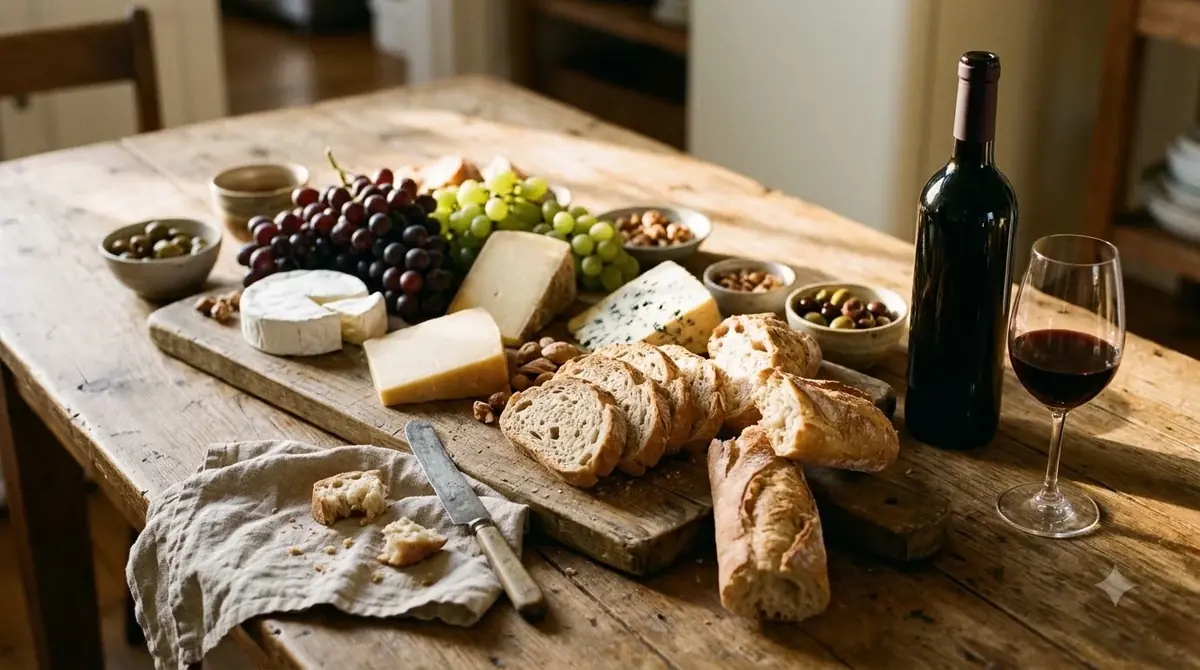
Start with the region printed on the bottle. Silver Oak’s Napa Valley Cabernet generally offers greater density and complexity, while the Alexander Valley Cabernet emphasizes a more Cabernet-dominant blend and a brighter fruit profile. The winery attributes these differences to vineyard conditions, grape composition, and maturation decisions rather than simply treating one bottling as a superior version of the other.
| Comparison factor | Alexander Valley | Napa Valley |
|---|---|---|
| Primary grape | Cabernet Sauvignon | Cabernet Sauvignon |
| Typical Cabernet proportion | 95% or more | Approximately 80% |
| Other blending grapes | Smaller amounts of Bordeaux varieties | More Merlot and other Bordeaux varieties |
| Barrel maturation | Approximately 24 months | Approximately 24 months |
| Additional bottle maturation | Standard release schedule | Approximately five additional months |
| General style | Bright fruit and focused Cabernet character | Greater density and layered complexity |
| Useful food pairing | Grilled steak and roasted chicken | Beef short ribs and lamb |
The grape percentages provide a particularly useful comparison. Silver Oak explains that Alexander Valley Cabernet generally contains more than 95% Cabernet Sauvignon, whereas its Napa Valley counterpart contains approximately 80%. The remaining varieties, including Merlot and Cabernet Franc, contribute additional dimensions to the blend. The precise proportions vary by vintage, so these figures should be understood as general style distinctions rather than permanent formulas.
Oak maturation is another important consideration. Both principal bottlings spend approximately 24 months in American oak, according to Silver Oak. However, barrel age alone does not determine how strongly oak will appear in the finished wine. Grape ripeness, vineyard character, barrel selection, blending, and bottle maturation also influence the final balance.
For an independent perspective, Wine Enthusiast’s review of the 2008 Silver Oak Napa Valley Cabernet Sauvignon highlights berry and currant fruit alongside oak, tobacco, and herbal characteristics. Its description of elegance and subtlety helps explain why Silver Oak’s appeal is not limited to drinkers seeking powerful, heavily extracted Cabernet.
Step-by-Step: How to Choose a Silver Oak Bottle
Choosing the right Silver Oak Cabernet becomes simpler when the decision is broken into a few practical steps. Begin with your preferred regional style, then consider the vintage, bottle condition, drinking occasion, and how much time you want to allow for aeration.
-
Choose the appellation first.
Select Alexander Valley if you prefer a Cabernet Sauvignon-dominant wine with brighter fruit and a more direct expression of the grape. Choose Napa Valley if you want a denser profile with additional blending varieties and a more layered impression. Both belong to the same recognizable house style, but they serve somewhat different preferences. -
Consider the flavor profile.
Look for tasting descriptions that match your preferences. Red cherry, raspberry, and brighter fruit notes point toward the general Alexander Valley character, while black cherry, blackberry, and deeper spice notes are useful indicators of the Napa Valley style. Vanilla and cedar are recurring elements of Silver Oak’s American oak signature. -
Look at the vintage composition.
The 2019 Alexander Valley Cabernet contains 95.2% Cabernet Sauvignon, 2.5% Cabernet Franc, 1.9% Merlot, and 0.4% Petit Verdot. Its 2019 Napa Valley counterpart contains 76.61% Cabernet Sauvignon and a larger proportion of Merlot and other Bordeaux varieties. These examples show how blending can influence texture and complexity. -
Decide whether to drink or cellar the wine.
If the bottle is intended for a near-term dinner, Silver Oak’s release philosophy makes either regional bottling a reasonable starting point. If you are buying for a future celebration, consider the producer’s vintage-specific drinking guidance and the storage conditions available to you. -
Match the bottle to the meal.
For grilled ribeye, New York strip, or lamb chops, Cabernet Sauvignon’s tannin and fruit can complement the richness of the food. For dishes with sweeter sauces, select a wine whose fruit character can stand up to the preparation rather than relying on a very dry, austere red. -
Plan serving temperature and aeration.
Serve full-bodied Cabernet Sauvignon at approximately 60 to 65 degrees Fahrenheit. A young, structured bottle may benefit from 30 to 60 minutes in a decanter, while a mature bottle with sediment may require gentler handling.
These steps help prevent a common buying mistake: choosing a Cabernet solely because it comes from Napa Valley or because its label is familiar. The actual drinking experience depends on the individual vintage, the wine’s development, and the occasion for which it is being purchased.
Tip: If you are buying your first Silver Oak bottle, start with Alexander Valley to understand the producer’s Cabernet-focused style. Compare it with Napa Valley later to appreciate the differences in density, blending, and structure.
It is also useful to keep vintage information rather than relying entirely on regional reputation. Silver Oak publishes composition and tasting descriptions for individual releases. Those details provide a better indication of the wine in a particular bottle than a general statement about what all Silver Oak vintages taste like.
Silver Oak Wine Types and Styles Explained
Silver Oak’s most recognizable wines are its Napa Valley and Alexander Valley Cabernet Sauvignons. Both emphasize Cabernet fruit and American oak, but the differences in appellation, grape composition, and maturation make them distinct choices for different occasions.
Alexander Valley Cabernet Sauvignon
The Alexander Valley bottling is generally the more Cabernet-focused expression. Silver Oak describes the regional style as containing more than 95% Cabernet Sauvignon, with relatively small proportions of supporting Bordeaux varieties. Its vineyard sources include sites that contribute brightness, acidity, and structure.
The 2019 vintage illustrates the style clearly. Silver Oak describes red cherry, raspberry, blackberry, iris, vanilla, and clove, with lively acidity and a lingering finish. The blend contains 95.2% Cabernet Sauvignon, making it a useful example of the winery’s approach to this appellation.
This style works particularly well with grilled steak, roast beef, lamb, and aged hard cheeses. It is also a sensible choice for drinkers who want to understand the producer’s characteristic oak treatment without beginning with its more densely structured Napa Valley bottling.
Napa Valley Cabernet Sauvignon
The Napa Valley bottling is generally the richer and more layered of the two principal wines. Its greater use of blending varieties, particularly Merlot, contributes additional dimensions to the Cabernet Sauvignon structure. Silver Oak describes Napa Valley as a warmer and more uniformly warm appellation than Alexander Valley, with mountain vineyard fruit helping build richness and concentration.
The 2019 Napa Valley Cabernet offers an example of this composition. It contains 76.61% Cabernet Sauvignon, 18.13% Merlot, 2.56% Cabernet Franc, 2.32% Petit Verdot, and 0.38% Malbec. Silver Oak describes black cherry and floral notes, a fruit-forward entry, and silky tannins.
For food, this style is particularly suitable for braised short ribs, grilled porterhouse, roast lamb, and dishes featuring mushrooms or concentrated savory sauces. Its fuller structure can stand up to rich preparations without requiring the food to be especially spicy or heavily seasoned.
American Oak as the Signature Style
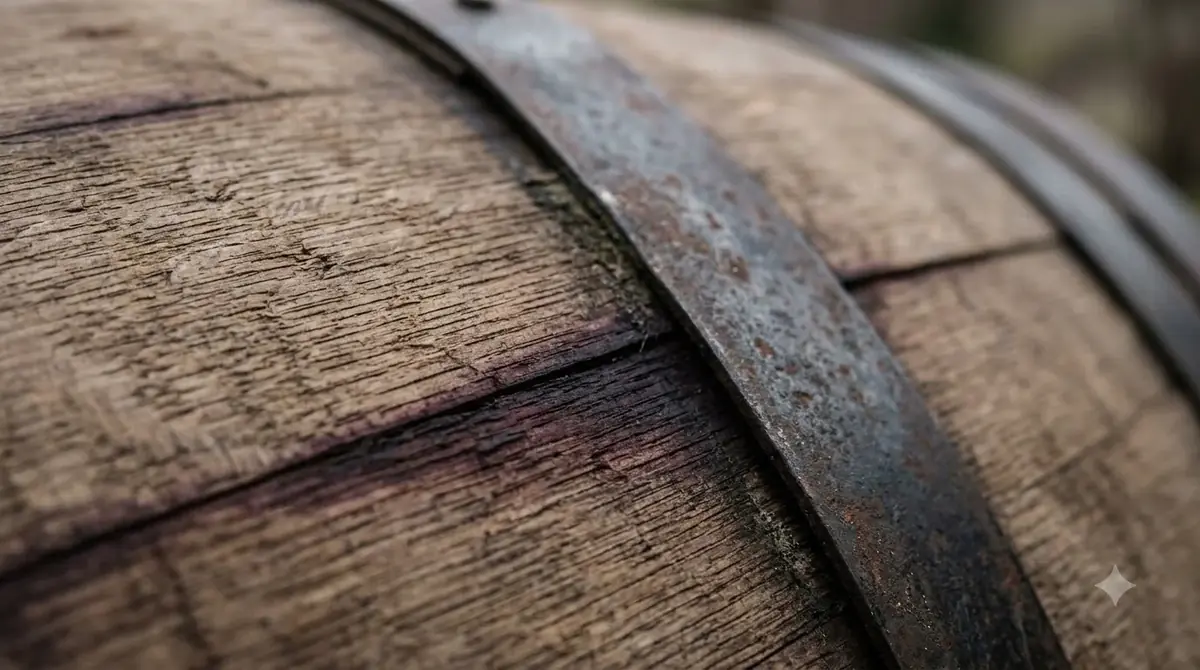
The most recognizable feature shared by the two Cabernet bottlings is the use of American oak. Silver Oak ages its signature Cabernet exclusively in American oak, and the winery owns a cooperage in Missouri where it oversees the selection, seasoning, and toasting of barrel wood.
American oak can contribute vanilla, cedar, baking spice, and sweet aromatic impressions. These elements combine with Cabernet’s blackcurrant, blackberry, and cherry characteristics. The goal is not simply to make a wine taste like wood; it is to integrate barrel character with fruit, acidity, and tannin.
Silver Oak also blends its wine before barrel aging. This approach allows the winemaking team to assess the components before they receive extended oak influence. The finished blend then develops in barrel, giving the different vineyard and grape components time to integrate.
How the Two Styles Compare in the Glass
Although regional differences are important, the two wines should not be treated as completely unrelated products. Both have a recognizable combination of California fruit, structured Cabernet tannin, and American oak seasoning. The main distinction is how those components are balanced.
Decanter’s assessment of the 2021 Alexander Valley Cabernet, reproduced in the retailer’s wine listing, describes dark cherry and blackberry alongside cedarwood, vanilla, graphite, violets, and clove. The review also identifies a medium- to full-bodied structure, velvety tannins, and crisp acidity. Its combination of fruit and savory detail illustrates why the Alexander Valley bottling can offer complexity without relying on the same degree of density associated with Napa Valley.
For a closer look at the regional distinction, our silver oak cabernet coverage provides additional context for comparing the producer’s flagship wines. Readers specifically interested in the broader category can also explore silver oak red wine for more information about its Cabernet-led identity.
Common Mistakes When Buying Silver Oak Wine
Most disappointing Silver Oak purchases result from mismatched expectations rather than an inherently unsuitable bottle. Understanding the differences between Cabernet styles, vintage development, and oak influence can help avoid these mistakes.
Assuming Napa Valley is automatically better. Napa Valley has a reputation for concentrated Cabernet Sauvignon, but that does not make Alexander Valley an inferior option. Silver Oak deliberately creates two regional expressions. Alexander Valley’s higher Cabernet proportion and brighter character may be more appealing to someone who prefers a focused varietal profile. Napa Valley is better suited to someone seeking additional density and complexity.
Expecting American oak to taste like French oak. American oak can contribute distinctive vanilla, coconut-like sweetness, cedar, and baking-spice impressions. Those flavors are part of Silver Oak’s established style. Someone who prefers wines with restrained oak character may find the signature profile too prominent, especially when comparing it with Cabernet aged in different barrel types.
Assuming every vintage tastes identical. The winery maintains a recognizable approach, but vineyard conditions, grape proportions, and harvest characteristics vary. The 2019 Alexander Valley blend and the 2019 Napa Valley blend, for example, have significantly different Cabernet Sauvignon percentages. Treating every release as interchangeable overlooks these differences.
Drinking a young Cabernet too warm. Full-bodied red wines can become heavy and alcoholic when served at typical warm room temperatures. Silver Oak Cabernet is generally better served around 60 to 65 degrees Fahrenheit. A short period in the refrigerator before serving can help bring the wine into a more balanced temperature range.
Using a decanter automatically for every bottle. Young Cabernet can benefit from oxygen exposure, but an older bottle may be more delicate. A mature wine that has developed significant sediment should be handled carefully, because aggressive aeration can reduce the freshness of its remaining aromas.
Pairing Cabernet with delicate or very spicy food. Cabernet Sauvignon has relatively high tannin, so it can overwhelm light fish, delicate vegetable preparations, and subtle sauces. Chili heat can also become more pronounced alongside alcoholic, tannic red wine. Rich beef, lamb, and savory mushroom dishes are generally safer choices.
Another frequent mistake is treating cellar potential as a requirement. Silver Oak’s extended maturation program is intended to make its wines approachable upon release. Buyers who enjoy fresh fruit and integrated tannins do not necessarily need to wait many years before opening a bottle.
Silver Oak Care, Serving, and Storage Tips
Proper storage and serving help preserve Cabernet Sauvignon’s fruit, acidity, and oak integration. The most important details are a stable storage environment near 55 degrees Fahrenheit, protection from light and temperature changes, and an appropriate serving temperature.
For unopened bottles, store Silver Oak horizontally when the bottle has a natural cork closure. Keeping the cork in contact with the wine helps prevent it from drying out. A dark wine cellar or temperature-controlled storage cabinet is preferable to an ordinary kitchen cupboard, where heat and temperature fluctuations can accelerate unwanted aging.
A temperature near 55 degrees Fahrenheit is a useful storage target. Consistency matters more than achieving an exact number every hour of the day. Avoid placing bottles near ovens, radiators, sunny windows, or appliances that produce frequent heat changes. Repeated temperature fluctuations can be particularly harmful to wines intended for extended cellaring.
For serving, aim for 60 to 65 degrees Fahrenheit. This is cooler than many American homes’ typical room temperature. If the wine is too warm, its alcohol impression may become more noticeable and the fruit may seem less defined. If it is too cold, the tannins can feel firmer and the aromatic character less expressive.
Decanting is useful when the wine is young and structured. A period of 30 to 60 minutes can help a full-bodied Cabernet open up, allowing dark fruit, cedar, and spice aromas to become more expressive. However, the ideal time depends on the vintage and the condition of the bottle rather than a fixed rule.
Older bottles require a different approach. Mature Cabernet may contain natural sediment, which is not necessarily a defect. Stand the bottle upright before opening so that sediment settles at the bottom, then pour slowly. Avoid shaking the bottle or transferring it aggressively into a decanter.
Once opened, refrigerate leftover still wine and use a reliable closure to limit oxygen exposure. A typical opened bottle of red wine retains reasonable quality for approximately three to five days, although the exact result depends on its age, condition, and exposure to air. Allow refrigerated wine a little time to warm toward its serving temperature before pouring another glass.
Food preparation matters just as much as temperature. Grilled beef, lamb chops, roasted portobello mushrooms, and aged cheddar provide enough richness and savory intensity to complement Cabernet’s structure. For a simple dinner, a grilled ribeye with rosemary and roasted potatoes makes a particularly natural pairing.
Keep the wine’s sweetness relationship in mind when planning sauces. Cabernet Sauvignon is a dry red wine, so very sweet sauces can make it seem more bitter or tannic. A savory reduction with moderate sweetness is generally more suitable than a heavily sweetened glaze.
Frequently Asked Questions
Is Silver Oak considered a luxury wine brand?
Silver Oak is positioned as a premium California Cabernet Sauvignon producer, with a strong presence in restaurant wine programs and wine-focused gifting. Its long maturation approach and dedicated American oak cooperage are important parts of its premium identity. Its wines are not intended to compete primarily in the inexpensive everyday Cabernet category.
Does Silver Oak produce wine other than Cabernet Sauvignon?
Silver Oak’s flagship identity is built around Cabernet Sauvignon, but its broader current portfolio also includes products such as Sauvignon Blanc and wines associated with its family of brands. The availability of particular labels can vary by release and market. Its two signature Cabernet bottlings remain the central reference points for understanding the producer.
What is the difference between Cabernet Sauvignon and the Bordeaux varieties blended into Silver Oak?
Cabernet Sauvignon supplies much of the structure, dark fruit, and tannin associated with the wine. Merlot can add softer texture and plum-like fruit, while Cabernet Franc can contribute aromatic lift and herbal nuances. Petit Verdot can add color and structural depth, while Malbec can contribute additional fruit character.
Can Silver Oak Cabernet Sauvignon be served without decanting?
Yes. Decanting is a serving choice rather than a requirement. Silver Oak specifically develops its wines before release to make them enjoyable without requiring buyers to perform extended maturation at home. Older bottles may need careful separation from sediment, but that is different from decanting purely for aeration.
How many servings are in a standard Silver Oak bottle?
A standard 750 ml bottle contains approximately five traditional 5-ounce wine servings. The number of pours changes with glass size and serving habits. A larger wine glass does not require filling the bowl completely; leaving room helps preserve the wine’s aromas while drinking.
Silver Oak is a strong option for buyers who appreciate California Cabernet Sauvignon with distinctive American oak, ripe fruit, and polished structure. Alexander Valley is a sensible introduction to the producer’s focused Cabernet style, while Napa Valley offers a denser and more layered alternative. Choose according to your preferred flavor profile, serve the wine at the right temperature, and store any bottles intended for future occasions in stable conditions.
More in Wine Brands
 Louis Latour Wine Price: Compare Bottles by Style and TierUpdated Nov 20, 2026
 Yellow Tail Moscato Price: What to Expect Before You BuyUpdated Nov 20, 2026
 Sutter Home Sweet Red Review: Find the Right Food PairingsUpdated Nov 20, 2026
 Franzia Chillable Red Review: Find the Right Serving StyleUpdated Nov 20, 2026
 Veuve Clicquot Rose Review: Flavor, Food Pairings and Buying AdviceUpdated Nov 20, 2026
 Rombauer Wine Price: Compare Bottles Before You BuyUpdated Nov 20, 2026