

We may earn a commission when you buy through links on this page, at no extra cost to you. Learn more.
Yes, should white zinfandel be chilled? White Zinfandel should be served chilled, ideally at 45–50°F, so its berry fruit stays bright and its sweetness feels refreshing. Refrigerate the bottle for about 90 minutes before serving, then pour small glasses and let the wine warm slightly as you drink. Avoid serving it so cold that its strawberry, melon, and floral notes disappear.
White Zinfandel is a pink, usually off-dry or semi-sweet wine made from the red Zinfandel grape. Its easygoing fruit and modest structure make chilling a natural fit, whether you are opening a bottle for a picnic, a casual dinner, or a summer gathering. The best approach is to aim for a cool, not icy, pour and adjust the bottle as the room and glass warm it.
How Cold Should White Zinfandel Be Served?
Serve White Zinfandel at 45–50°F (7–10°C). This range is cool enough to keep the wine lively and refreshing, while still allowing strawberry, raspberry, melon, and citrus aromas to show.
White Zinfandel belongs to the rosé family, and rosé is generally served cool rather than at room temperature. For a light, fruit-forward White Zin, start around 45°F; for a fuller or less sweet bottling, aim closer to 50°F. That small difference can change how clearly you notice the fruit and how strongly the sweetness registers.
There is no need to serve the bottle straight from a freezer or pack the glass with ice. A glass that is too cold can mute aroma and make the wine seem simple, even if it has pleasant fruit underneath. Because the temperature rises after pouring, start near the cooler end when the bottle will sit on the table for a while.
Wine Enthusiast gives rosé a general serving range of 48–53°F and notes that lighter-styled rosés can be served cooler. White Zinfandel’s typically sweet, light profile makes the lower end a practical target. The publication’s serving-temperature guide explains why chilling should preserve freshness without shutting down aromas.
Why Chilling Works for White Zinfandel
White Zinfandel’s light body, bright fruit, and usual touch of sweetness make it more refreshing when cool. A chilled pour keeps the wine crisp and helps its fruit flavors feel balanced instead of syrupy.
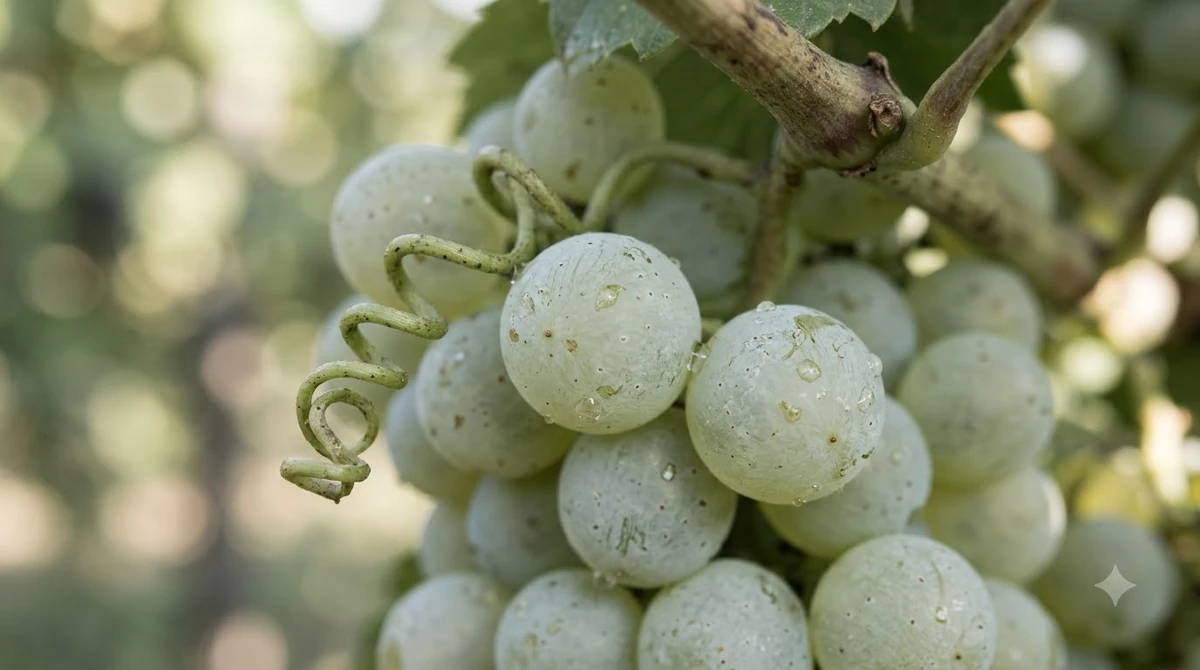
Despite its name, White Zinfandel is a rosé, not a white wine made from pale-skinned grapes. It is produced from Zinfandel, a dark-skinned variety, and receives its pink color from limited contact between juice and grape skins. The name can confuse first-time buyers, but the wine should be served like a light, approachable rosé.
Many classic examples are semi-sweet, with strawberry, raspberry, melon, and citrus notes. A little residual sugar gives the wine a soft, round impression. Chilling provides contrast: cooler temperature emphasizes freshness and makes the fruit taste cleaner, while warmer temperatures can make the same sweetness seem heavier. This is one reason the bottle is usually more enjoyable cool than sitting on a counter.
White Zinfandel’s history is tied to the saignée, or “bleeding,” method. A winemaker drains some pink juice from a tank of fermenting red Zinfandel so the remaining red wine has more skin contact and color; the pale juice can then be fermented separately as rosé. Wine Enthusiast describes the style as emerging at Sutter Home in the 1970s after a portion of must stopped fermenting before it became dry. Decanter describes a 1975 batch that retained sweetness and helped establish the familiar semi-sweet style. The story explains why the wine has a red-grape identity and the fresh-drinking character of rosé.
How to Chill the Bottle Without Overcooling It
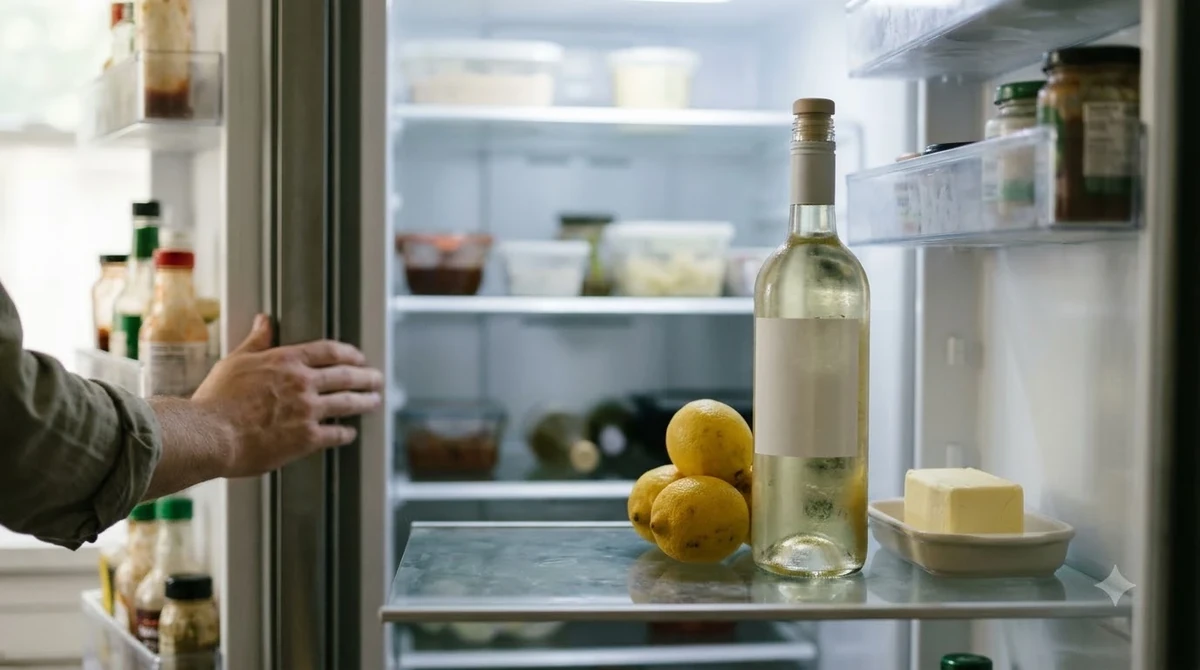
A refrigerator is the easiest way to prepare White Zinfandel. For a bottle starting near 70–72°F, allow about 90 minutes in the refrigerator, then pour a small taste and adjust from there.
| Wine style | Serving temperature |
|---|---|
| White Zinfandel | 45–50°F |
| Light whites and rosé | 45–50°F |
| Full-bodied whites | 50–55°F |
| Sweet whites | 43–50°F |
| Sparkling wines | 40–50°F |
| Light reds | 55–60°F |
| Full-bodied reds | 60–65°F |
For a faster chill, place the bottle in an ice-water bath for about 20 minutes. Use roughly equal parts ice and water so the bottle is surrounded by cold liquid rather than resting in a pile of ice. Water transfers heat more effectively than cold air, making this method quicker than a short refrigerator visit. Dry the bottle before opening and pour a small taste before serving everyone.
A freezer can be used only for a brief, timed chill. A damp paper towel around the bottle may speed cooling, but set a timer for 20 minutes and remove the bottle promptly; forgetting it can cause the liquid to freeze or the bottle to break. The refrigerator or ice-water method is easier to control, especially when several bottles need attention.
Temperature varies with bottle size, starting temperature, refrigerator setting, and how often the door is opened. A 750-milliliter bottle placed in a crowded refrigerator will not chill at exactly the same speed as one placed near a cold air vent. Treat 90 minutes as a starting point, not a promise. If the wine is still warm, give it another 15 minutes; if it tastes muted, let the poured glass stand for a few minutes.
What Temperature Changes in the Glass
Temperature changes the balance of fruit, sweetness, acidity, and aroma. White Zinfandel is best cool enough to taste refreshing but not so cold that its strawberry and melon character becomes difficult to smell.
At 45–50°F, the wine’s fruit usually feels bright and its sweetness more restrained. As the glass warms, aromas become easier to notice and the texture can seem rounder. The first sip may feel brisk, while later sips reveal more of the fruit. If you are serving outdoors in hot weather, the wine may warm quickly, so keep the bottle in a cooler or ice-water bucket between pours.
Very cold wine can hide aroma and make its flavors seem narrow. If a glass tastes almost neutral straight from the refrigerator, wait three to five minutes before deciding that the wine lacks character. Swirl gently and smell again; a modest rise in temperature often makes the berry notes more apparent.
A warm White Zinfandel can taste noticeably sweeter and less refreshing. Heat makes the wine feel broader, and the sweetness may linger longer after each sip. Return the bottle to the refrigerator or ice bucket for a short spell rather than adding ice directly to the glass, which dilutes the wine and changes its balance. The best reference is the temperature of the wine itself, not the coldness of the bottle in your hand. Pour a small taste, assess the aroma and flavor, and make a modest adjustment. For comparison, light whites and rosés are served around 45–50°F, full-bodied whites around 50–55°F, and full-bodied reds around 60–65°F. Those differences show why a light blush wine belongs in the cool range rather than at cellar or room temperature.
Foods That Pair With Chilled White Zinfandel
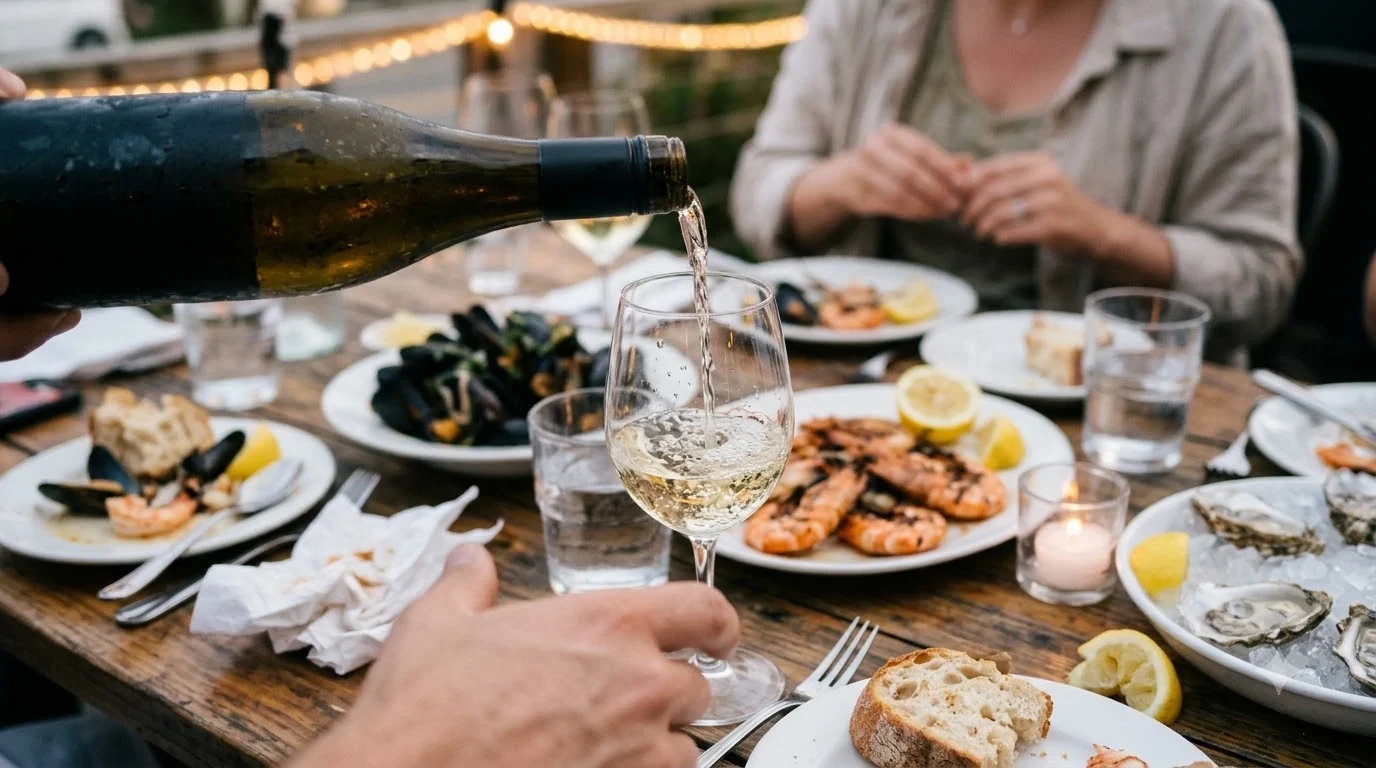
Chilled White Zinfandel pairs best with casual dishes that complement its fruit and modest sweetness. Try shrimp cocktail, grilled chicken, mildly spicy Asian food, picnic salads, and dishes with a sweet-savory glaze.
The wine’s touch of sweetness can soften the sensation of chili heat, making it a useful match for Thai noodles, mild curry, barbecue chicken, or glazed pork. Keep the spice moderate: alcohol and tannin can amplify chili heat, and a very hot dish can overwhelm a delicate wine even when it has some residual sugar. White Zinfandel is generally low in tannin, so it does not bring the firm, drying structure found in Cabernet Sauvignon or Syrah.
Seafood is a natural option, particularly shrimp cocktail, crab cakes, grilled prawns, or fish tacos with a mild salsa. The wine’s strawberry and melon notes can sit comfortably beside shellfish, citrus, and fresh herbs. Choose lighter seafood preparations rather than oily fish with a heavy, tannic sauce.
For a picnic, try chicken salad, turkey sandwiches, mild cheeses, fresh fruit, or a pasta salad with peppers and herbs. The wine is not especially high in acidity, so intensely sour dishes can make it seem flat. With tomato-heavy foods, choose a preparation with moderate acidity rather than a sharp vinegar dressing. Sweet food needs care too: match the wine with desserts no sweeter than the wine itself, such as fresh strawberries, melon, or a lightly sweet fruit tart.
For another pink party drink, compare the advice on should sangria be chilled; sangria is a mixed drink and benefits from a different chilling plan. White Zinfandel is ready to pour, so it does not need fruit, spirits, or extra sweetener to make it refreshing.
Storing an Opened Bottle and Serving a Crowd
Keep opened White Zinfandel in the refrigerator and plan to finish it within three to five days. Cold storage slows the loss of fresh fruit character, while a tight stopper limits the wine’s contact with air.
After pouring, replace the closure and return the bottle to the refrigerator rather than leaving it on the table overnight. Before the next serving, pour a small taste and bring the wine back to 45–50°F. A bottle refrigerated for several hours may be slightly colder than the target, so let the first glass rest for a few minutes if its aromas seem muted.
A standard 750-milliliter bottle provides about five 5-ounce servings. That makes it easy to estimate how many bottles to chill: one bottle for five moderate pours, two bottles for about ten, and so on. For a longer meal, chill a second bottle in advance and keep it in the refrigerator until the first is nearly finished. This is more reliable than trying to cool a warm replacement bottle at the last minute.
White Zinfandel is generally intended for early drinking rather than long cellaring. Its appeal is fresh fruit and easy texture, not gradual development in the bottle. Store unopened bottles on their side in a cool, dark place near 55°F, away from direct sunlight and temperature swings, then chill them before serving. For more detail on different categories and styles, explore Wine by Type. For a mixed wine menu, do not assume every bottle should be served at the same temperature. A sweet dessert wine may need a colder pour, while a full-bodied white often shows better a few degrees warmer. Learn should ice wine be chilled before serving a concentrated dessert wine, and see should sparkling wine be chilled for the lower temperature and bubble-preservation needs of Champagne and other sparkling styles.
Tip: Chill the bottle to 45–50°F, pour a small first glass, and leave the bottle in an ice-water bucket between pours. This keeps the wine cool without forcing every glass to stay refrigerator-cold.
How White Zinfandel Compares With Other Wine Styles
White Zinfandel is best treated as a light, usually off-dry rosé, not as a white wine or a red Zinfandel served cold. Its serving range overlaps with many rosés, but its sweetness and easy fruit profile make the cooler end especially appealing.
Dry rosé can be more savory, crisp, or mineral, depending on its grape variety and origin. White Zinfandel is more often recognized for sweet red-berry fruit and a soft finish. Both benefit from chilling, but a dry rosé with more structure may show its detail closer to 48–53°F, while a sweet, light White Zin can start around 45°F. Decanter’s overview of rosé styles describes the variety of methods and flavor profiles found across pink wines.
White Zinfandel also differs from dry red Zinfandel, even though both come from the same grape. Red Zinfandel is usually fuller, darker, and more structured, with ripe blackberry, plum, and spice; it is not served at the same temperature as its pink counterpart. A White Zin’s lower tannin and lighter body make a chilled pour the sensible default, while a full-bodied red Zinfandel is generally served much warmer.
It is also different from ice wine and sparkling wine. Ice wine is a concentrated sweet wine, often served colder in small pours, while sparkling wine needs chilling to help preserve its bubbles. White Zinfandel has no carbonation and is not as concentrated as ice wine, so the goal is simply to maintain a refreshing temperature. Chill each bottle for its own style rather than using one universal refrigerator time.
Frequently Asked Questions
These quick answers cover a few additional details that can help you choose and serve White Zinfandel with confidence.
Does a darker pink color mean a White Zinfandel is sweeter?
No. Rosé color mainly reflects the amount of pigment extracted from grape skins, and color by itself does not reliably predict sweetness. White Zinfandel is commonly semi-sweet because of its winemaking style, not simply because it looks pink.
Can White Zinfandel be made outside California?
Yes. Zinfandel is strongly associated with California, but the grape is also known as Primitivo in Italy and Tribidrag in Croatia. The name White Zinfandel is most strongly linked with the American blush style, but the grape itself is not limited to California.
Is Zinfandel the same grape as Primitivo?
They are genetically the same variety, although growing conditions and winemaking can produce different expressions. In Croatia, the grape is known as Tribidrag or Crljenak Kaštelanski, while Primitivo is the common Italian name.
Should White Zinfandel be decanted before serving?
Usually not. Decanting is more useful for young, tannic reds that need air or older bottles that may contain sediment. White Zinfandel is typically light and fruit-forward, so opening it and serving it cool is generally sufficient.
Can I serve White Zinfandel in a regular white-wine glass?
Yes. A standard stemmed white-wine glass is a practical choice because it gives fruit aromas room to collect while the stem helps keep your hand from warming the bowl. A small tulip-shaped glass also works well for casual serving.
White Zinfandel is at its best when served cool, fresh, and without fuss. Aim for 45–50°F, keep the bottle chilled between pours, and pair its berry-forward sweetness with lighter food or moderate spice. That simple routine preserves the wine’s easygoing character while keeping every glass refreshing.
More in Wine Types & Grapes
 Zinfandel Sugar Content: Dry Red vs. White Zinfandel GramsUpdated Nov 21, 2026
 Best Zinfandel Substitute Options for Sipping and CookingUpdated Nov 21, 2026
 Zweigelt Food Pairing: Best Dishes, Cheeses, and Serving TipsUpdated Nov 21, 2026
 Zinfandel Tannins Explained: How Structure Shapes Every BottleUpdated Nov 21, 2026
 Zinfandel Sweetness Level: Dry Red vs. Sweet White Zin ExplainedUpdated Nov 21, 2026
 Xinomavro Food Pairing: Best Dishes, Styles, and Serving TipsUpdated Nov 21, 2026