
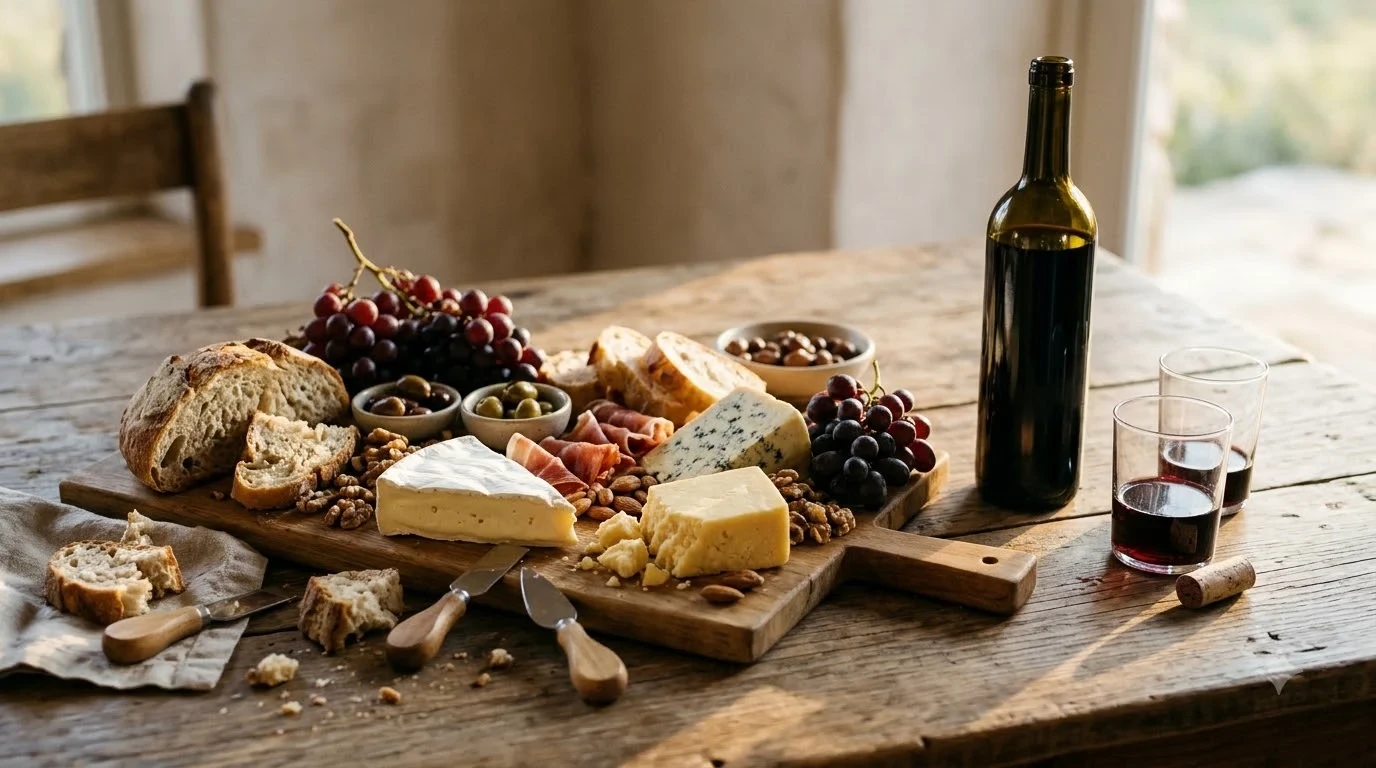

We may earn a commission when you buy through links on this page, at no extra cost to you. Learn more.
Pairing sherry with cheese works so well because sherry spans a wider flavor and sweetness spectrum than almost any other single wine category, letting you match crisp, briny dry bottles with young cheeses and syrupy, raisin-rich pours with pungent blues. Pale, bone-dry styles like Fino and Manzanilla cut through creamy, salty young cheeses, while nutty, oxidatively aged Amontillado, Palo Cortado, and Oloroso mirror the toasted flavors of aged sheep and cow milk wheels. At the sweet end of the spectrum, velvety Pedro Ximénez balances the sharp, savory bite of intense blue cheeses.
Most people reach for a standard red or crisp white when building a cheese board, yet still table wines frequently clash with high salt, heavy butterfat, or pungent molds. Fortified wines from Spain’s Jerez region solve those exact friction points with concentrated acidity, savory nuttiness, and higher alcohol levels that stand up to rich dairy without turning metallic or bitter.
Why Sherry and Cheese Work So Well Together
Sherry succeeds alongside cheese because its production methods create savory, nutty, and saline compounds that mirror the flavor molecules developed during cheese aging. Rather than competing with dairy fat and salt, the wine’s structure absorbs and balances them.
Table wines often struggle on a mixed cheese platter because tannins bind to milk proteins and amplify saltiness into harsh bitterness. Even when choosing white wine with cheese, high-acid bottles can feel thin next to dense, aged wheels, while oaky whites can clash with bloomy rinds. Sherry sidesteps these issues because almost all styles lack grape-skin tannins, relying instead on biological yeast aging or slow oxidation in oak casks.
During biological aging, a layer of native yeast called flor consumes residual sugar and glycerol while producing acetaldehyde, a compound that gives Fino and Manzanilla their signature green-apple, almond, and sea-spray character. Those exact savory, almond-like notes bridge naturally into dairy products, especially salted butterfat and firm sheep’s milk curds. Meanwhile, oxidative aging concentrates roasted walnut, dried fig, and caramel flavors that echo the crystalline amino acids found in long-aged hard cheeses.
Sherry Styles and Their Ideal Cheese Matches
Matching the right bottle to the right wedge comes down to aligning weight, aging style, and sweetness level across six core sherry categories. Light, biologically aged wines belong with mild, fresh, or lightly aged cheeses, whereas dark, oxidative, and sweet sherries require aged, hard, or blue-veined counterparts.
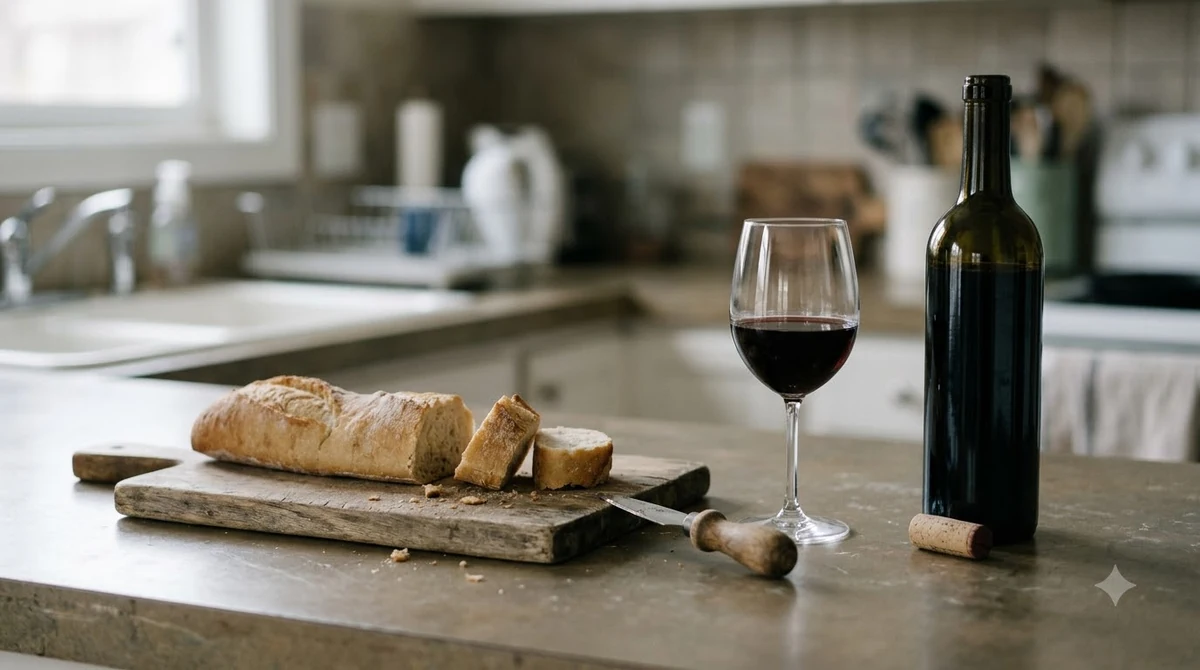
Fino and Manzanilla sit at the lightest, driest end of the spectrum, fortified to around 15 percent ABV and aged entirely under flor. According to the Consejo Regulador de Vinos de Jerez, mild hard cheeses with a clean, salty tang suit Fino best because anything overly pungent will bury the wine’s delicate yeast character. Young Manchego, mild-to-medium Cheddar, Cheshire, fresh feta, and lightly smoked cow’s milk cheeses like San Simón da Costa highlight the wine’s crisp acidity and briny snap. If you are cooking rather than sipping and need a fino sherry substitute, dry white vermouth or a crisp Manzanilla works best, though neither replicates the full flor character on a tasting board.
Amontillado and Palo Cortado bridge the gap between biological and oxidative aging. Amontillado begins life under flor before losing its yeast cap and aging in contact with oxygen, developing hazelnut, dried herb, and warm brioche notes at roughly 17 percent ABV. Cheese educator Emma Young notes in Decanter’s cheese and wine guide that sheep’s milk cheeses like Ossau-Iraty and Manchego pair naturally with almonds, making nutty Amontillado or Palo Cortado a natural partner. Amontillado also handles earthy, bloomy-rind cheeses such as Brie, Camembert, soft goat cheese, and spoonable Torta del Casar, while rare Palo Cortado brings enough structural weight for sharp Idiazabal, Comté, and truffled cheeses.
Oloroso, Cream, and Pedro Ximénez anchor the richest end of the board. Oloroso skips flor entirely, fortifying directly to about 17 percent ABV so oxygen can build a full-bodied, dry wine packed with walnut, leather, and spice aromas. It stands up effortlessly to very mature Manchego, Parmigiano-Reggiano, aged Gouda, and medium-strength Gorgonzola. When sweetening agents are blended into Oloroso, the resulting Cream sherry pairs smoothly with sharp hard cheeses and quince paste. Finally, sun-dried Pedro Ximénez (PX) delivers thick, molasses-and-raisin sweetness that tames fiercely salty, pungent blue cheeses like Roquefort, Stilton, Cabrales, and Picón Bejes-Tresviso.
Quick Reference Sherry and Cheese Pairing Chart
Use this reference table to match specific sherry styles with their primary flavor profiles, cheese categories, and specific regional cheeses. Organizing a tasting from lightest to heaviest keeps fresh palates from being overwhelmed early in the meal.
| Sherry Style | Sweetness & Profile | Best Cheese Categories | Specific Cheese Examples |
|---|---|---|---|
| Manzanilla & Fino | Bone-dry; saline, green apple, raw almond | Fresh, mild-to-medium firm, lightly smoked | Young Manchego, mild Cheddar, Feta, San Simón da Costa |
| Amontillado | Dry; toasted hazelnut, dried herbs, savory | Bloomy rind, semi-hard sheep, earthy goat | Brie, Comté, Ossau-Iraty, aged goat cheese, Torta del Casar |
| Palo Cortado | Dry; concentrated citrus peel, walnut, umami | Sharp sheep’s milk, nutty Alpine, truffled | Idiazabal, Gruyère, aged Cheddar, truffled pecorino |
| Oloroso | Dry; full-bodied, roasted walnut, spice | Extra-aged hard cheeses, medium blues | Parmigiano-Reggiano, mature Manchego, aged Gouda, Gorgonzola |
| Cream Sherry | Sweet; velvety fig, caramel, roasted nuts | Sharp hard cheeses, fruit-studded cheeses | Aged Gouda, Parmesan, White Stilton with cranberries |
| Pedro Ximénez (PX) | Intensely sweet; raisin, molasses, coffee | Strong, salty, pungent blue cheeses | Roquefort, Stilton, Cabrales, Picón Bejes-Tresviso |
Notice how the progression follows both flavor intensity and texture. Soft, moist, and mildly salted cheeses thrive alongside chilled, high-acid biological sherries, whereas dense, low-moisture cheeses packed with crunchy tyrosine crystals demand the weight and concentration of oxidative styles.
How to Serve Sherry With a Cheese Board
Serving temperature and glassware make the difference between a vibrant, aromatic pour and one that tastes flat or overly alcoholic. Because sherry encompasses styles ranging from light aperitifs to dense dessert wines, every bottle should not be served at the same temperature.
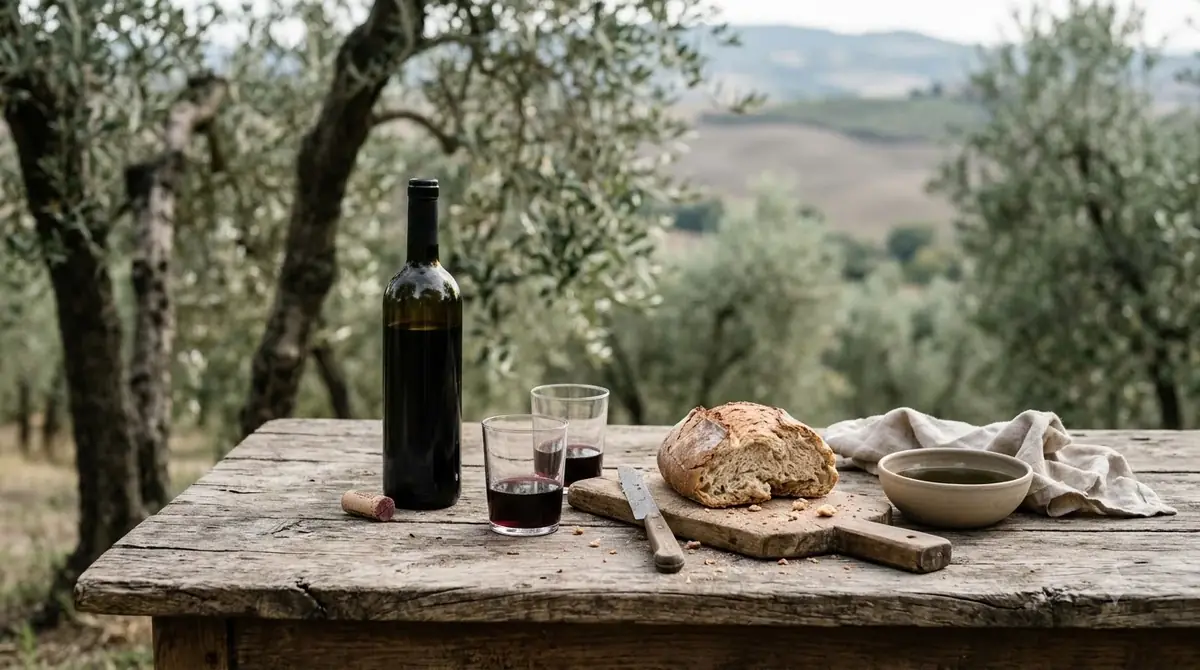
Biological sherries require a serious chill. According to the Consejo Regulador, Fino and Manzanilla taste brightest between 41 and 45 degrees Fahrenheit (5 to 7 degrees Celsius), roughly the same temperature as Champagne. Serving them cold keeps their delicate yeast aromas crisp and prevents the 15 percent alcohol from feeling warm on the palate. Oxidative and sweet styles need slightly more warmth so their complex nut, dried fruit, and spice aromatics can open up; serve Amontillado, Oloroso, Cream, and Pedro Ximénez lightly chilled between 54 and 57 degrees Fahrenheit (12 to 14 degrees Celsius).
Skip the tiny, thimble-sized copita glasses often associated with old-fashioned sherry service. Pouring 2 to 3 ounces into a standard tulip-shaped white wine glass gives the aromatics room to gather while keeping portions sensible—a helpful habit if you are tracking calories in sherry across a multi-course tasting. Pull your cheeses out of the refrigerator 30 to 45 minutes before serving so their fats soften and release full flavor, while keeping Fino or Manzanilla in an ice bucket on the table.
Tip: Treat opened Fino and Manzanilla like fresh white wine rather than spirits—re-cork them tightly, store them upright in the refrigerator, and drink them within three to five days before oxidation dulls their crispness.
Building a Balanced Sherry and Cheese Flight
A structured tasting flight lets guests experience how aging methods transform a single grape variety, Palomino, alongside contrasting textures of milk. Limiting your board to three sherries and three or four cheeses prevents palate fatigue while showcasing the full range of Spain’s Jerez region.
Start the flight with a chilled Manzanilla or Fino paired with young, semi-firm Manchego and salted Marcona almonds. The wine’s briny acidity refreshes the mouth while the almonds echo the biological yeast notes. For the second course, move to a dry Amontillado or Oloroso alongside a wedge of aged Comté and a small piece of bloomy-rind Brie, letting guests taste how the same wine handles both firm, nutty cow’s milk and earthy, creamy paste.
Finish the board with a small pour of Pedro Ximénez next to a crumbly, sharp blue cheese like Roquefort or Stilton. Add minimal accompaniments—a few slices of crusty baguette, plain water crackers, or a dab of quince paste—so high-sugar jams or heavily spiced chutneys do not interfere with the dry wines early in the tasting. If you are exploring Wine by Type to expand your entertaining repertoire, a three-bottle sherry flight offers one of the most educational and crowd-pleasing formats available.
Frequently Asked Questions
Can you serve dry sherry with soft cheeses like Brie or Camembert?
Yes, dry Amontillado is one of the best matches for bloomy-rind cheeses like Brie and Camembert. Its toasted hazelnut notes and crisp acidity cut through the rich butterfat while harmonizing with the earthy, mushroom-like flavors of the white rind.
What is the best sherry to pair with blue cheese?
Pedro Ximénez is the classic choice for strong, salty blue cheeses such as Roquefort, Stilton, and Cabrales because its thick raisin sweetness balances their sharp, savory bite. For milder, creamier blues like Gorgonzola Dolce, a dry, nutty Oloroso prevents the wine from overwhelming the cheese.
Should sherry be chilled when served with cheese?
All sherry styles benefit from some degree of chilling rather than being served at warm room temperature. Serve Fino and Manzanilla cold straight from the refrigerator at 41 to 45 degrees Fahrenheit, and serve Amontillado, Oloroso, and Pedro Ximénez lightly chilled at 54 to 57 degrees Fahrenheit.
How long does an opened bottle of sherry last after a cheese party?
Shelf life depends entirely on how the wine was aged before bottling. Biologically aged Fino and Manzanilla lose freshness quickly and should be refrigerated and finished within three to five days, whereas oxidatively aged Amontillado, Oloroso, and Pedro Ximénez remain vibrant in the fridge for four to eight weeks.
Building a memorable board around sherry and cheese does not require rare bottles or complicated recipes—just attention to aging style, salt intensity, and serving temperature. By matching fresh, mild cheeses with cold biological pours and saving aged wheels and pungent blues for nutty or sweet oxidative styles, you turn a simple platter into a cohesive tasting experience.
More in Wine Types & Grapes
 Zinfandel Sugar Content: Dry Red vs. White Zinfandel GramsUpdated Nov 21, 2026
 Best Zinfandel Substitute Options for Sipping and CookingUpdated Nov 21, 2026
 Zweigelt Food Pairing: Best Dishes, Cheeses, and Serving TipsUpdated Nov 21, 2026
 Zinfandel Tannins Explained: How Structure Shapes Every BottleUpdated Nov 21, 2026
 Zinfandel Sweetness Level: Dry Red vs. Sweet White Zin ExplainedUpdated Nov 21, 2026
 Xinomavro Food Pairing: Best Dishes, Styles, and Serving TipsUpdated Nov 21, 2026