

We may earn a commission when you buy through links on this page, at no extra cost to you. Learn more.
Sherry carbs vary by style: a dry fino or oloroso has less than 1 gram of residual sugar in a 5-ounce pour, while cream sherry and Pedro Ximénez can contain many grams more. The key distinction is whether the bottle is a dry generoso, a sweetened blend, or a naturally sweet wine. For a useful estimate, start with the style and serving size rather than the word “sherry” alone. The figures below convert published sugar ranges into approximate grams per pour; they are estimates of sugar, not laboratory-tested Nutrition Facts panels for every bottle.
Sherry is a fortified wine from the Jerez region of southern Spain, and its range runs from crisp, bone-dry Fino to thick, dessert-like Pedro Ximénez. That span matters more to carbohydrate estimates than the wine’s color, aroma, or alcohol strength. Once you know the style, the math is straightforward.
How Many Carbs Are in Sherry?
A small pour of dry Sherry is generally very low in sugar, while a sweet style can contain the equivalent of several teaspoons in the same glass. For a 3-ounce serving, dry Sherry works out to less than half a gram of residual sugar; Cream Sherry is roughly 10 to 12 grams, and Pedro Ximénez starts above 18 grams.
Those estimates come from the sugar concentrations set out for the main Sherry styles by the Consejo Regulador and are calculated by multiplying grams per liter by the volume poured. They are a practical way to compare styles, not a promise that every producer’s bottle has the exact same carbohydrate value. The final nutrition figure can vary with the wine’s measured composition and the pour you use.
A typical 3-ounce pour is a useful comparison for fortified wine, while a 5-ounce glass is a familiar wine measure. Sherry is often served in smaller copitas, so using a large wine glass can make a sweet style’s total add up quickly. A 3-ounce Cream pour has approximately 10 to 12 grams of sugar; the same volume of Fino has less than 0.5 gram.
For a broader nutrition comparison, separate carbohydrate from calories. Alcohol supplies energy but is not counted as carbohydrate, so a dry Sherry with very little residual sugar can still be relatively calorie-dense because Sherry is fortified and contains significant alcohol. The companion guide to calories in sherry covers that other part of the nutrition picture.
Why Sherry Style Matters More Than Color
Sherry’s sugar level is determined mainly by how the wine is made and whether it is sweetened, not by whether it looks pale gold or dark mahogany. The Sherry Council’s published overview gives dry generoso wines a maximum of 5 grams of residual sugar per liter, while the current EU product specification sets a stricter 4-gram ceiling for Fino, Amontillado, Oloroso, and Palo Cortado. Cream Sherry contains 115 to 140 grams per liter.
The dry group includes Fino, Manzanilla, Amontillado, Oloroso, and Palo Cortado. These wines are generally based on Palomino grapes fermented to dryness; their differences come from fortification and ageing. Fino and Manzanilla develop under a layer of yeast called flor, while Amontillado moves from biological ageing to oxidative ageing and Oloroso ages with oxygen from the start.
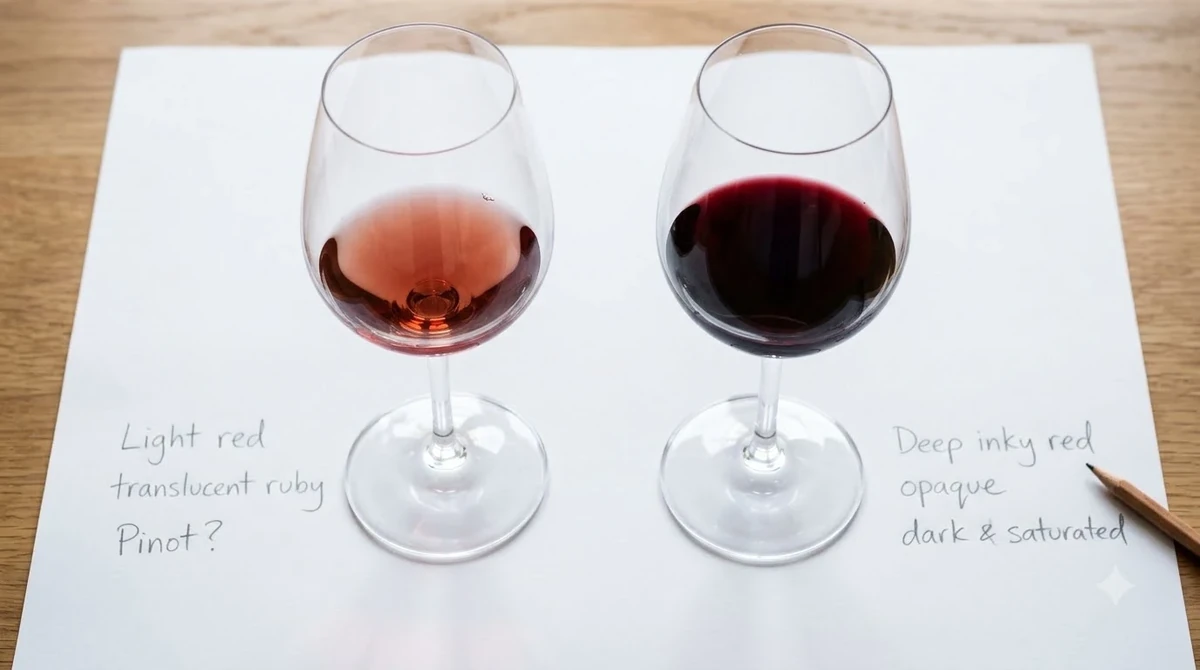
That ageing distinction explains why two dry Sherries can look and taste very different without carrying a substantially different sugar load. A Fino is often pale, crisp, and saline. An Oloroso can be amber or mahogany, full-bodied, and full of walnut, spice, and dried-fruit aromas, yet still be classified as dry. A darker appearance is not a reliable shortcut for estimating carbohydrates.
Sweet Sherry falls into two broad groups. Cream is a blended style, usually based on oxidative-aged Oloroso with Pedro Ximénez wine or concentrated grape must added. Pedro Ximénez and Moscatel are naturally sweet styles made from grapes with concentrated sugars. The result is a much wider sugar range than the dry category, even though all of these wines share the Sherry name.
Estimate Carbs in a Serving
The simplest estimate uses the wine’s residual sugar in grams per liter and the amount poured. One liter contains 1,000 milliliters, so a 3-ounce pour is about 88.7 milliliters and a 5-ounce pour is about 147.9 milliliters.
Use this calculation: grams of sugar per liter × serving size in milliliters ÷ 1,000. For example, Cream Sherry at 115 grams per liter provides about 10.2 grams of sugar in 3 ounces (115 × 88.7 ÷ 1,000). At 140 grams per liter, the same pour contains about 12.4 grams. The numbers below are rounded to one decimal place where useful.
| Sherry style | Published sugar range | Estimated sugar in 3 oz | Estimated sugar in 5 oz |
|---|---|---|---|
| Fino, Amontillado, Oloroso, Palo Cortado | Up to 4 g/L | Up to 0.4 g | Up to 0.6 g |
| Manzanilla | Up to 5 g/L | Up to 0.4 g | Up to 0.7 g |
| Pale Dry | 4 to under 50 g/L | 0.4 to under 4.4 g | 0.6 to under 7.4 g |
| Pale Cream | 50 to under 115 g/L | 4.4 to under 10.2 g | 7.4 to under 17.0 g |
| Medium | 4 to under 115 g/L | 0.4 to under 10.2 g | 0.6 to under 17.0 g |
| Cream | 115 to 140 g/L | 10.2 to 12.4 g | 17.0 to 20.7 g |
| Moscatel | At least 160 g/L | At least 14.2 g | At least 23.7 g |
| Pedro Ximénez | More than 212 g/L | More than 18.8 g | More than 31.4 g |
The table translates the current Jerez product specification and the Sherry Council’s published Manzanilla sugar limit into serving estimates; it does not claim to report a measured total-carbohydrate value for every bottle. The amended EU specification sets Fino, Amontillado, Oloroso, and Palo Cortado at no more than 4 grams per liter, and Pale Dry at 4 to under 50 grams per liter; the approved Jerez product specification gives the full ranges. It also allows certain qualified-aged wines over 12 years to reach 9 grams per liter when they meet the acidity condition, equal to about 0.8 gram of sugar in a 3-ounce pour. The exact figure may vary within a category, especially in styles such as Medium that cover a broad sweetness range. For a bottle-specific number, use the producer’s technical information or a nutrition declaration when one is available.
Tip: Measure your usual pour once with a kitchen measuring cup or jigger. If you typically pour 2 ounces instead of 3, multiply the table’s 3-ounce estimate by two-thirds; if you pour 4 ounces, multiply it by four-thirds.
Dry Sherry Styles Usually Have Very Few Carbs
Fino, Manzanilla, Amontillado, Oloroso, and Palo Cortado are the easiest styles to identify when you want a low-sugar Sherry. The Sherry Council’s published dry-wine definition sets a ceiling of 5 grams of residual sugar per liter for the generoso group; the current EU specification sets a 4-gram ceiling for Fino, Amontillado, Oloroso, and Palo Cortado. That works out to no more than about 0.4 gram in a 3-ounce pour and 0.6 to 0.7 gram in a 5-ounce pour, depending on the style.
Fino and Manzanilla are the lightest expressions. Both mature under flor, a living yeast layer that limits contact with oxygen; Manzanilla must come from Sanlúcar de Barrameda, while Fino can be produced elsewhere in the Sherry region. Their flavours can suggest green almond, dough, sea air, or citrus, but those impressions do not mean the wines contain meaningful amounts of sugar.
Amontillado begins its life under flor and then continues ageing oxidatively after the protective yeast layer disappears. Oloroso is fortified to a higher level and ages without flor, developing a deeper color, a fuller body, and nutty or savory notes. The Sherry Council’s official overview groups these five names under the dry generoso category.
Palo Cortado combines some of the aromatic finesse associated with Amontillado and the fuller structure of Oloroso. It may feel broad or rich on the palate, but richness is not the same as sweetness. At the standard category limit, a 3-ounce pour stays below half a gram; qualified-aged examples can be higher under a separate allowance.
Sweet Sherry Styles Have Much Higher Carb Counts
Cream, Pale Cream, Medium, Moscatel, and Pedro Ximénez cover the sweeter end of the Sherry spectrum, but they do not all have the same sugar level. Cream contains 115 to 140 grams per liter, while the Consejo Regulador lists Pedro Ximénez above 212 grams per liter and Moscatel at 160 grams per liter or more.

Cream Sherry is generally made by blending oxidative-aged wine, mainly Oloroso, with naturally sweet wine or concentrated must. In a 3-ounce serving, its 115-to-140-gram-per-liter range translates to approximately 10.2 to 12.4 grams of sugar. A 5-ounce serving rises to about 17.0 to 20.7 grams, so the pour size makes a clear difference.
Pale Cream is a lighter, sweeter blend, often built on a Fino or Manzanilla base. Medium is a broader category: the permitted range stretches from just above the dry end to almost the Cream threshold, so two bottles marked Medium can have noticeably different sugar levels. Pale Dry sits lower still, with a regulated range from 4 to less than 50 grams per liter.
Pedro Ximénez, usually shortened to PX, is a naturally sweet Sherry. Its grapes are left to dry in the sun, concentrating their sugars before pressing; fermentation is then stopped by adding wine alcohol. The Consejo Regulador’s Pedro Ximénez style profile lists sugar above 212 grams per liter, or more than 18.8 grams in 3 ounces and more than 31 grams in 5 ounces. That makes PX a dessert wine best poured in a small measure rather than treated like a dry table wine. Its raisin, fig, date, honey, and dark-chocolate notes are concentrated, and the wine’s acidity gives balance without removing the sugar. Moscatel is also naturally sweet, with a minimum sugar level of 160 grams per liter, so its estimated 3-ounce serving starts around 14.2 grams.
Pour Size, Labels, and Comparisons Change the Estimate
Serving size is the easiest variable to control. A 3-ounce pour contains 60% of the sugar found in a 5-ounce pour, while a 1.5-ounce taste contains half as much as a 3-ounce pour. A 750-milliliter bottle holds about eight 3-ounce pours or just over five 5-ounce pours. If several people share a bottle of Cream Sherry, dividing its total sugar across the actual number of servings gives a more useful estimate than treating the bottle as one serving; the same approach works for PX, although its concentration makes each small pour count more.
Read the style name first. “Fino,” “Manzanilla,” “Amontillado,” “Oloroso,” and “Palo Cortado” indicate dry generoso styles under the Sherry classification; “Cream,” “Pale Cream,” “Medium,” “Pale Dry,” “Moscatel,” and “Pedro Ximénez” signal different degrees or sources of sweetness. When a bottle only says “Sherry” without a clear style cue, producer information is more useful than its color or a tasting description. Do not treat alcohol percentage as a substitute for sugar information: Sherry commonly ranges from 14% to 22% alcohol by volume, and a dry Fino can have a higher alcohol level than many still wines while remaining very low in residual sugar. A sweet PX, by contrast, combines high alcohol with a much larger amount of sugar.
Keep comparisons within the same serving size: a 3-ounce Sherry pour should not be compared directly with a 5-ounce table-wine glass unless you adjust one of the quantities. For context on how different wine styles compare, see dry red wine carbs and the broader Wine by Type overview. A Fino substitute may also change a recipe’s sweetness, so use the Fino Sherry substitute guide when you are choosing a replacement for cooking.
Frequently Asked Questions
These answers clarify details that can affect a pour or a bottle choice, including Cream Sherry at 115 to 140 grams of sugar per liter, PX above 212 grams per liter, and the different refrigerator lives of Fino and Oloroso after opening.
Does Cream Sherry contain dairy?
No. Cream Sherry does not get its name from milk or dairy cream; the name refers to its rounded, velvety texture. The style is made by blending wines, commonly Oloroso with a sweet component such as Pedro Ximénez.
Can a dry Sherry taste sweet even with little sugar?
Yes. Oxidative ageing can produce aromas associated with caramel, dried fruit, and nuts, which some drinkers interpret as sweetness. Those aromatic impressions do not change the wine’s measured residual-sugar category.
How long can an opened bottle of Sherry last?
Storage time depends on the style and refrigeration. Decanter gives about one week in the refrigerator for opened Fino and Manzanilla, up to six weeks for Oloroso, and up to two months for Pedro Ximénez when the bottle is resealed.
Does a Sherry bottle come from one harvest year?
Most Sherry is matured using the solera system, which blends wine from different ages as portions are drawn from older casks and replenished with younger wine. A stated age on a solera-aged Sherry describes an approximate average rather than a single vintage year.
What sugars are included in the official Sherry figures?
The Jerez product specification expresses total sugar as glucose plus fructose. The gram-per-liter figures for each style therefore refer to those residual grape sugars, rather than a judgment based only on how sweet the wine tastes.
For the lowest-sugar Sherry, choose a dry style such as Fino, Manzanilla, Amontillado, Oloroso, or Palo Cortado and keep the serving consistent. Cream and especially Pedro Ximénez belong in a different range, so use the style’s published sugar concentration and your actual pour size to estimate the amount in your glass.
More in Wine Types & Grapes
 What Does Mourvèdre Taste Like? Flavor Profile, Regions, and PairingsUpdated Nov 20, 2026
 What Does Marsanne Taste Like? Flavors, Styles, and Food PairingsUpdated Nov 20, 2026
 What Does Malvasia Taste Like? Styles, Flavors, and Food PairingsUpdated Nov 20, 2026
 What Does Grenache Blanc Taste Like? Flavor Profile, Styles, and PairingsUpdated Nov 20, 2026
 What Does Garnacha Taste Like? Key Flavors, Styles, and Pairing TipsUpdated Nov 20, 2026
 What Does Fruit Wine Taste Like? A Complete Flavor and Style BreakdownUpdated Nov 20, 2026