

We may earn a commission when you buy through links on this page, at no extra cost to you. Learn more.
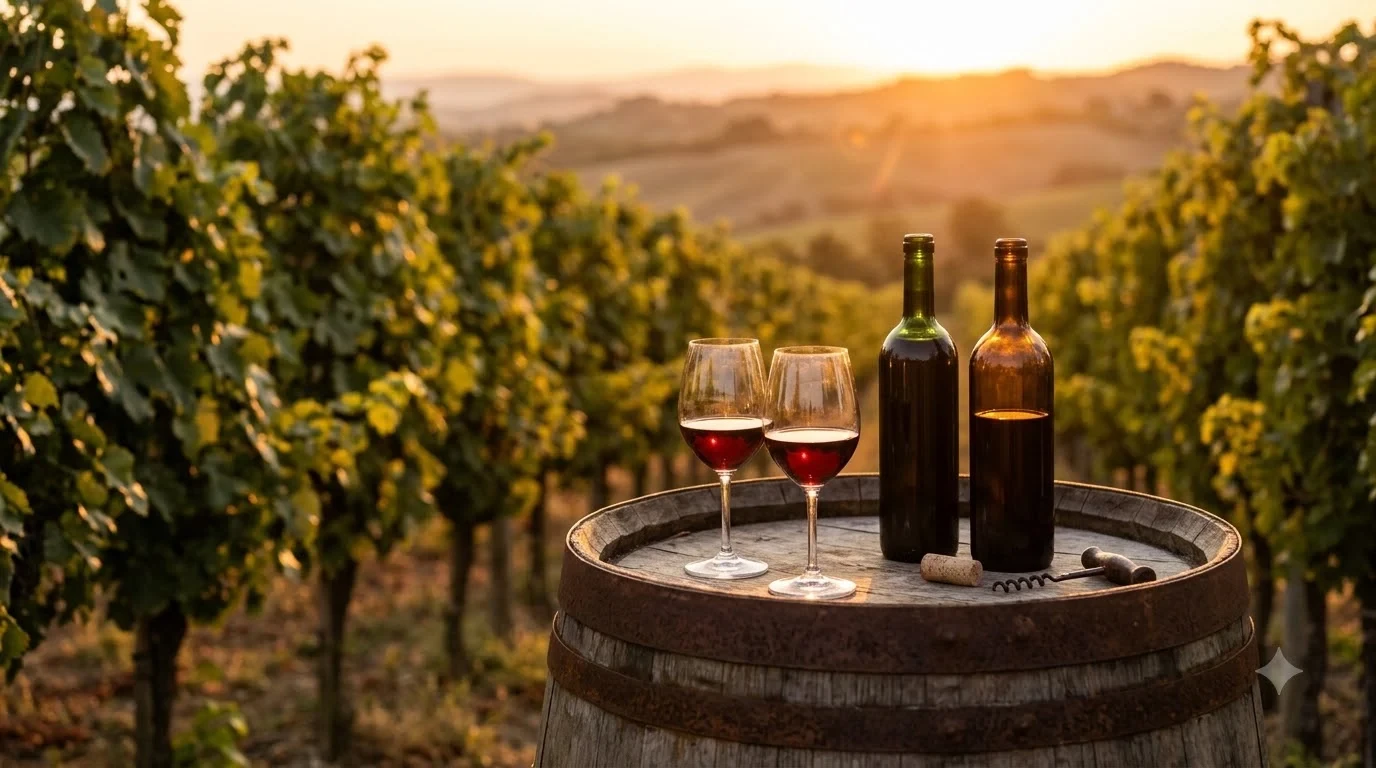
Shelton Vineyards wine is estate-grown wine from North Carolina’s Yadkin Valley, with a portfolio that ranges from structured Cabernet Sauvignon and Tannat to aromatic whites, sparkling bottles, and sweeter specialty selections. The winery grows ten varieties of European vinifera grapes and makes wine in Dobson, where the Shelton family’s vineyard project began in 1999. Its wines make the most sense when considered through both the grapes in the glass and the region’s Piedmont foothills setting.
For shoppers comparing American wine regions, Shelton offers a useful alternative to the better-known West Coast names: a North Carolina estate with recognizable international varieties, local growing conditions, and a visitor experience built around tastings, food, and the cellar. This guide explains the grape lineup, what the main styles taste like, how to pair and serve them, and what to expect at the estate.
What Shelton Vineyards Is Known For
Shelton Vineyards is a family-led estate winery at 286 Cabernet Lane in Dobson, North Carolina, in the Yadkin Valley AVA. Its identity is rooted in estate viticulture: the winery says its featured wines are grown, harvested, and bottled on site, and its portfolio combines familiar varietal wines with blends and specialty bottlings.
The project began in 1999, when brothers Ed and Charlie Shelton planted the first vines. The winery is now led by the founders’ next generation, Mandy Shelton Houser and Chip Shelton, as co-presidents. Its vineyard and winemaking remain central to the business. The winery’s description of its vineyard and winemaking details the varieties grown and the cellar approach.
Estate varieties include Cabernet Franc, Cabernet Sauvignon, Chardonnay, Merlot, Malbec, Tannat, Petit Verdot, Riesling, Sauvignon Blanc, and Petit Manseng. The range spans dry reds, fresh whites, sparkling wine, and sweeter specialty bottles.
The winery says harvest normally starts in late August and lasts about six to eight weeks. It ages wines in French, American, and Hungarian oak, using three temperature-controlled barrel rooms that are partly underground. These choices support both fresh, fruit-forward wines and more structured reds.
How the Yadkin Valley Shapes the Wines
The Yadkin Valley gives Shelton a distinct East Coast setting for European wine grapes. North Carolina’s first AVA was established in 2003; Wine Enthusiast places it in the western Piedmont near the Southern Appalachian foothills, with sunny days, rolling hills, and a longer growing season.
Elevation and soil help make the regional picture more specific. Wine Enthusiast lists Yadkin Valley elevations at about 800 to 1,600 feet and identifies clay, fine loam, schist, and mica among its soil types. Those figures describe the broad AVA rather than an exact measurement for every Shelton block, but they help explain why vineyard sites can differ in drainage, vigor, and ripening patterns even within one region.
Warm days can help ripen Cabernet Sauvignon, Merlot, and Tannat, while cooler periods can help preserve freshness. Shelton should not be expected to taste exactly like Napa Cabernet or Bordeaux Merlot: climate, soil, harvest date, and cellar choices all affect the glass.
Yadkin Valley also has a regional identity beyond one winery. The area supports a mix of vinifera and hybrid grapes, and North Carolina’s AVA map includes several distinct growing regions. Readers comparing regional styles can also look at alexander valley vineyards wine, which offers a useful contrast with California’s Alexander Valley, or explore sonoita vineyards wine for another American region shaped by elevation and a different climate.
Grapes and Wine Styles to Know
Start with grape variety, then consider whether the bottle is dry, sparkling, blended, or sweet. Shelton’s ten estate vinifera grapes cover several familiar wine categories, alongside specialty and reserve selections.
Cabernet Sauvignon is the clearest choice for drinkers who like darker fruit and firm structure. Cabernet generally has high tannin, so expect a more grippy feel than in a softer Merlot. A Wine Enthusiast review of Shelton’s 2020 Cabernet Sauvignon identified black plum, cassis, coffee, potting soil, clove, and cinnamon, and reported 13% alcohol by volume. That profile suggests ripe dark fruit supported by savory notes rather than a simple, sweet-fruited red. Merlot is usually a gentler entry point into the red range. Its tannins tend to be medium and softer than Cabernet’s, making it a good option for someone who wants red-wine texture without as much grip. Cabernet Franc can offer red-fruit, herbal, and peppery details, while Malbec is often a deeper-colored, darker-fruited option. Each variety responds to site and winemaking, so use these as style guides rather than guarantees about every vintage.
Tannat is the bolder red to seek out if you enjoy pronounced structure. The variety is known for substantial tannin, and Shelton lists it among the grapes planted on the estate as well as in its reserve range. Petit Verdot is another structured red grape, often used in blends to add color, tannin, and dark-fruit character. When a wine is built around either grape, it can benefit from food with protein and richness. For whites, Chardonnay is generally broader and more textured, while Sauvignon Blanc and Riesling tend to show higher acidity. Petit Manseng is one of the less familiar varieties for many U.S. drinkers and can be made at different sweetness levels. Sparkling, sweet, and fruit-based selections give guests alternatives to dry table wine.
These are general variety profiles, not guarantees for every bottle. Vintage, oak, residual sugar, blending, and serving temperature can change the impression. For a first purchase, choose the grape style you already enjoy, then use a tasting flight to decide whether you prefer the winery’s classic or reserve expression.
| Grape | Typical structure | Serving temperature | Pairing idea |
|---|---|---|---|
| Cabernet Sauvignon | High tannin | 60–65°F | Grilled beef or lamb |
| Merlot | Medium, softer tannin | 55–60°F | Roast chicken or pork |
| Tannat | High tannin | 60–65°F | Short ribs or aged cheese |
| Chardonnay | Medium acidity | 50–55°F | Roast poultry or creamy pasta |
| Sauvignon Blanc | High acidity | 45–50°F | Herbs, goat cheese, shellfish |
| Riesling | High acidity; sweetness varies | 43–50°F | Spicy food or fruit desserts |
How to Taste and Compare the Main Bottles
Move from lighter wines to fuller or sweeter ones so strong flavors do not overwhelm delicate pours. At Shelton, compare a crisp white with a richer white before moving to reds.
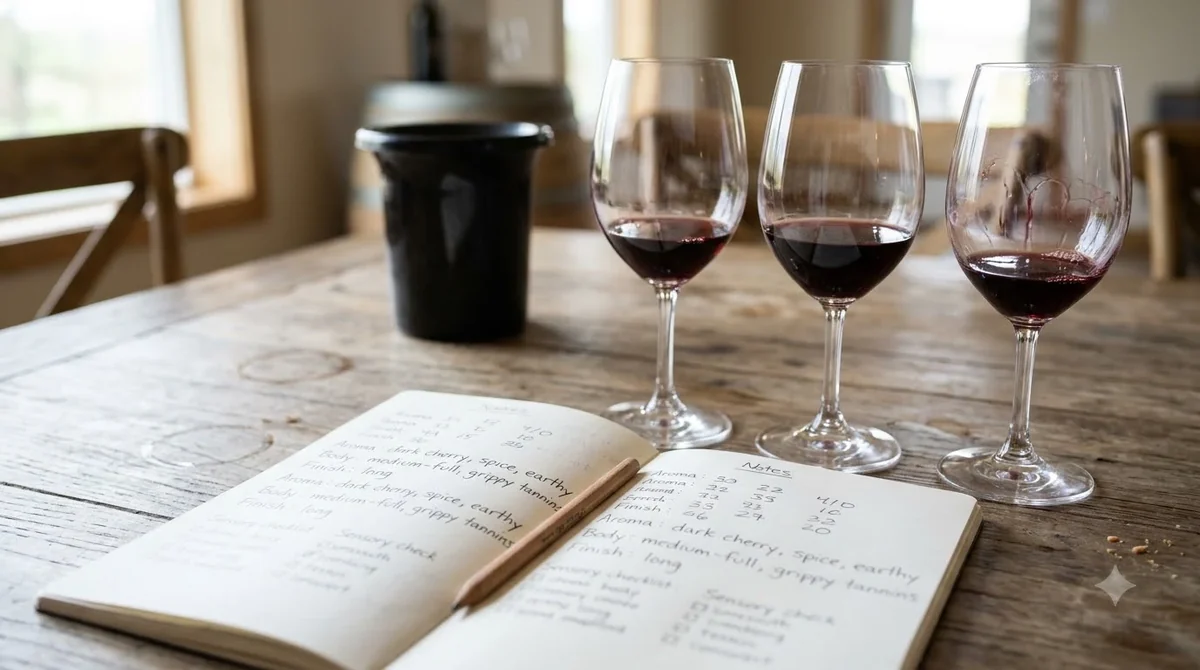
Start with appearance and aroma, then pay attention to acidity, tannin, body, and finish. Acidity creates a mouthwatering sensation; tannin creates a drying grip along the gums. These structure cues are more useful than trying to name every aroma.
For whites, compare Sauvignon Blanc or Riesling with Chardonnay, then include Petit Manseng if available. For reds, try Merlot before Cabernet Sauvignon or Tannat and notice how tannin firmness changes.
A professional review can offer one reference point without defining every bottle. Wine Enthusiast rated Shelton’s 2020 Cabernet Sauvignon 91 points and described a mix of black plum, cassis, coffee, potting soil, clove, and cinnamon. That combination is a helpful vocabulary exercise: separate fruit notes from earthy and spice notes, then decide which sensations you notice in the glass yourself. Explore the published Shelton Cabernet Sauvignon review for the full tasting description. One Cabernet review describes only that bottling, not every Shelton red. The estate’s ten grape varieties and several oak types make a flight across styles more informative than relying on one wine. If you are taking notes, record the grape, vintage, sweetness, acidity, tannin, and a possible food match; contrasts often make balance easier to recognize.
Food Pairings for Shelton Vineyards Wine
Pairing works best when food weight matches wine weight. Tannin, acidity, sweetness, salt, fat, and spice affect the combination, so start with structure rather than grape name alone.
Pair Cabernet Sauvignon or Tannat with protein and richness: grilled steak, lamb, brisket, short ribs, or aged cheese. Softer, medium-tannin Merlot suits roast chicken, pork tenderloin, meatloaf, and mushrooms. Cabernet Franc can fit grilled sausages, herb-roasted vegetables, or tomato-based dishes.
Chardonnay works with roast chicken, scallops, creamy pasta, and grilled fish; a fuller oak-influenced style can handle butter and richer sauces. High-acid Sauvignon Blanc fits goat cheese, herbs, oysters, shrimp, and citrus-dressed salads. Oily fish such as salmon, sardines, and mackerel can clash with tannic reds; Chardonnay or a brighter white is a safer match. Acidic foods such as vinaigrette or lemon need a wine with equal or higher acidity.
Riesling can suit spicy food, especially with some sweetness: acidity keeps the pairing lively while residual sugar balances chile heat. Petit Manseng can work with pork, chicken, fruit-accented sauces, and salty cheese. For dessert, choose a wine at least as sweet as the dish. Guests planning a meal around a bottle can compare other North Carolina producers, including childress vineyards wine; the same rules apply to body, acidity, and sweetness.
Tip: Match the wine’s sweetness to the food, and avoid pairing a high-alcohol, tannic red with very spicy dishes. Chili heat can make alcohol and tannin seem more aggressive, while salt and fat can soften tannin.
Serving, Opening, and Storing the Bottles
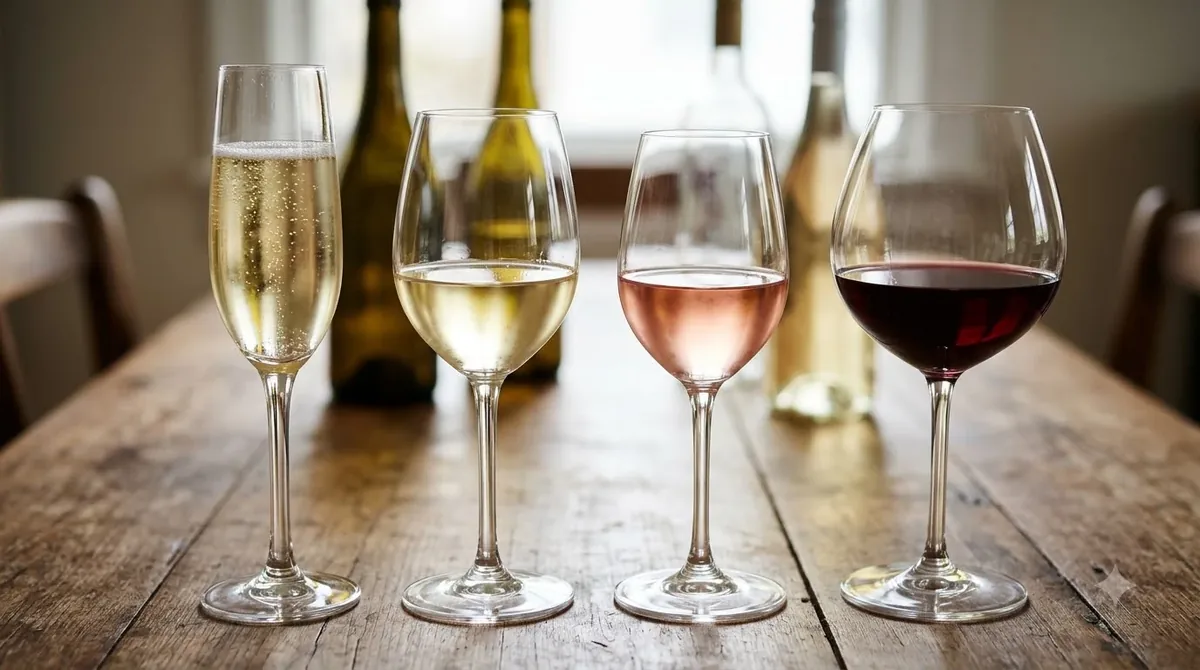
Temperature changes how fruit, acidity, alcohol, and tannin register. Serve sparkling wines cold, whites cool, and reds below typical room temperature.
Use the temperature ranges in the table as a starting point. Sparkling wine is best at 40–50°F, while rosé and light whites suit 45–50°F. Serve fuller Chardonnay toward 50–55°F, crisp Sauvignon Blanc closer to 45–50°F, and structured Cabernet or Tannat cool enough to keep alcohol in check. Sweet whites are best around 43–50°F.
A 750-milliliter bottle yields about five standard 5-ounce pours. In a tasting flight, smaller pours make comparing six wines easier. Decant a young, full-bodied Cabernet or Tannat for 30 to 60 minutes if it seems tightly wound.
Store cork-finished bottles intended for aging on their sides in a cool, dark place near 55°F, away from light and temperature swings. Refrigerated opened still wines generally keep three to five days; sparkling wines one to three days with a proper closure. Fortified wines can last several weeks, and bag-in-box wines four to six weeks. Not every bottle needs cellaring: many whites, rosés, sparkling wines, and fruit-forward reds are best enjoyed young, while structured reserve reds may reward short-term aging if stored well.
Planning a Visit to the Shelton Estate
The winery is at 286 Cabernet Lane in Dobson and offers casual six-wine tastings as well as reserved barrel-cave experiences with food and a winery tour.
Regular tasting-room hours are 11 a.m.–5 p.m. Monday and Tuesday, 11 a.m.–6 p.m. Wednesday through Saturday, and noon–5 p.m. Sunday. The winery closes on Thanksgiving and Christmas; confirm the schedule before a holiday visit.
The Classic and Reserve tastings each include six wines; the Classic flight does not require a reservation, subject to capacity. The Reserve list includes white, red, and sparkling selections. The 60-minute Grand Reserve appointment takes place in the barrel cave and includes six reserve wines plus cheese. The 90-minute Signature experience includes nine reserve wines, sparkling selections, meats, cheeses, chocolate truffles, a tour, and a souvenir glass. Both require 48 hours’ advance planning.
NC Wine lists the on-site Harvest Grill and nearby Hampton Inn & Suites Dobson as visitor amenities, along with group tours and events. That makes the estate a convenient stop for a meal or an overnight stay. To compare estates and producers more broadly, browse our Wine Brands section.
Frequently Asked Questions
These answers add a few planning details for first-time guests.
Who founded Shelton Vineyards?
Brothers Ed and Charlie Shelton founded the winery project. The winery describes them as North Carolina natives with deep roots in Mount Airy, and says their goal was to help establish the state as a wine destination.
Who makes the wine at Shelton Vineyards?
The winery lists Ethan Brown as its winemaker. His background includes an associate degree in viticulture and enology from Surry Community College and a bachelor’s degree in chemistry and fermentation science from Appalachian State University.
Does Shelton Vineyards offer sparkling wine?
Yes. Sparkling selections are included in the Signature Tasting. The winery’s sparkling range has included Chardonnay- and Riesling-based bottlings, so guests can compare two grapes in the same broad style.
Can visitors bring a large group for a tasting?
The winery asks groups of 10 or more to contact its team so the visit can be arranged appropriately. This is especially useful for coordinating a group flight rather than relying on walk-in capacity.
Are pets and RV parking accommodated?
The NC Wine directory lists Shelton as pet-friendly and notes RV parking as an available amenity. Visitors should confirm any current restrictions with the winery before arriving with an animal or recreational vehicle.
Shelton Vineyards is a useful introduction to the range of wines being made in North Carolina’s Yadkin Valley, particularly for drinkers who enjoy familiar grapes interpreted in a different American growing region. Start with a tasting flight, compare the estate’s whites and reds, and choose the bottle whose balance and structure best fit the meal you have in mind.
More in Wine Brands
 Underwood Wine Price: Compare Bottles, Cans, and Pack SizesUpdated Nov 21, 2026
 Zenato Wine Price: Compare Styles and Choose the Right BottleUpdated Nov 21, 2026
 Zuccardi Wine Price: Compare Bottles and Find the Right RangeUpdated Nov 21, 2026
 Yellow Tail Moscato Review: Taste, Sweetness and Serving TipsUpdated Nov 21, 2026
 Wolf Blass Yellow Label Review: Choose Your Best StyleUpdated Nov 21, 2026
 Wolffer Estate Rose Review: Choose the Right Bottle for Your TableUpdated Nov 21, 2026