

We may earn a commission when you buy through links on this page, at no extra cost to you. Learn more.
The seneca lake wine festival experience is best understood as a series of seasonal wine and food events organized by the Seneca Lake Wine Trail, bringing visitors to wineries throughout New York’s Finger Lakes region. Rather than attending one large festival in a single location, visitors explore participating wineries around the lake, sampling regional wines and food pairings. Events take place across multiple seasons, making it possible to experience the area’s vineyards, tasting rooms and local hospitality at different times of year.
Seneca Lake is one of the most important wine destinations in the northeastern United States. Its cool-climate vineyards produce distinctive Riesling, Pinot Noir, Cabernet Franc and sparkling wines, while the surrounding communities offer scenic drives, restaurants and lakeside attractions. Understanding how the wine trail works, which events suit your interests and how to organize winery visits will help you make the most of a trip.
Understanding the Seneca Lake Wine Festival and Wine Trail
The Seneca Lake wine festival experience centers on organized winery events rather than a traditional single-site festival. The Seneca Lake Wine Trail coordinates themed weekends and tasting experiences, allowing visitors to explore participating producers while enjoying food pairings and seasonal activities.
The Seneca Lake Wine Trail is a nonprofit, membership-based organization established in 1986. Its purpose is to promote wineries and wine tourism around Seneca Lake in the heart of New York’s Finger Lakes. The association includes dozens of winery members, with Finger Lakes Tourism Alliance identifying 28 member wineries. Individual event participation varies, so the full membership should not be confused with the number of wineries included in a particular weekend.
The region has an established identity within American wine production. The Seneca Lake American Viticultural Area, or AVA, was recognized in 2003 as a distinct growing region within the larger Finger Lakes AVA, which dates to 1982. The Seneca Lake AVA covers approximately 320 square miles and is characterized by sloping vineyard sites, glacial soils and the moderating influence of the lake.
These conditions help explain why the region is particularly successful with cool-climate grapes. Riesling is a signature variety, but Pinot Noir, Chardonnay, Cabernet Franc, sparkling wine and ice wine also contribute to the area’s reputation.
Visitors should distinguish between organized Wine Trail events and regular winery activities. A themed event generally involves advance tickets, designated participating locations and specific food or wine offerings. Individual wineries also host their own experiences, including live music, special tastings and food pairings outside the larger event schedule.
For a broader understanding of how American wine regions differ in climate and grape varieties, the site’s Wine Regions resource provides useful background before planning a Finger Lakes visit.
When to Visit and Which Seasonal Events to Choose
Seneca Lake offers wine experiences throughout the year, but each season brings a different atmosphere and selection of events. Spring emphasizes fresh food pairings, summer offers longer days for vineyard visits, autumn brings harvest scenery, and winter features holiday-themed tasting weekends.
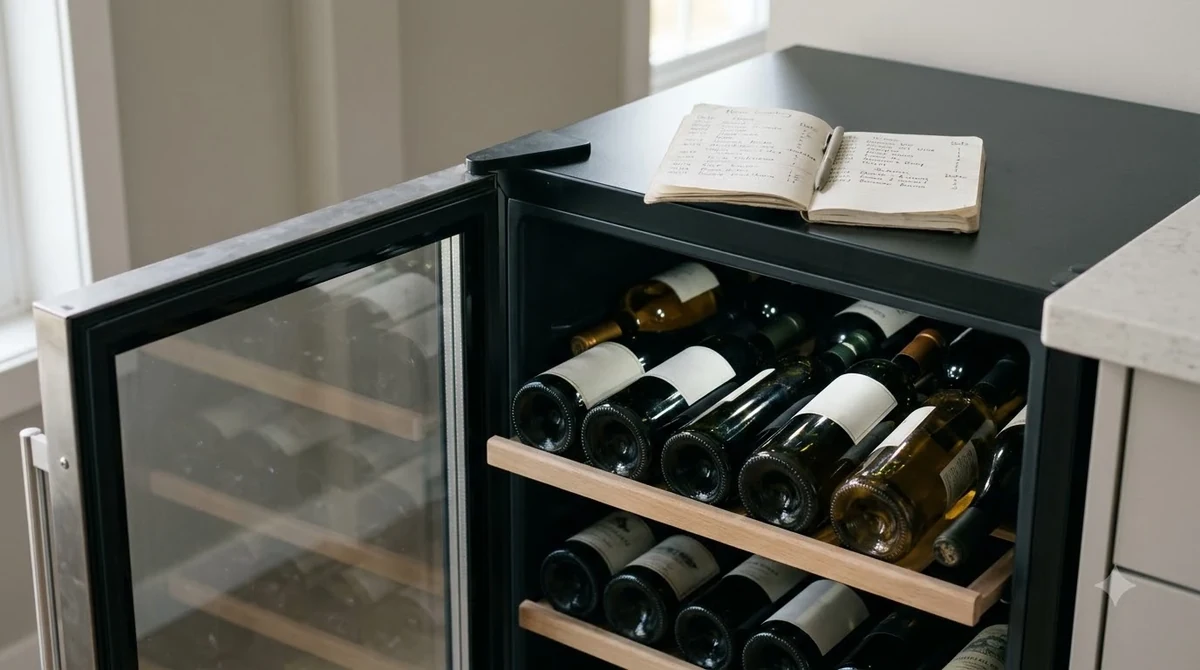
The Seneca Lake Wine Trail calendar includes several recurring event concepts. Spring Wine and Cheese combines regional wines with cheese-focused recipes, while Chocolate and Wine offers pairings built around chocolate. Wine and Brunch introduces breakfast-inspired dishes, and Deck the Halls provides a holiday-themed experience with winery visits and seasonal decorations.
Other experiences include tasting passes that allow visitors to explore participating wineries during designated periods. These passes differ from ticketed food-pairing weekends because their primary purpose is to encourage tasting room visits across a defined period, often during quieter tourism seasons.
Here is a practical overview of the seasonal calendar:
| Season | Typical experience | What to look for |
|---|---|---|
| Winter | Holiday and comfort-food events | Deck the Halls, Chocolate and Wine |
| Spring | Fresh food and wine pairings | Spring Wine and Cheese, brunch events |
| Summer | Outdoor activities and seasonal tastings | Smokin’ Summer Kickoff, winery events |
| Autumn | Harvest-season visits and regional wine exploration | Individual winery events and tasting experiences |
These are seasonal planning categories rather than guarantees of a particular event date. The Wine Trail publishes its calendar and ticket information separately, and event schedules can change. Visitors should use the official calendar to confirm the dates, participating wineries, operating hours and ticket availability for their chosen weekend.
Spring and autumn are especially appealing for visitors interested in vineyard scenery. Spring brings developing foliage and a fresh atmosphere, while autumn offers changing leaves and the visual appeal of the grape-growing season. Summer is a good choice for people who want to combine winery visits with lakeside activities.
Winter should not be overlooked. Holiday events can provide a different perspective on the region, particularly for visitors interested in food, seasonal decorations and richer wine styles. Indoor tasting rooms also make winter visits practical when outdoor temperatures are low.
It is helpful to distinguish the annual calendar from the individual winery calendar. A winery may host a special tasting or music event even when no larger Wine Trail weekend is scheduled. Visitors with flexible dates can therefore find experiences beyond the major themed weekends.
How Tickets, Starting Wineries and Tastings Work
Most organized Wine Trail weekends use advance digital tickets and a designated starting winery. Visitors select their starting location when purchasing tickets, collect the required event materials there and then visit the remaining participating wineries in their preferred order during the event hours.
This arrangement is important because the event takes place across multiple locations rather than in one central venue. According to the Wine Trail’s event information, participants must begin at the winery selected during checkout. After that initial visit, they can generally visit the other participating wineries in any order, with each winery visited once during the event.
Tickets are normally delivered digitally by email, with options to send them to a phone or Apple Wallet during checkout. Each participating winery scans the ticket when visitors arrive. Keeping the ticket accessible on a charged phone makes the check-in process easier, particularly when visiting several wineries in one day.
The exact inclusions depend on the event. Some themed weekends provide a souvenir wine glass, an event-specific favor, a food pairing and a tasting of several additional wines at each participating location. Other events use different arrangements, so visitors should read the individual event description before purchasing.
For example, the Wine Trail’s published event FAQ describes several food-pairing weekends in which a tasting ticket includes one food-and-wine pairing and an additional tasting of three wines at participating wineries. That structure gives visitors an opportunity to compare several wine styles while enjoying dishes selected for the event theme.
Designated-driver tickets are also available for many events. Depending on the event, they can include food samples, nonalcoholic drinks and event merchandise. These tickets allow people who are not drinking to participate in the culinary experience without purchasing a standard wine-tasting ticket.
There are several practical rules worth understanding before buying tickets:
- Choose the starting winery carefully because the selection generally cannot be changed after purchase.
- Purchase tickets together if your group wants to start at the same location.
- Keep the digital ticket available for scanning at every participating winery.
- Observe the six-person maximum group size stated in the Wine Trail’s event FAQ.
- Review the event’s food information if anyone in your group has dietary restrictions.
- Purchase early because ticket quantities are limited and popular weekends can sell out.
The official Seneca Lake Wine Trail event FAQ explains ticket inclusions, group limits, starting wineries, digital admission and other event requirements.
Another important consideration is the refund policy. Wine Trail event tickets are generally nonrefundable, and transferring tickets may require contacting the organization. Visitors should therefore confirm their travel arrangements before completing a purchase.
Event rules also address children, pets and age verification. Organized wine weekends are intended for adults aged 21 and older, and visitors should bring valid identification. Pets are generally not permitted during these event weekends, even though some individual tasting rooms may welcome them at other times.
Which Seneca Lake Wines Should You Look For?
Riesling is the essential starting point for understanding Seneca Lake wine, but the region offers considerably more variety. Visitors should compare dry and off-dry Riesling, taste local Pinot Noir and Cabernet Franc, and explore sparkling wines to understand the range of styles produced around the lake.
Riesling performs particularly well in the Finger Lakes because the region’s cool climate helps preserve acidity while allowing grapes to develop aromatic character. Depending on the producer and vineyard conditions, Seneca Lake Riesling can range from crisp and dry to noticeably sweet. Common flavor characteristics include citrus, green apple, stone fruit and floral notes.
When tasting Riesling, compare wines with different sweetness levels rather than assuming that every bottle from the region is sweet. A dry example can be particularly refreshing with seafood, while an off-dry version can work well with dishes containing a little spice. Higher acidity also makes Riesling useful alongside foods with citrus-based sauces or other pronounced acidic ingredients.
Pinot Noir is another important grape. It generally produces lighter-bodied red wines with relatively low to medium tannin and noticeable acidity. Depending on the producer, expect red cherry, cranberry, raspberry and subtle earthy characteristics. Its softer structure makes it a useful choice for visitors who prefer reds that are not excessively heavy.
Cabernet Franc offers a different profile. It generally has more noticeable structure than Pinot Noir, with medium to high acidity and flavors that can include red berries, herbs, pepper and darker fruit. It is particularly interesting with roasted poultry, grilled vegetables and moderately rich meat dishes.
Chardonnay provides another useful comparison. Some examples emphasize fresh apple, citrus and mineral character, while others receive oak treatment that adds texture and flavors associated with vanilla or baking spices. The range makes it worthwhile to ask whether a tasting room offers unoaked and oak-aged examples.
Visitors may also encounter Gewürztraminer, Pinot Gris, sparkling wines and ice wine. These styles demonstrate how producers work with different grape varieties and harvest conditions in a cool-climate region.
Wine Enthusiast’s Seneca Lake AVA overview identifies Riesling, Pinot Noir and ice wine among the region’s notable styles and discusses the area’s soils and growing conditions.
Use the following table as a tasting reference:
| Wine style | Typical character | Serving temperature | Food pairing |
|---|---|---|---|
| Dry Riesling | Bright acidity, citrus, green apple | 45-50 F | Seafood, salads, goat cheese |
| Off-dry Riesling | Fresh fruit, balanced sweetness | 45-50 F | Spicy Asian dishes, pork |
| Chardonnay | Apple, citrus, possible oak influence | 50-55 F | Roasted chicken, creamy pasta |
| Pinot Noir | Red berries, gentle tannin, acidity | 55-60 F | Salmon, mushrooms, poultry |
| Cabernet Franc | Red fruit, herbs, structured acidity | 55-60 F | Roasted vegetables, grilled pork |
| Sparkling wine | Fresh acidity, bubbles, citrus | 40-50 F | Oysters, appetizers, fried foods |
| Ice wine | Concentrated fruit and sweetness | 43-50 F | Fruit desserts, blue cheese |
These temperatures are practical serving ranges rather than strict requirements. Individual producers may recommend slightly different temperatures based on the wine’s structure and style.
Planning a Winery Route Around Seneca Lake
Seneca Lake stretches approximately 38 miles from Geneva in the north to Watkins Glen in the south. Its considerable length makes route planning important, particularly during an organized event when multiple wineries must be visited within limited hours.
A useful approach is to divide the lake into northern, eastern, western and southern areas. This helps visitors understand the geography and avoid unnecessary driving back and forth between distant tasting rooms.
Geneva is an excellent reference point for the northern end of the lake. It offers access to restaurants, accommodation and the surrounding Finger Lakes communities. Visitors arriving from farther north can use it as a convenient base before exploring the nearby winery areas.
The western side offers access to several vineyard destinations and scenic roads. The eastern side also has a concentration of wine tourism experiences, including vineyards that benefit from the area’s distinctive microclimates. Watkins Glen provides a useful reference point at the southern end.
Do not assume that visiting every participating winery is necessary to enjoy an event. The best route is one that gives your group enough time to appreciate each tasting rather than spending most of the day driving. Check the participating winery list and identify locations that can be visited in a sensible sequence.
For a standard tasting day outside an organized event, two or three wineries can provide a comfortable schedule. A themed weekend may involve more stops, depending on the event’s number of participants and operating hours. The pace should remain realistic, particularly if you want to enjoy the food samples and learn about individual wines.
Transportation deserves particular attention. Visitors should arrange a designated driver, private transportation or an organized tour when wine tasting is part of the itinerary. The roads around the lake connect small communities and vineyard properties, and driving between locations after drinking is not an appropriate option.
Another consideration is accommodation. Staying near Geneva, Watkins Glen or another convenient community can reduce the amount of driving required. A central base is particularly helpful for multi-day visits, allowing you to explore different parts of the lake without repeatedly making long journeys.
Tip: Save your starting winery, participating locations and accommodation address before leaving. Keep the event QR code accessible, allow extra time between stops, and arrange transportation that does not require anyone who has been drinking to drive.
Visitors who want a more flexible experience can arrange individual tasting room visits instead of attending an organized weekend. The Seneca Lake wine tasting experience can include standard tasting flights, winery tours and special reservations, depending on the producer.
Check individual winery operating hours because tasting room schedules may differ from the hours of an organized event. Some producers require reservations for certain experiences, while others accept visitors without advance bookings. A little preparation prevents unnecessary delays and makes it easier to compare different wineries.
Food Pairings, Accommodation and Practical Travel Advice
Food is an important part of the Seneca Lake experience, especially during themed weekends. Pairing dishes with local wine helps visitors understand how acidity, sweetness, tannin and body influence the overall tasting experience.
Riesling is particularly versatile with regional food. Dry Riesling works well with freshwater fish, shellfish and salads because its acidity refreshes the palate. Off-dry Riesling can complement dishes with moderate chili heat because a little sweetness helps balance the spice.
Cabernet Franc is a good option for roasted meats, grilled pork and herb-seasoned vegetables. Its acidity can balance richer dishes, while its moderate structure makes it less demanding than heavily tannic reds. Pinot Noir is another flexible choice for mushroom dishes, roast chicken and salmon.
When pairing wine and food, remember several basic principles:
- Choose a wine at least as sweet as the dessert being served.
- Pair acidic foods with wines that have equal or higher acidity.
- Salt and fat can soften the perception of tannin in red wines.
- Chili heat can become more pronounced alongside wines with high alcohol or substantial tannin.
- Oily fish generally works better with white wines or lighter reds than with heavily tannic reds.
These guidelines are especially useful during food-pairing weekends, when a single winery may offer several wines alongside a themed dish. Pay attention to how the pairing changes the perception of the wine rather than focusing only on the food itself.
Visitors should also consider how much wine they can comfortably taste during a full day. Standard wine pours are commonly around 5 ounces, and a 750 ml bottle provides approximately five such glasses. Tasting portions at organized events are usually smaller, but multiple winery visits can still add up quickly.
Accommodation should ideally be booked before popular event weekends. Geneva and Watkins Glen offer convenient access to different parts of the region, while other communities around the lake can provide a quieter overnight experience. Availability can become limited during major seasonal events, so arranging lodging early is sensible.
Pack clothing appropriate for the season. Spring and autumn can bring changing temperatures, while summer afternoons may be warm and sunny. Winter visits require suitable outerwear, especially if your itinerary includes walking between tasting rooms or spending time outside.
It is also useful to have a flexible schedule. Winery visits may take longer than expected, and special event pairings can attract queues. Allowing time between stops makes the day more enjoyable and reduces the temptation to rush through tastings.
Visitors with food allergies should review the published event recipes before purchasing tickets. The Wine Trail explains that accommodating individual dietary restrictions can be difficult when food is prepared for large groups. Anyone with a serious allergy should contact the event organizer directly rather than assuming that substitutions will be available.
Frequently Asked Questions
Is Seneca Lake part of the Finger Lakes wine region?
Yes. Seneca Lake is a recognized AVA within the larger Finger Lakes AVA in New York. The Finger Lakes region contains several individual wine-growing areas, including Cayuga Lake and Keuka Lake, each with distinct growing conditions and winery communities.
What makes Seneca Lake different from other Finger Lakes?
Seneca Lake is the largest Finger Lake by volume and reaches a depth of 618 feet. Its large water mass stores and releases heat, helping moderate temperatures around nearby vineyards. The lake also rarely freezes, contributing to its distinctive local growing environment.
What is the Banana Belt around Seneca Lake?
The Banana Belt is the local nickname for the warmer lower eastern side of Seneca Lake. The area’s relatively favorable temperatures distinguish it from some surrounding locations and influence the conditions under which grapes are grown.
Can visitors explore Seneca Lake without attending a festival?
Yes. Individual wineries offer regular tasting room experiences, vineyard visits and special events throughout the year. Some producers also offer educational tours and food service, although reservations and availability vary by location.
Are there activities besides wine tasting around Seneca Lake?
Yes. The region offers kayaking, canoeing, paddleboarding and boating opportunities. Watkins Glen is also known for its state park and gorge scenery, providing an outdoor attraction that complements a winery-focused trip.
The Seneca Lake wine festival experience offers an appealing combination of cool-climate wines, regional food and scenic Finger Lakes destinations. Whether you choose a themed tasting weekend or arrange individual winery visits, planning your route and understanding the event format will help you enjoy the region at a comfortable pace. With distinctive Riesling, Pinot Noir, Cabernet Franc and welcoming tasting rooms, Seneca Lake deserves a place on any American wine-country itinerary.
More in Wine Regions
 Willcox Wine Trail: Discover Arizona’s High-Elevation Wine CountryUpdated Nov 20, 2026
 Yakima Valley Wine Region: Find the Best Styles to TryUpdated Nov 20, 2026
 Vosne Romanee Wine Tasting: Identify Aromas and Choose Better PairingsUpdated Nov 20, 2026
 Yakima Valley Wine Festival: Find the Best Seasonal Wine EventsUpdated Nov 20, 2026
 Wales Vineyards: Discover Cool-Climate Wines and Where to VisitUpdated Nov 20, 2026
 Yountville Wine Festival: Discover Napa Wines and Local FoodUpdated Nov 20, 2026