

We may earn a commission when you buy through links on this page, at no extra cost to you. Learn more.
Schott Zwiesel stemless wine glasses are a strong choice for everyday wine drinking because they combine lead-free Tritan crystal, practical bowl designs, and dishwasher-friendly construction. The collection includes versatile tumblers and more wine-specific shapes for different drinking preferences. The main trade-off is that holding a glass by its bowl can warm the wine, while some designs feel heavier or wider than traditional stemmed glassware.
Stemless glassware has become a practical alternative to traditional wine glasses, particularly for casual dinners, entertaining, and kitchens where storage space matters. Schott Zwiesel stands out through its Tritan crystal material and selection of designs, including the Forté, Pure, Tour, and Vervino collections. However, these models are not interchangeable: capacity, bowl proportions, weight, and intended wine styles differ. Understanding those differences makes it easier to choose a glass that suits both the wines being served and the way the household uses its glassware.
Specs and Key Features
Schott Zwiesel stemless wine glasses combine crystal clarity with a design intended for repeated everyday use. Their most important shared feature is Tritan crystal, while individual collections differ in capacity, shape, and handling characteristics.
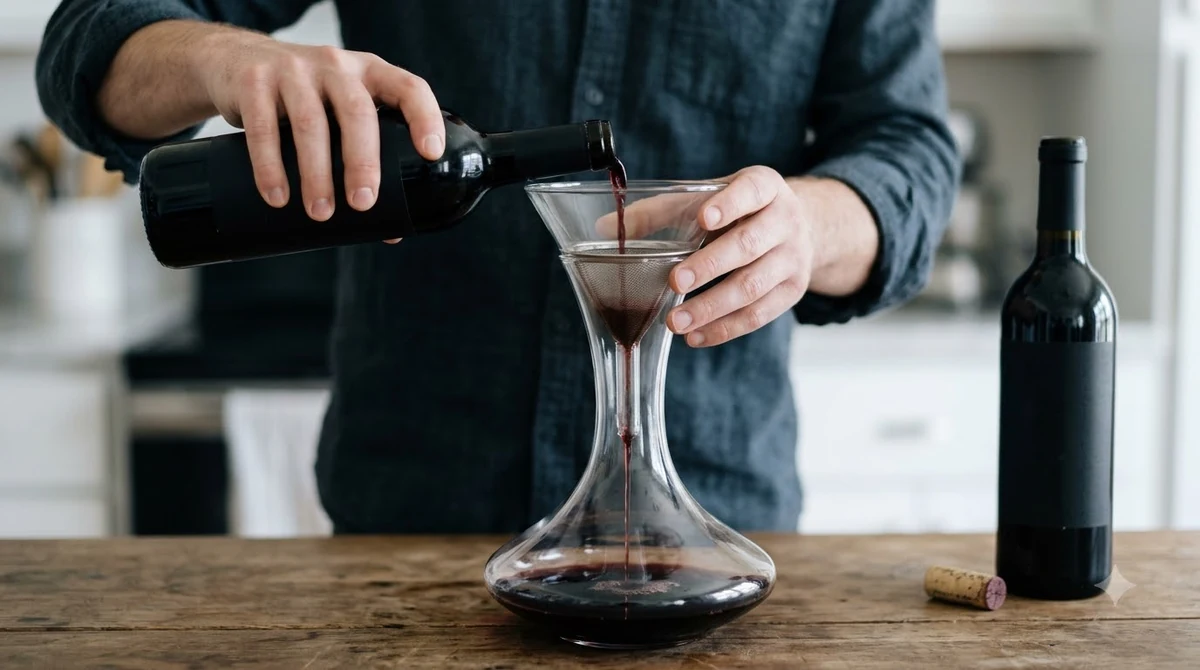
Tritan crystal is central to the brand’s appeal. Unlike traditional lead crystal, the material replaces lead with titanium and zirconium. The resulting glassware is designed to deliver clear presentation while offering resistance to common forms of wear, including chipping and scratching. This combination makes it particularly relevant for households that use their wine glasses regularly rather than reserving them for occasional formal dinners.
The Vervino Stemless Red Glass provides a useful example of the brand’s more wine-focused designs. According to Sur La Table’s product specifications, it holds 13.5 ounces and measures 3.6 inches in diameter by 3.5 inches high. Its relatively compact proportions distinguish it from larger universal tumblers. The manufacturer describes the bowl as thin-walled, with a wide foot that gives the glass a substantial visual presence.
The Forté Universal Tumbler takes a different approach. Liquor.com lists its capacity at 19.1 ounces and describes it as a versatile glass for different wine styles. Its larger volume gives drinkers room to swirl a moderate pour, while the narrowing opening helps direct aromas toward the nose. This is a practical design for households that prefer one general-purpose glass rather than maintaining separate sets for every grape variety.
| Collection or model | Capacity | Material | Dimensions or design details | Best use |
|---|---|---|---|---|
| Vervino Stemless Red | 13.5 oz | Tritan crystal | 3.6-inch diameter; 3.5-inch height | Red wine and compact everyday service |
| Forté Universal Tumbler | 19.1 oz | Tritan crystal | 3.75-inch by 5.25-inch listed dimensions | Versatile red and white wine service |
| Pure Stemless Red | 17 oz | Tritan crystal | 4.1-inch by 3.9-inch listed dimensions | Fuller-bodied red wines |
| Pure Stemless White | 18.5 oz | Tritan crystal | 3.6-inch by 5.2-inch listed dimensions | White wines and aromatic varieties |
| Tour Stemless Red | 17 oz | Tritan crystal | Approximately 8 oz glass weight | Shiraz, Pinot Noir, and Zinfandel |
These specifications illustrate why choosing by brand name alone is not enough. A 13.5-ounce Vervino and a 19.1-ounce Forté have different proportions and serve different preferences, even though both use Tritan crystal. The Pure red and white designs also provide more specialized options without requiring a traditional stemmed glass.
Dishwasher compatibility is another significant feature. The Vervino and Forté models are described as dishwasher-safe, making them convenient for households that regularly serve several guests. Nevertheless, dishwasher-safe does not mean immune to damage. Contact with other glasses, cookware, or hard dishwasher components can still cause scratches and breakage.
For a broader overview of glass shapes and sizes, compare these models with other wine glasses before deciding whether a universal tumbler or a more specialized bowl suits your collection.
What Owners Like
The strongest appeal of Schott Zwiesel stemless wine glasses is their combination of attractive presentation, everyday practicality, and relatively durable crystal construction. Independent product evaluations also highlight comfortable drinking proportions and versatility, although individual designs have different handling characteristics.
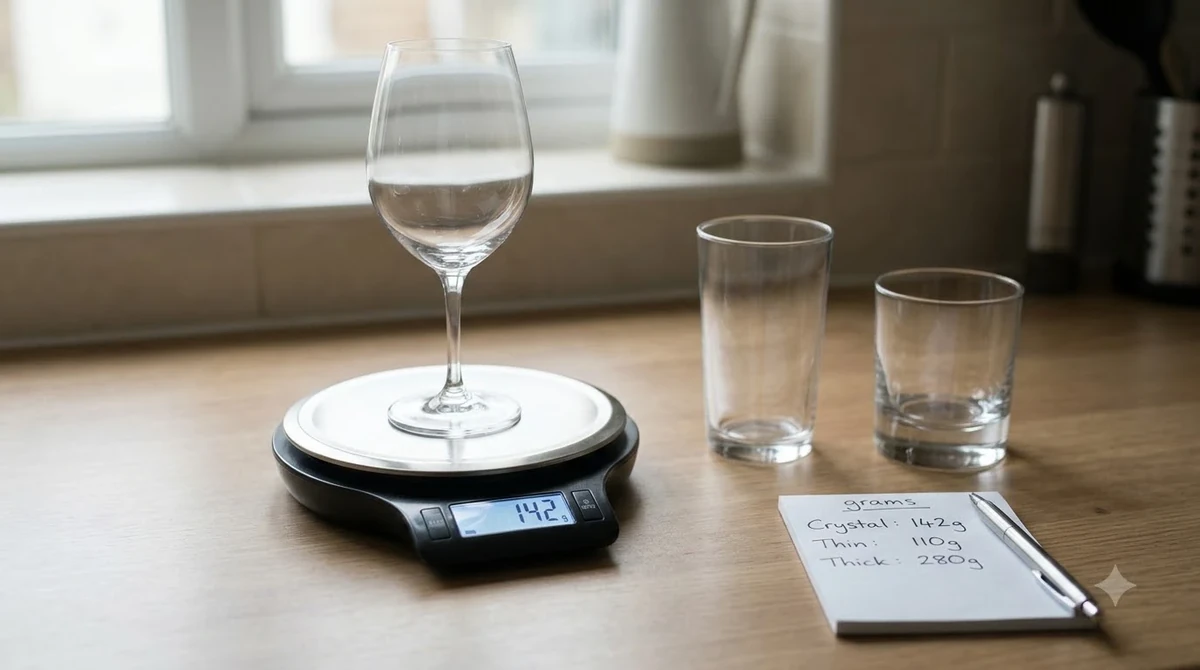
One recurring advantage is the material. Tritan crystal provides the clear appearance associated with crystal glassware without using lead as an ingredient in the traditional manner. For buyers who want transparent glass that presents the color of Cabernet Sauvignon, Pinot Noir, Sauvignon Blanc, or Chardonnay clearly, this is an appealing feature.
Durability is particularly relevant for busy kitchens. A stemless glass has no narrow stem connecting its bowl to a separate foot, eliminating one familiar weak point of conventional wine glass construction. This does not make the glass unbreakable, but it removes a component that can be vulnerable during washing, carrying, and storage.
Liquor.com highlights the Forté Universal Tumbler as a strong dishwasher-friendly option. Its evaluation describes the glass as comfortable to use, appropriately sized, and suitable for both indoor and outdoor settings. The publication also notes that the tapered opening helps convey aromas while keeping the overall design versatile. Its stemless wine glass comparison also considers alternatives such as Riedel O and Bormioli Rocco Bodega.
That versatility matters for people who do not want separate glassware for every beverage. A large universal tumbler can serve a glass of Merlot at dinner, a chilled Chardonnay on the patio, or a non-wine beverage during a casual gathering. The same flexibility can reduce the amount of glassware needed in a small kitchen.
Schott Zwiesel also offers more visually distinctive designs. The Pure collection, for example, has recognizable bowl proportions, while Vervino uses a relatively compact shape with a broad foot. Buyers can therefore choose a design that suits their table without giving up the basic advantages of Tritan crystal.
The Tour Stemless Red is another option for buyers who prefer a more substantial glass. Good Housekeeping identifies it as a 17-ounce model intended for Shiraz, Pinot Noir, and Zinfandel. Its rounded rim was appreciated by some testers, who found it comfortable for sipping. Its appearance also differs from the straightforward cylindrical look of many casual tumblers.
For households that enjoy several wine styles, this range is useful. A dedicated red-wine glass can accommodate fuller aromas, while a universal tumbler can handle mixed beverage service. Buyers who want a dedicated red-wine shape can also compare the selection with other red wine glasses before committing to one collection.
Finally, the simple stemless format makes the glasses convenient for informal entertaining. Guests can carry them between rooms, use them around a dining table, or place them on a patio without the same concern about a long stem catching on furniture or other objects.
Common Complaints
The most important compromise with stemless glassware is temperature control. Holding the bowl transfers warmth from the hand to the wine, and the lack of a stem means there is no natural place to grip the glass without touching the bowl.
This difference is particularly noticeable with chilled white wine and sparkling wine. Sauvignon Blanc and Riesling generally benefit from cool serving temperatures, while sparkling wine is typically served around 40 to 50 degrees Fahrenheit. A stemless glass can warm more quickly during extended conversation, especially when the room is warm.
Wine Enthusiast discusses this issue through the perspective of sommelier Winn Roberton, who points out that contact with the bowl can transfer both body heat and aromas from the hands toward the nose. That matters because aroma is an important part of how wine is experienced. A glass that has picked up cooking smells, perfume, or other strong odors can interfere with the wine’s natural bouquet.
There is also a question of weight. Liquor.com describes the 19.1-ounce Forté Universal Tumbler as slightly heavier than some competing stemless glasses. Good Housekeeping similarly reports that the Tour Stemless Red weighs approximately 8 ounces, with some testers finding its broad base less comfortable to hold.
These observations do not mean that every Schott Zwiesel model feels heavy. Rather, they show why capacity, overall shape, and physical weight should be considered separately. A large bowl may look elegant and provide swirling room, but a smaller hand may prefer a compact design with a narrower grip.
Another possible disadvantage is storage. Stemless glasses are often easier to fit into ordinary cupboards than tall stemmed glasses, but wide bowls can still occupy considerable shelf space. A set of several large universal tumblers may require more horizontal room than expected.
Buyers should also distinguish durability from resistance to every type of damage. Tritan crystal is designed to resist chips and scratches, but it can still break after a hard impact. Glasses touching one another inside a dishwasher or cupboard can develop surface damage over time.
Finally, stemless glasses are not ideal for every wine occasion. A carefully aged Bordeaux, a delicate Burgundy, or a particularly aromatic white may benefit from a more specialized stemmed glass. A dedicated glass shape can improve aroma presentation, while a stem helps keep the hand away from the bowl.
Who Should Buy and Who Should Skip
Schott Zwiesel stemless wine glasses make the most sense for people who prioritize practical glassware, modern presentation, and convenient cleaning. They are particularly suitable for everyday red wine drinking, informal entertaining, and households that want durable crystal without an elaborate stemware collection.
For casual red wine drinkers, the selection is especially appealing. Cabernet Sauvignon, Merlot, Zinfandel, and Syrah can all be served in appropriately shaped stemless glasses. The Pure Stemless Red and Tour Stemless Red are worth considering for people who prefer a more wine-specific design rather than a simple all-purpose tumbler.
Those who regularly alternate between red and white wine may prefer the Forté Universal Tumbler. Its 19.1-ounce capacity gives it plenty of room for moderate pours, and its versatility makes it useful beyond wine. The Vervino is a better option for someone who prefers a more compact red-wine glass with a distinctive appearance.
People who entertain frequently may also appreciate the lack of a stem. Glasses are easier to carry casually, and guests do not have to manage a narrow stem while standing or moving around. For an informal dinner with grilled food, pasta, or cheese, this format feels natural rather than overly formal.
However, traditional stemware remains preferable for people who regularly serve wine at carefully controlled temperatures. A person who enjoys slowly sipping chilled Riesling or a delicate Chardonnay may find the warmth transferred through a stemless bowl inconvenient.
Wine enthusiasts who frequently compare aromas and subtle differences between grape varieties may also prefer specialized stemmed glassware. Wine Enthusiast explains that bowl shape can influence the way aromas are presented, particularly when comparing Burgundy and Bordeaux. That distinction can matter more during focused tasting than during ordinary dinner service.
Buyers with limited hand strength or smaller hands should also consider the physical proportions of each glass. A 19.1-ounce tumbler may be less comfortable than a smaller model, particularly when filled. The Tour’s substantial weight and wide base may not suit everyone either.
Those who need stackable glassware should look elsewhere unless the specific product is expressly designed for stacking. Stemless does not automatically mean stackable, and forcing one glass into another can lead to scratching or breakage.
Tip: If temperature control is a priority, use a stemmed glass for chilled Sauvignon Blanc or sparkling wine and reserve your Schott Zwiesel stemless glasses for red wine, casual entertaining, and everyday service.
For buyers still comparing different stemless designs, the wider stemless wine glasses category provides useful alternatives in different shapes and capacities.
How It Compares to Alternatives
Schott Zwiesel’s main distinction is its emphasis on Tritan crystal and a wide selection of practical designs. Alternatives such as Riedel O Wine Tumblers and Bormioli Rocco Bodega glasses offer different priorities, so the right comparison depends on whether the buyer values crystal construction, bowl shape, compact storage, or general versatility.
The Forté Universal Tumbler is particularly easy to compare with the Riedel O Wine Tumbler. Both are designed around a stemless format, but their appeal is not identical. The Forté is recognized for its relatively large capacity and dishwasher-friendly construction, while the Riedel O range has a more wine-specific design identity.
Liquor.com places the Schott Zwiesel Forté among its dishwasher-friendly recommendations but selects the Riedel O Wine Tumbler as its overall winner. That distinction is useful because it shows that a durable everyday glass and a preferred overall tasting glass are not necessarily the same product.
Bormioli Rocco Bodega Mini offers a different alternative. Its compact format is attractive for casual entertaining and limited storage space. However, its smaller proportions are less suited to swirling wine or concentrating aromas than a larger bowl with a tapered opening.
The Schott Zwiesel Pure collection occupies a more specialized position. It includes distinct red and white wine designs, making it suitable for households that want separate glasses for different wine styles. The Pure red glass has a listed capacity of 17 ounces, while the Pure white glass holds 18.5 ounces.
These options can be understood through their intended use rather than treating one as universally superior.
| Glassware | Primary strength | Potential drawback | Suitable buyer |
|---|---|---|---|
| Schott Zwiesel Forté Universal | Large, versatile Tritan crystal design | Relatively substantial weight | Everyday mixed wine service |
| Schott Zwiesel Vervino Red | Compact red-wine proportions | Smaller capacity | Red wine drinkers |
| Schott Zwiesel Pure Red and White | More specialized wine shapes | Requires separate glass styles | Wine-focused households |
| Riedel O Wine Tumbler | Wine-specific stemless presentation | Different priorities from a general-purpose tumbler | Drinkers prioritizing wine presentation |
| Bormioli Rocco Bodega Mini | Compact, practical format | Less room for swirling and aromatic development | Casual entertaining and storage-conscious kitchens |
One important distinction is that glass shape can matter independently of material. A high-quality crystal formula does not automatically make every wine taste better. A larger bowl can provide additional room for swirling, while a narrower opening can help concentrate aromas. The appropriate balance depends on the wine.
For example, a Cabernet Sauvignon generally benefits from room for its fuller aromas, while a lighter Pinot Noir may suit a bowl that emphasizes delicate fragrance. A universal tumbler is convenient, but it cannot perfectly replicate every grape-specific glass design.
Wine Enthusiast makes a similar point when discussing specialist stemware. Different shapes can change how particular aromas are perceived, but wine drinkers do not need a separate glass for every grape. A versatile glass can remain perfectly suitable for ordinary enjoyment.
The final comparison therefore comes down to priorities. Schott Zwiesel is attractive for people who want crystal clarity and practical durability, while alternatives may be preferable when compact storage, specialized tasting shapes, or a different aesthetic matters more.
Cleaning, Handling, and Long-Term Care
Schott Zwiesel stemless wine glasses are designed for convenient cleaning, but proper loading and temperature control help preserve their clarity and usable life. Following the manufacturer’s care instructions is more useful than assuming that a durable glass can withstand careless handling.
The manufacturer’s official guidance recommends dishwasher temperatures between 50 and 55 degrees Celsius, approximately 122 to 131 degrees Fahrenheit. It also specifies a maximum temperature of 65 degrees Celsius, or 149 degrees Fahrenheit. Short wash programs are preferred over cycles lasting several hours. The complete Schott Zwiesel glass handling and care instructions also explain how to avoid scratches and temperature-related damage.
Spacing is just as important as temperature. Glasses should not touch each other or other hard objects during washing. Place them securely so that they cannot move into dishwasher arms, plates, or metal components during the cycle.
For Vervino glasses, Sur La Table specifically warns against forcing the bowl tightly over dishwasher rack prongs. The retailer also advises against twisting the bowl and stem while gripping either component tightly. Although this warning refers to stemmed-glass handling, the broader principle applies to careful treatment of delicate crystal: avoid unnecessary pressure and twisting.
Another useful practice is to open the dishwasher promptly after the wash cycle. The manufacturer recommends allowing steam to escape rather than leaving the glasses in a hot, humid machine for an extended period.
For handwashing, use mild detergent and a soft cloth or sponge. Avoid abrasive pads, scouring powders, and sharp cleaning tools. These materials can damage the surface even when the glass is designed to resist ordinary scratching.
Drying deserves attention too. Schott Zwiesel recommends lint-free towels, particularly pure linen or microfiber, for polishing. A clean towel is important because grease, food smells, and detergent residue can affect the appearance of the glass and interfere with wine aromas.
Storage should be equally careful. Keep stemless glasses upright with their openings facing upward rather than balancing them on their rims. Avoid stacking them unless the exact design is specifically approved for stacking. Leave enough space between glasses to prevent them from knocking against one another when a cupboard is opened.
Temperature changes are another concern. The manufacturer advises allowing Tritan crystal glasses to reach room temperature before filling them with cold drinks. Its guidance also excludes hot drinks and use in ovens, stoves, and microwaves. A crystal wine glass should not be treated like heat-resistant kitchen cookware.
For everyday service, a sensible routine is to rinse each glass after use, clean it with a suitable dishwasher cycle or mild handwashing, dry it carefully, and return it to a stable cupboard. These straightforward habits help maintain the clear appearance that makes crystal glassware attractive.
Buyers who follow these precautions can make better use of the material’s durability without confusing resistance to wear with complete immunity to damage.
Frequently Asked Questions
Does Tritan crystal contain lead?
Schott Zwiesel’s Tritan crystal is formulated without lead, using titanium and zirconium in place of lead in traditional crystal formulations. This is one of the material’s defining characteristics and distinguishes it from some older crystal glassware. The glass still provides the transparent appearance associated with fine crystal.
Can Schott Zwiesel stemless glasses be used for cocktails?
Yes. The Forté Universal Tumbler is suitable for more than wine and can also serve mixed drinks and other beverages. Its relatively large capacity makes it practical for cocktails that need room for ice, although a dedicated highball or rocks glass may be more appropriate for certain recipes.
Are Schott Zwiesel stemless glasses made by hand?
The Vervino glass described by Sur La Table is precision-crafted by machine while being designed to resemble handmade crystal. This manufacturing approach provides a consistent product shape. Buyers should distinguish the appearance of handmade glassware from the actual production method.
Can Schott Zwiesel Tritan crystal glasses hold hot beverages?
The manufacturer’s Tritan crystal care guidance says these drinking glasses are not suitable for hot drinks. It also excludes oven, stove, and microwave use. For this reason, they should remain dedicated to suitable cold or room-temperature beverages rather than being used as coffee or tea cups.
How much wine should be poured into a Schott Zwiesel stemless glass?
A standard wine serving is approximately 5 ounces, regardless of the glass’s total capacity. A 17-ounce or 19.1-ounce tumbler therefore does not need to be filled close to the rim. Leaving substantial space allows the drinker to swirl the wine and appreciate its aromas without spilling.
Schott Zwiesel stemless wine glasses are a practical option for buyers who want clear crystal, dishwasher convenience, and attractive everyday designs. The Forté is particularly versatile, while Vervino and Pure provide more specific options for different preferences. Choose the shape and capacity that suit the wines you drink most often, and give the glasses the careful handling that quality crystal deserves.
More in Wine Glasses
 Zwiesel Glas Champagne Flutes for Durable Everyday Sparkling WineUpdated Nov 20, 2026
 Vera Wang Crystal Wine Glasses: Design, Quality and Buying AdviceUpdated Nov 20, 2026
 West Elm White Wine Glasses: Compare Designs for Better Everyday Wine ServiceUpdated Nov 20, 2026
 Zalto Stemless Wine Glasses: Discover Their Distinctive DesignsUpdated Nov 20, 2026
 Viski Champagne Glasses That Match Your Style and Sparkling WineUpdated Nov 20, 2026
 Vista Alegre Decanter Review: Crystal Style and Wine ServiceUpdated Nov 20, 2026