
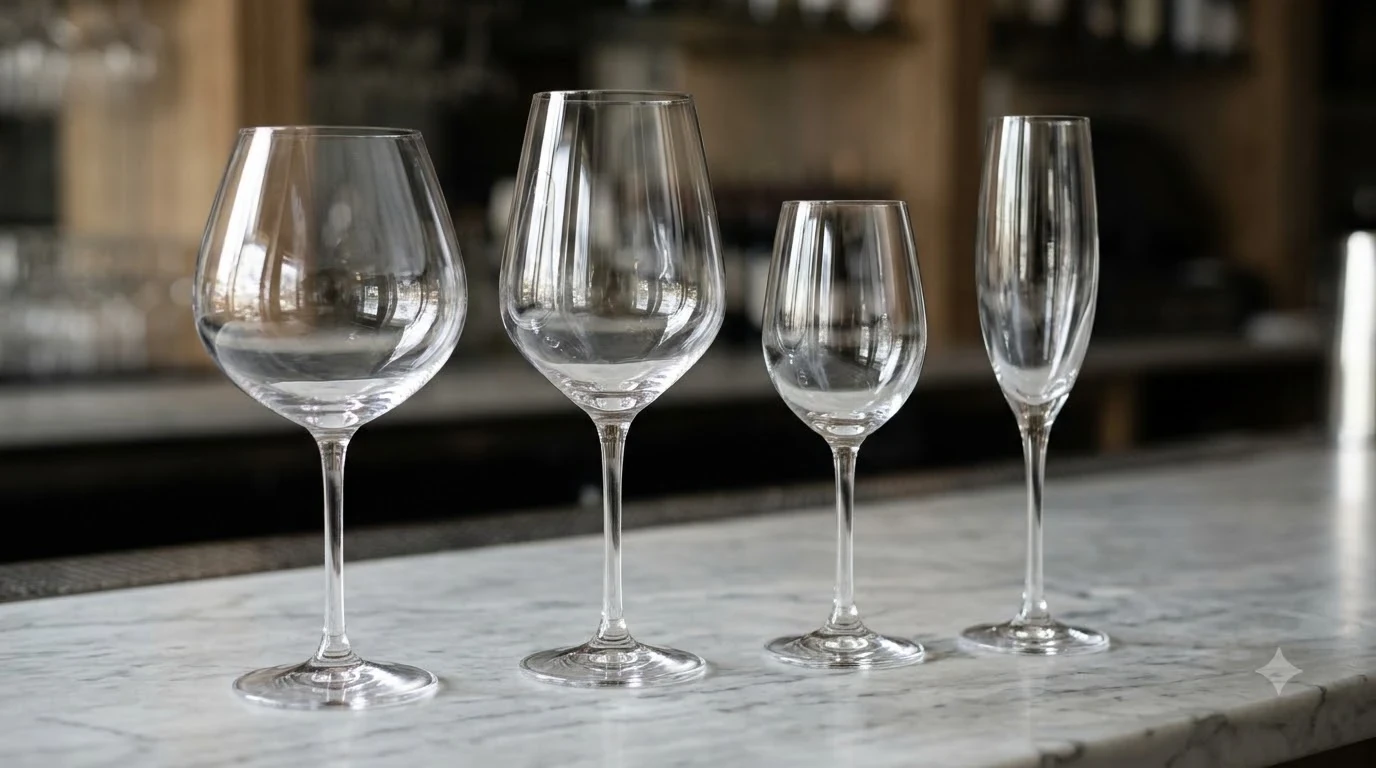

We may earn a commission when you buy through links on this page, at no extra cost to you. Learn more.
Schott Zwiesel crystal wine glasses deliver an unmatched blend of break resistance, dishwasher durability, and optical clarity for everyday wine drinkers and busy hosts. Built in Germany from patented lead-free Tritan crystal reinforced with titanium and zirconium oxides, these stems withstand thousands of wash cycles without clouding while still offering thin, laser-cut rims and varietal-friendly bowl shapes. Serious wine collectors who crave featherlight, mouth-blown glass may find the six-ounce heft slightly substantial, yet for reliable daily pouring across reds, whites, and sparkling wines, few stemware lines match their longevity.
Choosing stemware usually forces an awkward compromise between delicate crystal that lifts wine aromas and sturdy everyday glass that survives a dinner party cleanup. German manufacturer Zwiesel Glas engineered its commercial and retail lines specifically to eliminate that trade-off, supplying top restaurants, hotels, and wine competitions worldwide. For home drinkers browsing crystal wine glasses, understanding how Tritan crystal performs across different collections helps match the right bowl geometry and weight to nightly pours.
Specs and Key Features of Schott Zwiesel Crystal
Schott Zwiesel stemware relies on proprietary Tritan crystal glass, a lead-free and barium-free formula that substitutes titanium oxide and zirconium oxide to achieve high tensile strength and surface hardness. According to technical specifications published by Wineware, the glasses undergo thermal and chemical tempering at the rim, stem, and foot joints to resist chipping and snapping during daily handling and machine washing.
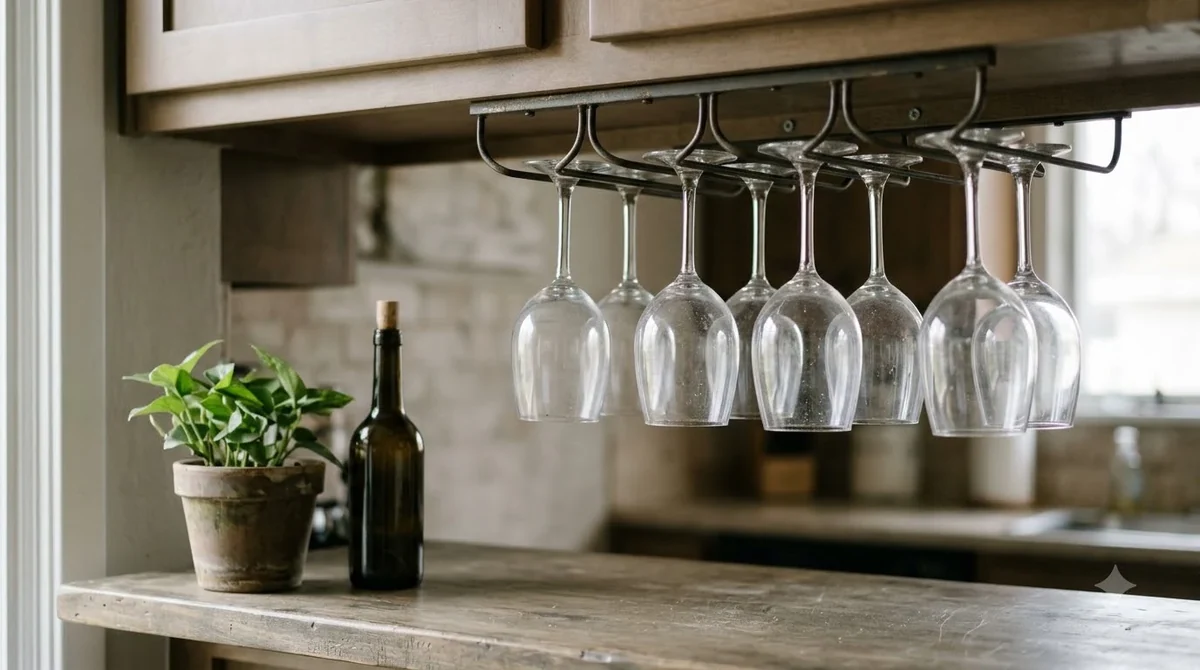
Traditional crystal relied on lead oxide to soften glass for cutting while boosting refractive brilliance, which left bowls vulnerable to scratching and chemical etching inside dishwashers. By replacing lead with titanium oxide, Schott Zwiesel creates tighter molecular bonds that allow the glass to flex slightly under impact rather than shattering immediately. Zirconium oxide simultaneously increases surface hardness, keeping the bowl free of micro-scratches and preserving the clear acoustic ring that the manufacturer calls the Zwiesel note.
Beyond raw chemistry, structural engineering targets the three most common failure points on a stemmed glass: the lip, the upper bowl-to-stem transition, and the lower stem-to-foot joint. The Tritan Protect process chemically tempers the entire length of the stem, doubling its break strength compared to untreated crystal. Laser-cut rims eliminate the rolled bead found on inexpensive barware, allowing red and white wines to flow smoothly onto the palate without distraction.
| Collection / Model | Capacity | Height | Bowl Profile | Primary Strength |
|---|---|---|---|---|
| Pure Cabernet | 18.0 oz | 13.5 in | Angular, wide base, tapered mouth | Modern aesthetic and red wine aeration |
| Forte Bordeaux (8465/130) | 21.1 oz | 8.75 in | Classic tulip with tall chimney | Hospitality durability and full-bodied reds |
| Level All-Purpose Square | 18.0 oz | Standard stem | Gently angled square-base bowl | Everyday universal value and bubble retention |
| Forte Universal Tumbler | 19.1 oz | 5.0 in | Stemless tapered bowl | Casual handling and multi-beverage versatility |
| Vervino Line | Varietal-specific | Tall, slender | Ultra-thin walls, fine pulled stem | Near-handmade feel with machine durability |
Environmental manufacturing standards also distinguish the German production facility. Following a major furnace conversion to oxy-fuel systems in 2012, gas consumption and emissions dropped by roughly 30 percent, earning the Tritan production line ISO 9001, ISO 14001, ISO 14040, and ISO 14044 certifications. For households prioritizing lead free crystal wine glasses, the complete absence of heavy metals ensures both long-term clarity and food-safe serving across decades of use.
What Owners and Sommeliers Like
Wine professionals and home owners consistently praise Schott Zwiesel stemware for surviving real-world kitchen accidents and commercial dishwashers that quickly ruin delicate glassware. Across hospitality reviews and independent culinary testing, three practical advantages stand out most clearly: extreme dishwasher longevity, functional bowl geometry across grape varieties, and accessible replacement pricing.
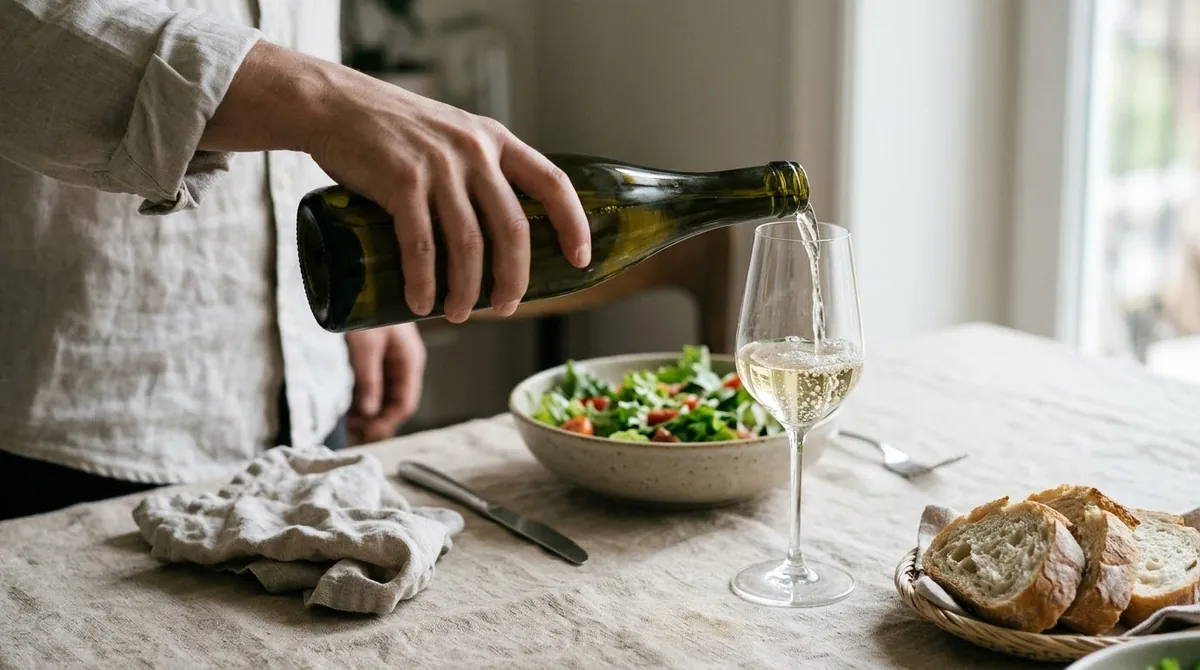
Dishwasher resilience ranks as the single most celebrated trait among daily drinkers. In-house and independent laboratory testing cited by Wineware demonstrates that Tritan crystal resists cloudiness, corrosion, and loss of brilliance for up to 3,000 domestic wash cycles, while commercial hospitality benchmarks confirm over 2,000 industrial cycles. Culinary editors at Serious Eats noted that running sturdy crystal through a dishwasher often prevents the twisting torque that snaps stems during hand drying.
Aromatic performance across distinct wine styles also earns strong marks from sommeliers. When Serious Eats evaluated universal and red wine glasses, the 18-ounce Schott Zwiesel Tritan Pure Cabernet won top honors as the best red wine glass because its broad base provides generous surface area for swirling and oxygen exposure. Meanwhile, Bon Appetit highlighted the Schott Zwiesel Level 18-ounce All-Purpose Square glass as a standout everyday universal stem, praising how its gently angled bowl concentrates aromatics for crisp Sauvignon Blanc while remaining narrow enough to preserve sparkling wine carbonation.
Tip: When loading Schott Zwiesel glasses into a dishwasher, space each bowl so it cannot knock against neighboring plates or mugs during the spray cycle, and keep water temperatures at or below 150°F to protect the crystal surface over thousands of washes.
Sparkling wine enthusiasts also benefit from small engineering details built into dedicated Champagne and sparkling flutes. According to Zwiesel Glas, many of its sparkling wine bowls feature a laser-etched mousse point at the bottom center of the cup. This microscopic nucleation site encourages dissolved carbon dioxide to gather and rise in a continuous, fine stream of bubbles rather than dissipating rapidly across a smooth glass floor.
Common Complaints and Limitations
Despite its reputation for near-indestructible performance, Schott Zwiesel crystal draws recurring critiques regarding overall glass weight, rim thickness compared to mouth-blown luxury stems, and specific bowl proportions. Understanding these trade-offs prevents disappointment for buyers expecting featherweight tasting glassware.
Noticeable Heft Compared to Hand-Blown Crystal
Machine-molded Tritan crystal carries more mass than hand-blown alternatives. In Serious Eats testing, the Pure Cabernet glass weighed over six ounces empty, noticeably heavier than a 3.5-ounce hand-blown universal glass. While that extra weight gives the foot solid stability on outdoor patio tables or crowded dining settings, collectors accustomed to paper-thin Austrian or German mouth-blown crystal often comment that Schott Zwiesel feels more utilitarian in the hand.
Rim Thickness and Bowl Tapering
Although laser-cut rims eliminate bulky rolled edges, reviewers at Bon Appetit observed that the lip on everyday lines like the Level series is slightly thicker than boutique hand-blown stemware. Additionally, Serious Eats pointed out that the dramatic inward taper on the Pure Cabernet mouth channels aromas effectively for medium-bodied reds like Merlot or Sangiovese, yet can feel slightly restrictive for massive, high-tannin Barolo or Napa Cabernet Sauvignon pours that benefit from a wider opening.
Breakage Under Twisting Torque
Break-resistant does not mean unbreakable. On enthusiast forums such as Wine Berserkers, longtime owners report that while Tritan stems routinely survive accidental knocks against granite countertops, they can still snap if someone grips the foot firmly in one hand while twisting a towel inside the bowl. Proper polishing technique—supporting the bowl directly with one hand while wiping the interior—eliminates nearly all twisting stress on the stem.
Who Should Buy and Who Should Skip
Schott Zwiesel crystal wine glasses fit households that drink wine several nights a week and want restaurant-grade stemware without fragile handling rules. However, buyers with specific aesthetic preferences or specialized tasting habits should weigh whether this line matches their routine.
Who Should Buy Schott Zwiesel
- Frequent Hosts and Entertainers: Anyone serving five-ounce pours to large groups benefits from stemware that resists tipping knocks and goes straight into the dishwasher after guests leave.
- Everyday Wine Drinkers: Households opening weeknight bottles of Pinot Noir, Chardonnay, or Prosecco get crisp optical clarity and true varietal shapes without worrying about costly replacements.
- Rinse Bowls Promptly After Red Wine Service: Warm water rinses prevent dried anthocyanin pigments and tannins from clinging to the inside of wide Cabernet or Syrah bowls overnight.
- Use Mild Detergent Without Harsh Rinse Aids: Choose phosphate-free dishwasher detergent in modest doses and avoid aggressive acidic rinse agents that can dull crystal brilliance over thousands of cycles.
- Load Stems Securely in the Upper Rack: Angle tall stems slightly if vertical clearance is tight, ensuring the rim rests gently against coated tines rather than bearing the full weight of the glass.
- Hold the Bowl When Hand-Polishing: If wiping away water spots with a microfiber cloth, cradle the bowl in one palm and polish gently rather than gripping the foot and twisting the stem.
- Store Upright on Flat Shelves: Keep glasses standing upright on solid shelving rather than hanging by the foot in tight wire racks where rims can knock together when pulling out neighboring stems.
Popular Schott Zwiesel Collections Compared
With over 160 machine-made Tritan crystal products cataloged by Wineware, selecting the right Schott Zwiesel line comes down to matching bowl silhouette and wall thickness to the wines poured most often. Four core series account for the vast majority of home and restaurant purchases: Pure, Forte, Vervino, and Level.
Pure: Angular Modernism for Aromatic Reds and Whites
Introduced as a contemporary architectural line, the Pure collection features sharp, faceted bowl angles that create a wide surface area at the bottom before tapering steeply toward the rim. According to Universal Wine Glasses, steakhouse sommeliers favor Pure stems because the broad lower shelf maximizes oxygen contact during swirling while also acting as a clear visual pour guide. The dramatic angles suit bold Cabernet Sauvignon, Syrah, and oaked Chardonnay, though the taller silhouettes require careful spacing in top dishwasher racks.
Forte: Classic Hospitality Workhorse
Designed around timeless tulip proportions, the Forte line serves as the standard banquet and hotel glass across international hospitality programs. Models like the 21.1-ounce Forte Bordeaux (8465/130) listed by K&L Wine Merchants pair a moderate 8.75-inch height with reinforced stem thickness, making them easier to fit inside standard kitchen cabinets and residential dishwasher racks than taller designer stems. For households that also want stemless versatility, the 19.1-ounce Forte Universal Tumbler stands five inches tall and handles casual red, white, or sparkling pours without stem breakage risk.
Vervino: Thin-Walled Precision for Varietal Tasting
Positioned at the upper tier of Schott Zwiesel’s machine-made catalog, the Vervino collection earned both iF Design and Red Dot Design awards for achieving near-handmade proportions on automated production lines. Universal Wine Glasses notes that Vervino bowls feature noticeably thinner walls, finer pulled stems, and flatter feet than Forte or Pure, delivering a lighter balance in the hand while retaining Tritan Protect stem tempering. Serious wine drinkers who want dedicated shapes for Pinot Noir, Riesling, or Champagne without fragile mouth-blown maintenance usually gravitate toward Vervino.
Level: Accessible Everyday Universal Stemware
Featured by Bon Appetit as a top everyday universal option, the Level 18-ounce All-Purpose Square glass bridges the gap between angular modern bowls and compact daily stems. Its gently angled lower bowl opens up crisp white wines like Sauvignon Blanc while keeping the upper chimney narrow enough to preserve lively carbonation in Brut Prosecco or Cava. For shoppers comparing broader wine glasses across multiple styles, Level offers an approachable single-glass solution that transitions smoothly from weeknight dinners to weekend brunches.
How Schott Zwiesel Compares to Alternatives
Within the wider market of Glassware Brands, Schott Zwiesel occupies a distinct middle ground between ultra-light mouth-blown boutique makers and mass-market soda-lime barware. Comparing Tritan crystal against competing tiers clarifies where its durability pays off and where specialized competitors hold an edge.
Schott Zwiesel vs. Hand-Blown Luxury Crystal (Zalto, Gabriel-Glas Gold, Zwiesel 1872)
Mouth-blown crystal stems from Austrian makers like Zalto or Zwiesel Glas’s own handcrafted 1872 division feature paper-thin rims and ultra-light bowls that feel almost weightless on the lip. However, Universal Wine Glasses notes that hand-blown stems carry a far higher risk of accidental breakage during washing and drying, creating a steep annual replacement cost for frequent drinkers. Schott Zwiesel’s machine-made Tritan lines sacrifice a fraction of that featherweight finesse in exchange for thousands of dishwasher cycles—tested up to 3,000 cycles by Zwiesel Glas—and consistent dimensional uniformity across replacement stems.
Schott Zwiesel vs. Riedel Machine-Made Crystal
Austrian competitor Riedel pioneered varietal-specific bowl engineering and offers popular machine-made lines such as Vinum and Veritas that compete directly with Schott Zwiesel Pure and Vervino. While Riedel’s Veritas series offers slightly thinner rims and lighter overall weight on select Burgundy and Bordeaux shapes, owner feedback and hospitality benchmarks consistently give Schott Zwiesel the advantage in impact resistance and stem strength. Buyers who prioritize grape-specific nuances for delicate Pinot Noir often lean toward Riedel, whereas hosts who prioritize surviving crowded dinner parties and frequent dishwasher loads favor Tritan crystal.
Schott Zwiesel vs. Hybrid Construction (Zwiesel Duo)
For drinkers torn between handmade balance and machine-made durability, Zwiesel Glas also produces hybrid collections such as Duo, which pair a precision machine-made Tritan bowl with a slender handcrafted stem. This hybrid approach trims weight from the stem and foot while preserving the scratch-resistant, dishwasher-safe bowl geometry that defines the brand’s core reputation.
Care, Washing, and Storage Tips
Proper handling ensures Schott Zwiesel crystal wine glasses maintain their optical sparkle and structural strength across years of regular serving. Even though Tritan glass resists mineral clouding and mechanical impact far better than traditional lead crystal, following simple care routines prevents avoidable stress fractures.
Frequently Asked Questions
Are Schott Zwiesel crystal wine glasses completely lead-free?
Yes, all Schott Zwiesel Tritan crystal wine glasses are 100 percent free of lead and barium. Instead of lead oxide, the German formula uses titanium oxide and zirconium oxide to achieve refractive brilliance, surface hardness, and food-safe serving even when fortified wines or spirits remain in a decanter or glass for extended periods.
What is the difference between Schott Zwiesel and Zwiesel 1872?
Schott Zwiesel is the brand’s machine-made Tritan crystal division engineered for everyday durability, hospitality service, and dishwasher convenience. Zwiesel 1872 is the sister luxury division dedicated to mouth-blown, handmade crystal stemware and decanters crafted by master glassblowers for ultra-light weight and sommelier-level tasting.
How many glasses of wine does a standard bottle fill in Schott Zwiesel stems?
A standard 750-milliliter wine bottle holds about 25.4 ounces, yielding roughly five standard five-ounce pours. In generous 18-ounce to 21-ounce Schott Zwiesel bowls such as the Pure Cabernet or Forte Bordeaux, a five-ounce pour sits near the widest point of the bowl, leaving ample headspace above the wine to trap aromas during swirling.
Do Schott Zwiesel glasses make a ringing sound like traditional crystal?
Yes, Tritan crystal produces a clear, sustained acoustic chime when tapped or toasted, a characteristic the manufacturer calls the Zwiesel note. Because titanium and zirconium create high glass density and elasticity without lead, the bowl resonates cleanly while resisting the rim chips that often occur during celebratory toasts.
Which Schott Zwiesel glass shape works best if you only want one set?
A mid-sized universal tulip or gently angled bowl between 18 and 19 ounces, such as the Schott Zwiesel Level All-Purpose glass or Forte Universal, handles crisp white wines, sparkling wines, and medium-bodied reds cleanly. Choosing a universal 18-ounce profile eliminates cabinet clutter while delivering clean aromatics across everyday bottles.
Schott Zwiesel crystal wine glasses earn their place in both commercial dining rooms and home kitchens by solving the biggest frustration of fine stemware: fragile maintenance. Pairing titanium-reinforced Tritan durability with varietal-smart bowl shapes lets wine lovers focus on what is inside the glass rather than worrying about every knock at the sink or dinner table.
More in Wine Glasses
 Zwiesel Glas Champagne Flutes for Durable Everyday Sparkling WineUpdated Nov 20, 2026
 Vera Wang Crystal Wine Glasses: Design, Quality and Buying AdviceUpdated Nov 20, 2026
 West Elm White Wine Glasses: Compare Designs for Better Everyday Wine ServiceUpdated Nov 20, 2026
 Zalto Stemless Wine Glasses: Discover Their Distinctive DesignsUpdated Nov 20, 2026
 Viski Champagne Glasses That Match Your Style and Sparkling WineUpdated Nov 20, 2026
 Vista Alegre Decanter Review: Crystal Style and Wine ServiceUpdated Nov 20, 2026