

We may earn a commission when you buy through links on this page, at no extra cost to you. Learn more.
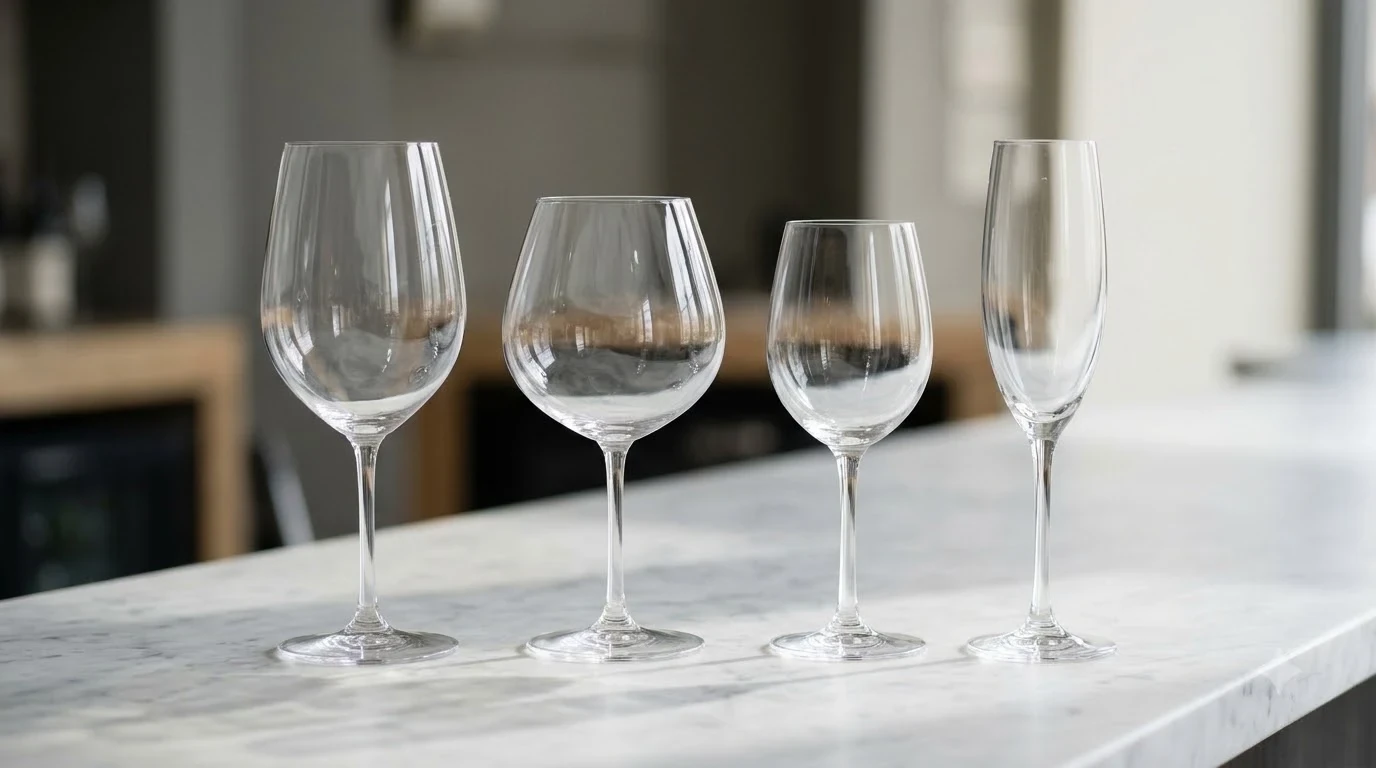
Schott Zwiesel Champagne glasses are a strong choice for sparkling wine drinkers who want elegant, lead-free crystal glassware with better resistance to everyday wear. Their Tritan crystal construction, dishwasher-safe designs and distinctive shapes make them suitable for both celebrations and regular entertaining. The Pure collection is particularly appealing for traditional flute enthusiasts, while the Tulip collection offers a slightly roomier alternative for enjoying Champagne, Cava and other sparkling wines. Their main limitation is that different collections have different capacities and proportions, so choosing the right shape matters as much as choosing the brand.
Champagne glassware needs to balance appearance, aroma, carbonation and practicality. A narrow flute creates an elegant presentation and keeps bubbles visible, while a wider tulip shape provides more room for aromas to develop. Schott Zwiesel addresses these preferences through several glass designs, using its Tritan crystal technology to combine clarity with everyday durability. This review examines the Pure and Tulip options, their construction, their practical advantages and the situations in which another glass shape might make more sense.
Specs and Key Features
Schott Zwiesel Champagne glasses stand out primarily for their Tritan crystal construction and variety of sparkling wine shapes. The Pure flute emphasizes a traditional tall silhouette, while the Tulip glass provides a more generous bowl for drinkers who want additional aromatic space.
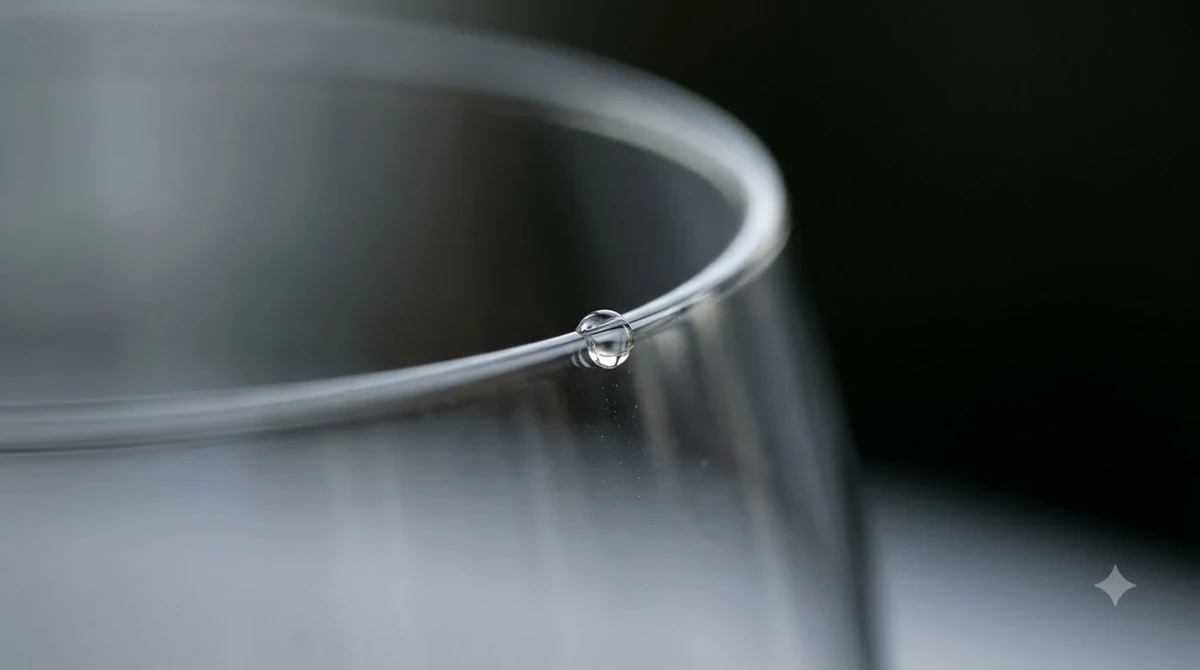
One important distinction is that Schott Zwiesel sells several collections under the same brand. Pure and Tulip are not identical glasses with different names. Their dimensions, capacities and designs differ, which affects how they look on a table and how they present sparkling wine.
| Feature | Pure Champagne Flute | Tulip Champagne Glass |
|---|---|---|
| Material | Tritan crystal | Tritan crystal |
| Capacity | 7.1 oz | 283 ml / approximately 9.6 oz |
| Height | 10 inches | 9.1 inches |
| Diameter | 2.75 inches | 2.76 inches |
| Construction | Lead-free crystal | Machine-blown crystal |
| Bubble feature | Six etched effervescence points | Not specified on the product page |
| Cleaning | Dishwasher-safe | Dishwasher-safe |
| Design | Tall, narrow flute | Roomier tulip shape |
| Primary use | Champagne and sparkling wine | Champagne, Cava, Crémant and sparkling wine |
The specifications above come from the manufacturer’s Tulip listing and retailer descriptions of the Pure flute. The Tulip dimensions are converted from the manufacturer’s metric measurements, with minor rounding. Individual versions and regional product listings can differ, so it is important to compare the exact collection name before ordering.
Tritan crystal construction
The defining feature of Schott Zwiesel glassware is Tritan crystal. According to Sur La Table’s product description, the technology replaces lead found in traditional crystal with titanium and zirconium. The resulting material is designed to provide the brilliance and light reflection associated with crystal while improving resistance to everyday wear.
This construction is particularly useful for Champagne glasses because their long stems and relatively narrow bowls can make traditional delicate glassware inconvenient for frequent entertaining. A glass that resists ordinary chipping and scratching provides more flexibility for regular use. However, durable crystal is not unbreakable. A glass can still crack if it strikes a hard surface or experiences excessive pressure.
The Pure flute’s effervescence points
The Pure Champagne Flute has six etched points inside the bowl. These small surface features encourage bubbles to form at specific locations, creating a visible stream of rising carbonation.
This is an attractive detail for sparkling wine presentation. It gives the glass a distinctive visual effect even after the initial bubbles at the surface have disappeared. The flute’s narrow opening also helps focus aromas and reduces the exposed wine surface compared with a broad coupe.
For a closer look at the manufacturer’s product specifications, see the official Schott Zwiesel Tulip Champagne Glass listing.
What Owners and Buyers May Like
The strongest reasons to consider Schott Zwiesel Champagne glasses are their practical crystal construction, attractive presentation and relatively convenient maintenance. Their different collections also make it possible to select a shape that suits a particular style of entertaining.
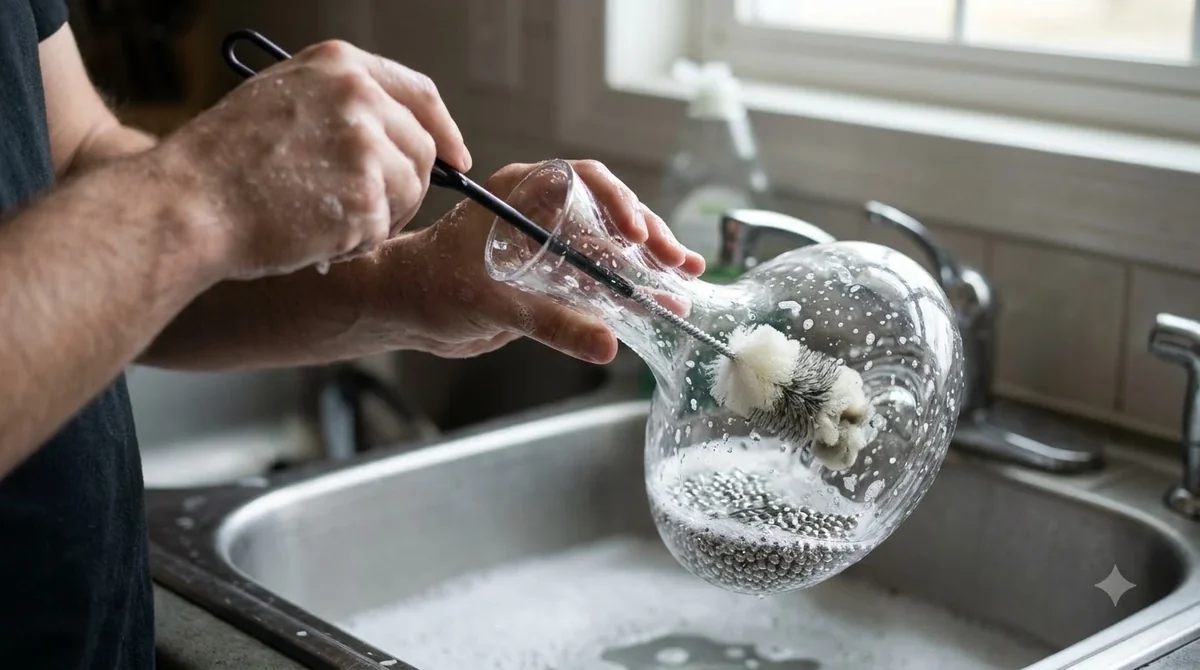
One appealing feature is the balance between appearance and functionality. The Pure flute looks formal enough for weddings, anniversaries and holiday dinners, but its dishwasher-safe construction makes it less demanding than glassware that requires exclusively hand washing.
Durability for regular entertaining
Schott Zwiesel’s Tritan crystal is designed to resist chipping, scratching and breakage better than many conventional delicate glassware options. Sur La Table describes reinforced areas around three vulnerable points: the rim, the connection between the bowl and stem, and the connection between the stem and foot.
Those areas matter because stemware often fails at its narrowest connections. A Champagne glass may have a relatively sturdy bowl but remain vulnerable where the stem joins the base. Reinforcement in these locations is a practical design consideration, particularly for households that regularly serve several guests.
Sur La Table also reports independent testing involving 1,000 dishwasher cycles, with resistance to discoloration, spotting, staining, scratching and breakage. This provides useful information about the intended durability of the material. It should not be interpreted as a guarantee that every glass will survive unlimited washing or careless handling.
Attractive clarity and presentation
Clear crystal is especially useful for sparkling wine because it makes the wine’s color and carbonation visible. A pale Champagne, golden vintage sparkling wine or pink rosé sparkling wine can all look appealing in transparent stemware.
The Pure flute’s elongated shape creates a formal presentation. It works particularly well for a coordinated table setting where every guest receives the same glass. Its six etched points add visual interest without requiring colored glass, elaborate decoration or an unusually complicated silhouette.
The Tulip collection has a different appeal. Its wider bowl offers more room around the wine, which can help drinkers notice aromas beyond the immediate impression of carbonation. This can be useful for more aromatic sparkling wines and bottle-fermented styles that benefit from some additional breathing room.
Convenience across different occasions
Dishwasher compatibility is an important advantage for anyone who entertains frequently. Six or more glasses can accumulate quickly after a dinner party, and a dishwasher-safe design reduces the amount of individual hand washing required.
The glasses also fit different occasions. A traditional flute works for a New Year’s Eve toast, a wedding reception or a formal anniversary dinner. A Tulip glass can be more versatile for a smaller dinner where guests are expected to spend more time examining the aromas and flavors of the wine.
Buyers interested in building a coordinated collection can also explore the broader selection of Glassware Brands rather than purchasing Champagne glasses in isolation. Matching stemware can make a dining table look more organized and give guests consistent serving experiences.
Common Complaints and Limitations
Schott Zwiesel’s durability claims do not eliminate the practical disadvantages of delicate stemware. The tall Pure flute requires appropriate storage, careful loading into the dishwasher and enough cabinet space to avoid accidental contact with other glasses.
Another consideration is that a traditional flute is not ideal for every sparkling wine. Its narrow opening makes it harder to explore the full aromatic character of complex Champagne compared with a tulip-shaped glass or a dedicated sparkling wine glass with a wider bowl.
Stem breakage remains possible
Even reinforced crystal can break. The long stem of the Pure flute provides a comfortable way to hold the glass without warming the wine with your hand, but it creates another narrow point that can be subjected to twisting or sideways pressure.
When removing a glass from a dishwasher, avoid pulling it out by the rim or twisting the stem against a tightly packed neighboring glass. The same principle applies when drying stemware by hand. Holding the bowl and base separately while applying opposing twisting pressure can put unnecessary stress on the connection.
People who regularly host large gatherings may prefer a shorter-stemmed or more compact glass for practical reasons. Schott Zwiesel’s Tulip collection may suit this preference better than its taller traditional flute, although it still requires careful handling.
The flute shape is not universally ideal
The Pure flute prioritizes a narrow opening and visible streams of bubbles. That design works well for straightforward sparkling wine service, but it does not provide the same aromatic space as a broader glass.
For example, a complex Champagne made with substantial bottle aging can show notes of toasted bread, nuts, citrus and pastry. A narrow flute can make those aromas less accessible than a roomier tulip glass. The wine may still taste enjoyable, but the drinking experience can feel more focused on freshness and carbonation than on aromatic detail.
A coupe creates the opposite compromise. Its wide bowl gives wine plenty of exposed surface, but carbonation generally dissipates more quickly. The flute is therefore a sensible everyday sparkling wine choice, but it is not necessarily the best shape for every bottle.
Different collections can cause buying confusion
Schott Zwiesel offers several glass collections, and the brand name alone does not tell buyers everything about the glass they are purchasing. Pure, Tulip and other collections can have noticeably different dimensions and capacities.
The difference between a 7.1-ounce Pure flute and a roughly 9.6-ounce Tulip glass is substantial enough to affect pouring habits. The larger Tulip has additional room for wine and aromatic development, while the smaller Pure encourages a more restrained serving presentation.
Retailer listings may also describe a product as a Champagne flute, sparkling wine glass or Champagne glass. Those labels can overlap, so compare the actual measurements and product photographs rather than relying on the category heading alone.
Who Should Buy and Who Should Skip
Schott Zwiesel Champagne glasses are particularly suitable for buyers who want attractive crystal stemware that can handle regular entertaining. They make sense for households that serve sparkling wine frequently and value dishwasher compatibility alongside appearance.
They are less compelling for people who prioritize inexpensive, easily replaceable glassware or prefer a very wide bowl for examining complex Champagne. The best decision depends on the kind of sparkling wine served and how the glasses will be used.
Who should buy the Pure Champagne Flute
The Pure flute is a good fit for people who prefer a traditional Champagne presentation. Its 7.1-ounce capacity and 10-inch height create a recognizable formal silhouette, while its six etched effervescence points provide a distinctive bubble display.
It is especially appropriate for:
- Households that regularly serve Champagne, Prosecco and other sparkling wines.
- People who prefer tall, narrow flutes for formal celebrations.
- Hosts who want matching crystal glasses for a coordinated table setting.
- Buyers who value lead-free crystal and dishwasher-safe construction.
- People building a coordinated Pure glassware collection.
The flute is also useful for serving smaller portions. A standard wine pour is approximately 5 ounces, which leaves some headspace in a 7.1-ounce glass. That space helps reduce spills and allows guests to enjoy the wine without filling the bowl to its rim.
Who should consider the Tulip collection
The Tulip Champagne Glass is better suited to people who want a roomier sparkling wine glass. Its 283 ml capacity provides more space than the Pure flute, and its shape offers a useful compromise between a narrow flute and a broad traditional wine glass.
Consider this collection if you frequently serve:
- Vintage Champagne with developed aromas.
- Traditional-method sparkling wines such as Cava.
- Crémant from French wine regions outside Champagne.
- Premium sparkling wines that benefit from additional aromatic space.
The manufacturer specifically lists Champagne, Cava, sparkling wine and Crémant as suitable beverages for the Tulip glass. Its slightly roomier proportions make it a sensible option for people who want one dedicated sparkling wine glass for several styles.
Who should skip these glasses
Buyers who need highly inexpensive glassware for large outdoor parties may find more practical alternatives in basic glass or durable drinkware. Even a comparatively resistant crystal glass requires more care than a thick everyday tumbler.
People who primarily drink still wine may also get more value from a broader glassware collection. A dedicated white wine glass is more versatile for Sauvignon Blanc and Chardonnay, while a larger red wine glass gives Cabernet Sauvignon and Pinot Noir more appropriate serving space.
For buyers still comparing shapes, our guides to Champagne flutes and wine glasses explain how different designs suit different wine styles and occasions.
How It Compares to Alternatives
Schott Zwiesel’s Pure and Tulip glasses occupy different positions within the sparkling wine glass category. The Pure is more traditional and visually formal, while the Tulip offers a little more room for aromas and a more flexible presentation.
The distinction becomes easier to understand by comparing their intended functions rather than treating one collection as universally superior.
Pure versus Tulip
The Pure flute is the better option for buyers who value a tall silhouette and the visual effect of a continuous stream of bubbles. Its narrow opening and six etched effervescence points give it a recognizable sparkling wine presentation.
The Tulip is more appealing for drinkers who want a larger bowl. Its 283 ml capacity is approximately 33% greater than the Pure flute’s 7.1-ounce capacity, using standard US fluid-ounce conversion. This gives the drinker additional room, although the larger volume does not mean the glass should be filled completely.
Both designs use Tritan crystal and are listed as dishwasher-safe. The most important distinction is therefore their shape and capacity, not a fundamental difference in the brand’s material approach.
Stemmed versus stemless Pure glasses
Schott Zwiesel also offers stemless Champagne glassware in the Pure collection. Williams Sonoma describes its stemless glasses as having a narrow bowl and a design intended to showcase sparkling wine aromas and bubbles.
Stemless glassware has a practical advantage: there is no long stem to knock against a neighboring glass or break during handling. It can also be easier to store in cabinets with limited vertical clearance.
However, stemless glasses are held around the bowl. This transfers more warmth from the hand to the wine than holding a traditional stemmed flute. For sparkling wine served cold, a stemmed glass is generally preferable if maintaining temperature is important.
Flutes versus broader wine glasses
A flute is not always the ideal glass for serious sparkling wine tasting. Some Champagne enthusiasts prefer a tulip-shaped glass because the wider bowl gives complex aromas more space to develop.
That preference makes sense for bottle-fermented wines, including Champagne and traditional-method Cava. Their secondary fermentation takes place in the bottle, and their aromas can become more complex with aging.
A broader wine glass may be useful for evaluating those characteristics, although an excessively wide bowl can make the wine lose its lively carbonation more quickly. The Tulip collection offers a practical middle ground.
For households that also serve still reds, a separate set of red wine glasses is a more appropriate investment than expecting Champagne flutes to handle every wine style.
Care, Cleaning and Storage
Schott Zwiesel Champagne glasses are designed to be dishwasher-safe, but good handling habits still matter. Careful loading, suitable storage and attention to temperature changes help preserve their clarity and reduce the risk of accidental damage.
Dishwasher cleaning
Although Tritan crystal is designed for dishwasher use, the way glasses are arranged matters. Leave adequate space between each glass so that the bowls, rims and stems cannot knock against one another during the washing cycle.
Place each glass securely in the dishwasher rack and avoid forcing a tall flute into a compartment that is too short. The Pure flute measures 10 inches high, so some compact dishwashers may not accommodate it comfortably in every rack position.
Use an appropriate dishwasher detergent and avoid overcrowding the rack. A dishwasher-safe label describes the glass’s intended cleaning compatibility, not immunity to damage from poor loading or physical impact.
Hand washing
Hand washing is another reasonable option, especially when cleaning a small number of glasses. Use warm water, a mild dishwashing detergent and a soft sponge rather than abrasive pads.
Support the bowl while cleaning around the rim and interior. Avoid twisting the bowl and stem in opposite directions, because this can put unnecessary pressure on the connection.
After washing, rinse thoroughly and allow the glasses to dry. If drying by hand, use a lint-free cloth and handle the bowl and foot carefully rather than gripping the stem tightly.
Storage and temperature
Store stemmed Champagne glasses upright in a stable cabinet where they cannot knock against other glassware. If the cabinet has adjustable shelves, allow enough vertical clearance for the tallest flute.
Avoid stacking stemmed glasses or storing heavy items where they can fall against the bowls. A dedicated glassware rack can be useful for households with limited cabinet space, provided the rack supports the glasses securely.
Temperature also matters when serving sparkling wine. Standard serving guidance places sparkling wine between 40 and 50 degrees Fahrenheit. Chilled glasses can help maintain that serving temperature, but avoid extreme temperature changes that may stress the glass.
Tip: For a balanced Champagne pour, aim for approximately 5 ounces rather than filling the glass to its rim. Chill the wine to around 40–50°F, hold the glass by its stem and pour slowly to preserve carbonation and minimize foam.
Finally, inspect the rim and stem before serving. A glass with a visible crack, sharp chip or damaged stem should be retired rather than used for a toast. Even durable Tritan crystal cannot make damaged glassware safe.
Frequently Asked Questions
Are Schott Zwiesel Champagne glasses made in Germany?
Yes, the Pure Champagne Flute is identified by Nordstrom as made in Germany. The manufacturer’s Tulip listing identifies Zwiesel Kristallglas AG in Zwiesel, Germany, as the responsible company. Individual collections can have different manufacturing specifications, so distinguish the particular glass rather than assuming every product has identical production details.
Do the etched bubbles in Pure Champagne flutes affect carbonation?
The six etched points provide nucleation sites where dissolved carbon dioxide can form visible bubbles. This creates a more continuous visual stream of carbonation. They do not add carbon dioxide to the wine or prevent carbonation from escaping permanently.
Can Schott Zwiesel Champagne glasses be used for Prosecco?
Yes. Both flute and tulip shapes are appropriate for Prosecco. Prosecco is typically made from Glera grapes using the tank method, which preserves fresh fruit aromas and lively bubbles. A chilled Pure flute emphasizes its refreshing presentation, while a Tulip glass provides additional aromatic space.
Are Tritan crystal glasses completely unbreakable?
No. Tritan crystal is designed to improve resistance to ordinary breakage, chipping and scratching, but it remains glass. A fall onto a hard tile floor, excessive pressure on the stem or a sharp impact against another object can still cause damage. Treat these glasses as durable crystal rather than unbreakable drinkware.
Is there a difference between Champagne and sparkling wine glasses?
The terms often overlap in retail descriptions, but glass shapes can be optimized for different sparkling wine styles. A narrow flute emphasizes carbonation and a focused presentation, while a tulip offers additional space for aromas. The wine’s production method, age and aromatic complexity can help determine which shape is more appropriate.
Schott Zwiesel Champagne glasses are a compelling option for people who want crystal clarity, practical durability and dishwasher-friendly construction. The Pure flute is the stronger choice for formal toasts and a traditional Champagne presentation, while the Tulip is better suited to drinkers who appreciate additional aromatic space. Choosing the right shape for your sparkling wine habits will make a bigger difference than simply choosing the most elaborate-looking glass.
More in Wine Glasses
 Zwiesel Glas Champagne Flutes for Durable Everyday Sparkling WineUpdated Nov 20, 2026
 Vera Wang Crystal Wine Glasses: Design, Quality and Buying AdviceUpdated Nov 20, 2026
 West Elm White Wine Glasses: Compare Designs for Better Everyday Wine ServiceUpdated Nov 20, 2026
 Zalto Stemless Wine Glasses: Discover Their Distinctive DesignsUpdated Nov 20, 2026
 Viski Champagne Glasses That Match Your Style and Sparkling WineUpdated Nov 20, 2026
 Vista Alegre Decanter Review: Crystal Style and Wine ServiceUpdated Nov 20, 2026