

We may earn a commission when you buy through links on this page, at no extra cost to you. Learn more.
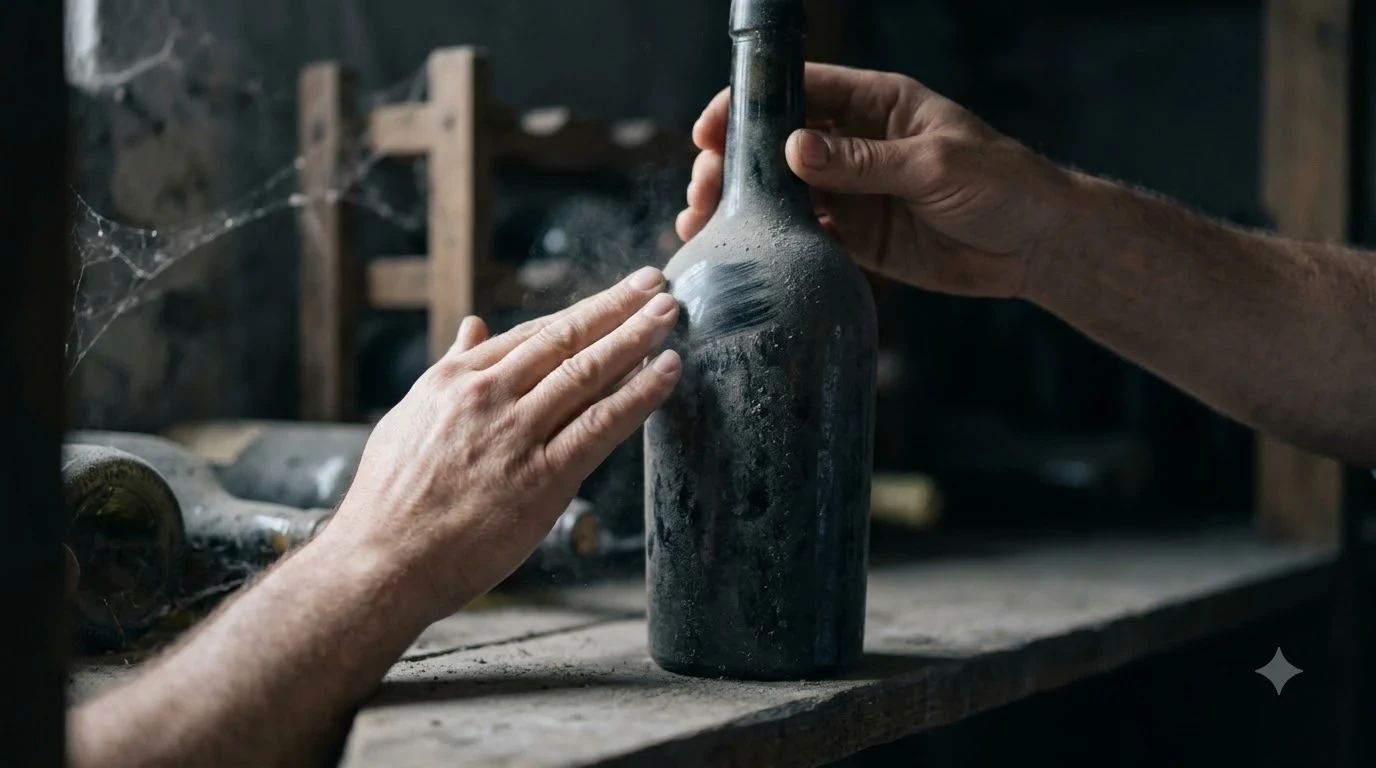
Savennières wine is a dry white made from Chenin Blanc on the north bank of the Loire, known for high acidity, firm structure, and a long life in the bottle. The appellation covers about 300 hectares across three communes, with roughly 146 hectares actually planted. Its vineyards sit on hills of schist, and most of the wine is dry, although the region once made many sweet styles.
If you have seen Savennières on a wine list and wondered why it tastes so intense, or you want to understand how it differs from other Chenin Blanc styles, this guide explains where it comes from, what the grape contributes, how the appellation is organized, and how to serve and age the wines.
Where Savennières sits in the Loire Valley
Savennières is produced on the north, or right, bank of the Loire River in the Anjou-Saumur subregion, as the Savennières AOC entry on Wikipedia describes. The appellation is a small area compared with many Loire districts, and it is spread across the communes of Savennières, Bouchemaine, and La Possonnière. Most of the vineyards are on steep, south-facing slopes that catch the sun and shed water quickly.
The soil is the defining feature. The area spans three hills of schist, a crumbly metamorphic rock that drains well and forces vines to work hard. Growers often describe the schist as a key source of the wine’s tension and mineral edge, although the exact effect is debated among producers.
The appellation was defined as an AOC in 1952 and revised in 1996. Today it has three AOCs: Savennières, which covers most of the vineyards, and two enclaves, Savennières-Roche-aux-Moines and Savennières-Coulée-de-Serrant. The enclave names are smaller and tend to be associated with the most sought-after bottles.
What Chenin Blanc brings to Savennières
Savennières is made from Chenin Blanc, a grape that can produce wines from bone dry to very sweet. The Wine Folly guide to the variety lists quince, yellow apple, pear, chamomile, and honey as typical flavors. Later-picked grapes or those affected by noble rot can add notes of pineapple, orange peel, and dried chamomile.
Acidity is the most important part of the grape’s character. Wine Folly notes that Chenin Blanc keeps high acidity in every style, linked to high levels of tartaric and malic acids, and that cooler climates and earlier harvests help retain it. In Savennières this acidity gives the wine its length and its ability to age.
Savennières is typically fuller-bodied than dry Vouvray and more concentrated than basic Anjou Blanc. Traditional versions can taste austere when young, which is why many people are surprised by how much they open up after a few years. Some producers now make wines that feel more approachable early on, so the style on the label can vary.
| Aspect | Typical Savennières | What to check |
|---|---|---|
| Style | Dry, with high acidity and firm body | Sweetness level on the label or producer notes |
| Flavor | Quince, pear, honey, and chamomile notes | Producer tasting description |
| Ageing | Built for years of cellaring | Vintage and recent reviews |
| Appellation | Savennières, Roche-aux-Moines, or Coulée-de-Serrant | Name on the front label |
Dry wine and the sweet-wine history
Under the 1996 rules, regular Savennières may contain up to 8 grams of sugar per litre, which keeps it in the dry range. Demi-sec wines run from 8 to 18 grams, moelleux from 18 to 45 grams, and doux wines contain more than 45 grams. Sweet wines were historically important in Savennières, but nearly all of the production is now dry.
That shift matters when you shop. A label that says demi-sec or moelleux is a different experience from a standard dry bottle, so read the sweetness level before you buy, especially if you plan to serve the wine with a specific meal.
The history also explains the style. Many producers have focused on dry wines that show the site and the grape, rather than on sweetness, which is why modern Savennières is often described as serious and structured.
Notable domains and where to start
Several domains are often mentioned in regional guides. Clos de la Coulée de Serrant, run by Nicolas Joly, is a single estate that is said to have been first planted in 1130 by Cistercian monks, and Joly farms it biodynamically. Other names that appear in Savennières coverage include the Closel winery, run by Evelyne de Pontbriand, the Boudignon winery, run by Thibaud Boudignon, the Maison Jaune winery, run by Jean-Claude Taddeï, and Baumard.
For a first bottle, look for a producer whose notes describe the grape, the vintage, and the schist soils clearly. Younger bottles from a respected domain give a good sense of the style. If you want to go further, the enclave wines are a natural next step, but they are generally more expensive and often need more time in the bottle.
If you enjoy comparing Loire whites with other cool-climate styles, our guide to Hunter Valley wine offers a useful contrast with a warmer, very different setting. For a wider look at how regions shape flavor, the Wine Regions section explains the main factors behind those differences.
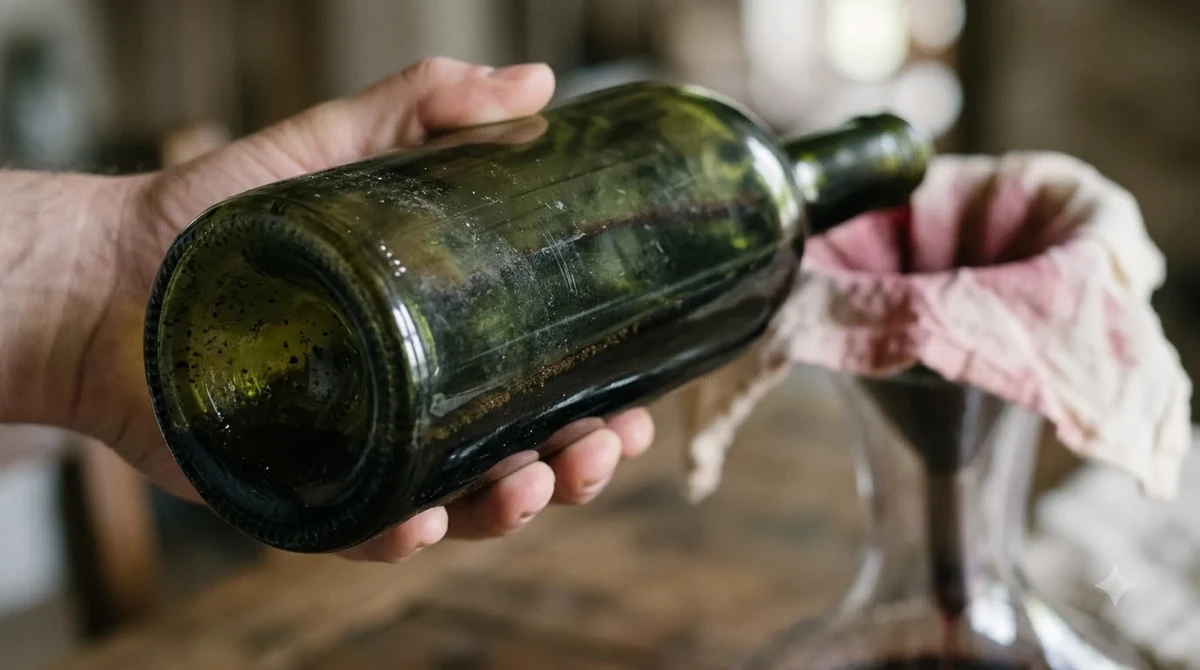
Tip: A young Savennières can taste tight and sharp on the first day. Open it an hour before serving or pour it into a large glass and let it warm slightly, so the fruit and honey notes have room to show.
Serving and ageing Savennières
Serving temperature matters for Chenin Blanc. Wine Folly recommends serving Chenin Blanc cold, at 45 to 55 degrees Fahrenheit, which is a little cooler than many white wines. A white wine glass is the usual choice, and decanting is generally unnecessary for a dry bottle.
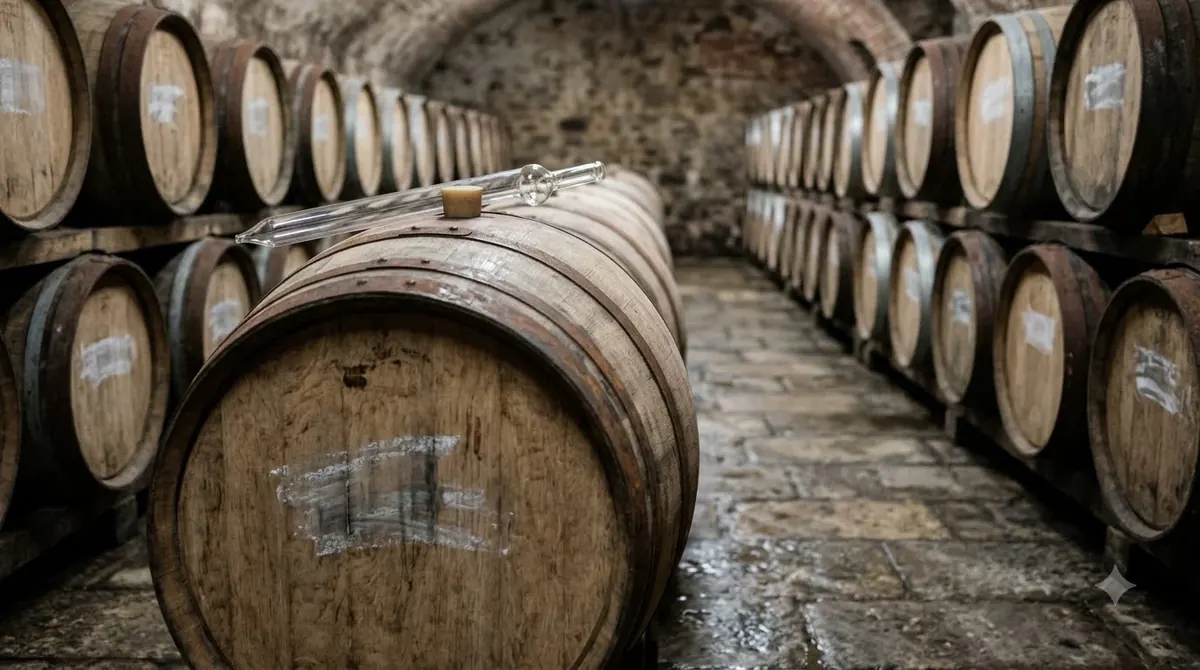
Ageing is one of the strongest reasons to buy Savennières. The grape’s acidity and the schist-based structure let the wines develop for many years, and the page on Chenin Blanc gives a cellaring window of 10 years or more. Keep bottles in a cool, dark place with a steady temperature, and open the wine when you see the fruit and texture begin to balance the acidity.
Older bottles often show honey, dried fruit, and a softer texture. If you are unsure whether a bottle is ready, check recent reviews or the producer’s advice on the recommended drinking window.
Pairing Savennières with food
Savennières pairs well with dishes that have a sweet and sour element, including many Southeast Asian recipes. Pork belly with apples is a good match for richer, more concentrated versions. Dry Savennières also suits fish and seafood dishes that use citrus, herbs, or a light cream sauce.
For a richer, oaked style, roast chicken or turkey works well, since the wine has enough body to match the meat. Keep the sauce in mind as well, because a heavy cream sauce can overpower a young bottle. A lighter preparation usually shows the wine best.
Sparkling Chenin Blanc from the Loire is a good aperitif, and it works with salted nuts and crisp snacks. If you want to compare with another food-friendly white region, our guide to Douro wine covers a very different set of reds and whites, and it shows how acidity and climate change the pairing.
Frequently Asked Questions
What is Savennières wine made from?
Savennières is a white wine made from Chenin Blanc. It is usually dry, with high acidity and a firm structure that suits ageing.
Is Savennières sweet or dry?
Most Savennières is dry. The region historically made sweet wines, but nearly all of the current production is dry. Check the sweetness level on the label, since demi-sec and moelleux styles exist within the appellation rules.
How long can Savennières age?
Savennières is known for long ageing. Good bottles can develop for a decade or more, and some can last for decades, depending on the producer and the vintage.
What temperature should I serve Savennières?
Serve it cold, at about 45 to 55 degrees Fahrenheit. A white wine glass is usually enough, and decanting is generally unnecessary for a dry bottle.
Savennières rewards patience and a little curiosity. Look at the sweetness level, check the vintage, and serve the wine cool so its acidity and fruit come through clearly. Once you have tasted a good bottle, its firm, mineral character is easy to recognize.
More in Wine Regions
 Willcox Wine Trail: Discover Arizona’s High-Elevation Wine CountryUpdated Nov 20, 2026
 Yakima Valley Wine Region: Find the Best Styles to TryUpdated Nov 20, 2026
 Vosne Romanee Wine Tasting: Identify Aromas and Choose Better PairingsUpdated Nov 20, 2026
 Yakima Valley Wine Festival: Find the Best Seasonal Wine EventsUpdated Nov 20, 2026
 Wales Vineyards: Discover Cool-Climate Wines and Where to VisitUpdated Nov 20, 2026
 Yountville Wine Festival: Discover Napa Wines and Local FoodUpdated Nov 20, 2026