

We may earn a commission when you buy through links on this page, at no extra cost to you. Learn more.
The savatiano grape is a Greek white wine variety best known for producing dry, medium-bodied wines from Attica and serving as the traditional foundation for retsina. In a good modern bottling, expect yellow fruit, citrus, fresh herbs, a rounded texture, and moderate acidity rather than sharp, high-acid intensity. Its ability to handle hot, dry growing conditions is part of its long history, while careful harvest timing and cool fermentation have helped reveal a more expressive side of the variety.
For American wine drinkers, Savatiano offers a useful introduction to Greece beyond the country’s better-known Assyrtiko and Moschofilero. It can be crisp and straightforward, broad and savory, or resin-scented when made as retsina. Understanding where it grows and how the winemaker handles it makes it easier to choose a bottle that suits the meal.
Savatiano’s Greek Roots and Place in Wine History
Savatiano is an indigenous Greek white grape with its strongest historical association in Attica, the region surrounding Athens. It is one of Greece’s most widely planted white varieties and has long supplied everyday dry wine as well as grapes for retsina. The variety is also grown in Central Greece and appears in regional blends, so a bottle labeled with the grape name represents one part of a broader Greek wine tradition.
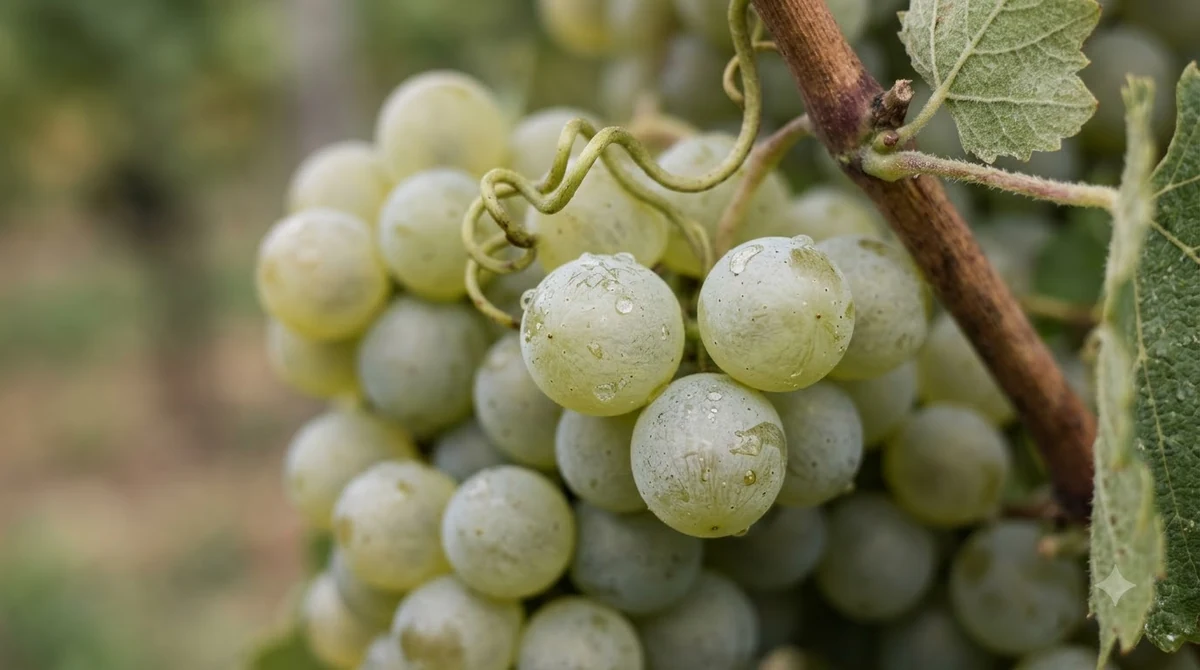
Its reputation has shifted over time. For generations, Savatiano was closely associated with high-volume wines and with retsina, a style whose pine-resin aroma can divide drinkers. That association sometimes obscured the quality possible in a carefully made, unresinated white. The national wine organization Wines of Greece’s Savatiano profile describes a more recent focus on vineyard work, harvest timing, and controlled fermentation, with producers aiming for fresher fruit, greater aromatic definition, and a more balanced palate.
The grape is not simply a substitute for a more famous Mediterranean white. It has a recognizable combination of rounded body, moderate acidity, and savory detail. Depending on the vineyard and cellar choices, its aromas can lean toward yellow apple, pear, melon, peach, citrus peel, fresh-cut grass, hay, or dry herbs. Some examples are deliberately understated, while others offer ripe fruit and a fuller finish. That range makes it useful to approach Savatiano as a grape with several expressions rather than as one fixed flavor profile.
Attica’s Climate and the Vineyards Around Athens
Attica is the principal reference point for Savatiano, and its warm, dry climate helps explain the grape’s historic importance. The region lies in southeastern Central Greece, with vineyards influenced by the nearby gulfs, inland heat, coastal breezes, and cooler slopes around surrounding mountains. The Attica regional authority identifies Savatiano as the area’s prevalent variety and describes its typical wines as fruity, full-bodied, and moderately acidic.
Conditions vary across the region. In the Mesogeia plain, southeast of Athens, warm temperatures encourage grapes to reach maturity readily; vineyards nearer the coast benefit from sea breezes. The Official Athens Guide places Mesogeia about 30 kilometers from central Athens and describes more than 650 hectares of vines there. Other important vineyard areas extend north toward Stamata and Afidnes and west around Megara. These place names matter because Savatiano from a warm lowland site may feel broader and riper than wine from a cooler or higher location.
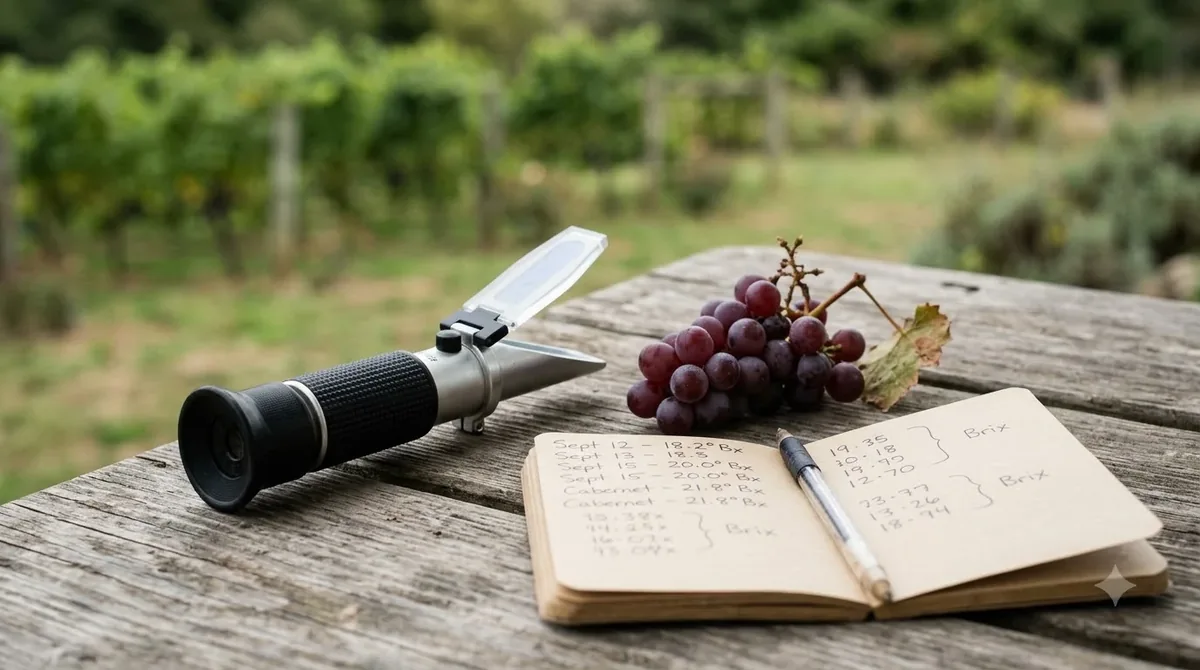
Attica is not uniformly hot at vine level. The regional authority notes that vineyards near the sea are cooled by breezes, while mountain-slope sites experience lower temperatures because of altitude. Earlier picking can preserve a tauter, crisper line of acidity; later harvesting generally favors fuller fruit and a rounder impression. Growers therefore have choices within a region often characterized as hot and dry, and the location of the vineyard can make a meaningful difference in the glass.
What Savatiano Tastes Like
Most dry, unresinated Savatiano is medium-bodied, dry, and moderately acidic, with little or no perceptible tannin. The texture is often smoother and rounder than that of a very lean, high-acid white. Aromas vary with ripeness and winemaking, but yellow apple, pear, melon, peach, lemon, white flowers, and freshly cut grass are useful starting points; herbal notes such as thyme or hay can become more prominent in savory examples.
Fruit intensity is not always the main point. A bottle can seem restrained at first, then show its character through ripe orchard fruit, dried herbs, a gentle citrus edge, and a broad palate. Yellow fruit, floral notes, and fresh grass recur in regional and producer descriptions; a concentrated example may also develop honeyed, nutty, earthy, or mineral suggestions. Acidity is moderate rather than uniformly high, although early-picked or cooler-site wines can feel firmer than riper examples. Alcohol varies too: one PGI Attiki bottling from Nikolou Winery lists 13% alcohol by volume, a producer-specific figure rather than a rule for the whole variety.
| Characteristic | Typical Savatiano | What it means in the glass |
|---|---|---|
| Color | Pale straw to yellow | Usually a still white wine, sometimes with deeper golden tones |
| Body | Medium to full | Rounder texture than many crisp, light-bodied whites |
| Acidity | Moderate | Fresh enough for food, but not usually piercing |
| Tannin | Very low to none | No drying grip like a structured red wine |
| Alcohol | Varies; 13% in one producer example | Check the bottle details for the individual wine |
| Common aromas | Yellow fruit, citrus, grass, herbs | Ripe and savory notes can appear together |
Think of Savatiano as a textural white rather than an acidity showcase. It may appeal to someone who likes the supple feel of Chardonnay but wants a distinctly Mediterranean profile without assuming oak or butter flavors. It is also different from the neutral, light-bodied impression often associated with Spain’s Airen grape: Savatiano can carry more body and a more clearly herbal or yellow-fruited character, though both varieties can be shaped by yield and cellar decisions.
Winemaking Styles: Fresh White Wine and Retsina
Savatiano is versatile in the winery: it can become a clean, unresinated dry white, a component in a blend, or the main grape in retsina. The difference between these wines is not simply a matter of grape ripeness. Harvest date, skin contact, fermentation temperature, vessel choice, and the presence or absence of pine resin all shape the result.
For a fresh dry white, growers generally aim to retain enough acidity to balance the grape’s natural weight. The Wines of Greece profile describes the role of timely harvesting, pre-fermentation maceration, low fermentation temperatures, and vineyard selection in building freshness and aromatic intensity. Stainless-steel fermentation is common for a bright, direct style, while selected skin contact can add texture and aromatic depth. Not every Savatiano is made the same way, however, and a short period on skins does not automatically mean the wine will taste tannic.
Understanding retsina
Retsina is a traditional Greek wine style flavored with pine resin, not a grape variety in its own right. Savatiano is a key traditional base, often used on its own or alongside Roditis. The style has a long association with Attica and with the historic use of resin to seal wine-storage vessels. In modern production, resin is added deliberately during winemaking and contributes a distinctive resinous aroma and flavor that can recall pine, mastic, herbs, or spice.
Modern retsina can be more balanced and precise than the strongly resinous versions that shaped some drinkers’ expectations. The resin should be understood as a defining seasoning, not as a sign that the wine is flawed or that every bottle will taste alike. Some producers keep the resin character subtle and let citrus, herbs, and the grape’s body remain visible; others make it more assertive. Anyone new to the style may prefer a bottle described as fresh or contemporary rather than one known for a forceful resin profile.
Blending adds another layer. Savatiano can be combined with Roditis or other permitted varieties to shape acidity, aroma, and texture. A single-variety bottling makes the grape’s own profile easier to identify, while a blend may offer a different balance. For a broader overview of how grape, region, and production choices define a bottle, see our guide to Wine by Type.
Food Pairings for Savatiano and Retsina
Savatiano’s moderate acidity and medium-to-full body make it especially useful with food that has some richness, herbs, or savory seasoning. It is a natural match for Greek dishes, but it can work just as well with familiar American meals built around chicken, seafood, vegetables, and grilled pork. The best match depends on whether the wine is a fresh dry white or a resin-scented retsina.
Pair an unresinated Savatiano with grilled sea bass, roasted chicken, shrimp, grilled zucchini, white beans, or a platter of feta, olives, and vegetable dishes. Its body gives it enough presence for roast poultry and dishes with olive oil, while its moderate acidity can refresh the palate between bites. For foods with a sharp lemon dressing or strong vinegar, choose a Savatiano with lively acidity rather than the broadest, ripest example; acidic food can make a lower-acid wine seem softer and less vivid.
Retsina’s pine and herbal notes suit grilled octopus, lemon-and-oregano chicken, fried fish, salty cheeses, and dishes seasoned with rosemary, thyme, or fennel. The resin character can echo herbs used in the cooking, while salt and crisp textures help keep the pairing lively. Savatiano’s low tannin also makes it more flexible with fish than a tannic red wine. For very spicy dishes, keep the heat moderate: alcohol can make chili feel hotter, and a fuller, higher-alcohol bottling may intensify that effect rather than calm it.
Tip: Match the style to the seasoning. Choose a clean, unresinated Savatiano for lemony grilled fish or roast chicken, and try retsina when the dish features oregano, rosemary, olives, or other pronounced savory herbs.
Cheese pairings are straightforward. Fresh goat cheese, feta, and other salty, tangy cheeses work well with a crisp version; a fuller bottle can handle semi-firm cheeses and savory pastries. Avoid assuming that every Savatiano will cut through heavy cream or intense acidity equally well. A rounder example is better with richer food, while an earlier-picked wine is often the more refreshing partner for delicate seafood and vegetable dishes.
How to Choose, Serve, and Store a Bottle
Start by deciding whether you want an unresinated dry white or retsina, then consider the texture you prefer. A young, stainless-steel-fermented Savatiano is a sensible choice for fresh fruit and herbal character; a wine with more concentration or bottle age may show honeyed, nutty, or earthy details. If the producer identifies a single vineyard, old vines, or a cooler site, those details can help explain why the wine may differ from a simple, fruit-forward example.
Serve most medium- to full-bodied dry Savatiano at about 50–55°F, cool enough to stay refreshing but not so cold that its texture and herbal aromas disappear. A lighter, brisker bottling can be served closer to 45–50°F. Retsina is generally enjoyable around 45–50°F, where the resin and herbal notes remain expressive without becoming overpowering. A standard 5-ounce pour is a useful measure for tasting, and a 750-milliliter bottle yields about five such glasses.
Keep unopened bottles away from direct light and temperature swings; a cool storage area near 55°F is a practical target, and cork-finished bottles are generally stored on their sides. Once opened, reseal the wine and refrigerate it. Most opened still wines retain their best character for about 3–5 days, although freshness varies with oxygen exposure and the wine’s structure.
| Serving detail | Practical guideline | Why it helps |
|---|---|---|
| Medium- to full-bodied dry Savatiano | 50–55°F | Preserves freshness while allowing texture and aroma to show |
| Lighter dry Savatiano | 45–50°F | Keeps a crisp, early-picked style refreshing |
| Retsina | 45–50°F | Balances the herbal and resin character |
| Pour size | 5 ounces | A standard tasting or dinner serving |
| 750-milliliter bottle | About 5 glasses | Based on five-ounce pours |
| Opened still wine | 3–5 days refrigerated | Reseal promptly and limit air exposure |
Savatiano can develop with bottle age when it has enough concentration and balance. The Attica regional authority notes that aged examples can take on dry, honeyed flavors, but a simple, fresh bottling is usually best enjoyed young; follow a producer’s guidance before setting a structured wine aside for a few years.
Frequently Asked Questions
These answers cover common points that help distinguish Savatiano from other Greek grapes, clarify retsina terminology, and make label details easier to interpret. The useful comparisons include Roditis, Assyrtiko, and the regional names associated with Attica.
Is Savatiano the same grape as Savvatiano?
Yes. Savatiano and Savvatiano are alternative English transliterations of the same Greek grape name. The spelling with the extra “v” appears in some technical and producer materials, while Savatiano is widely used in English-language wine writing and on export-facing labels.
Is Savatiano always used to make retsina?
No. Savatiano is also bottled as a dry, unresinated white and is used in blends. Retsina is a wine style defined by the addition of pine resin during production, so a bottle labeled simply Savatiano should not be assumed to have a resin flavor.
How is Savatiano different from Assyrtiko?
Assyrtiko is generally known for higher acidity and a firmer, more mineral-driven profile, particularly in wines from Santorini. Savatiano is usually rounder, with moderate acidity and more obvious yellow-fruit or herbal notes. Producer choices and vineyard conditions can narrow or widen the difference between individual bottles.
Can Savatiano be made as a sweet wine?
Yes, although dry white wines are the best-known expression. Attica’s regional wine description also notes a rarer sweet style made from grape must whose sugars have been partly concentrated before fermentation. Such a wine is a specialty rather than the usual profile associated with a bottle labeled Savatiano.
What does PGI Attiki mean on a Savatiano label?
PGI stands for Protected Geographical Indication, a European designation connecting a wine with a defined place and production rules. Attiki identifies the broader Attica area around Athens; it is not the name of a separate grape. A producer’s technical information can provide more detail, such as the vineyard soil, harvest timing, alcohol level, or whether the wine was aged in oak.
Savatiano is a distinctive Greek white worth exploring both as a fresh dry wine and through the traditional lens of retsina. Look for a producer that describes the style clearly, serve it cool rather than icy, and pair its rounded body and herbal character with Mediterranean-inspired food. A bottle from Attica can show how much character a familiar local grape can offer when its vineyard and winemaking choices are given room to speak.
More in Wine Types & Grapes
 What Does Mourvèdre Taste Like? Flavor Profile, Regions, and PairingsUpdated Nov 20, 2026
 What Does Marsanne Taste Like? Flavors, Styles, and Food PairingsUpdated Nov 20, 2026
 What Does Malvasia Taste Like? Styles, Flavors, and Food PairingsUpdated Nov 20, 2026
 What Does Grenache Blanc Taste Like? Flavor Profile, Styles, and PairingsUpdated Nov 20, 2026
 What Does Garnacha Taste Like? Key Flavors, Styles, and Pairing TipsUpdated Nov 20, 2026
 What Does Fruit Wine Taste Like? A Complete Flavor and Style BreakdownUpdated Nov 20, 2026