

We may earn a commission when you buy through links on this page, at no extra cost to you. Learn more.
Sauternes sugar content typically ranges from 120 to 220 grams per liter (g/L) of residual sugar, though French appellation law sets the legal minimum at 45 g/L. Because a standard 12 percent to 14 percent alcohol by volume (ABV) wine contains more than 10 percent sugar by weight, a typical 3-ounce pour holds roughly 11 to 20 grams of sugar. Unlike fortified dessert wines, Sauternes achieves this concentration naturally through noble rot rather than added grape spirit.
Understanding how much sweetness sits inside a bottle of Bordeaux’s most famous dessert wine helps you pair it with food, calculate serving sizes, and compare it against other sweet styles. While those numbers look high on paper, natural grape acidity and botrytis-driven flavor compounds keep well-made Sauternes feeling balanced rather than syrupy.
What It Is
Sauternes is a sweet white wine from the southern edge of France’s Bordeaux region, made primarily from Sémillon grapes affected by a beneficial vineyard fungus called Botrytis cinerea. Under Appellation d’Origine Contrôlée (AOC) rules established in 1936, winemakers must harvest grapes with at least 221 g/L of natural sugar in the juice and leave at least 45 g/L of unfermented sugar in the finished wine.
In practice, almost every producer exceeds that legal floor by a wide margin. According to Wine Folly’s guide to Sauternes, finished bottles usually hold between 120 and 220 g/L of residual sugar, placing the wine above standard cola in raw sugar density. Even flagship estates such as Château d’Yquem routinely bottle vintages between 125 and 148 g/L, depending on autumn harvest conditions.
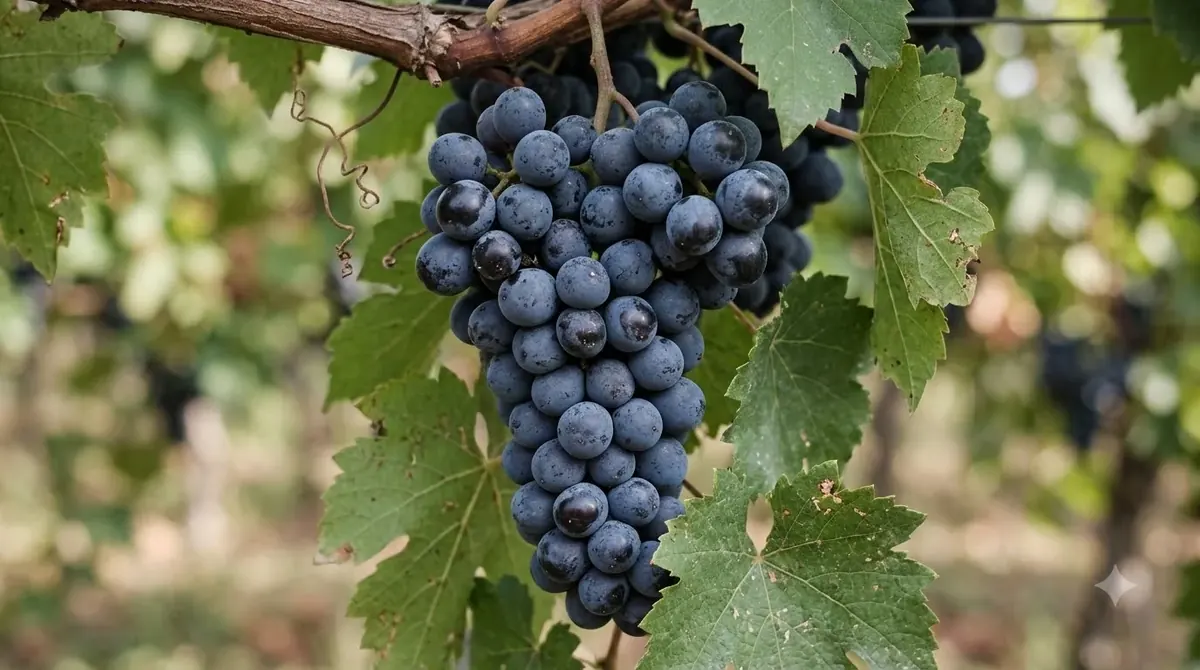
The secret behind this concentration is noble rot, which punctures microscopic holes in ripe grape skins during humid mornings and evaporates water during warm, sunny afternoons. As the berries shrivel into golden-purple raisins on the vine, their sugars, acids, and flavor compounds intensify simultaneously. Because the pressed juice is so dense with sugar, native or cultured yeasts struggle to convert all of it into alcohol, naturally halting fermentation around 13 to 14 percent ABV and leaving rich sweetness behind.
This unfortified winemaking method separates Sauternes from wines with port sugar content, where winemakers stop fermentation early by adding neutral grape spirit. In Sauternes, every drop of alcohol and every gram of residual sugar comes directly from the shriveled grape must, giving the wine a silky glycerol texture alongside bright citrus and orchard-fruit character.
Sauternes Sugar Content Compared to Other Wines
Comparing Sauternes against everyday table wines and fellow dessert styles clarifies just how concentrated its sweetness really is. While dry red wines contain barely a trace of unfermented grape sugar, Sauternes sits firmly in the full-bodied dessert category alongside late-harvest and botrytized classics.
| Wine Style | Typical Residual Sugar (g/L) | Sugar per 3 oz (89 ml) Pour | Typical ABV | How Sweetness Is Achieved |
|---|---|---|---|---|
| Sauternes (AOC) | 120–220 g/L (45 g/L legal min) | 10.7–19.6 g | 12%–14% | Noble rot concentrates grape juice on the vine |
| Sweet German Riesling (Spätlese/Auslese) | 45–120 g/L | 4.0–10.7 g | 7.5%–10% | Cool-climate fermentation stopped early by chilling |
| Tawny or Ruby Port | 90–140 g/L | 8.0–12.5 g | 19%–20% | Grape spirit added mid-fermentation |
| Dry Merlot | 1–3 g/L | 0.1–0.3 g | 13.5%–14.5% | Yeasts ferment virtually all grape sugars |
Looking at the numbers side by side reveals why serving size matters so much across different Wine by Type categories. A standard 5-ounce dinner pour of dry red wine with typical merlot sugar content delivers less than half a gram of residual sugar, whereas a 3-ounce dessert pour of Sauternes delivers between 11 and 20 grams. That higher density explains why Sauternes is traditionally sold in 375-milliliter half-bottles and poured in smaller glasses.
Vintage weather also shifts where a specific bottle lands within that 120 to 220 g/L spectrum. Cool, rainy autumns can dilute berries and limit noble rot, leading top estates to produce drier, lighter vintages or skip bottling their grand vin altogether. Conversely, warm, misty Octobers allow botrytis to spread cleanly across the vineyards, pushing residual sugar toward the upper end of the range while preserving brisk natural acidity.
Flavor and Styles
Despite carrying high levels of residual sugar, Sauternes rarely tastes cloying because Sauvignon Blanc in the blend provides zesty natural acidity. Young bottles burst with ripe apricot, white peach, pineapple, and candied orange peel, layered over distinctive botrytis notes of wildflower honey, fresh ginger, saffron, and beeswax.
Grape proportions shape the exact balance between plush sweetness and crisp lift from one château to the next. Sémillon makes up 70 to 90 percent of most blends because its thin skin welcomes noble rot and builds a lush, waxy mid-palate. Winemakers blend in 5 to 25 percent Sauvignon Blanc for citrus tension and up to 5 percent Muscadelle for floral perfume, adjusting the percentages each harvest to keep the sugar feeling lively.
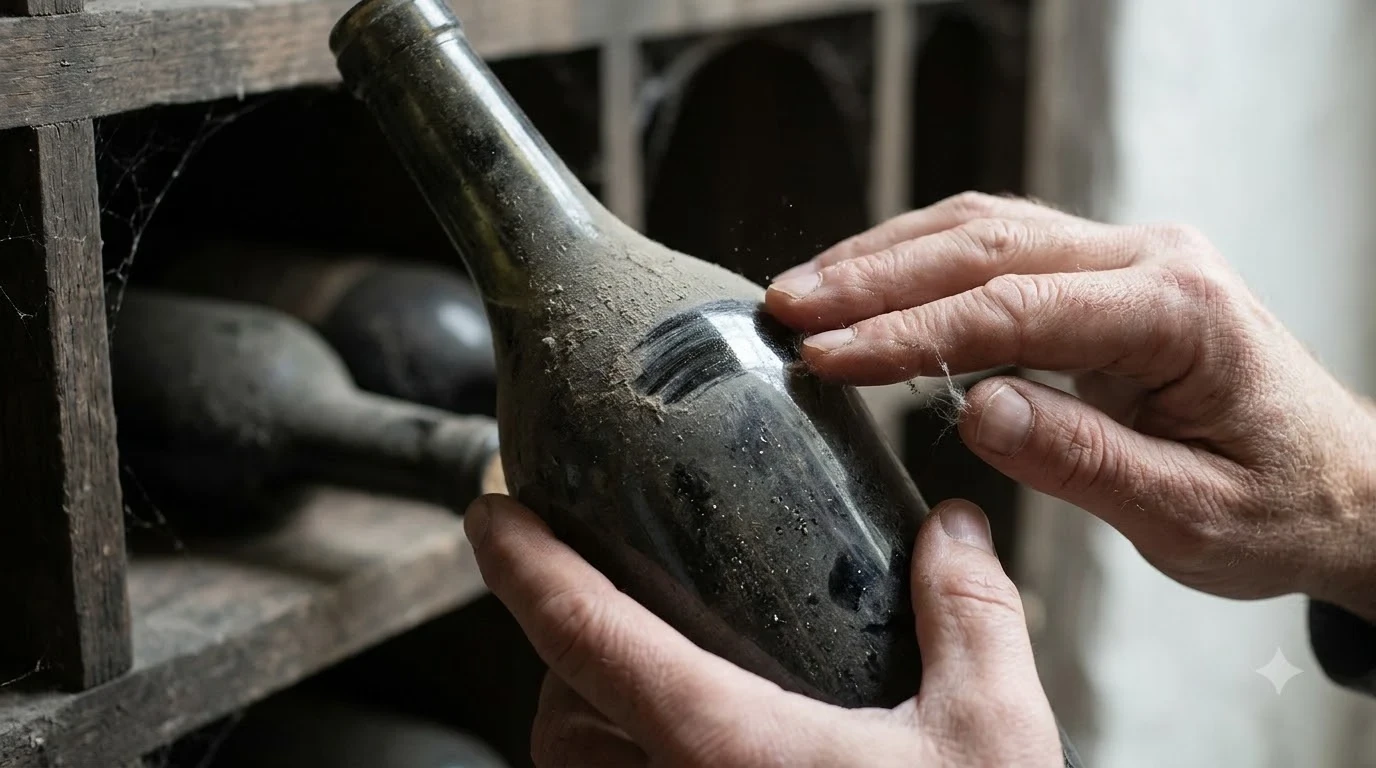
Bottle age transforms both the color and the sensory impression of sweetness over time. During its first five to ten years, Sauternes glows pale to medium gold and highlights fresh stone fruit and sweet baking spice from oak barrel aging. After fifteen to thirty years or more, the wine deepens toward burnished amber and mahogany, trading primary fruit brightness for complex flavors of burnt caramel, toffee, toasted hazelnuts, dried figs, and bitter orange marmalade that make the sugar feel drier on the finish.
Where It Grows
All authentic Sauternes comes from five designated communes located roughly 25 miles (40 kilometers) southeast of the city of Bordeaux on the left bank of the Garonne River. Those five villages are Sauternes, Bommes, Fargues, Preignac, and Barsac, where vineyards sit on gravelly, clay-rich, and limestone soils that drain water quickly after autumn showers.
This specific pocket of southwest France owes its sweet-wine reputation to a clash of water temperatures between two rivers. The small, spring-fed Ciron River flows through shaded pine forests and enters the wider, warmer Garonne River right next to the vineyards. On crisp autumn mornings, that temperature difference generates thick blankets of river mist that drift across the vines and trigger Botrytis cinerea germination.
By midday, warm sunshine burns off the fog and dries the grape clusters before destructive gray rot can spoil the fruit. Because noble rot develops unevenly across a vineyard, pickers must walk the rows multiple times over several weeks in October and November, harvesting individual shriveled berries by hand in successive passes known locally as tries. Barsac holds its own separate appellation status as well, allowing producers there to label their sweet wines as either Barsac or Sauternes, often yielding a slightly brisker, more mineral profile.
How to Serve
Serving temperature plays a decisive role in how sweet Sauternes feels on your palate. Pouring the wine too warm makes the alcohol and residual sugar feel heavy and syrupy, while serving it ice-cold mutes its intricate honey, saffron, and stone-fruit aromatics.
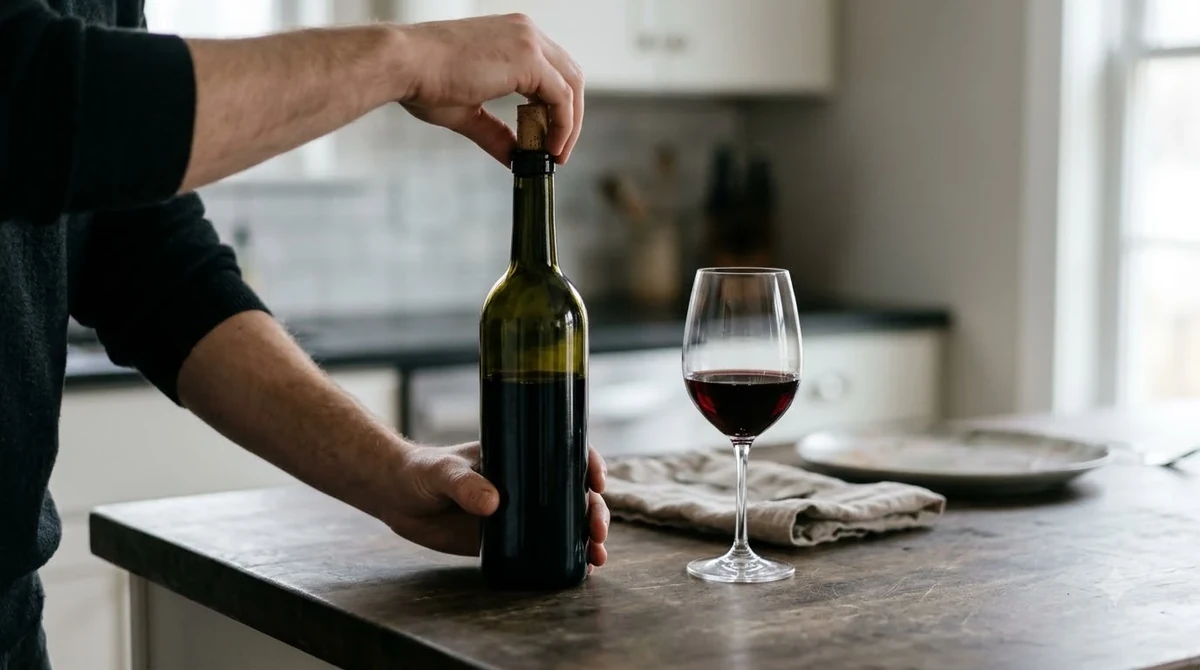
Chill young bottles of Sauternes to between 43°F and 50°F (6°C to 10°C)—roughly two hours in a standard kitchen refrigerator—before pouring. Older vintages with more than fifteen years of bottle age benefit from slightly warmer service around 50°F to 54°F (10°C to 12°C) so their nutty, caramelized nuances open fully in the glass. Use a small tulip-shaped white wine glass or dedicated dessert wine glass and pour 2 to 3 ounces per guest.
Tip: Because high sugar and 13 percent alcohol act as natural preservatives, an opened bottle of Sauternes re-corked and stored upright in the refrigerator stays fresh for one to two weeks.
Food Pairing
Pairing Sauternes successfully relies on two classic culinary principles: balancing intense salt with sweetness, or matching the wine’s sugar level against mildly sweet desserts. If a dessert is sweeter than the wine in your glass, the Sauternes will taste sharp, thin, and bitter by comparison.
Salty, savory dishes create the most dramatic flavor contrast at the dinner table. Roquefort, Stilton, and Gorgonzola are benchmark matches because the creamy, pungent saltiness of blue cheese cuts straight through the wine’s 120 to 220 g/L of residual sugar, making the fruit flavors taste brighter. Rich savory starters such as seared duck liver, chicken liver mousse, or roasted pork belly with apple glaze work on the exact same sweet-and-salty principle.
If you prefer serving Sauternes after dinner, stick to fruit-forward or custard-based pastries rather than dark chocolate or heavily frosted cakes. Warm apple tarte Tatin, apricot galettes, almond frangipane tart, and vanilla crème brûlée echo the wine’s baked-fruit and caramel notes without overwhelming its sweetness. You can also serve a chilled glass alongside mildly spiced Thai curries or ginger-glazed dishes, where the sugar softens chili heat.
How to Choose a Bottle
Navigating Sauternes labels becomes much easier once you look at classification tiers, vintage reputation, and bottle format. In the historic 1855 Bordeaux classification, twenty-seven estates were ranked into three tiers: Premier Cru Classé Supérieur (held exclusively by Château d’Yquem), eleven Premiers Crus Classés, and fifteen Deuxièmes Crus Classés.
Châteaux outside the 1855 ranking—or second wines produced by classified estates—often offer vibrant, approachable sweetness at a fraction of the prestige tier’s scarcity. Look for 375-milliliter half-bottles if you are serving two to four people, as one half-bottle comfortably provides four to six tasting pours without leaving leftover wine. Comparing Sauternes against sweeter styles of riesling sugar content also helps set expectations: Sauternes is fuller-bodied, higher in alcohol, and noticeably richer in honeyed texture than off-dry German whites.
Frequently Asked Questions
How many grams of sugar are in a glass of Sauternes?
A standard 3-ounce (89 ml) dessert pour of Sauternes contains roughly 11 to 20 grams of residual sugar, based on a typical concentration of 120 to 220 grams per liter. That equals about 2.5 to 5 teaspoons of sugar per small glass. Because Sauternes is served in smaller pours than dry table wine, total sugar per serving stays comparable to a small glass of fruit juice.
Is Sauternes sweeter than Port?
Yes, Sauternes generally contains more residual sugar per liter than Port, typically ranging from 120 to 220 g/L compared to Port’s 90 to 140 g/L. However, Port is fortified with neutral grape spirit to around 19 or 20 percent ABV, giving it a heavier, warming alcoholic feel. Sauternes relies purely on natural fermentation and bright Sauvignon Blanc acidity, so it tastes fresher and lighter on its feet.
Is Sauternes made with added sugar?
No, French AOC regulations strictly prohibit adding sugar (chaptalization) to Sauternes. Every gram of sweetness comes naturally from ripe grapes shriveled on the vine by noble rot, which concentrates juice sugars above 221 g/L before harvest. Fermentation stops naturally once yeast reaches its alcohol tolerance around 13 to 14 percent ABV.
Does Sauternes lose sugar as it ages?
The actual amount of residual sugar measured in grams per liter stays virtually unchanged inside a sealed bottle over decades. However, Sauternes tastes noticeably less sweet as it matures because fruit aromas evolve into savory notes of toasted nuts, beeswax, saffron, and bitter orange peel. This aromatic shift creates the sensory impression of a drier, more complex finish.
Whether you are opening a young half-bottle alongside blue cheese or cellaring a classified vintage for a special milestone, knowing the numbers behind Sauternes sugar content takes the guesswork out of serving it. Chill the bottle properly, pour modest glasses, and let the balance of noble-rot richness and bright Bordeaux acidity do the rest.
More in Wine Types & Grapes
 Zinfandel Sugar Content: Dry Red vs. White Zinfandel GramsUpdated Nov 21, 2026
 Best Zinfandel Substitute Options for Sipping and CookingUpdated Nov 21, 2026
 Zweigelt Food Pairing: Best Dishes, Cheeses, and Serving TipsUpdated Nov 21, 2026
 Zinfandel Tannins Explained: How Structure Shapes Every BottleUpdated Nov 21, 2026
 Zinfandel Sweetness Level: Dry Red vs. Sweet White Zin ExplainedUpdated Nov 21, 2026
 Xinomavro Food Pairing: Best Dishes, Styles, and Serving TipsUpdated Nov 21, 2026