

We may earn a commission when you buy through links on this page, at no extra cost to you. Learn more.
Sardinia vineyards produce a mix of local red and white grapes on an island known for its dry, sunny climate, with Cannonau (Grenache), Vermentino, Carignano, and Monica among the most important varieties. The island’s wine culture is old and largely independent of the Italian mainland, which gives its bottles a distinct character.
This guide explains where Sardinia’s vineyards are, which grapes grow there, and how the wines taste and pair with food. It also shows how Sardinia compares with other island and Mediterranean wine regions that wine drinkers often explore next.
Where the vineyards are
Sardinia is the second-largest island in the Mediterranean, located west of the Italian peninsula. Island vineyards share some conditions with Crete vineyards, where sea air and dry summers also shape the grapes. Its vineyards spread across the island, from coastal plains to hilly interior zones, and many are planted on poor, well-drained soils that limit yield and concentrate flavor. Vines benefit from strong sunshine and sea breezes, although summers can be hot and dry.
Sardinia ranks sixteenth among Italian regions for wine production, which makes it a modest producer compared with Tuscany or Piedmont. That scale is part of the appeal for collectors. Many bottles come from small estates that focus on local varieties instead of international blends.
Sardinian reds and whites are often blended with the island’s wider Mediterranean traditions in mind. A wine made to pair with cured meats, pecorino, and bread needs brightness and moderate tannin, while a wine for roast meat can carry more weight. Knowing the style you want makes shopping easier than relying on the grape name alone.
Main grape varieties
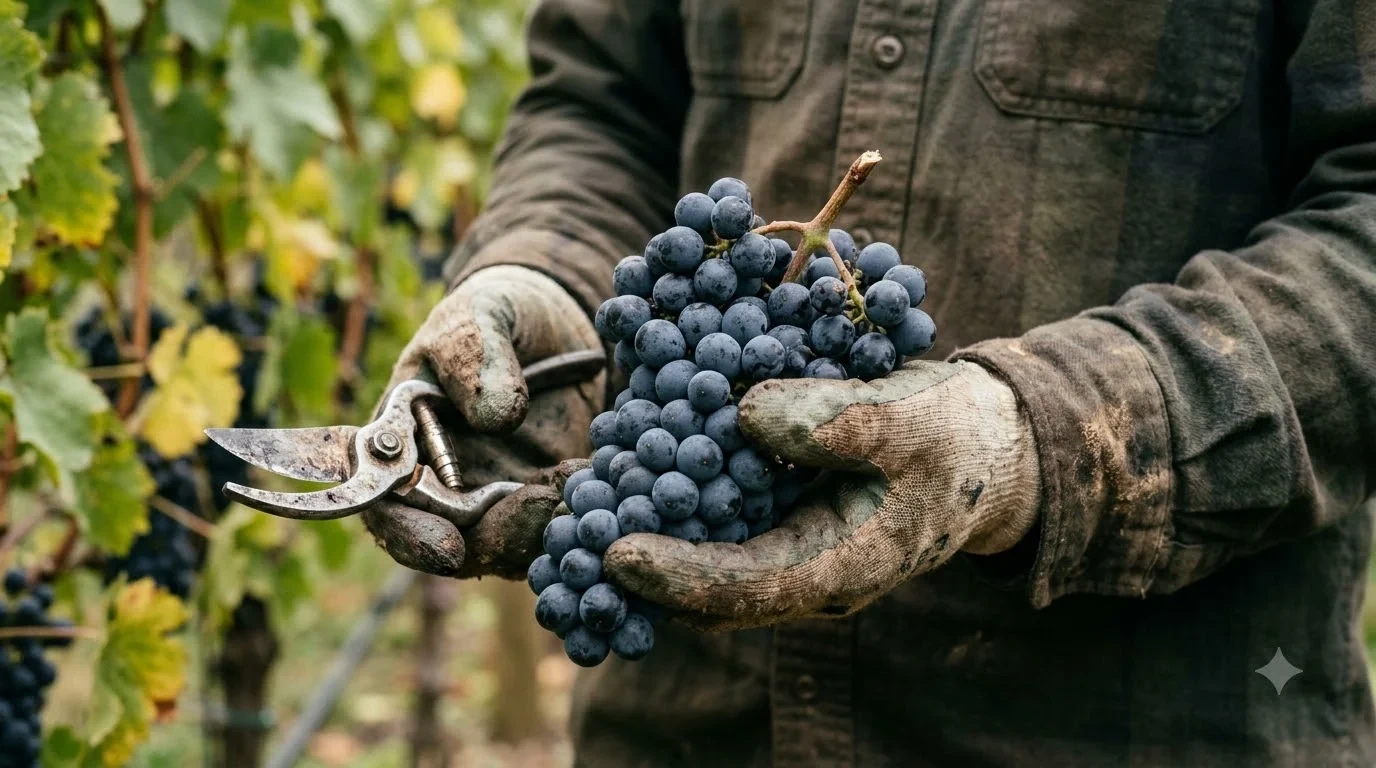
Sardinia grows a wide mix of grapes, and the balance leans slightly toward white varieties. Cannonau, the local name for Grenache, is the island’s signature red and produces round, warm wines with ripe red fruit and soft tannins. Carignano and Monica add color, acidity, and rustic character to red blends.
On the white side, Vermentino is the most recognizable grape. Wine Folly describes Sardinian and Tuscan Vermentino as dry, medium-light in body, with no tannins and medium-high acidity. Typical flavors include lime, grapefruit, green apple, and almond, with a herbal note that many drinkers find refreshing. Nuragus is another local white that tends to be lighter and simpler.
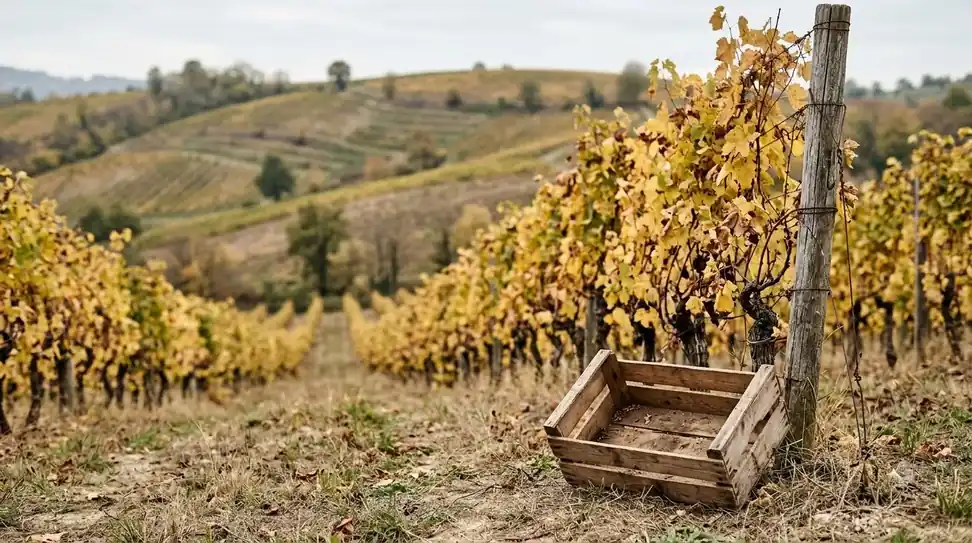
The island’s vineyards also show how soil and altitude change a wine. Inland hills tend to produce riper reds with more concentrated fruit, while coastal sites give whites a crisp, saline finish. Many producers farm several small plots, so a single estate can offer a range of styles from one vintage.
Styles and flavors
Sardinian wines range from crisp, saline whites that suit seafood to deep, plush reds that suit grilled meat and aged cheese. Vermentino is often made in an unoaked style that highlights citrus and mineral notes, though some producers age it in oak for more texture. Cannonau reds can be concentrated and fruity, with spice and herbal edges.
Because the island is hot, alcohol levels can run higher than in northern Italian wines. Check the label if you want a lighter bottle, and look for producers who harvest early to keep acidity bright.
| Grape | Color | Typical style | Good with |
|---|---|---|---|
| Vermentino | White | Dry, citrusy, medium-light body | Seafood, herbs, fresh cheese |
| Cannonau (Grenache) | Red | Ripe red fruit, soft tannins, warm | Grilled lamb, tomato dishes |
| Carignano | Red | Dark fruit, rustic structure | Roasted meats, aged cheese |
| Nuragus | White | Light, simple, fresh | Antipasti, shellfish |
Wine has a long history on the island, and many older village vineyards are planted on bush vines trained low to the ground rather than on tall trellises. These vines produce small yields, and their fruit tends to be concentrated. Producers working with traditional methods often ferment in concrete or large casks, while modern estates use stainless steel to keep fresh whites clean and bright.
Monica is a red grape grown across the island, usually made in a fresh, fruity style meant for early drinking. It is a good everyday bottle, and it pairs well with simple pasta in tomato sauce, cured salami, and roasted vegetables. Carignano, by contrast, can be firmer and more structured, and it suits richer meat dishes and aged pecorino.
Serving and food pairing
Serve Vermentino chilled at about 7 to 12°C, or 45 to 55°F, in a white wine glass. Cannonau tastes best slightly cool, around 15 to 18°C, and it pairs well with Sardinian staples such as roast suckling pig, lamb, and pecorino.
Sardinian food is built on bread, olive oil, seafood, and sheep’s milk cheese, so the wines fit naturally into that table. A simple plate of grilled fish with lemon and herbs is a classic pairing for a crisp white. For red, try wild boar stew or a plate of cured meats with aged cheese.
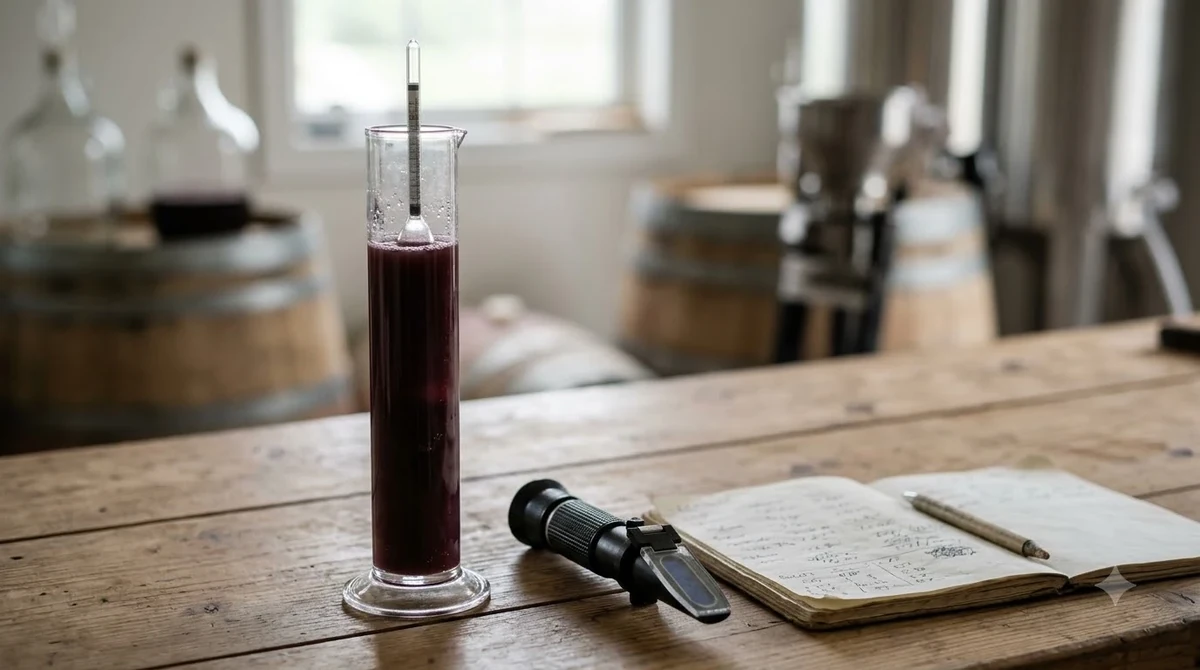
The island’s dry summers help mature vineyards stay healthy with little irrigation, and dry air limits many fungal diseases. Coastal vineyards also benefit from sea breezes that cool the vines at night and help white grapes keep their acidity. These conditions explain why many Sardinian bottles show clean, ripe fruit with a saline or herbal edge.
Vineyards on the island are often small, and some producers sell most of their stock through local restaurants and cellar door sales rather than export. If you travel to Sardinia, visiting a village cantina or ordering a bottle at a trattoria is a good way to taste the wines in their natural setting. Ask for the house wine, and you may find a favorite that is hard to find at home.
How to buy Sardinian wine
Start with the grape name on the label, since many Sardinian bottles name the variety rather than a broader regional appellation. Look for DOC or DOCG markings if you want a guaranteed style, and remember that IGT wines allow more freedom in winemaking.
For a broader overview of how regions compare, the Wine Regions guide is a good next step. Bottles from small producers can sell out quickly, especially Vermentino from coastal estates. If you are new to the island’s wines, a single-variety bottle of Vermentino or Cannonau is an easy place to begin, and it will show you how the region tastes before you commit to blends.
When you read a Sardinian label, look for the grape name, the producer, and any DOC or DOCG zone. Producer notes often explain whether a wine was aged in oak or kept in steel, which helps predict the style. If the label names a vintage, check whether the producer releases the wine young or holds it back for a year or more before sale.
Sardinia also has a strong food culture that centers on bread, olive oil, cheese, and seafood. Ordering a Vermentino with a plate of grilled squid or a Cannonau with roast lamb is an easy way to taste the island’s wines as they were meant to be enjoyed.
Frequently Asked Questions
What is the most famous grape from Sardinia?
Cannonau, the local name for Grenache, is the island’s best-known red. Vermentino is the leading white and is widely exported.
Is Sardinian wine the same as mainland Italian wine?
No. The island has its own grape varieties and wine traditions, and many local grapes do not grow widely on the mainland. Its wines often taste riper and more Mediterranean than those from the north.
What should I drink with Sardinian food?
Chilled Vermentino suits seafood and fresh cheese, while Cannonau pairs well with grilled meat, lamb, and tomato-based dishes.
Are Sardinian wines easy to find in the United States?
Availability varies by store. Vermentino is the easiest to find, while Carignano and smaller producers may need a specialist wine shop or an online retailer.
Sardinia’s vineyards reward curious drinkers with wines that feel both familiar and new. Begin with a chilled Vermentino or a glass of Cannonau, pair them with simple local-style food, and then explore the island’s smaller producers to see how far the region’s character reaches.
More in Wine Regions
 Willcox Wine Trail: Discover Arizona’s High-Elevation Wine CountryUpdated Nov 20, 2026
 Yakima Valley Wine Region: Find the Best Styles to TryUpdated Nov 20, 2026
 Vosne Romanee Wine Tasting: Identify Aromas and Choose Better PairingsUpdated Nov 20, 2026
 Yakima Valley Wine Festival: Find the Best Seasonal Wine EventsUpdated Nov 20, 2026
 Wales Vineyards: Discover Cool-Climate Wines and Where to VisitUpdated Nov 20, 2026
 Yountville Wine Festival: Discover Napa Wines and Local FoodUpdated Nov 20, 2026