

We may earn a commission when you buy through links on this page, at no extra cost to you. Learn more.
This santa margherita pinot grigio review finds a dry, light-bodied Italian white wine with refreshing acidity, delicate fruit flavors, and excellent versatility at the dinner table. Its signature character centers on green apple, pear, citrus, and floral aromas rather than sweetness or heavy oak. It is a strong choice for drinkers who enjoy crisp, approachable white wines, particularly alongside seafood, fresh cheeses, and lighter meals.
Santa Margherita Pinot Grigio has become one of the recognizable names in Italian white wine, thanks to its distinctive fresh style and consistent presentation. The producer helped popularize a modern approach to Pinot Grigio that emphasizes delicate aromas, a pale straw color, and a clean finish. However, brand recognition alone does not determine whether a bottle suits your preferences. Understanding its flavor profile, production approach, food compatibility, and storage requirements makes it easier to decide whether this wine deserves a place in your collection.
Who Should Buy Santa Margherita Pinot Grigio?
Santa Margherita Pinot Grigio is particularly suitable for drinkers who prefer dry, refreshing white wines with light body and recognizable fruit flavors. Its 12.5% ABV, according to the US producer’s specifications, also places it within a familiar range for everyday Italian white wine.
The wine is a natural option for people who enjoy crisp whites but do not necessarily want the pronounced grassy aromas sometimes associated with Sauvignon Blanc. Its apple and pear characteristics give it an approachable fruit profile, while refreshing acidity keeps the overall impression dry rather than sugary. The combination works particularly well as an aperitif or with uncomplicated meals.
It also makes sense for hosts who want a versatile white wine that can accompany several dishes without dominating the table. Santa Margherita specifically recommends fresh cheeses, white meats, soufflés, shellfish, and seafood-based pasta or rice dishes. That range gives the bottle considerable flexibility for dinner parties and casual gatherings.
Who will appreciate its style?
Consider this wine if you generally enjoy:
- Dry Italian white wines with refreshing acidity.
- Light-bodied wines featuring apple, pear, and citrus aromas.
- White wines that work as aperitifs and dinner companions.
- Clean, unoaked flavor profiles rather than creamy, heavily oaked Chardonnay.
- Wines intended for drinking relatively young rather than extended cellaring.
People who prefer rich, buttery Chardonnay, intensely aromatic Gewürztraminer, or noticeably sweet Riesling may find Santa Margherita comparatively restrained. Its appeal comes from freshness and balance, not powerful concentration or residual sweetness.
It is also worth distinguishing between a recognizable premium label and an especially complex wine. Santa Margherita offers a recognizable regional style and a dependable flavor profile, but it is primarily an approachable white wine rather than a bottle intended for lengthy analytical tastings.
Key Factors to Compare Before Buying
The most useful buying considerations are dryness, acidity, body, alcohol content, production method, and freshness. These characteristics explain what makes Santa Margherita distinctive and whether its style matches the white wines you already enjoy.
According to the producer’s US product specifications, the signature bottling contains 12.5% ABV and should be served at 50–54°F. The following comparison summarizes the main characteristics to consider.
| Factor | Santa Margherita Pinot Grigio | What It Means |
|---|---|---|
| Grape variety | Pinot Grigio | Single-variety Italian white wine |
| Origin | Adige River Valley | Northeastern Italian wine region |
| Alcohol | 12.5% ABV | Moderate alcohol for a dry white wine |
| Sweetness | Dry | Not a sweet or dessert-style wine |
| Body | Light | Easy-drinking rather than rich or heavy |
| Acidity | Refreshing | Provides freshness and food compatibility |
| Primary flavors | Apple, pear, citrus | Fresh orchard-fruit character |
| Winemaking | Soft pressing and controlled tank fermentation | Preserves delicate fruit characteristics |
| Serving temperature | 50–54°F | Helps maintain freshness and aroma |
| Recommended aging | 1–2 years | Designed for relatively early enjoyment |
Dryness and residual sugar
Santa Margherita is a dry Pinot Grigio. The producer describes its signature wine as dry, while the SAQ product listing for its Valdadige bottling reports 1.8 grams of residual sugar per liter. That figure is consistent with a dry white wine rather than one intended to taste noticeably sweet.
However, fruit aromas can create an impression of sweetness even when a wine is technically dry. Green apple, ripe pear, and floral notes may seem fruity, but they do not necessarily indicate substantial residual sugar. If you prefer crisp white wines without dessert-like sweetness, this distinction matters.
Alcohol and body
The producer specifies 12.5% alcohol by volume for its US-market Pinot Grigio. This makes it a moderately alcoholic white wine rather than an especially low-alcohol alternative.
Its light body contributes to the refreshing impression. Unlike a fuller Chardonnay, it does not depend on pronounced oak influence, creamy texture, or substantial weight to provide interest. The emphasis remains on clean fruit, acidity, and a relatively delicate finish.
For more detail, see our guide to Santa Margherita Pinot Grigio alcohol content, which explains ABV and what the percentage means when comparing bottles.
Production and freshness
Santa Margherita’s approach to Pinot Grigio is central to its identity. The company explains that its modern style began in 1961, when its winemaking approach moved away from traditional skin-contact production and toward pressing the grapes to produce a lighter-colored white wine.
The current US producer information describes hand harvesting, soft crushing, temperature-controlled fermentation, and several additional weeks of aging before bottling. These steps help preserve the grape’s delicate aromatic qualities rather than emphasizing extraction or oak-derived flavors.
According to the producer, the signature wine has an indicated aging potential of 1–2 years and is intended to be enjoyed fresh. This is an important buying consideration: the wine’s appeal is based on youthful fruit and freshness, not on developing complexity through a long period in the cellar.
Step-by-Step: How to Evaluate and Buy a Bottle
Choosing Santa Margherita Pinot Grigio becomes easier when you evaluate the bottle in a consistent order. Start with the wine’s identity, confirm its condition, and consider how you intend to serve it rather than relying exclusively on its recognizable label.
-
Confirm the wine style.
Look for Santa Margherita Pinot Grigio rather than another wine from the producer’s portfolio. The signature still white wine is a dry, light-bodied expression of Pinot Grigio, not a sparkling wine or sweet white wine.
-
Identify the regional designation.
The producer’s US-market description identifies the Adige River Valley as the production zone. Other Santa Margherita bottlings may carry different regional designations, including Valdadige DOC and Alto Adige DOC, so distinguish the specific wine rather than assuming all bottles share identical specifications.
-
Check the alcohol percentage.
The US-market signature bottling lists 12.5% ABV. Confirm that the bottle you are considering corresponds to the intended product, especially if you are comparing imported listings from different markets.
-
Assess the bottle’s condition.
Choose a bottle without visible leakage, a damaged closure, or signs of poor storage. Heat exposure can compromise a delicate white wine, even when the bottle is unopened.
-
Consider when you will drink it.
If you are purchasing for an upcoming meal, the wine’s fresh, fruit-forward character makes it a sensible option. Its recommended 1–2-year aging potential means there is little reason to buy it specifically for long-term cellaring.
-
Plan the food pairing.
Seafood, shellfish pasta, fresh cheese, and grilled white meat are natural starting points. Consider the sauce and seasoning as well as the main ingredient because acidity and richness affect how the pairing works.
-
Chill it before serving.
Allow sufficient refrigerator time to bring the wine toward the recommended 50–54°F serving range. A medium-sized tulip-shaped glass helps direct the delicate aromas toward the nose.
Following these steps helps distinguish a suitable bottle from one that simply carries a familiar brand name. It also reduces the likelihood of serving this wine too warm, too cold, or with food that overwhelms its delicate character.
Tip: Chill Santa Margherita Pinot Grigio to approximately 50°F before serving, then allow it to warm slightly in the glass if its apple, pear, and floral aromas seem muted. Serving it directly from an extremely cold refrigerator can suppress the details that make this style enjoyable.
Santa Margherita Pinot Grigio Styles and Flavor Characteristics
The signature wine belongs to the modern Italian Pinot Grigio style: pale in color, dry, light-bodied, and focused on freshness. Its fruit profile is approachable, with orchard-fruit aromas supported by citrus and floral nuances.
Appearance and aroma
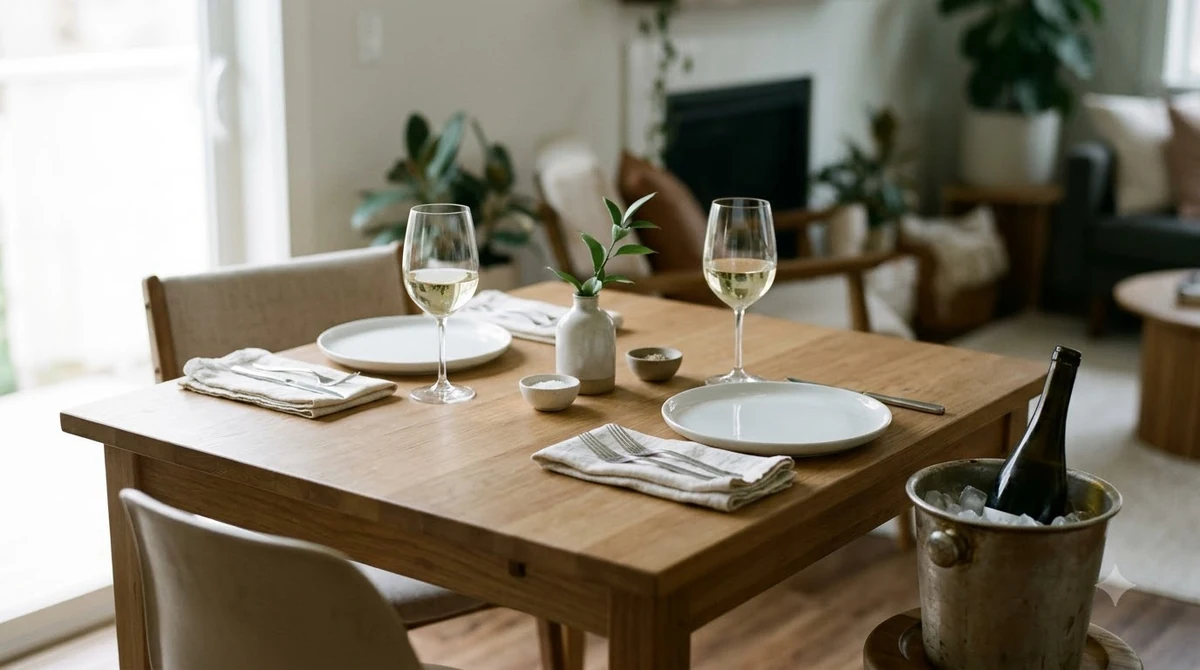
The producer describes a straw-yellow appearance and a clean, intense aroma. These characteristics provide the first clues to the wine’s intended style. Rather than the deeper copper coloration associated with traditional skin-contact Pinot Grigio, Santa Margherita’s modern white-wine approach emphasizes a pale, fresh presentation.
Tasting Table identifies white flowers, apple blossom, citrus, and ripe stone fruit among the wine’s aromatic characteristics. Pear also appears in the SAQ’s tasting description. Together, these aromas create a relatively delicate but recognizable fruit-and-floral profile.
Palate and finish
On the palate, expect dry fruit flavors rather than pronounced sweetness. Green apple and pear provide the familiar orchard-fruit foundation, while melon and citrus add variation. VinePair’s independent review also identifies lemon, apple, and honeydew melon, with mineral-driven acidity contributing to the overall balance.
The acidity gives the wine its refreshing character. It provides enough liveliness to accompany seafood and other lighter foods without turning the wine into an aggressively sharp white. The finish is relatively clean, making it suitable for sipping between bites or enjoying before dinner.
For another perspective on its balance and aromatic profile, read VinePair’s Santa Margherita Pinot Grigio review, which discusses its citrus, apple, melon, and mineral characteristics alongside its relatively restrained complexity.
Understanding the modern Pinot Grigio approach
Pinot Grigio grapes naturally have skins that can produce a pinkish or copper-toned wine when they remain in contact with the juice. Traditional ramato production uses this skin contact to create additional color, texture, and savory character.
Santa Margherita took a different approach with its modern white-wine style. The company explains that its winemaker began using techniques inspired by sparkling wine production in 1961, separating the juice from the skins to preserve delicate fruit and floral aromas.
That production choice helps explain why the wine tastes different from richer or more textured expressions of Pinot Grigio. The result is not intended to deliver substantial tannin or weight. Instead, its character comes from fresh fruit, acidity, and a restrained aromatic profile.
How it compares with other white wine styles
Santa Margherita Pinot Grigio occupies a useful middle ground for people choosing between several familiar white wines.
- Compared with Sauvignon Blanc: Pinot Grigio generally offers a more restrained aromatic profile, while Sauvignon Blanc often has more pronounced citrus, grassy, and herbal characteristics. Both can provide refreshing acidity.
- Compared with Chardonnay: Santa Margherita is lighter and less focused on creamy texture. Chardonnay can be fuller-bodied, particularly when oak aging and malolactic fermentation contribute additional richness.
- Compared with Riesling: Riesling can range from bone-dry to sweet, depending on the producer and style. Santa Margherita’s signature Pinot Grigio is positioned as a dry white wine.
- Compared with other Pinot Grigio: Its modern, fruit-focused style emphasizes delicacy and freshness rather than the copper color and additional texture of ramato wines.
For a more detailed description of its aromas and palate, consult our Santa Margherita Pinot Grigio tasting notes.
Common Mistakes When Buying and Serving This Wine
Most disappointing experiences with Santa Margherita Pinot Grigio come from mismatched expectations or unsuitable serving conditions. Understanding its light-bodied style, freshness, and food compatibility helps prevent common mistakes.
Expecting a sweet wine
One common misconception is that fruity aromas indicate sweetness. Santa Margherita’s apple and pear characteristics are aromatic rather than evidence of a sugary palate. Its dry character is an important part of its identity.
People who want a sweet white wine should consider a different style. Moscato, for example, can offer noticeably sweeter fruit characteristics, while certain Rieslings are made with substantial residual sugar. Santa Margherita is better suited to someone seeking a dry alternative.
Serving it too cold
White wine is often served straight from the refrigerator, but extremely cold temperatures can make delicate aromas harder to detect. Santa Margherita recommends 50–54°F for its US-market bottling.
That range preserves the refreshing impression while allowing the wine’s apple, pear, and floral notes to remain noticeable. A bottle served significantly colder may seem more neutral and less expressive than intended.
Pairing it with overly powerful dishes
Light-bodied wines can struggle alongside intensely seasoned dishes. Very spicy food can make alcohol and tannin seem more pronounced, while strong sauces and heavy preparations can overwhelm delicate fruit aromas.
For example, a heavily smoked meat dish or extremely spicy preparation may not be the most natural partner for this Pinot Grigio. A grilled white fish with lemon, a mild seafood pasta, or fresh cheese offers a more balanced match.
Oily fish can also be challenging with highly tannic red wines, but the lighter tannin profile of this white wine makes it a more natural candidate for many seafood preparations.
Assuming every Santa Margherita bottle is identical
The producer makes more than one wine under the Santa Margherita name. Its signature Pinot Grigio should not be confused with the Alto Adige Pinot Grigio Impronta del Fondatore or its sparkling Pinot Grigio Metodo Classico.
For example, the producer lists the Impronta del Fondatore at 13.5% ABV, compared with 12.5% for its signature bottling. These are different wines with different specifications, so product identification matters when comparing alcohol, flavor, and serving recommendations.
Expecting substantial aging potential
Santa Margherita’s signature Pinot Grigio is designed around freshness. Its indicated 1–2-year aging potential is a practical reminder that prolonged cellaring is unlikely to improve the wine in the way it can benefit certain structured reds or age-worthy white wines.
Buying a bottle for an upcoming occasion is generally more appropriate than purchasing multiple bottles for a decade-long cellar project.
Care, Serving, and Storage Tips
Proper chilling, appropriate glassware, and careful refrigeration help preserve the wine’s delicate aromatic profile. Santa Margherita recommends 50–54°F, and its tulip-shaped glass recommendation provides a useful starting point for serving.
Serving temperature and glassware
Place the bottle in the refrigerator ahead of serving rather than relying on ice-cold storage immediately before pouring. The recommended 50–54°F range is slightly warmer than refrigerator temperature, giving the wine enough warmth to express its fruit and floral aromas.
A medium-sized tulip-shaped glass with a narrowing rim is the producer’s preferred choice. The shape helps concentrate aromas while providing enough space for a gentle swirl. A standard white-wine glass is also a practical alternative.
For individual servings, a typical wine pour is approximately 5 ounces. A standard 750 ml bottle therefore provides about five glasses, making it relatively easy to plan portions for a dinner with several guests.
Unopened bottle storage
Although this wine is intended to be enjoyed relatively young, it still benefits from reasonable storage conditions. Keep unopened bottles away from direct sunlight, heating equipment, and areas with substantial temperature fluctuations.
A cool, dark location near 55°F is a useful general wine-storage target. For bottles with natural cork closures, horizontal storage helps keep the cork in contact with the wine. Avoid storing delicate white wine in a warm kitchen cabinet or near a sunny window.
Because the producer indicates a 1–2-year aging potential, prioritize drinking the wine while its fresh fruit character remains prominent rather than planning extensive cellaring.
After opening
Once opened, reseal the bottle securely and refrigerate it. A standard still white wine generally maintains its best drinking quality for approximately 3–5 days under refrigeration, although freshness gradually declines after opening.
Use a proper wine stopper to reduce exposure to air. Pouring smaller servings and returning the bottle promptly to the refrigerator can also help preserve its character.
Before serving a refrigerated opened bottle again, allow it to approach the recommended serving temperature. The aim is to retain its freshness without suppressing the aromas completely.
For additional information about this producer and other recognizable labels, explore our Wine Brands resource.
Frequently Asked Questions
Is Santa Margherita Pinot Grigio considered a premium wine?
Santa Margherita is widely recognized as an established Italian Pinot Grigio brand in the American market. Its reputation is closely associated with popularizing a modern, dry, pale-colored style of Pinot Grigio. Whether it represents good value depends on the individual buyer’s priorities and the alternatives available locally.
Is Santa Margherita Pinot Grigio vegan-friendly?
Wine production can involve fining agents derived from animal or plant sources. The producer’s FAQ explains that processing aids can affect whether a wine qualifies as vegan. Anyone requiring a formal vegan certification should verify the specific bottle’s certification rather than relying on the grape variety alone.
Does Santa Margherita Pinot Grigio contain oak flavors?
The signature wine is produced to emphasize fresh fruit rather than oak-derived flavors. Its production information describes controlled fermentation and storage in temperature-controlled tanks. This helps explain its relatively clean and delicate character.
Can Santa Margherita Pinot Grigio be used in wine cocktails?
Yes. Its dry character and light body make it suitable for simple white-wine spritzes and fruit-forward wine cocktails. Combine a chilled serving with sparkling water and a citrus garnish for a straightforward aperitif, keeping additional sweeteners modest so the wine’s fresh character remains recognizable.
Does Santa Margherita make a sparkling Pinot Grigio?
Yes. Santa Margherita also produces Pinot Grigio Metodo Classico Alto Adige DOC. Unlike the signature still white wine, this expression undergoes a second fermentation in the bottle and has a Brut sparkling-wine style. Its production and serving specifications differ from those of the standard still Pinot Grigio.
Santa Margherita Pinot Grigio is a dependable choice for drinkers who appreciate dry, light-bodied Italian white wine with refreshing acidity and delicate orchard-fruit aromas. Its greatest strengths are versatility, approachable flavor, and a production style designed to preserve freshness. Choose it for seafood, fresh cheeses, lighter meals, or an uncomplicated aperitif, and serve it properly chilled to enjoy its distinctive character.
More in Wine Brands
 Underwood Wine Price: Compare Bottles, Cans, and Pack SizesUpdated Nov 21, 2026
 Zenato Wine Price: Compare Styles and Choose the Right BottleUpdated Nov 21, 2026
 Zuccardi Wine Price: Compare Bottles and Find the Right RangeUpdated Nov 21, 2026
 Yellow Tail Moscato Review: Taste, Sweetness and Serving TipsUpdated Nov 21, 2026
 Wolf Blass Yellow Label Review: Choose Your Best StyleUpdated Nov 21, 2026
 Wolffer Estate Rose Review: Choose the Right Bottle for Your TableUpdated Nov 21, 2026