

We may earn a commission when you buy through links on this page, at no extra cost to you. Learn more.
The Santa Fe Wine Festival is a July tasting event at El Rancho de Las Golondrinas where visitors can sample New Mexico wines, meet local producers, eat from food vendors, and explore a living-history museum. The organizer lists the festival for July 4 and 5, from noon to 6 p.m., at 334 Los Pinos Road in Santa Fe. A little planning helps you taste widely without rushing, protect the wines you buy, and leave room for music, crafts, and the museum grounds.
The best approach is to treat the event as both a wine tasting and a regional culture day. Start with a small map of your priorities, drink water between samples, and use the festival’s New Mexico focus to compare sparkling, white, rosé, red, and sweet styles rather than chasing the biggest pour.
What the Santa Fe Wine Festival Offers
The festival combines 17 New Mexico-based wineries with food, crafts, music, dance, and demonstrations across a historic property. That mix makes it useful for both serious tasters and companions who want more than a row of tasting tables.
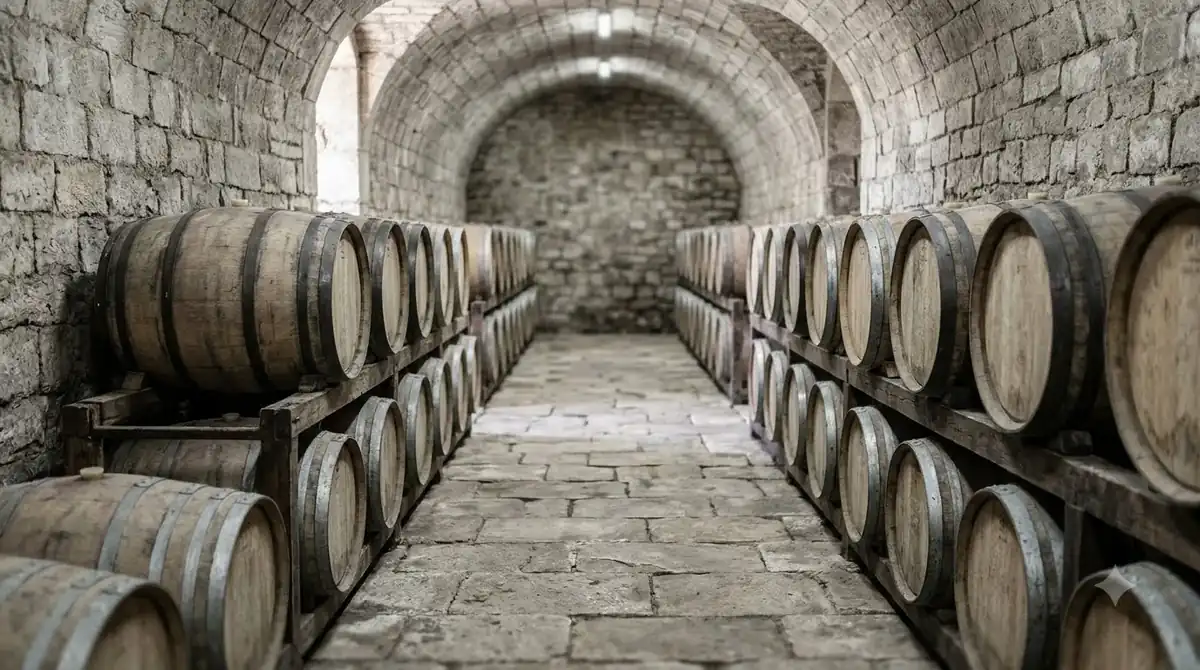
El Rancho de Las Golondrinas is not a convention hall. The organizer describes a 500-acre ranch with 34 historical buildings, so the setting gives the tasting a sense of place and adds walking between wine stops. Living-history demonstrations, artisan booths, and music can fill the pauses between flights. The event page names Christina Gomez Y Los Cuates, the National Institute of Flamenco, Zile Kenep, Theo Kutsko, and the Cali Shaw Band among the entertainment listings, although schedules can change.
Food trucks and food vendors provide a practical reason to pause before the next wine. Look for a simple order that gives you protein, starch, or fat before returning to a tannic red. Salt and fat can soften tannin, while a sweet dessert usually needs a wine at least as sweet as the dessert. Those principles matter more than choosing a famous label.
When and Where to Go
The standard plan is July 4 and 5 at El Rancho de Las Golondrinas, 334 Los Pinos Road, Santa Fe, New Mexico 87507. The festival organizer lists noon to 6 p.m. hours, so confirm the current gate schedule and ticket instructions before leaving for the museum.
Arrive early enough to handle parking, identification, and entry before your preferred winery tables become crowded. A valid government-issued ID with a date of birth is required to taste or buy alcohol, and minors need to be accompanied by a legal-age parent or guardian under the venue rules. Bring a physical ID rather than assuming a photo will be accepted.
The gate is cashless. Credit and debit cards, Apple Pay, and Google Pay are accepted for admission, while wine sellers may have their own payment procedures. Bottles purchased at the festival may not be opened on the museum grounds, so plan to carry them home rather than treating them as an immediate picnic purchase. The venue also prohibits pets except ADA-approved assistance animals and does not allow outside alcohol.
How to Taste the New Mexico Lineup
The organizer lists Ponderosa Valley Winery, D.H. Lescombes Winery, Gruet Winery, El Alamo Winery, Black Range Vineyards, Jaramillo Winery, Black Mesa Winery, Black Smuggler Winery, Vinos Unidos, Sheehan Winery, Shattuck Vineyard, Noisy Water Winery, La Esperanza Vineyards, Luna Rossa Winery, Chavez Brothers, Las Nueve Niñas Winery, and Embudo Valley Vineyards. That is enough range to reward a planned sequence.
Begin with sparkling or lighter whites, move to rosé, then fuller whites and lighter reds, and finish with full reds or sweet pours. Prosecco is made from Glera by the tank method and commonly sits around 11 to 12 percent ABV, but the New Mexico tables may include other sparkling methods and grapes. Traditional-method sparkling wine receives its second fermentation in the bottle, which can produce a different texture and bread-like character.
| Style | Useful serving range | What to notice | Good pause or pairing |
|---|---|---|---|
| Sparkling | 40–50°F | Acid, bubbles, citrus | Salty snacks or fried food |
| Light white or rosé | 45–50°F | Freshness and fruit | Goat cheese or green chile |
| Full white | 50–55°F | Body and oak if present | Roasted poultry or creamy dishes |
| Light red | 55–60°F | Acidity and delicate tannin | Herbs, mushrooms, or grilled vegetables |
| Full red | 60–65°F | Tannin, alcohol, dark fruit | Beef, lamb, or smoky foods |
| Sweet white | 43–50°F | Sweetness balanced by acid | Fruit dessert or blue cheese |
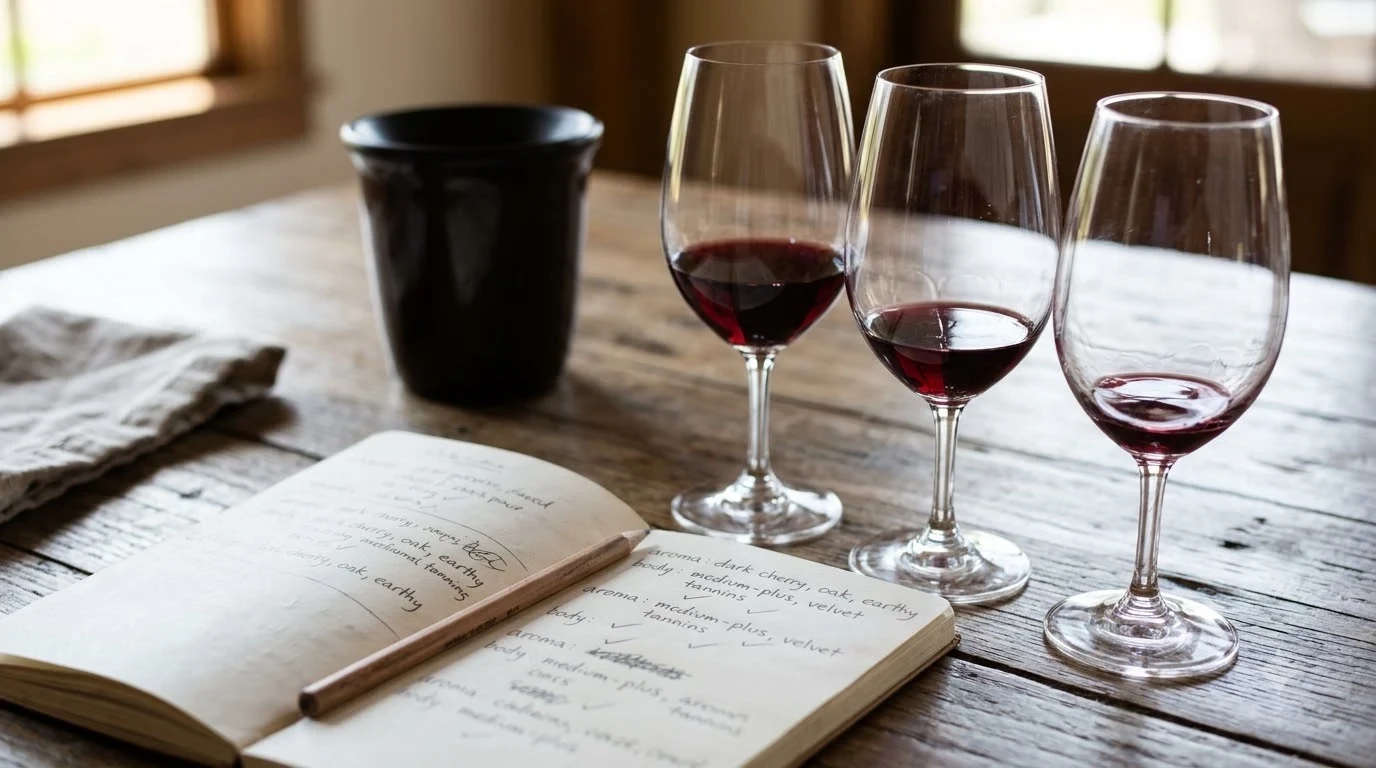
Use a small notebook or phone note with three fields: producer, grape or blend, and one sensory impression. A five-ounce pour is a standard serving, and a 750-milliliter bottle holds about five such glasses. At a festival, smaller tastes still accumulate, so the note is a useful brake as well as a memory aid.
Tip: Choose three anchor pours before you arrive: one sparkling or white, one red, and one style you do not usually order. Drink water after each pair of samples, eat before the final third of your visit, and stop tasting when your notes become vague.
New Mexico Wine Beyond the Festival
New Mexico gives the festival a strong regional identity. Tourism Santa Fe traces grape growing along the Rio Grande to 1629 and notes that Mission grapes are still grown in the state. Its overview of Santa Fe wine country also shows how close tasting rooms and day-trip producers are to the city. The New Mexico Wine Growers Association likewise presents the state as a wine culture with nearly four centuries of history and a network of 50 wineries.
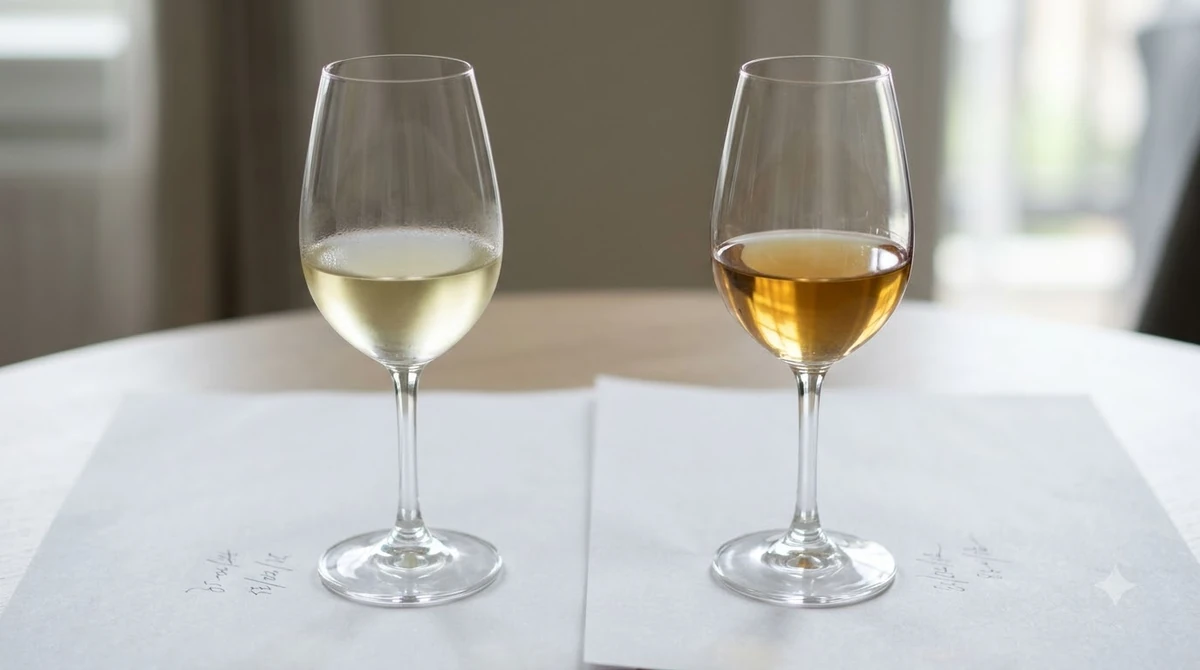
The modern scene covers several distinct experiences. Tourism Santa Fe highlights Gruet’s sparkling wines, D.H. Lescombes family wines, Spanish varieties at VARA, and tasting rooms in and around the city. For a day trip, the same guide describes Vivác Winery in Dixon at 6,000 feet, Embudo Valley Vineyards along the Rio Grande, and Las Nueve Niñas Winery in Mora at 7,600 feet.
That range explains why one festival table can taste unlike another even when both wines are dry. Elevation, arid conditions, river valleys, soil, grape choice, and cellar decisions all shape the result. The state tourism office also points to traditional-method sparkling wine, dry wines from Mesilla, and richer French-American hybrid grapes from Portales. Ask the pourer where the grapes grew and what style they intended before forming a broad opinion about New Mexico wine.
Food Pairings for Heat, Salt, and Smoke
Santa Fe food often brings chile, herbs, smoke, salt, and fat into the same bite. High-acid Sauvignon Blanc or Riesling can refresh salty or spicy dishes, while a medium-acid Chardonnay may suit roasted poultry and richer sauces. Rosé is a flexible bridge for picnic foods because its acidity can handle vinaigrette and its fruit can meet grilled meat without the weight of a full red.
Chili heat is amplified by alcohol and tannin, so a very high-alcohol Cabernet Sauvignon or young Syrah can make a hot chile dish feel hotter. If the plate has serious spice, try a lower-alcohol white, a crisp rosé, or a slightly sweet wine. The wine should not be drier than a dessert; a dry red beside a sweet pastry will taste harder and more bitter.
Tannin behaves differently with protein and fat. Cabernet Sauvignon is typically high in tannin, Merlot is medium and softer, Pinot Noir is low to medium in tannin with high acidity, and Syrah is medium-plus to high in tannin. Those patterns make a structured red better with grilled beef than with oily fish, whose texture can clash with tannic reds. For fish, choose a bright white or rosé unless the preparation is unusually firm and smoky.
A Practical Day-of Route
Give the visit three passes. On the first pass, scan the winery list and taste one sparkling or white, one rosé, and one lighter red. On the second, revisit two producers that stood out and compare grapes or styles. On the third, choose one bottle or final glass only after food, water, and a quiet look at your notes.
Wear comfortable shoes because the property spreads across a large ranch rather than a compact tasting room. Carry a hat, sunscreen, and a water bottle if venue rules permit one, and plan shade breaks during the afternoon. A 6 p.m. close leaves a limited window, so do not spend the first hour in one conversation if your goal is to sample several producers.
The VIP option is designed for visitors who want more comfort and access. The official event page lists an air-conditioned furnished lounge, private tastings, all-day appetizers, bag storage, Wi-Fi, a private entry, and a shaded patio. General admission makes sense for a flexible museum-and-music day; VIP may make more sense for visitors who value cooling space, quieter pours, or carrying purchases without holding them all afternoon.
For a bottle you take home, keep it out of a hot car. Store still wine on its side in a cool place near 55°F, especially if it has a natural cork. Once opened, sparkling wine is usually best within one to three days, still wine within three to five days, and fortified wine over several weeks. If the bottle is young and full-bodied, a 30- to 60-minute decant can soften its first impression.
Which Santa Fe Wine Event Fits Your Trip?
The July festival at Las Golondrinas is a compact New Mexico winery showcase with museum grounds, crafts, food trucks, and live entertainment. It is a good fit for someone who wants regional producers in a daytime outdoor setting and does not need a long restaurant itinerary.
Santa Fe Wine & Chile Fiesta is a different event. Its official organization describes a multi-day program built around Santa Fe restaurants and winery partners, with tastings, dinners, educational events, and other gatherings. The organizer reports 75 restaurants and 80 winery partners, while the Las Golondrinas festival lists 17 New Mexico-based wineries. Choose the July event for local winery breadth in one venue; choose Wine & Chile Fiesta for restaurant-led programming across several days.
There is no need to treat one as a substitute for the other. A visitor interested in the state’s wine geography can use the July event as a first orientation, then visit a Santa Fe tasting room or plan a northern New Mexico day trip. The Wine Regions guide can help organize that broader itinerary, while the festival itself supplies a concentrated introduction. Visitors comparing regional calendars can also browse a colorado wine festival, a yadkin valley wine festival, or an arizona wine festival for a different tasting landscape.
Frequently Asked Questions
Is the Santa Fe Wine Festival held at the Santa Fe Plaza?
No. The festival is held at El Rancho de Las Golondrinas, a living-history museum at 334 Los Pinos Road. The property is outside the compact Plaza area, so build driving and parking time into the plan rather than walking over from downtown.
Can a guest under 21 enter the festival?
The venue describes the event as family friendly and offers activities for children. However, only guests at least 21 years old with valid identification may taste or buy alcohol, and minors must be with a legal-age parent or guardian.
Which local wine style is best for a first sample?
Start with a bright white, rosé, or sparkling wine because those styles show acidity clearly and are easier to compare early in a tasting. Then try a red made from a grape you recognize, such as Cabernet Sauvignon or Pinot Noir, before exploring blends.
Can visitors open a bottle purchased at the festival?
No. The event rules say wine purchased at the festival may not be opened on the museum grounds. Take the bottle home and chill or store it properly before opening.
What is one nearby wine stop after the festival?
Tourism Santa Fe highlights several tasting rooms in and around the city, including Gruet’s Santa Fe tasting room and Hervé Wine Bar. Hours, reservations, and available wines can vary, so contact the venue before adding a stop after the festival.
The Santa Fe Wine Festival works best as a paced afternoon rather than a race through every table. Bring valid identification, use the local lineup as your guide, eat between flights, and leave time to see the historic grounds.
Whether you favor crisp white wine, traditional-method sparkling, soft Pinot Noir, or a structured red with grilled food, the event offers a practical introduction to New Mexico’s varied wine culture.
More in Wine Regions
 Willcox Wine Trail: Discover Arizona’s High-Elevation Wine CountryUpdated Nov 20, 2026
 Yakima Valley Wine Region: Find the Best Styles to TryUpdated Nov 20, 2026
 Vosne Romanee Wine Tasting: Identify Aromas and Choose Better PairingsUpdated Nov 20, 2026
 Yakima Valley Wine Festival: Find the Best Seasonal Wine EventsUpdated Nov 20, 2026
 Wales Vineyards: Discover Cool-Climate Wines and Where to VisitUpdated Nov 20, 2026
 Yountville Wine Festival: Discover Napa Wines and Local FoodUpdated Nov 20, 2026