

We may earn a commission when you buy through links on this page, at no extra cost to you. Learn more.
Sandhi wine is made by a Santa Barbara County collaboration known for Burgundy-style Chardonnay and Pinot Noir from the Sta. Rita Hills. The project was founded by Rajat Parr and Charles Banks, with winemaker Sashi Moorman, and its name is a Sanskrit word meaning alliance or collaboration. The wines focus on single vineyards and a light hand in the cellar.
This guide explains what Sandhi makes, how its founders approach winemaking, and which vineyards supply its bottlings. It also covers how the lineup is organized, what reviewers say about the wines, and how to think about buying them.
What Is Sandhi Wine?
Sandhi wine is a small California producer that works mainly with two grapes, Chardonnay and Pinot Noir. Its focus is on fruit from select sites in Santa Barbara County, especially the cool Sta. Rita Hills appellation near the coast. The name reflects the growers who supply the fruit, since the team sees the quality of the wine as a result of their work.
Most of the bottlings are labeled by vineyard or by region, so the label tells you where the grapes came from. Some wines are blended across several Santa Barbara County sites, while others come from one named vineyard. That structure makes Sandhi a useful brand for learning how place affects a bottle.
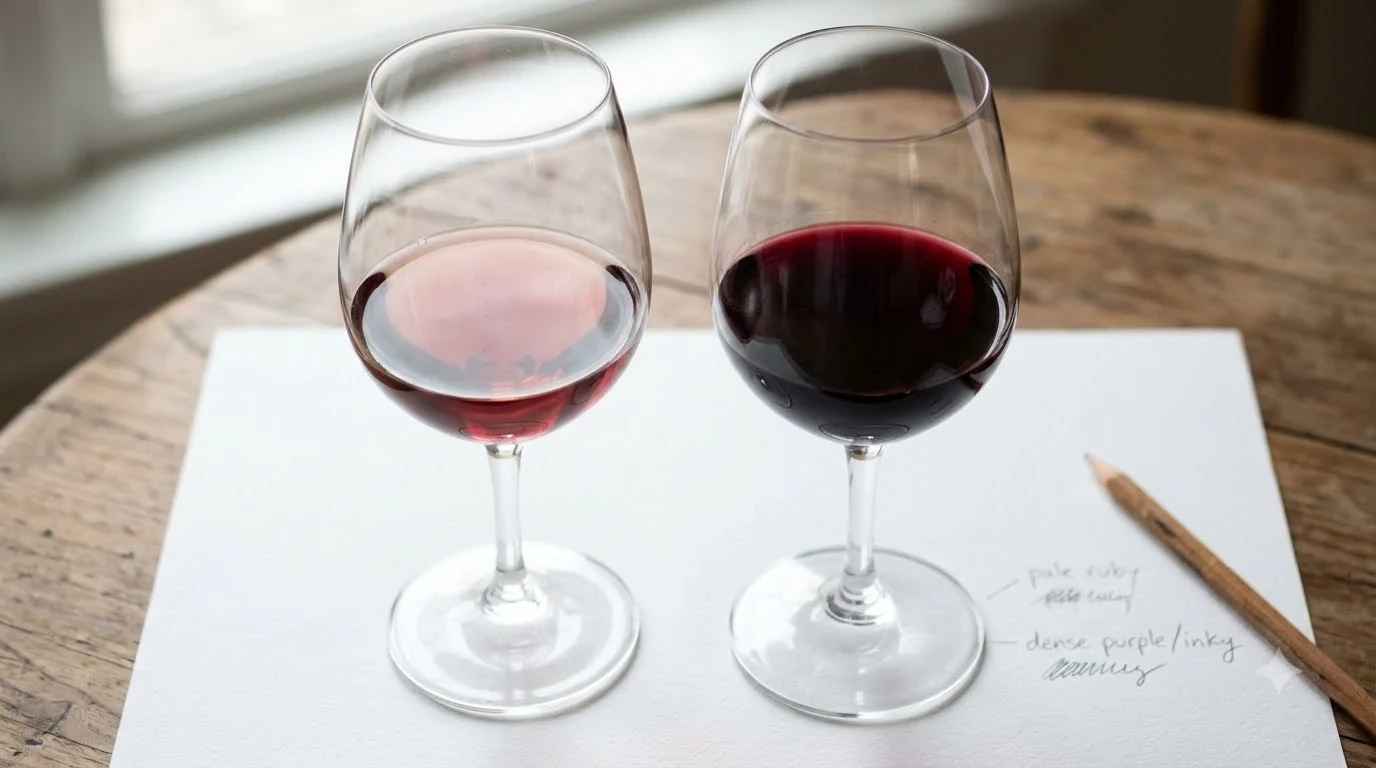
If you are new to the producer, think of it as a house built around site. Chardonnay tends to show bright acidity and mineral character, while the Pinot Noir leans toward fresh red cherry and a textured, savory edge. Both styles reward slow, attentive drinking.
Who Founded Sandhi and Its Winemaking Philosophy
Sandhi was founded by a collaboration that includes sommelier-turned-winemaker Rajat Parr, vineyard collector Charles Banks, and winemaker Sashi Moorman. Each brings a different strength, from wine service and palate experience to long-term vineyard relationships. The partnership shapes how the wines are sourced and made.
The house approach is to add as little as possible. According to the review site Wine Anorak’s profile of the producer, Parr avoids sulfur dioxide during aging and uses it only at bottling. That reviewer also notes that the winery does not describe its wines as natural, even though they fit many of the natural wine ideas in practice.
For Pinot Noir, the team uses a high proportion of stems in some bottlings. Reviewers describe the stems as adding structure and framing to the sweet fruit. The result is a wine that feels fresh and ripe without being heavy, which is the balance the producer seems to aim for across its lineup.
Sta. Rita Hills Vineyards Behind Sandhi
The vineyards are the foundation of the brand. Sandhi’s own vineyard page says its single-vineyard wines come from a narrow stretch of the Sta. Rita Hills, mostly south of Santa Rosa Road. That road is central to the region’s story, and the producer’s first vineyard sites were along it.
The best-known site is Sanford & Benedict, planted in 1971 with a mix of grape varieties before Burgundian grapes proved the most successful. According to Sandhi, the producer brought its winemaking to the Sta. Rita Hills nearly 20 years ago through this vineyard. Its north-facing slope and ancient seabed soils give the wines a fresh, saline character that the producer describes as briny and lemony.
Other sites add variety. Rinconada was planted in 1997 close to Sanford & Benedict, but its heavier clay soils and tighter vine spacing produce a denser style. Romance is described as the only estate parcel, farmed in cold, windy conditions close to the ocean, which keeps yields low. The William Hines vineyards, planted in 2017 with help from Sashi Moorman, add more sites on the north side of the region. For a closer look at the producer’s own description, read the Sandhi vineyard page.
Sandhi Wine Lineup: Chardonnay and Pinot Noir
The lineup splits into Chardonnay bottlings from Santa Barbara County and Sta. Rita Hills sites, plus Pinot Noir from several vineyards and vintages. Vintage matters, so check the release year on the label. The table below groups the main bottlings by what reviewers tend to say about them.
| Bottling | Where it comes from | Character reviewers mention |
|---|---|---|
| Santa Barbara County Chardonnay | Blend across several county sites | Lively acidity, lemon and pear fruit |
| Sanford & Benedict Chardonnay | Historic 1971 vineyard | Briny, lemon curd, nutty complexity, needs time |
| Rita’s Crown Chardonnay | Sta. Rita Hills sites | Pure, bright, lemony, with a mineral edge |
| Bentrock Chardonnay | North-facing silex soils | Pear, white peach, linear and precise |
| Romance Chardonnay | Estate parcel near the coast | Taut structure, low yields, deep flavor |
| Sanford & Benedict Pinot Noir | Historic Sta. Rita Hills vineyard | Spicy, grainy, cherry and herb notes |
| Rinconada Pinot Noir | Dense clay and silex site | Sweet cherry, raspberry, structured |
| Amrita Wenzlau Pinot Noir | Whole-cluster style | Bright red cherry, supple and lively |
Chardonnay is the more famous side of the brand, and reviewers often praise its acidity and precision. Pinot Noir shows a softer, more fruit-forward personality with spice and freshness. Because each bottling reflects its site, the same grape can taste quite different from one label to another.
Sandhi Wine Tasting Notes and Food Pairings
Sandhi Chardonnay usually tastes bright and focused, with citrus, pear and a stony or mineral thread. Older vintages can show nutty or toasty notes, while younger ones lean crisp. Pinot Noir tends toward red cherry, herbs and a savory spice, with a supple texture on the palate.
For Chardonnay, try roast chicken, seared scallops, grilled white fish or a simple dish with lemon and herbs. The wine’s acidity handles creamy sauces and richer proteins well. For Pinot Noir, salmon, mushroom dishes, roast duck and lighter tomato-based meals are classic matches that suit its fresh red fruit.
Buying is straightforward but takes some care. Sandhi bottlings are sold through wine shops, restaurants and online merchants, and availability changes by vintage and region. Prices vary by retailer and vintage, so compare current listings directly. The producer’s visit page lists tasting options at the estate, including guided experiences and a tasting counter, and it notes that bookings are made online. Check that page for current details before you plan a visit.
Tip: Ask your retailer which vintage they carry and whether it is a single-vineyard bottling. Those details shape the flavor more than the grape name alone.
How Sandhi Compares to Other Wine Brands
Sandhi is narrower than many large California brands. Instead of covering many styles, it focuses on two grapes and a limited set of sites. That makes it closer to a small estate project than a national label, which is why many drinkers compare it with Burgundy-inspired producers rather than mass-market Chardonnay.
Compared with a mainstream oaky Chardonnay, Sandhi tends to feel leaner and more mineral. Compared with a bright, fruity Pinot from a warmer site, it can feel more savory and structured. If you want broader context on how brands are grouped, browse the wine brand guides on this site. For a different style to compare against, the Avaline white wine profile shows how a lighter, approachable white differs from a site-driven Chardonnay, and the Ariel wine page covers another brand with a distinct identity.
Sandhi suits drinkers who enjoy learning about vineyards and winemaking choices. It may be less appealing if you want a consistent, heavily oaked style every year. Reading about the producer before you buy helps you decide whether its approach matches your taste.
Frequently Asked Questions
Who makes Sandhi wine?
Sandhi is a collaboration founded by Rajat Parr and Charles Banks, with winemaker Sashi Moorman. The team works with Santa Barbara County vineyards, especially in the Sta. Rita Hills, and focuses on Chardonnay and Pinot Noir.
What grapes does Sandhi make?
The main focus is Chardonnay and Pinot Noir. Bottlings are labeled by vineyard or region, so the label shows which site the grapes came from. Check the release year on each bottle, since vintages differ.
What does Sandhi Chardonnay taste like?
Reviewers often describe Sandhi Chardonnay as bright and precise, with lemon, pear and a mineral edge. Older bottlings can show nutty or toasty notes. The style is generally leaner than many oaky California Chardonnays.
Is Sandhi wine worth visiting the estate for?
Many visitors enjoy the estate tasting experiences, which focus on the winery’s philosophy and the Sta. Rita Hills. Tasting options and reservations change over time, so check the producer’s visit page before you plan. Always drink responsibly and arrange a ride if you are tasting.
Sandhi wine rewards readers who want to understand how site and restraint shape a bottle. Start with a Chardonnay or Pinot Noir from a named vineyard, then compare a second vintage. You will learn more about the Sta. Rita Hills from that side-by-side than from any single label.
More in Wine Brands
 Underwood Wine Price: Compare Bottles, Cans, and Pack SizesUpdated Nov 21, 2026
 Zenato Wine Price: Compare Styles and Choose the Right BottleUpdated Nov 21, 2026
 Zuccardi Wine Price: Compare Bottles and Find the Right RangeUpdated Nov 21, 2026
 Yellow Tail Moscato Review: Taste, Sweetness and Serving TipsUpdated Nov 21, 2026
 Wolf Blass Yellow Label Review: Choose Your Best StyleUpdated Nov 21, 2026
 Wolffer Estate Rose Review: Choose the Right Bottle for Your TableUpdated Nov 21, 2026