

We may earn a commission when you buy through links on this page, at no extra cost to you. Learn more.
Sagrantino food pairing works best with rich, fatty, and umami-driven dishes like braised beef, roasted lamb, wild boar ragu, pork sausages, and aged cheeses that soften the wine’s intense tannins. Because Sagrantino carries some of the highest tannin and polyphenol levels of any red grape, lean meats or delicate flavors can make the wine taste aggressively dry and astringent. Pairing it with marbled proteins, creamy sauces, or earthy mushrooms creates a balanced interaction where fats coat the palate and let the wine’s dark fruit and savory spice come forward.
Native to the rolling hills around Montefalco in central Italy’s Umbria region, Sagrantino produces full-bodied reds with unmistakable grip and structure. Understanding how its bold tannins, fresh acidity, and concentrated dark fruit behave at the dinner table makes choosing the right meal straightforward, whether you are opening a dry DOCG bottle or a sweet passito.
What Is Sagrantino?
Sagrantino is a rare, thick-skinned red wine grape indigenous to the Umbria region of central Italy, prized for producing deeply colored, full-bodied wines with monumental tannic structure. According to Wine Folly, the grape contains some of the highest polyphenol and antioxidant concentrations found in any red wine variety, which directly explains its signature palate-gripping astringency.
For centuries, local monks and farmers produced Sagrantino primarily as a sweet sacramental and celebratory wine made from air-dried grapes. Serious dry winemaking only took off in the late twentieth century, culminating in the elevation of Montefalco Sagrantino to DOCG status in the early 1990s. Today, dry versions dominate production, though traditional sweet styles remain an important part of Umbrian wine culture.
In the vineyard, Sagrantino is a late-ripening, vigorous variety with small berries, large seeds, and tough skins. Those physical traits give winemakers intense color extraction and structural longevity, allowing top bottles to age gracefully in the cellar for decades while slowly softening their youthful bite.
Flavor Profile and Styles
Dry Sagrantino delivers an intense combination of dark fruit, dried herbs, and savory earthiness backed by high alcohol, brisk acidity, and firm, grainy tannins. Reviewers at Wine Enthusiast frequently highlight aromas and flavors of spiced plum, dried black cherry, blackberry, underbrush, licorice, tobacco, and pressed violet.
Alongside the core fruit, Sagrantino often shows distinctive savory notes of black tea, black olive, black pepper, and a subtle resinous quality reminiscent of pine or wild Mediterranean herbs. This sweet-and-savory tension makes the wine feel both opulent and rustic at the same time, especially when aged in oak barrels as required by local appellation rules.
Beyond dry 100 percent varietal bottlings, you will encounter two other important expressions from the same territory. Montefalco Rosso blends predominantly Sangiovese with a smaller portion of Sagrantino—typically around 10 to 15 percent—to create a brighter, more approachable everyday table red. At the opposite end of the spectrum, Montefalco Sagrantino Passito is crafted from grapes dried on mats for at least two months, yielding a sweet, concentrated dessert wine whose lingering tannins keep it from tasting cloying.
Where It Grows
The spiritual and commercial home of Sagrantino is the commune of Montefalco and its surrounding hillsides in Umbria, often called the Green Heart of Italy. Umbria is a landlocked central Italian region bordered by Tuscany, Marche, and Lazio, where limestone and clay soils combine with warm days and cool nights to help late-ripening Sagrantino reach full phenolic maturity.
Total plantings remain tiny compared to famous neighboring regions, covering only a few hundred acres concentrated around Montefalco and nearby villages such as Bevagna, Gualdo Cattaneo, Castel Ritaldi, and Giano dell’Umbria. Under Montefalco Sagrantino DOCG regulations, dry wines must be made from 100 percent Sagrantino and aged for a mandatory minimum period of over two years, including at least 12 months in wood, before release.
Outside central Italy, a handful of adventurous winemakers in Australia—particularly in McLaren Vale—and California’s Central Coast have planted small parcels of Sagrantino. While these New World bottlings show slightly riper fruit profiles, they retain the grape’s hallmark chewy tannins and savory spice.
How to Serve Sagrantino
Proper temperature and generous aeration are essential for taming Sagrantino’s massive tannins before the first pour. Serve dry Sagrantino between 60 and 68 degrees Fahrenheit (15 to 20 degrees Celsius) in a large, oversized Bordeaux-style red wine glass that allows concentrated aromas of dark fruit, spice, and earth to unfold.
Because young and mid-aged bottles pack tightly knit tannins, decanting for at least one to two hours before dinner makes a dramatic difference. Exposure to oxygen softens the wine’s astringent edge, integrates its high alcohol—often around 14.5 percent ABV—and brings forward subtle floral and herbal nuances that stay locked up straight out of the bottle.
Tip: If you are opening a bottle under ten years old on a weeknight, pour it into a wide-bottomed decanter right when you start prepping dinner so it gets plenty of air before the food hits the table.
If you are pouring Montefalco Sagrantino Passito at the end of a meal, chill it slightly below room temperature, around 55 to 60 degrees Fahrenheit, and use smaller dessert wine glasses to focus its dried fruit and cocoa aromas.
Best Food Pairings for Sagrantino
Successful Sagrantino food pairing relies on matching the wine’s towering tannic grip with dishes rich in fat, protein, salt, and earthy umami. When fats and proteins bind with tannins on your tongue, the harsh dryness melts away, leaving behind lush berry fruit and warming spice—a principle that also applies when exploring blaufrankisch food pairing or carignan food pairing with hearty meals.
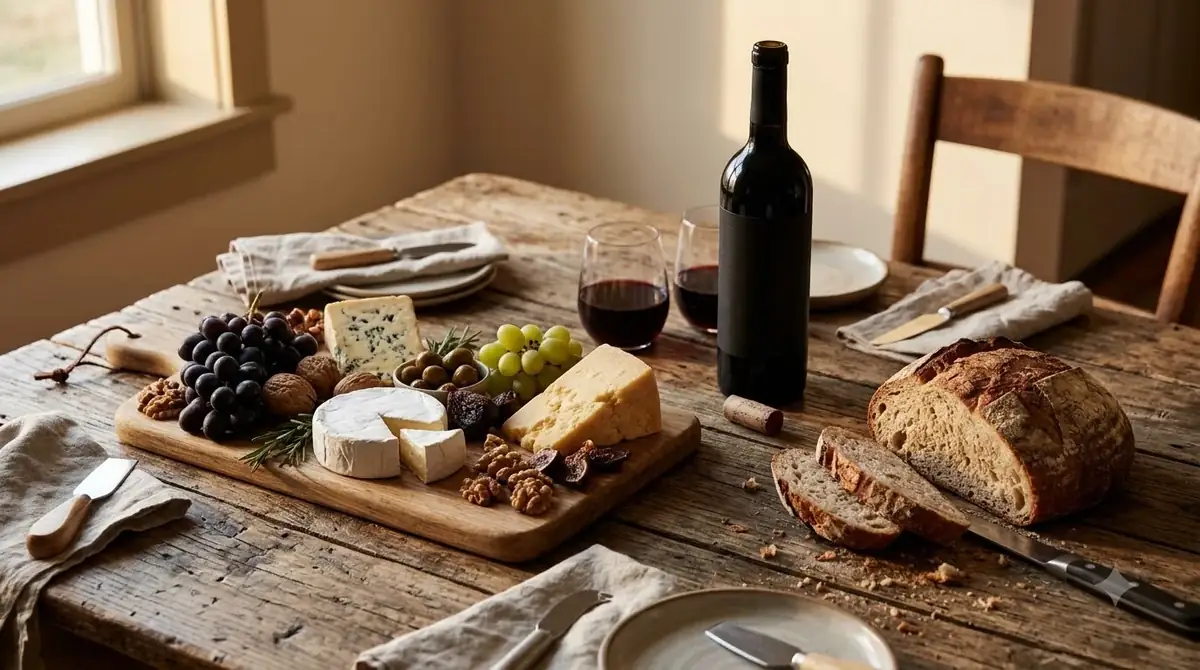
In Umbria, local cooks instinctively pair Sagrantino with slow-cooked meats, game, and dishes shaved with black truffles. Braised beef short ribs, roasted leg of lamb with rosemary, wild boar ragu over pappardelle, and grilled Italian pork sausages all have the lipid richness required to absorb the wine’s astringency. Creamy mushroom sauces, porcini risotto, and dishes seasoned with black pepper or sage mirror Sagrantino’s savory underbrush notes.
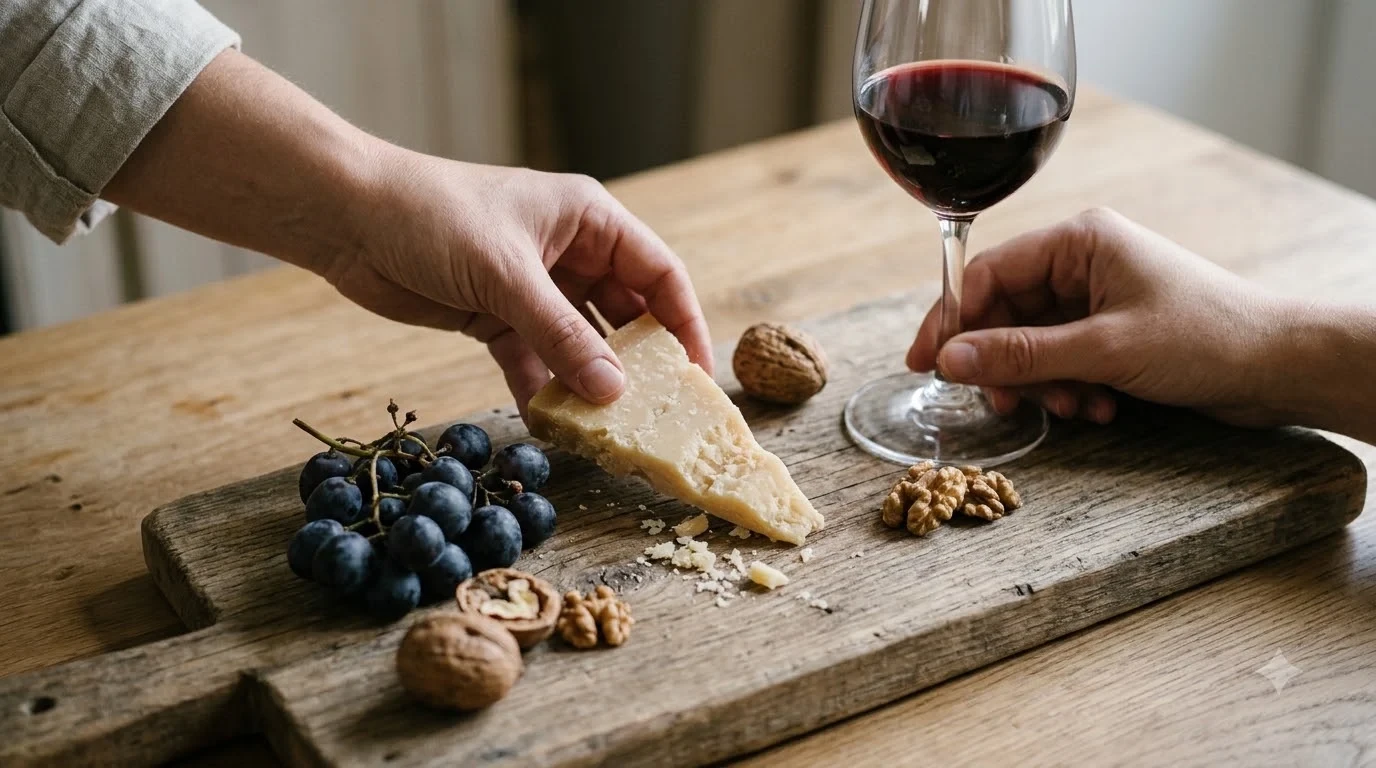
Hard, aged cheeses also excel alongside both dry Sagrantino and sweet Passito. Aged Pecorino, Parmigiano-Reggiano, and sharp sheep’s milk cheeses bring salt and butterfat that smooth out every rough corner on the palate. According to Wine Enthusiast, seasoned cheeses are a classic regional match for Montefalco Sagrantino Passito, while dark chocolate tarts and biscotti also pair effortlessly with the sweet style.
| Dish Category | Specific Pairing Ideas | Why It Works |
|---|---|---|
| Braised & Roasted Meats | Braised beef short ribs, slow-roasted lamb shoulder, porchetta | Rendered animal fats and gelatin coat the palate and neutralize high tannins. |
| Game & Rich Poultry | Wild boar ragu, roasted duck breast, pheasant with juniper | Gamey, savory flavors echo Sagrantino’s earthy underbrush and spice notes. |
| Pasta & Earthy Vegetables | Pappardelle alla Norcina (sausage and cream), porcini mushroom risotto, black truffle pasta | Cream, pork fat, and mushroom umami soften astringency while amplifying dark fruit. |
| Aged Cheeses | Aged Pecorino, Parmigiano-Reggiano, aged Gouda | High protein, salt, and butterfat create a creamy counterpoint to firm grip. |
| Passito Dessert Matches | 70 percent dark chocolate tart, toasted almond cantucci, blue cheese | Sweet dried-grape concentration balances bitter cocoa and salty, pungent cheese. |
Conversely, steer clear of delicate white fish, lightly dressed green salads, and fiery chili heat. Lean proteins lack the fat needed to buffer Sagrantino’s tannins, while spicy capsaicin amplifies the sensation of alcohol and bitterness.
How to Choose a Bottle
Selecting the right bottle of Sagrantino comes down to matching the wine’s style and age to your menu and decanting timeline. If you are browsing a wine shop’s Italian section—or comparing bold reds across different Wine by Type categories—pay close attention to the appellation wording on the label.
Look for “Montefalco Sagrantino DOCG” when you want a 100 percent Sagrantino powerhouse meant for rich roasts, braised meats, or cellar aging. Bottles with five to ten years of bottle age will show softer, more velvety tannins and complex notes of leather, dried cherry, and tobacco, requiring less aggressive decanting than current-release vintages.
If your meal features lighter tomato-based pasta, grilled chicken, or cured meats, reach for a bottle labeled “Montefalco Rosso DOC” instead. Because Sangiovese makes up the majority of the blend, Montefalco Rosso offers brighter red cherry acidity and gentler tannins while still giving you a distinct taste of Sagrantino’s savory Umbrian character.
Frequently Asked Questions
Why does Sagrantino feel so dry in my mouth?
Sagrantino has thick grape skins and large seeds packed with exceptionally high levels of polyphenols and tannins. When you sip the wine, those tannins bind to proteins in your saliva, creating a firm, drying, and slightly astringent sensation across your gums and tongue.
Can you pair Sagrantino with vegetarian dishes?
Yes, as long as the vegetarian dish features rich fats, earthy umami, or hearty textures rather than light greens. Creamy porcini mushroom pasta, truffle risotto, roasted eggplant with aged Pecorino, and rich lentil stews cooked with olive oil all provide enough weight to balance the wine’s tannins.
How long should I decant Sagrantino before serving?
Plan to decant a young or mid-aged Montefalco Sagrantino for at least one to two hours before drinking. Aerating the wine allows harsh tannins to polymerize and soften while opening up layered aromas of dark berries, dried herbs, and baking spice.
What is the difference between Montefalco Sagrantino and Montefalco Rosso?
Montefalco Sagrantino DOCG is made from 100 percent Sagrantino grapes and undergoes longer mandatory aging, resulting in a massive, intensely tannic red. Montefalco Rosso DOC is a Sangiovese-dominant blend containing only a small percentage of Sagrantino, making it lighter, brighter, and easier to pair with everyday meals.
Sagrantino rewards anyone willing to give it a little air and a hearty plate of food. By pairing this Umbrian classic with rich meats, earthy mushrooms, or aged cheeses, you turn one of Italy’s most muscular red wines into an unforgettable centerpiece at the table.
More in Wine Types & Grapes
 Zinfandel Sugar Content: Dry Red vs. White Zinfandel GramsUpdated Nov 21, 2026
 Best Zinfandel Substitute Options for Sipping and CookingUpdated Nov 21, 2026
 Zweigelt Food Pairing: Best Dishes, Cheeses, and Serving TipsUpdated Nov 21, 2026
 Zinfandel Tannins Explained: How Structure Shapes Every BottleUpdated Nov 21, 2026
 Zinfandel Sweetness Level: Dry Red vs. Sweet White Zin ExplainedUpdated Nov 21, 2026
 Xinomavro Food Pairing: Best Dishes, Styles, and Serving TipsUpdated Nov 21, 2026