

We may earn a commission when you buy through links on this page, at no extra cost to you. Learn more.
Rutherford wine tasting offers an opportunity to explore some of Napa Valley’s most distinctive Cabernet Sauvignon, shaped by gravelly benchland soils, warm sunny days, and cool evenings. Located between Oakville and St. Helena, Rutherford is particularly famous for its structured red wines and the characteristic grainy tannins known as Rutherford Dust. Visitors can experience this character through comparative Cabernet flights, vineyard-view tastings, cellar tours, and food-pairing experiences at established local wineries.
Rutherford deserves more than a quick stop on a Napa Valley wine-country itinerary. Its relatively compact growing area contains several different soil environments, historic vineyards, and wineries with distinct approaches to hospitality and winemaking. Understanding the appellation before visiting makes it easier to choose worthwhile tastings, recognize differences between Cabernet Sauvignon bottlings, and appreciate why wines from neighboring vineyards can have noticeably different personalities.
Understanding Rutherford’s Place in Napa Valley
Rutherford is one of Napa Valley’s most recognizable Cabernet Sauvignon districts, occupying a central position between Oakville to the south and St. Helena to the north. Its combination of warm growing conditions, varied terrain, and distinctive vineyard soils helps explain why its wines have earned a lasting reputation among Cabernet enthusiasts.
The Rutherford American Viticultural Area, or AVA, occupies approximately 6 square miles. According to the Rutherford Dust Society, the appellation extends from just south of Cakebread Cellars and BV Vineyard No. 2 to Zinfandel Lane, approximately 3.3 miles to the north. At its widest point, the area stretches about 2 miles between Mount St. John in the Mayacamas Mountains and the Vaca Mountain Range.
Its location matters because Rutherford sits at the widest part of Napa Valley. The Napa Valley Vintners explain that this geography provides abundant sunshine across the valley floor, helping Cabernet Sauvignon achieve phenolic ripeness and develop concentrated fruit. Summer temperatures commonly reach the mid-90s Fahrenheit, while early morning fog and cooler evenings moderate the growing conditions.
The appellation was officially recognized in 1993. However, its winemaking history reaches considerably further back. The area takes its name from Thomas Rutherford, who received land from George C. Yount in 1864 after marrying Yount’s granddaughter, Elizabeth. The family established vineyards during the late nineteenth century, contributing to the development of Rutherford as a recognized wine-growing district.
Another important figure was Georges de Latour, who purchased four acres near Rutherford in 1900 and established Beaulieu. His work helped establish the area’s reputation for fine Cabernet Sauvignon. The winery’s 1936 vintage received a gold medal at the 1939 Golden Gate International Exposition, providing an important early milestone in Rutherford’s international recognition.
Today, Rutherford is particularly associated with Cabernet Sauvignon, although its vineyards also produce Merlot, Cabernet Franc, and Sauvignon Blanc. This variety makes the appellation interesting even for visitors who do not exclusively drink full-bodied reds. A tasting itinerary can include fresh white wines, softer red blends, and structured Cabernet bottlings.
Rutherford Dust and the Character of Its Cabernet Sauvignon
Rutherford Dust is the expression most closely associated with this appellation. It describes a recognizable tactile quality in many local Cabernet Sauvignons, particularly their fine-grained, slightly dusty tannins, which provide structure without necessarily making the wines feel harsh.
The expression is not a literal ingredient or a formally defined tasting category. It is a regional description associated with the combination of vineyard conditions and wine styles found in Rutherford. The Napa Valley Vintners specifically connect the area’s benchland soils with distinctive grainy tannins, while local producers frequently use the expression to describe the identity of their wines.
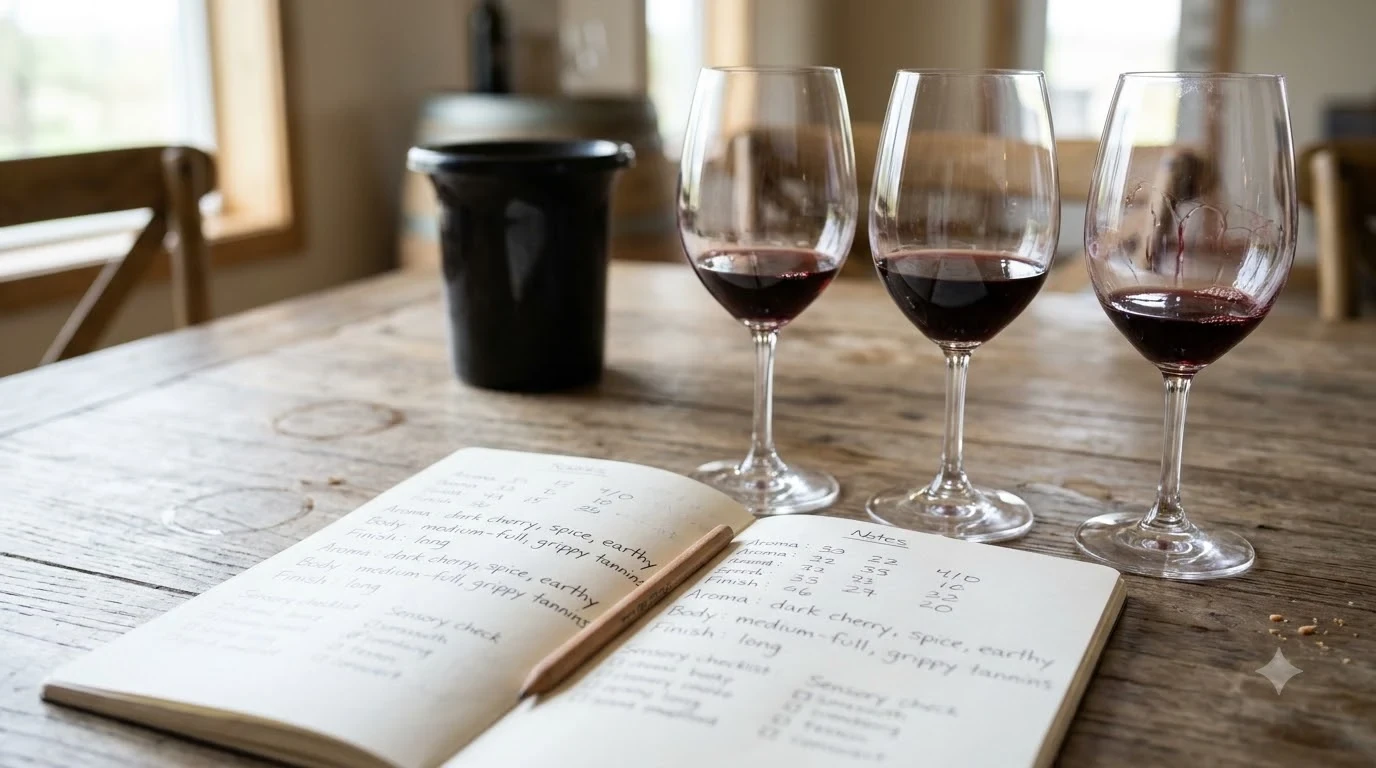
When tasting Rutherford Cabernet, pay attention to three elements: fruit concentration, tannin texture, and the finish. Blackcurrant, blackberry, plum, and dark cherry are useful fruit characteristics to look for. Some wines also show cedar, dried herbs, cocoa, tobacco, or baking spices, depending on vineyard conditions, grape maturity, and cellar decisions.
Cabernet Sauvignon naturally has relatively high tannin. In Rutherford, the combination of ripe fruit and structured tannins can create wines that feel generous on the palate while retaining a firm framework. The most interesting examples balance concentrated fruit with freshness rather than relying entirely on weight or oak influence.
Not every Rutherford Cabernet tastes identical. Vineyard elevation, exposure, soil composition, harvest decisions, fermentation techniques, and barrel aging all influence the final wine. A Cabernet from a western benchland vineyard may express itself differently from one grown closer to the Napa River or on the eastern side of the appellation.
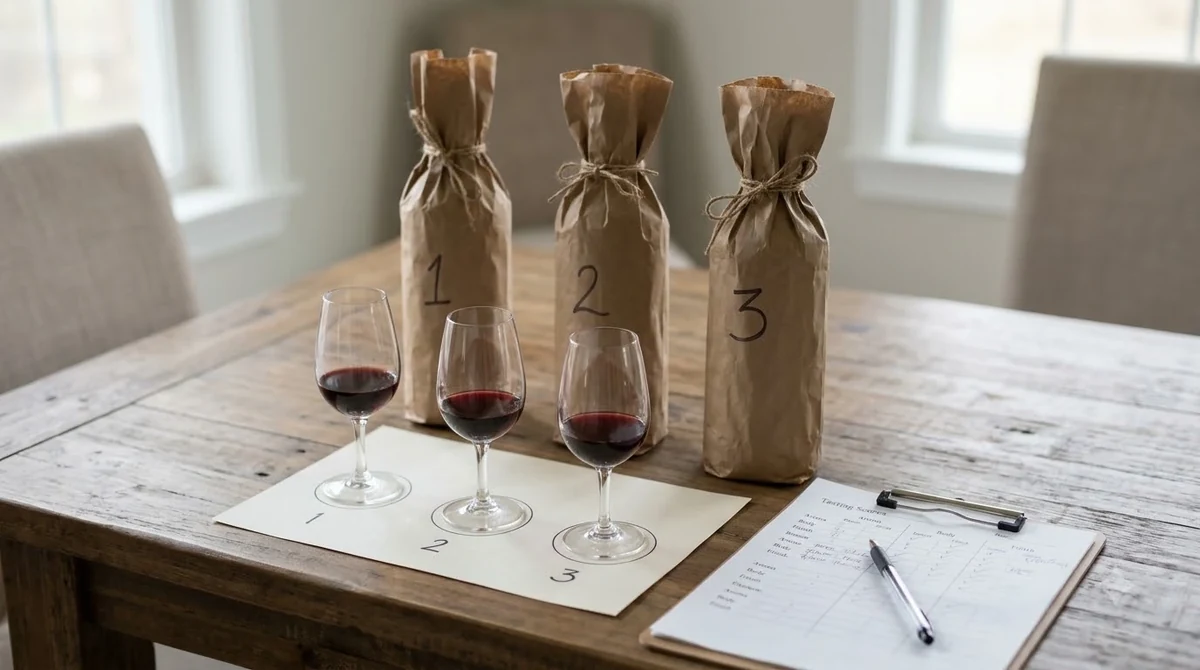
For a useful comparison, taste two Cabernet Sauvignons from different vineyard sites or producers side by side. Start by smelling each wine before taking a sip. Then compare the texture across the middle of the palate and the sensation left on your gums after swallowing. Fine, persistent tannins are more informative than simply deciding whether one wine tastes stronger.
Tip: Ask the tasting-room host whether a Cabernet comes from the western benchland, valley floor, or eastern side of Rutherford. Comparing these locations can make the region’s soil and vineyard differences easier to understand.
Rutherford Dust should also not be treated as a guarantee of quality. It is a useful regional reference, but individual wines vary in balance, concentration, aging potential, and winemaking style. A well-made Rutherford Cabernet should show its fruit, acidity, and tannins working together rather than allowing any single component to dominate.
How Rutherford’s Soils and Vineyard Locations Shape Wine
Rutherford contains three principal geographical environments: the western Rutherford Bench, the Valley Floor, and the Eastern Benchland. Each has a different combination of soil deposits, drainage characteristics, and vineyard exposure, giving visitors a practical way to understand variation within a relatively small appellation.
The western Rutherford Bench receives material deposited from the Mayacamas Mountains. According to the Rutherford Dust Society, its soils are gravelly, sandy, and loamy, with particularly coarse deposits near the mountain base. These well-drained soils are associated with some of the appellation’s most recognized Cabernet Sauvignon vineyards.
The benchland is also protected from some of the hot afternoon sun by the western mountain range. Napa Valley Vintners notes that this location benefits from a cooler afternoon environment and marine influences. The resulting growing conditions can contribute to wines with concentrated fruit, structured tannins, and a sense of refinement.
The Valley Floor occupies the area between Highway 29 and the Silverado Trail. Its soils include finer-grained alluvial and sedimentary deposits associated with the Napa River floodplain. Compared with the gravelly western bench, this environment contains more fertile soils with varying depths and water-retention characteristics.
The Eastern Benchland has a different geological profile. The Rutherford Dust Society describes coarse gravelly deposits near the base of its alluvial fan, transitioning to finer material farther away. Napa Valley Vintners also identifies more volcanic influence on the eastern side, creating additional differences between vineyard sites.
These distinctions do not mean that one sub-zone automatically produces better wine than another. Vineyard management, vine age, grape variety, and winemaking choices remain important. Instead, the geographical divisions provide a useful framework for understanding why two Rutherford Cabernet Sauvignons can differ even when their vineyards are only a short distance apart.
| Rutherford location | Typical soil characteristics | What to explore |
|---|---|---|
| Western Rutherford Bench | Gravelly, sandy, alluvial, and sedimentary deposits | Structured Cabernet Sauvignon and distinctive tannin texture |
| Valley Floor | Fine-grained alluvial and sedimentary soils | Differences in fruit expression and vineyard conditions |
| Eastern Benchland | Gravelly soils with volcanic influences and finer deposits farther from the fan base | Comparisons between eastern and western Cabernet bottlings |
Elevation also contributes to the appellation’s identity. Napa Valley Vintners gives Rutherford’s elevation range as 155 to 500 feet. Although these figures are relatively modest compared with Napa’s mountain appellations, changes in slope and exposure can influence sunshine, drainage, and the way individual vineyard blocks develop.
Rainfall is another consideration. The Napa Valley Vintners reports that the appellation receives up to 38 inches annually, although actual conditions vary by growing season. The combination of seasonal rainfall, well-drained deposits, and summer sunshine makes vineyard water management an important part of growing Cabernet Sauvignon in the area.
Which Wines to Taste During a Rutherford Visit
Cabernet Sauvignon should be the main attraction during a Rutherford visit, but a good tasting flight should include enough variety to show how different grapes and winemaking approaches influence the final wine. Sauvignon Blanc, Merlot, and Cabernet Franc provide useful comparisons alongside the appellation’s signature red variety.
Begin with Sauvignon Blanc if it is included in the flight. Rutherford’s relatively warm location helps produce ripe fruit characteristics, and Napa Valley Vintners describes local examples as particularly charming and tropical. Look for citrus, grapefruit, peach, and tropical fruit aromas, together with refreshing acidity.
Merlot provides a useful contrast with Cabernet Sauvignon. Its tannins are generally softer and more moderate, while plum, black cherry, and herbal notes are common characteristics. A Rutherford Merlot can show ripe fruit and a generous texture without the same tannic firmness associated with Cabernet.
Cabernet Franc is another worthwhile wine to explore. It can contribute red fruit, herbal complexity, and structure to Bordeaux-style blends. Some producers bottle it separately, making it possible to compare its aromatic character with Cabernet Sauvignon from the same general growing environment.
For Cabernet Sauvignon itself, ask for different expressions rather than simply requesting the most expensive bottle in a flight. A standard appellation bottling, a vineyard-designated wine, and a reserve selection can reveal how fruit sourcing and winemaking choices affect structure and complexity.
Some wineries also offer library selections. These are particularly useful for understanding how Rutherford Cabernet develops with age. Younger examples often emphasize fresh dark fruit and firmer tannins, while mature bottles can show more developed notes of leather, tobacco, cedar, dried fruit, and savory spices.
When comparing different vintages, focus on changes in balance rather than assuming older wines are automatically better. A mature Cabernet may have softer tannins and more developed aromas, while a younger wine can offer brighter fruit and a more energetic structure.
For a particularly informative flight, consider the following sequence:
- Start with Sauvignon Blanc to establish a fresh, high-acidity reference point.
- Move to Merlot to explore softer tannins and a different red-fruit profile.
- Taste Cabernet Franc to identify its herbal and aromatic characteristics.
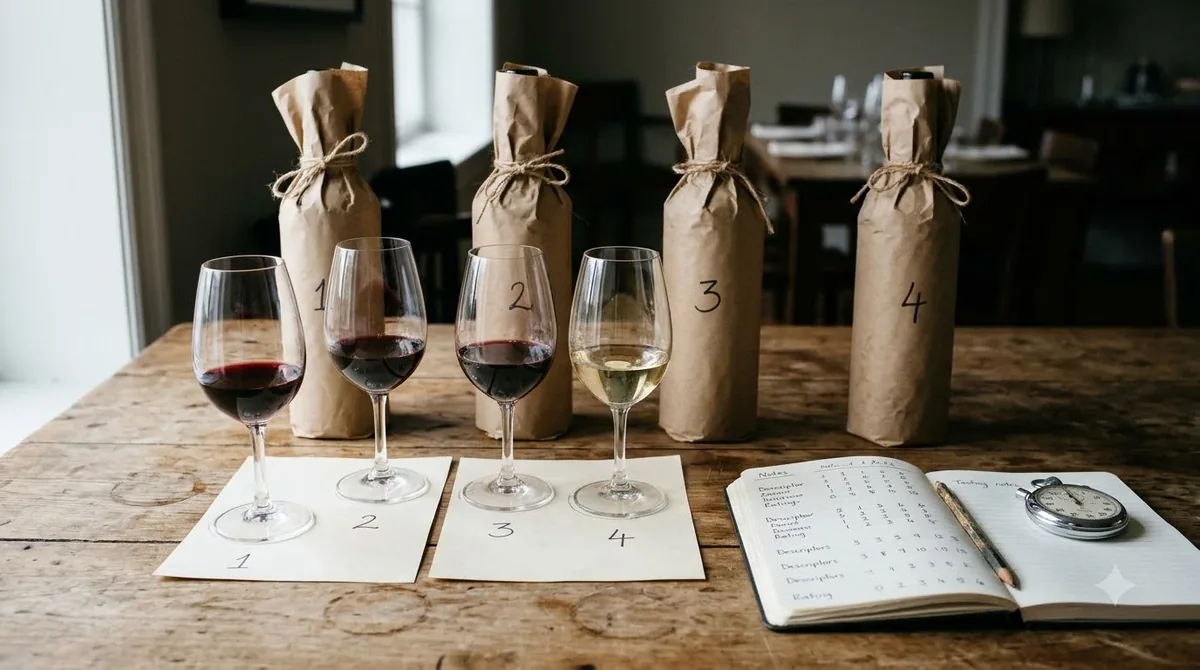
- Finish with two or three Cabernet Sauvignons from different vineyard sites or vintages.
This progression helps preserve your ability to recognize differences between the wines. Beginning with a powerful, heavily structured Cabernet can make more delicate wines seem less expressive afterward.
Rutherford Wineries and Tasting Experiences Worth Exploring
Rutherford offers several approaches to wine tasting, from relaxed seated flights to educational cellar tours and food-pairing experiences. Choosing a winery based on the experience you want, rather than selecting establishments solely by reputation, helps create a more satisfying visit.
St. Supéry Estate Vineyards & Winery
St. Supéry Estate Vineyards & Winery is a useful starting point for visitors interested in exploring both white and red wines. Its tasting experiences feature estate-grown wines, and the property also includes an art gallery, demonstration vineyard, and gardens.
The winery offers several distinct tasting formats. Its White Wine Discovery experience features four estate-grown white wines, providing an opportunity to compare different winemaking approaches. Visitors particularly interested in Rutherford Cabernet can choose the Cabernet Collector experience, which includes four different Cabernet Sauvignon wines.
For a more educational visit, Step Into the Cellar combines a guided vineyard and cellar tour with a seated tasting of four estate-grown wines. The experience lasts approximately two hours and includes opportunities to learn about fermentation, aging, and decisions made for individual vineyard blocks.
St. Supéry generally welcomes visitors seven days a week from 10 a.m. to 5 p.m. Reservations are strongly recommended on Fridays, Saturdays, and Sundays, while wine-and-food experiences require advance reservations. Standard tasting arrangements accommodate parties of up to six people, with larger groups directed to special arrangements.
ZD Wines
ZD Wines provides a different approach, combining seated tastings with vineyard views and opportunities to learn about the producer’s history and farming practices. Its Rutherford location is at 8383 Silverado Trail, Napa, California.
The Vineyard View Tasting lasts approximately 60 minutes and takes place overlooking Napa Valley from the Rutherford bench. It is a good choice for visitors who want a relaxed introduction to the wines without committing to a longer cellar experience.
Those interested in production methods can select the ZD Experience Tour & Tasting. This approximately 90-minute visit includes a guided cellar tour, current-release and reserve or library wine selections, and a cheese and charcuterie accompaniment.
ZD also offers an Abacus Experience Tour & Tasting focused on its distinctive multi-vintage Cabernet Sauvignon blend. The winery describes Abacus as a solera-style blend incorporating every vintage of its Reserve Cabernet Sauvignon produced since 1992. This makes the experience particularly interesting for visitors curious about blending across vintages.
ZD operates daily from 10 a.m. to 4 p.m. by appointment. Reservations are recommended for its regular vineyard-view tasting and required for certain tours. Visitors should also note its minimum age requirement of 21.
Rutherford Ranch and Other Local Experiences
Rutherford Ranch offers another option for Cabernet enthusiasts. Its tasting program includes a Reserve tasting, a guided estate tour, and a Cabernet-focused TORCIA experience. The guided tour provides an opportunity to learn about the property’s vineyards and winemaking philosophy before sitting down for a flight of current-release wines.
The TORCIA experience is particularly relevant for visitors who want to compare Cabernet Sauvignon from different Napa Valley appellations. Its format focuses on single-appellation Cabernet selections and includes a vineyard component, making it a useful opportunity to understand the differences between Rutherford and other growing districts.
Other Rutherford-area producers also offer distinctive experiences. Some emphasize vineyard views and estate hospitality, while others focus on limited-production wines, historical properties, or food pairings. Checking the experience description before booking is important because a standard tasting, private tour, and reserve flight may have very different formats.
Rather than trying to visit every available winery, select experiences that complement each other. For example, a Cabernet-focused tasting at one producer, a cellar tour at another, and a mixed red-and-white flight at a third can provide a more balanced picture of Rutherford than repeating similar Cabernet flights throughout the day.
Planning Reservations, Timing, and Tasting Etiquette
Advance planning is important for a successful Rutherford visit because many wineries operate by appointment and offer experiences with limited seating. A realistic itinerary should account for tasting duration, travel between properties, lunch, and time to enjoy the vineyards without rushing.
Start by choosing two or three wineries with different tasting formats. A 60-minute seated flight followed by a 90-minute cellar tour provides a more varied day than booking three nearly identical tastings. Allow additional time between appointments for parking, checking in, and driving along Highway 29 or Silverado Trail.
For a first visit, two wineries may be sufficient if both offer guided experiences. Three can work well when the appointments are relatively short and the properties are close together. More appointments are not necessarily better, especially when the goal is to understand individual wines rather than simply move from one tasting counter to another.
Reservations should be made directly through the winery’s website whenever possible. Review the cancellation policy, group-size restrictions, age requirements, pet rules, and whether food is included. Some properties permit limited weekday walk-ins, but that should not be assumed across the appellation.
Consider the following sample schedule for a relaxed tasting day:
| Time | Activity | Purpose |
|---|---|---|
| 10:00 a.m. | First winery appointment | Begin with a mixed white and red flight |
| 11:30 a.m. | Travel and vineyard viewing | Allow time between appointments |
| 12:00 p.m. | Lunch break | Enjoy food and reset your palate |
| 1:30 p.m. | Second winery appointment | Explore Cabernet Sauvignon and vineyard differences |
| 3:15 p.m. | Optional third experience | Choose a cellar tour or library tasting |
This is a planning example rather than a published winery schedule. Actual appointment availability depends on the individual property and the day of your visit.
During a tasting, take a moment to look at the wine before smelling it. Observe its color, clarity, and movement in the glass. Then smell it before taking a small sip. These simple steps help identify aromas and assess the wine’s structure without needing specialized tasting vocabulary.
It is also perfectly acceptable to ask questions. Useful topics include the vineyard location, grape composition, fermentation vessels, barrel-aging choices, and differences between current-release and library wines. Winery educators generally appreciate specific questions because they create more informative conversations.
Keep tasting notes brief. Record the producer, grape variety, vineyard designation, vintage, and one or two memorable characteristics. A few clear observations are more useful later than a long list of generic descriptions.
Most importantly, pace the day sensibly. Visitors should arrange transportation in advance and avoid driving after drinking. A designated driver or professionally arranged transportation makes it easier to concentrate on the wines and enjoy the region responsibly.
Food Pairings and Serving Rutherford Wines at Home
Rutherford wines are particularly enjoyable with food that complements their fruit concentration and tannic structure. Cabernet Sauvignon generally works best with substantial dishes containing protein, savory flavors, and enough fat to soften the sensation of tannin.
Grilled steak is a natural pairing. The savory character of beef and the richness of its fat help balance Cabernet’s firm structure, while the wine’s dark-fruit profile complements the caramelized exterior of grilled meat. Ribeye, New York strip, and grilled short ribs are all useful choices.
Lamb is another excellent partner. Roasted lamb with rosemary, garlic, and black pepper can complement Cabernet Sauvignon’s dark fruit and savory notes. For a less formal meal, a lamb burger with aged cheese offers a similar combination of richness and flavor.
Hard cheeses also work well. Aged cheddar, Gouda, and firm Alpine-style cheeses have enough concentration to stand alongside structured Cabernet. Their salt and fat can make tannins feel softer, helping the wine seem more approachable.
Merlot is generally more flexible with food because its tannins are softer. Try it with roasted chicken, pork tenderloin, mushroom dishes, or tomato-based pasta. Cabernet Franc can also work well with grilled vegetables, herb-roasted poultry, and dishes featuring mushrooms.
Rutherford Sauvignon Blanc offers a contrasting pairing style. Its higher acidity can balance rich seafood dishes, goat cheese, salads, and herb-forward preparations. Fresh acidity is especially helpful with foods containing lemon, vinegar, or other acidic ingredients.
When serving Rutherford Cabernet at home, temperature makes a noticeable difference. Full-bodied reds are generally best served around 60 to 65 degrees Fahrenheit. Excessive warmth can make alcohol seem more prominent, while overly cold temperatures can make tannins feel harder and aromas less expressive.
Young, full-bodied Cabernet Sauvignon can benefit from decanting for approximately 30 to 60 minutes. This gives the wine time to open up and allows aromas to become more apparent. Older bottles may require more careful handling because prolonged exposure to air can cause delicate aromas to fade.
For serving, a standard 5-ounce pour provides enough room in a suitable wine glass to evaluate the aromas. A 750-milliliter bottle contains approximately five such servings. If several wines are being served, smaller pours allow guests to compare more bottles without overwhelming the meal.
Opened still wines generally keep for about three to five days when properly sealed and refrigerated. Return leftover Cabernet to the refrigerator rather than leaving it on a warm kitchen counter. Allow the wine to approach its preferred serving temperature before drinking it again.
For longer-term storage, keep bottles away from direct sunlight and significant temperature fluctuations. A consistent environment near 55 degrees Fahrenheit is a useful target. Bottles with natural cork closures are generally stored horizontally to maintain contact between the cork and wine.
Frequently Asked Questions
Is Rutherford a separate wine appellation within Napa Valley?
Yes. Rutherford is an officially recognized American Viticultural Area within Napa Valley. Its AVA designation was established in 1993, and its boundaries identify a specific grape-growing district rather than a separate county or town. Wines labeled Rutherford must meet the applicable American appellation labeling requirements.
Is Rutherford Cabernet Sauvignon suitable for aging?
Many well-made Rutherford Cabernet Sauvignons have the structure and concentration to develop over extended periods. Certain age-worthy examples can evolve for 10 to 20 years or longer under appropriate storage conditions, although the ideal drinking window varies by producer, vintage, and bottling. Mature wines can develop leather, tobacco, dried herbs, and more integrated tannins.
Can visitors explore Rutherford without visiting a winery?
Yes. Visitors can explore the area’s wine-country landscape, scenic roads, and local agricultural surroundings without scheduling a tasting. Rutherford Depot is another local point of interest associated with the appellation’s history. However, private vineyard properties should not be entered without permission, even when their roads or entrances appear accessible.
What is the difference between Rutherford and Oakville Cabernet Sauvignon?
Both districts are known for Napa Valley Cabernet Sauvignon, but their vineyard conditions are not identical. Rutherford is generally associated with its gravelly benchland soils and characteristic grainy tannins, while Oakville contains its own combination of alluvial and other soil environments. Comparing wines from both appellations side by side is one of the most effective ways to recognize their individual expressions.
Does Rutherford produce wines other than Cabernet Sauvignon?
Yes. Rutherford also produces Sauvignon Blanc, Merlot, Cabernet Franc, and Bordeaux-style red blends. Some producers additionally offer wines sourced from vineyards outside Rutherford, making it useful to distinguish the appellation of the wine being poured from the physical location of the tasting room. A winery’s address alone does not establish the origin of every wine in its portfolio.
Rutherford offers a compelling introduction to the vineyard diversity and Cabernet Sauvignon heritage that make Napa Valley distinctive. From the gravelly western benchland to the Napa River floodplain and eastern vineyards, its landscape provides plenty of opportunities for meaningful wine comparisons. Plan a few contrasting tasting experiences, ask about individual vineyard sites, and take time to appreciate the wines beyond their reputation for Rutherford Dust.
For additional wine-country inspiration, explore our guides to Willcox wine tasting, Alsace wine tasting, and Bolgheri wine tasting. Each region offers a different perspective on how climate, soils, grapes, and local traditions shape the character of wine.
More in Wine Regions
 Willcox Wine Trail: Discover Arizona’s High-Elevation Wine CountryUpdated Nov 20, 2026
 Yakima Valley Wine Region: Find the Best Styles to TryUpdated Nov 20, 2026
 Vosne Romanee Wine Tasting: Identify Aromas and Choose Better PairingsUpdated Nov 20, 2026
 Yakima Valley Wine Festival: Find the Best Seasonal Wine EventsUpdated Nov 20, 2026
 Wales Vineyards: Discover Cool-Climate Wines and Where to VisitUpdated Nov 20, 2026
 Yountville Wine Festival: Discover Napa Wines and Local FoodUpdated Nov 20, 2026