

We may earn a commission when you buy through links on this page, at no extra cost to you. Learn more.
This rubicon wine review finds Inglenook Rubicon best suited to buyers seeking a structured, Cabernet Sauvignon-led Bordeaux-style red from Rutherford in Napa Valley. First produced in 1978, Rubicon combines concentrated dark fruit, firm but polished tannins, French oak influence, and the complexity of selected estate vineyard blocks. Its changing blend from vintage to vintage makes the specific bottle an important consideration, particularly for collectors and buyers deciding whether to open it now or cellar it.
Rubicon occupies a distinctive position among Napa Valley red wines. It is Inglenook’s flagship bottling rather than an ordinary single-variety Cabernet Sauvignon, and its approach emphasizes the contribution of several traditional Bordeaux grapes. The result is a wine that can reward a thoughtful dinner pairing, a special occasion, or patient cellaring. Understanding its composition, vintage characteristics, and serving requirements helps determine whether this relatively serious style matches your preferences.
Who This Is For
Rubicon is most appropriate for drinkers who appreciate Cabernet Sauvignon structure, concentrated dark fruit, and the additional complexity that smaller portions of other Bordeaux varieties can contribute. Its Rutherford origin, Cabernet-led composition, and extended oak aging place it firmly in the premium Napa Valley red wine category.

Experienced Cabernet drinkers are a natural audience. Cabernet Sauvignon generally contributes substantial tannin, dark fruit, and a firm structural framework. In Rubicon, Merlot, Cabernet Franc, and Petit Verdot can modify that framework through differences in fruit character, texture, and aromatic expression. The proportions change according to the vintage, so the experience is not identical from one release to another.
Buyers who enjoy wines with black cherry, cassis, cedar, vanilla, tobacco, and baking-spice characteristics will recognize many of Rubicon’s recurring features. The 2020 vintage, for example, combines black cherry and cassis with sandalwood, cocoa nibs, espresso, and savory herbs in the Decanter assessment reproduced by Wine.com. The producer’s 2022 description emphasizes black cherry and baking spices, with soft tannins and a long finish.
Collectors and occasion buyers may also appreciate the wine’s history. Inglenook identifies 1978 as the inaugural Rubicon vintage and positions the bottling as its premier red wine. Its association with Rutherford, estate-grown fruit, and the work of Director of Winemaking Philippe Bascaules gives the wine a clear identity within the Napa Valley category.
However, Rubicon is not automatically the right purchase for someone who prefers inexpensive, uncomplicated reds. Its Cabernet Sauvignon foundation creates more structure than a soft, fruit-forward Merlot or many casual red blends. The oak influence and concentration can also make it feel substantial beside lighter meals.
Consider another style if your usual preference is bright, delicate, low-tannin red wine. Pinot Noir, for instance, typically offers lower to medium tannin and higher acidity than Cabernet Sauvignon. A lighter red may suit grilled salmon, vegetable dishes, or meals where a powerful wine would dominate.
Rubicon also makes less sense as an impulse purchase for someone who has not established a preference for Napa Cabernet. A more accessible Cabernet Sauvignon or Bordeaux-style blend can provide a useful introduction before committing to a serious estate wine.
Key Factors to Compare
The most useful comparison points are vintage composition, alcohol content, oak treatment, and the balance between fruit and tannin. Rubicon has a consistent Cabernet-led identity, but its supporting varieties and cellar treatment can change enough to affect the finished wine.
| Factor | 2020 Rubicon | 2021 Rubicon | 2022 Rubicon |
|---|---|---|---|
| Cabernet Sauvignon | 91% | 87% | 85% |
| Supporting grapes | 9% Merlot | 9% Cabernet Franc, 4% Merlot | 6.5% Merlot, 6% Cabernet Franc, 2.5% Petit Verdot |
| Alcohol | 14.1% | 14.2% | 14.3% |
| Barrel aging | 20 months | 20 months | 18 months |
| Oak treatment | 75% new French oak | 75% new French oak | 75% French oak, 25% neutral French oak |
| Origin | Rutherford, Napa Valley | Rutherford, Napa Valley | Rutherford, Napa Valley |
Figures are based on the respective producer vintage information. The 2020 blend and alcohol content are also listed by Wine.com; its 20-month aging and 75% new-oak treatment are reported in the Decanter assessment reproduced by K&L Wine Merchants.
Grape composition should be the first comparison. The 2020 Rubicon contains 91% Cabernet Sauvignon and 9% Merlot, making it particularly Cabernet-focused. The 2021 contains 87% Cabernet Sauvignon, 9% Cabernet Franc, and 4% Merlot. The 2022 combines 85% Cabernet Sauvignon with three supporting varieties.
Those percentages are not merely technical details. Cabernet Sauvignon supplies much of the wine’s tannic backbone, while Merlot can contribute softer fruit and texture. Cabernet Franc can bring aromatic freshness and herbal complexity. Petit Verdot is traditionally associated with additional color, structure, and dark-fruit character in Bordeaux-style blends.
Alcohol and oak are the next considerations. The three vintages listed in the table range from 14.1% to 14.3% ABV. These figures indicate a substantial wine, although alcohol alone cannot establish whether a particular vintage will feel balanced or heavy. Fruit concentration, acidity, tannin maturity, and oak integration also matter.
The 2020 and 2021 received 20 months of barrel aging, with 75% new French oak. The 2022 spent 18 months in barrels, with 75% French oak and 25% neutral French oak. New barrels generally contribute more noticeable flavors such as vanilla, toast, and spice, while neutral oak has a smaller direct flavor influence.
For an independent perspective, the Wine.com listing for the 2020 Rubicon presents the producer’s tasting description alongside assessments from Decanter and Wine Advocate. Reading these different perspectives helps distinguish the intended style from the impressions of individual critics.
Vintage selection should also account for drinking plans. A buyer looking for a bottle to open with dinner may prioritize an accessible, balanced vintage, while someone building a cellar may be more interested in structure, tannin quality, and long-term development potential.
There is no universal rule that a particular blend percentage guarantees a superior bottle. The vineyard selection, growing season, harvesting decisions, fermentation, and aging all influence the finished wine. A slightly lower Cabernet percentage does not automatically mean a softer or less serious Rubicon.
Step-by-Step: How to Choose a Rubicon Vintage
Choosing a Rubicon bottle is easier when you start with the occasion, establish the desired drinking window, and then compare the actual vintage details. A few deliberate checks can prevent buying a wine that is too structured for an immediate dinner or too mature for a planned collecting period.
-
Decide when you intend to drink it.
Start by identifying whether the bottle is intended for an upcoming dinner, a celebration several years away, or a longer-term collection. A wine for immediate drinking should ideally have enough development to show its fruit and texture without requiring an extended waiting period. A cellar purchase can justify choosing a more structured vintage with firm tannins.
-
Identify the exact vintage.
Do not assume that every bottle of Rubicon has the same blend. Compare the vintage year with the producer’s technical details. The 2020 contains 91% Cabernet Sauvignon, while the 2021 contains 87% and the 2022 contains 85%. These differences provide useful context before considering tasting notes.
-
Compare the supporting grapes.
Look beyond the Cabernet Sauvignon percentage. The 2021 has 9% Cabernet Franc and 4% Merlot, whereas the 2022 includes 6.5% Merlot, 6% Cabernet Franc, and 2.5% Petit Verdot. This variation can change the wine’s aromatic profile and overall texture. Buyers who particularly enjoy herbal complexity may find Cabernet Franc’s presence interesting.
-
Read the winemaking information.
Check the aging period, the proportion of new oak, and the reported alcohol content. For example, the 2021 received 20 months in French oak, including 75% new oak, while the 2022 received 18 months with a combination of French and neutral French oak. These differences help explain why vanilla, toast, spice, and wood-derived flavors may vary.
-
Compare independent tasting assessments.
Look for agreement and disagreement between professional reviewers. The 2020 received descriptions emphasizing black cherry, cassis, espresso, and savory herbs in Decanter’s assessment. Another Decanter assessment reproduced by K&L Wine Merchants discusses more noticeable tannin dryness and a tightly structured mid-palate. Both observations are useful because they show that power and concentration do not always translate into immediate softness.
-
Check the bottle’s provenance and storage history.
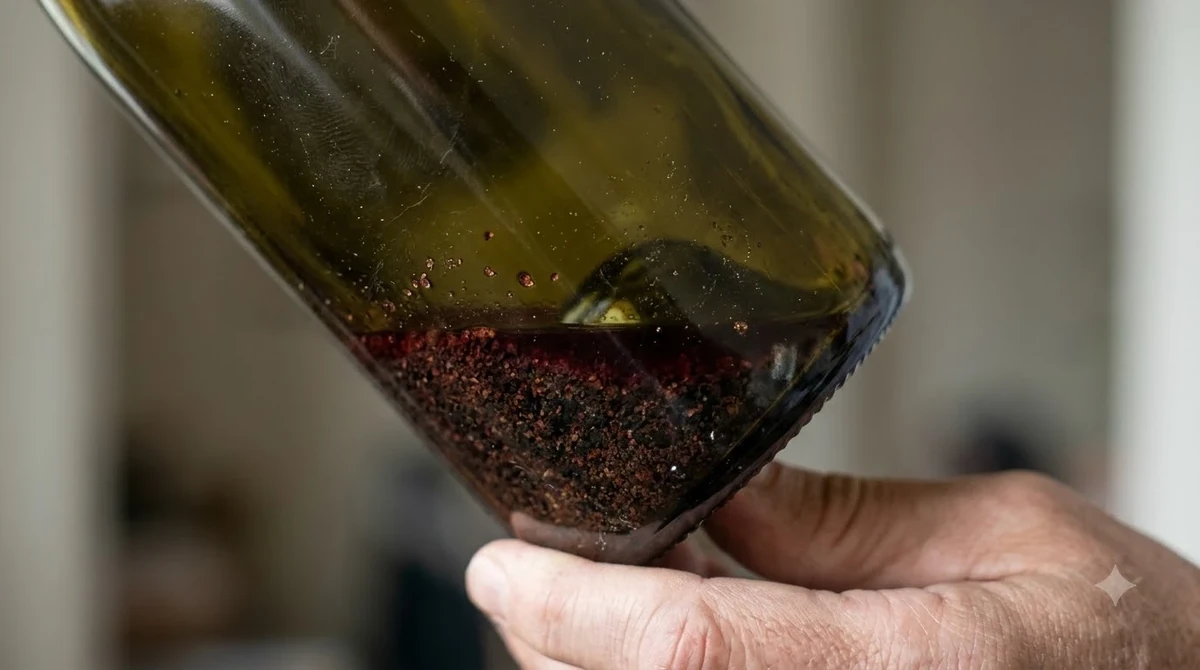
For older vintages, storage conditions can matter as much as the original wine quality. Ask whether the bottle has been kept in a temperature-controlled cellar, whether the fill level is appropriate, and whether the closure and label show signs of damage. Poor storage can shorten a wine’s useful life, even when the original vintage was highly regarded.
-
Match the vintage to your experience level.
If you are new to structured Cabernet-based wines, avoid assuming that the oldest bottle is necessarily the best choice. A younger vintage with fruit-forward characteristics may be more approachable after suitable aeration, while a more developed bottle may appeal to someone familiar with mature Napa reds. Your preferred balance matters more than the vintage’s reputation alone.
Once you have narrowed the selection, compare the bottle’s condition, seller information, and drinking plans. A reputable wine merchant should be able to explain the storage history of older stock and identify the exact vintage being offered.
Tip: Keep the vintage details with the bottle rather than relying on the Rubicon name alone. The 2020, 2021, and 2022 have different grape proportions and aging regimens, so recording the exact year makes future drinking decisions considerably easier.
Buyers researching other producers can also browse the broader Wine Brands category to compare regional identities and grape-based styles. This is especially useful if you are still deciding whether a premium Napa blend or another type of red wine better matches your preferences.
Types or Styles Explained
Rubicon is best understood as a Bordeaux-style red blend built around Cabernet Sauvignon, rather than a single fixed recipe. Its supporting varieties change with the vintage, while Rutherford fruit, dark-fruit concentration, and substantial structure provide a recognizable identity.
Cabernet Sauvignon-led Rubicon
The defining feature of Rubicon is its Cabernet Sauvignon foundation. This grape is associated with high tannin, concentrated black fruit, and the ability to develop complexity during bottle aging. In the 2020 vintage, Cabernet Sauvignon represents 91% of the blend, making it the most Cabernet-dominant of the three recent examples discussed here.
Expect a style in which blackcurrant, blackberry, and black cherry can appear alongside cedar, tobacco, cocoa, and spice. The tannins create a framework that supports the wine’s body and gives it a more substantial mouthfeel than softer everyday reds.
This structure can be particularly appealing to drinkers who enjoy traditional steakhouse Cabernet Sauvignon. It also means that Rubicon generally benefits from food with enough richness and flavor to stand alongside its intensity.
Merlot-supported blends
Merlot is generally associated with medium tannin and a softer texture than Cabernet Sauvignon. Its contribution to Rubicon can help balance the Cabernet framework, particularly when the finished blend contains enough fruit richness to integrate the components.
The 2021 includes 4% Merlot, while the 2022 contains 6.5%. Those differences are relatively small, and they should not be interpreted as a guarantee that one vintage will taste dramatically softer. Other components of the blend, including fruit maturity and oak treatment, influence the final impression.
For buyers who prefer rounded red wines but still want a serious Cabernet-led experience, the presence of Merlot is worth considering. It is one part of the blend rather than a reason to expect the texture of a Merlot-dominant wine.
Cabernet Franc and Petit Verdot contributions
Cabernet Franc can contribute floral, herbal, and fresh-fruit characteristics. It is a useful blending grape when a producer wants to add aromatic complexity to a Cabernet-based wine. Its presence is particularly notable in the 2021 and 2022 Rubicon blends.
Petit Verdot traditionally provides additional structure, dark color, and spice-related complexity. The 2022 Rubicon includes 2.5% Petit Verdot, while the 2019 blend listed by Wine.com includes 3%. These smaller percentages demonstrate how a relatively minor component can form part of a wine’s overall character.
The combination of these varieties explains why Rubicon is more complex than a straightforward single-grape bottling. Its identity depends on the interaction of the components, not simply on the percentage of Cabernet Sauvignon.
Vintage differences and tasting profiles
The producer’s descriptions provide a useful illustration of how Rubicon changes. The 2021 emphasizes pomegranate, cherry, vanilla, and integrated tannins. The 2022 highlights black cherry, baking spices, concentrated fruit, and a fresh, long finish.
The 2020 has a different set of published observations. Decanter’s assessment reproduced by Wine.com identifies black cherry, cassis, sandalwood, cocoa nibs, espresso, and savory herbs. Wine Advocate’s assessment describes concentrated dark fruit, charred cedar, and dark chocolate, while also noting a somewhat coarse texture.
These descriptions should not be combined into a single universal tasting profile. A particular bottle will reflect its vintage, and the way the wine develops after opening can change the balance between fruit, oak, and tannin.
For another Cabernet-led option, the Rubicon wine category provides a useful starting point for exploring the producer’s signature bottling and its identity. Comparing different releases is more informative than treating the brand name as a promise of identical flavor in every year.
Common Mistakes
The most frequent mistakes involve treating every Rubicon vintage as identical, opening a structured wine without allowing it to breathe, or choosing food that clashes with its tannins and alcohol. Understanding the wine’s Cabernet Sauvignon foundation helps avoid these problems.
Assuming every vintage has the same recipe
Rubicon is not made from a permanently fixed blend. The 2020 has 91% Cabernet Sauvignon and 9% Merlot, while the 2021 and 2022 include Cabernet Franc and additional blending varieties in different proportions. A buyer who expects identical aromas and texture from every release may be disappointed.
The growing season also influences the character of the grapes. Temperature patterns, rainfall, harvest timing, and fruit selection all affect the final result. A wine from a cooler growing season may show a different balance of freshness and ripeness from one made in warmer conditions.
Expecting immediate softness
Rubicon’s polished presentation should not be confused with low tannin. Cabernet Sauvignon is naturally high in tannin, and even a wine described as silky can retain considerable structure. Some professional assessments of the 2020 specifically mention tannins that felt drying or restrictive at the time of review.
Young, structured reds can benefit from aeration. Decanting exposes the wine to oxygen and allows its aromas to develop. It does not guarantee that an overly firm wine will become completely soft, but it can make the transition from bottle to glass more rewarding.
Serving it too warm
Full-bodied red wines are commonly served at approximately 60 to 65 degrees Fahrenheit. Serving Rubicon significantly warmer can make its alcohol seem more prominent and reduce the sense of freshness. Room temperature is not a reliable target if the room is particularly warm.
If the bottle has been stored in a warm kitchen or dining room, give it a brief period in a cooler environment before pouring. The aim is to let the wine show its fruit, acidity, and tannin in a balanced way.
Pairing it with delicate food
A highly structured Cabernet blend can overpower mild dishes. Delicate white fish, lightly seasoned vegetables, and subtle cream sauces may be more difficult matches than richer, more flavorful food. Oily fish can also clash with tannic red wines.
Choose meals with enough flavor and texture to complement the wine. Salt and fat can soften the perception of tannin, making richer dishes particularly effective. Grilled beef, lamb, and mushroom preparations are more natural companions than delicate seafood.
Buying an older bottle without checking its condition
A bottle that has spent years in unsuitable storage may have lost freshness or developed unwanted oxidation. The age of the wine alone cannot establish whether it is ready to drink or in good condition.
Inspect the capsule, cork area, fill level, and label. For collectible bottles, ask about the storage environment and ownership history. Provenance is particularly important when buying mature wine through secondary-market merchants.
Another common error is assuming that professional ratings guarantee personal enjoyment. A highly regarded wine may still be too tannic, too concentrated, or too oak-influenced for someone who prefers lighter reds. Taste preference should remain central to the buying decision.
Care or Storage Tips
Rubicon benefits from careful storage, moderate serving temperatures, and appropriate aeration. Keep unopened bottles away from heat and light, then allow the wine enough time to open in the glass before deciding whether additional decanting is necessary.
Store unopened bottles correctly
Store bottles on their sides when sealed with a traditional cork, keeping them in a dark location with stable temperatures near 55 degrees Fahrenheit. The sideways position helps maintain contact between the wine and the cork, reducing the chance of the closure drying out.
Avoid locations near ovens, radiators, sunny windows, or appliances that generate heat. Temperature fluctuations can be particularly damaging to wines intended for longer aging. A dedicated wine refrigerator or temperature-controlled cellar is preferable to an ordinary kitchen cupboard.
Humidity also matters for long-term storage. Extremely dry conditions can affect natural cork closures, while excessive humidity can damage labels and encourage mold on external surfaces. A stable environment is more useful than frequent adjustments to storage conditions.
Allow appropriate breathing time
Young, full-bodied red wines commonly benefit from 30 to 60 minutes of decanting. Rubicon can respond well to this approach, especially when the wine initially seems tight or dominated by oak and tannin.
The producer specifically recommends one hour of decanting for its 2010 Rubicon. That recommendation is vintage-specific and should not be treated as a fixed requirement for every release. A younger vintage may benefit from aeration, while an older bottle may need more cautious handling.
For mature bottles, stand the wine upright before opening if sediment is expected. Pour slowly and stop when sediment approaches the neck of the bottle. Decanting an older wine is often more about separating sediment than maximizing oxygen exposure.
Serve at the right temperature
For a full-bodied red such as Rubicon, aim for approximately 60 to 65 degrees Fahrenheit. If the bottle is warmer, a short period of cooling can help. If it is too cold, allow the wine to warm gradually in the glass.
Use appropriately sized red wine glasses with enough room to swirl the wine. This allows aromas of black cherry, cassis, vanilla, and spice to become more apparent. Avoid filling the glass to the rim; a standard 5-ounce pour leaves useful room for aroma development.
Handle opened bottles carefully
Once opened, reseal the bottle and refrigerate it. Still red wines generally retain useful freshness for approximately 3 to 5 days under suitable refrigeration, although a particularly delicate or mature wine may change more quickly.
Bring the remaining wine toward its recommended serving temperature before pouring another glass. Refrigeration slows oxidation, but it does not stop wine from changing after exposure to oxygen.
If you plan to open Rubicon for a dinner, prepare the bottle shortly before the meal rather than leaving it exposed to air for an unnecessarily long period. Taste periodically as it develops. The aromas and texture may change considerably during the first hour.
Pairing food with Rubicon
Rich proteins are among the strongest matches. Grilled ribeye, roast beef, lamb chops, and braised short ribs have the weight and savory character to complement a Cabernet-led wine. Their fat content can also soften the impression of tannin.
Mushrooms, roasted eggplant, and dishes containing rosemary, thyme, or black pepper can create appealing aromatic connections. Hard cheeses with sufficient intensity may also work well, especially when their salt and fat balance the wine’s structure.
For a complete dinner, consider grilled steak with roasted mushrooms and a modest amount of herb butter. The savory flavors connect with the wine’s reported cedar, tobacco, spice, and dark-fruit characteristics without overwhelming its fruit.
Avoid pairing a full-bodied, tannic red with strongly chili-driven dishes. Alcohol and tannin can intensify the sensation of heat, making the wine seem more aggressive and the food less balanced. Similarly, sweet sauces can make a dry red seem harder and more bitter.
Rubicon is not generally intended to accompany dessert. A useful pairing principle is to select a wine at least as sweet as the dessert, and a dry Cabernet-led red rarely meets that requirement.
Drinkers exploring other wine categories may also compare its structured red style with Barefoot wine or the lighter, sparkling character of La Marca Prosecco. These are different buying occasions rather than direct substitutes, but the comparison helps clarify how food, body, and wine style influence a purchase.
Frequently Asked Questions
Is Rubicon an official Napa Valley wine designation?
Rubicon is the name of Inglenook’s flagship wine, not a separate American Viticultural Area. Its producer identifies the wine’s origin as Rutherford in Napa Valley, California. Rutherford is an established Napa Valley wine-growing area associated with Cabernet Sauvignon and Bordeaux-style reds.
Who is responsible for making Inglenook Rubicon?
Philippe Bascaules is identified by Inglenook as its Director of Winemaking. The 2020 professional assessments also refer to winemaking consultant Chris Phelps. The wine’s production involves selecting and blending fruit from the estate’s vineyard blocks.
Does Rubicon have a connection to Bordeaux?
Yes, its production philosophy is explicitly Bordeaux-inspired. The wine uses traditional Bordeaux varieties, including Cabernet Sauvignon, Merlot, Cabernet Franc, and Petit Verdot. However, it is produced in Rutherford, California, rather than in the French Bordeaux region.
What bottle sizes does Inglenook list for Rubicon?
Inglenook’s official product page lists 750 ml and 1.5-liter formats. The larger format is a magnum, which holds twice the volume of a standard 750 ml bottle. Bottle format can influence how a wine develops during extended storage.
What does the name Rubicon mean in Roman history?
The name refers to the river crossed by Julius Caesar in 49 B.C. His decision to cross the river marked a major turning point in Roman history and led to civil conflict. Inglenook uses the name to suggest a significant and consequential undertaking.
Inglenook Rubicon is a distinctive choice for buyers who appreciate Cabernet Sauvignon structure, Rutherford character, and the complexity of Bordeaux-style blending. Its vintage-specific composition makes checking the individual release essential, while careful storage, appropriate decanting, and rich food pairings help bring out its strengths. For anyone seeking a substantial Napa Valley red with an established estate identity, Rubicon deserves consideration.
More in Wine Brands
 Zuccardi Wine Price: Compare Bottles and Find the Right RangeUpdated Nov 21, 2026
 Yellow Tail Moscato Review: Taste, Sweetness and Serving TipsUpdated Nov 21, 2026
 Wolf Blass Yellow Label Review: Choose Your Best StyleUpdated Nov 21, 2026
 Wolffer Estate Rose Review: Choose the Right Bottle for Your TableUpdated Nov 21, 2026
 Wolf Blass Yellow Label Price: What to Expect for Each BottleUpdated Nov 21, 2026
 Yellow Tail Pinot Grigio Price: Compare Bottle Sizes and Retail CostsUpdated Nov 21, 2026