

We may earn a commission when you buy through links on this page, at no extra cost to you. Learn more.
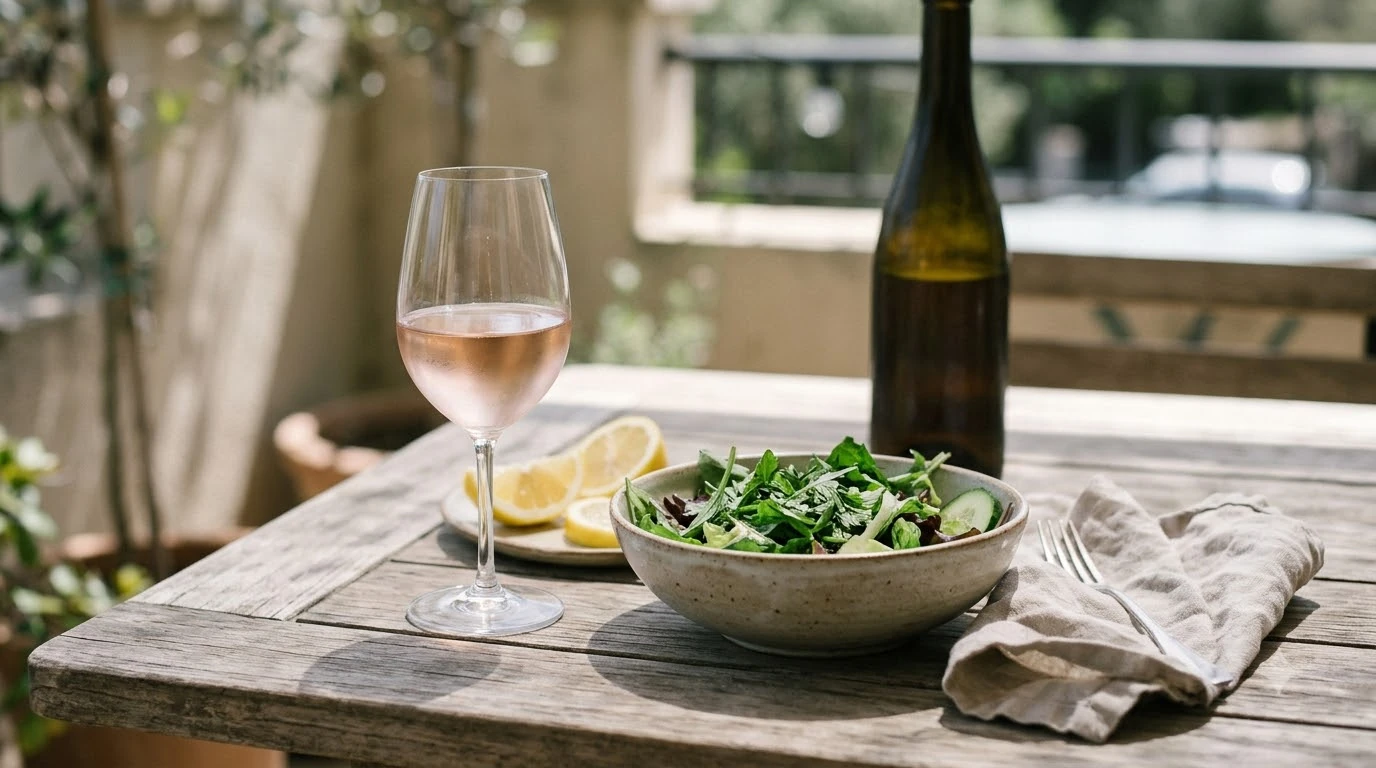
Rose with pizza is an excellent pairing, especially when you choose a dry, refreshing rosé with bright acidity and enough fruit to complement tomato sauce, melted cheese, and savory toppings. A pale Provence rosé is a particularly good match for Margherita and vegetable pizzas, while fuller-bodied Spanish rosado or Italian rosato can handle sausage, pepperoni, and richer combinations. Serve lighter styles at 45–50°F and choose a wine with more body when the toppings become more substantial.
Pizza and rosé have more in common than their casual reputations suggest. Pizza brings together acidity from tomatoes, richness from cheese, salt from the crust and toppings, and a wide range of herbs, vegetables, and meats. Rosé combines refreshing acidity, fruit flavors, and generally restrained tannin, making it adaptable to several different pizza styles. The key is to select a wine that complements the sauce and toppings rather than relying on color alone. Whether the meal features a classic Neapolitan pie, pepperoni, roasted vegetables, or a creamy white pizza, the right pink wine can make the combination particularly satisfying.
Why Rosé Works So Well with Pizza
Rosé succeeds with pizza because its acidity refreshes the palate, its fruit complements tomato and herbs, and its relatively low tannin avoids the drying sensation that can occur with heavily structured red wines. Its versatility also makes it useful when several different pizzas share the same table.
Tomato sauce is one of the most important considerations in pizza pairing. Tomatoes have natural acidity, and a wine with insufficient acidity can taste flat beside a tangy sauce. A fresh, dry rosé provides enough liveliness to remain expressive alongside the tomato rather than disappearing behind it. This is particularly useful with Margherita pizza, where tomato, mozzarella, and basil create a relatively simple combination of flavors.
Cheese creates a second pairing challenge. Mozzarella contributes creamy texture and mild dairy flavors, while Parmesan, provolone, and other aged cheeses bring greater saltiness and intensity. The acidity in rosé helps refresh the palate after rich cheese, while its fruit provides a pleasant contrast to savory ingredients. Salt and fat also soften the perception of tannin, although rosé generally avoids the substantial tannin levels found in many full-bodied reds.
Another advantage is the wine’s moderate weight. A delicate pizza with fresh basil and mozzarella does not need an intensely concentrated wine. Likewise, a moderately structured rosé can accompany sausage, olives, and roasted peppers without dominating every ingredient. The Austrian Wine Marketing Board includes fruity rosé among its recommended pizza wines and emphasizes that simpler toppings benefit from subtler wines.
Rosé is also practical for a mixed pizza order. One person might prefer a Margherita, another might choose mushroom and onion, and someone else might want pepperoni. A dry, medium-bodied rosé can cover much of this range without requiring a separate bottle for every pizza.
For a general introduction to matching wine characteristics with different ingredients, the Grape x Food pairing guide offers a useful starting point. The same principles apply here: acidity, body, sweetness, and tannin matter more than whether the wine is red, white, or pink.
Choosing the Right Rosé Style
The best rosé for pizza depends on the wine’s body, acidity, fruit intensity, and sweetness. Pale, dry Provence rosé suits lighter toppings, while fuller Italian rosato and Spanish rosado provide more substance for meat, roasted vegetables, and stronger cheeses.
Provence is a dependable starting point. The regional style is commonly associated with pale color, fruity and floral aromas, an elegant palate, and a fresh finish. These qualities make it especially useful with simple pizzas that depend on fresh ingredients rather than heavy seasoning. Grenache and Cinsault are important grapes associated with the region’s rosé tradition, alongside Mourvèdre and other varieties.
Not every Provence rosé tastes identical. Côtes de Provence wines can show citrus, white fruit, red fruit, floral notes, and mineral characteristics. Coteaux Varois en Provence wines may bring fresh red-fruit aromas and herbal suggestions, including thyme and rosemary. Coteaux d’Aix-en-Provence rosés are often light, supple, fruity, and floral. These differences offer several possibilities for matching the wine to a particular pizza.
Italian rosato provides another useful direction. Rosato made from Sangiovese can show cherry, red currant, and herbal notes that work naturally with tomato sauce. A rosato made from Montepulciano can have deeper color, more substantial fruit, and enough structure for grilled vegetables, sausage, and richer cheese combinations. Cerasuolo d’Abruzzo is a particularly useful style to consider when a pale, delicate rosé seems too light for the meal.
Spanish rosado is another option for people who prefer a more expressive wine. Depending on its grape varieties and production style, it may offer stronger red-fruit flavors and a fuller palate than a delicate Provence bottling. This can make it suitable for roasted peppers, chorizo, grilled sausage, and other strongly flavored toppings.
Dry, off-dry, and sparkling styles
Dry rosé is generally the safest starting point for ordinary pizza. Most traditional Provence rosés are dry, and their crisp finish works particularly well with tomato sauce, fresh mozzarella, and herbs. A dry wine does not mean that the fruit disappears. Strawberry, watermelon, raspberry, and citrus flavors can create a ripe impression without the wine containing substantial residual sugar.
Off-dry rosé has a different purpose. A little sweetness can help with strongly spiced toppings, particularly when jalapeños, hot peppers, or spicy sausage are involved. However, a noticeably sweet rosé can taste unbalanced alongside a simple cheese pizza. The same principle applies to sweetness in food and wine generally: the wine should not taste less sweet than a dessert, but pizza usually does not require a dessert-style wine.
Sparkling rosé deserves consideration for particularly rich pizzas. Its bubbles and acidity refresh the palate between bites of oily cheese, cured meats, and fried toppings. Traditional-method sparkling rosé also offers a more complex texture, while lighter sparkling styles can provide a casual alternative for a relaxed pizza dinner.
Tip: If you are buying one bottle for several pizza varieties, choose a dry, medium-bodied rosé with lively acidity and recognizable red-fruit flavors. It is a more flexible choice than an extremely delicate rosé or a noticeably sweet blush wine.
Pairing Rosé with Margherita, Cheese, and Tomato Pizza
Margherita and ordinary cheese pizzas are among the easiest matches for dry rosé. Their combination of tomato acidity, mozzarella, basil, and bread works particularly well with a crisp wine that offers strawberry, citrus, and fresh herbal characteristics.
For Margherita, start with a pale Provence rosé or a fresh Italian rosato. The wine should have enough acidity to accompany the tomato sauce without overpowering the mozzarella. Strawberry and red-currant flavors can complement the sweetness of ripe tomatoes, while subtle herbal notes work with fresh basil and oregano.
There are other traditional options worth considering. Wine Enthusiast recommends Gavi di Gavi, made from Cortese, for Margherita because its fresh fruit and floral character suit the basil and mozzarella. Decanter also highlights Cerasuolo d’Abruzzo, a darker rosé with enough acidity, light tannin, and palate weight to accompany the classic ingredients. These examples show that both delicate and more substantial rosé styles can work, depending on the wine’s balance and the pizza’s preparation. Read Decanter’s guide to authentic Italian pizza and wine pairings for additional regional examples.
Plain cheese pizza benefits from a similarly refreshing wine. Mozzarella has a mild flavor, but the combination of melted cheese, tomato sauce, and a baked crust creates considerable richness. A dry rosé with medium acidity and light-to-medium body keeps the pairing balanced. Avoid wines with very pronounced oak, excessive alcohol, or heavy extraction, as they can overwhelm the relatively straightforward flavors.
Four-cheese pizza needs a little more consideration. Gorgonzola, Parmesan, provolone, and mozzarella bring different levels of saltiness, fat, and intensity. A very pale rosé may struggle against these ingredients. Instead, consider a fuller Italian rosato or Spanish rosado with more concentrated fruit and a broader texture. The Austrian Wine Marketing Board also identifies four-cheese pizza as an exception to its general preference for lighter wines, suggesting full-bodied or slightly oak-aged options.
Pizza with extra tomato, roasted tomatoes, or sun-dried tomatoes may benefit from a rosé with particularly lively acidity. The concentrated flavors of sun-dried tomatoes can make a delicate wine seem weak, so choose a medium-bodied example with enough fruit to maintain its presence. A Sangiovese-based rosato is a sensible place to start.
Rosé with Pepperoni, Sausage, and Meat Lovers’ Pizza
Meat-topped pizza needs a rosé with more flavor concentration and body than a simple Margherita usually requires. Fuller Spanish rosado, Cerasuolo d’Abruzzo, and structured southern French rosé can provide enough fruit to complement cured meats, roasted sausage, and smoky ingredients.
Pepperoni introduces salt, fat, spice, and concentrated savory flavor. These ingredients can overpower a very delicate wine, particularly one with subtle floral aromas and restrained fruit. A rosé with ripe strawberry, raspberry, and red-cherry notes offers a better match. The wine’s acidity refreshes the palate after fatty slices, while its fruit provides a counterpoint to the seasoning.
For a classic pepperoni pizza, choose a medium-bodied dry rosé rather than an extremely pale, delicate example. A Spanish rosado or deeper Italian rosato is a useful option. If the pepperoni is particularly spicy, a lower-alcohol rosé with a slight touch of residual sugar can be more comfortable than a high-alcohol wine.
The same approach works with Italian sausage. Fennel, garlic, black pepper, and other seasonings give sausage pizza a more complex flavor profile than plain cheese pizza. A rosé with herbal notes can connect naturally with these seasonings. Coteaux Varois en Provence rosé, for example, may display aromas associated with thyme and rosemary, making it interesting alongside sausage and roasted vegetables.
Prosciutto pizza presents a slightly different pairing. Its salty, delicate meat does not necessarily need a powerful wine. A crisp rosé can complement the saltiness while preserving the character of the meat. If the pizza also contains arugula, Parmesan, or fresh figs, consider a rosé with slightly more fruit and texture.
For bacon, ham, and mixed meat toppings, sparkling rosé is another possibility. Bubbles help refresh the palate after rich cheese and cured meat. A dry sparkling rosé is particularly useful when the pizza has several salty ingredients, although it is not necessary to choose sparkling wine for every meat-based pizza.
Readers comparing traditional red wine options can also consult what wine goes with pepperoni pizza. Barbera, Chianti, and other fruit-forward reds remain strong alternatives, especially when the pizza has substantial meat toppings and a tangy tomato base.
Vegetable, Mushroom, and White Pizza Pairings
Vegetable pizzas usually work well with crisp, dry rosé, while mushroom and white pizzas can benefit from fuller styles with more texture. The absence of tomato sauce changes the balance, making cheese, herbs, roasted vegetables, and earthy ingredients more important.
A vegetable pizza with zucchini, bell peppers, red onions, eggplant, and tomatoes is a natural match for Provence rosé. The wine’s fresh acidity complements the vegetables, while its fruit works with their natural sweetness after roasting. A lighter rosé is especially suitable when the pizza has fresh herbs and a thin crust.
Black olives and caramelized onions create a more intense flavor combination. Olives contribute saltiness and a slightly bitter edge, while onions bring sweetness and depth. Wine Enthusiast specifically recommends Provence rosé with black olives and onions because the wine’s acidity complements the saltiness and its fruit complements tomatoes and caramelized onions. A dry rosé with red-fruit and citrus characteristics is a particularly useful choice.
Mushroom pizza requires a slightly different approach. Mushrooms have earthy, savory flavors that can make delicate wines seem less expressive. A medium-bodied rosé with stronger fruit and a little more texture is preferable to an extremely light example. Italian rosato made from Montepulciano or Sangiovese can work particularly well with mushrooms, mozzarella, and roasted garlic.
White pizza removes the acidity of tomato sauce from the equation. Ricotta, mozzarella, garlic, olive oil, and Parmesan become the dominant ingredients. A crisp rosé can refresh the palate after the cheese and oil, but a fuller wine may be necessary if the pizza has several cheeses or rich toppings.
For a white pizza with ricotta and spinach, choose a fresh rosé with moderate body and citrus notes. The wine should have enough acidity to balance the creamy cheese without overwhelming the delicate vegetables. A pale Italian rosato or Provence bottling is a good starting point.
For a mushroom and truffle pizza, look for a rosé with greater aromatic complexity. Some fuller rosés have earthy, herbal, or savory characteristics that complement mushrooms and roasted garlic. A lightly sparkling rosé is another possibility if the cheese is particularly rich.
Seafood pizza requires extra care. Shrimp, calamari, and other shellfish can work with fresh rosé, especially when the toppings include lemon, herbs, and olive oil. Wine Enthusiast specifically suggests fuller-bodied Tempranillo rosé with shrimp pizza because its ripe character complements the shellfish’s natural sweetness. However, oily fish and heavily tannic reds can be difficult companions, so a delicate rosé or crisp white is generally a better direction.
Serving Temperature, Portions, and Pizza Night Tips
Serving temperature can make a substantial difference to a rosé and pizza pairing. A properly chilled wine tastes fresher and more balanced alongside hot cheese and rich toppings, while excessive chilling can suppress its aromas and fruit flavors.
For pale, light-bodied rosé, aim for 45–50°F. This temperature preserves freshness and makes the wine particularly suitable for Margherita, vegetable, and seafood pizzas. Fuller-bodied rosé benefits from slightly warmer service, around 50–55°F, so its fruit, herbal character, and texture remain expressive.
A practical approach is to refrigerate the bottle before dinner and remove it shortly before serving if it becomes excessively cold. A wine thermometer can help, but careful chilling and a short period in the glass are usually sufficient for an ordinary pizza evening.
Glassware also matters. A standard white wine glass is suitable for most still rosé because its shape helps retain delicate fruit and floral aromas. Sparkling rosé can be served in a tulip-shaped sparkling wine glass, which provides room for aromas while preserving the wine’s bubbles.
Portion size is straightforward. A standard wine serving is 5 ounces, and a 750 ml bottle provides approximately five glasses. This makes one bottle a practical starting point for two adults sharing pizza, depending on how much wine each person wants.
Quick rosé and pizza pairing chart
The following chart provides a practical starting point for choosing a bottle. The style recommendations reflect differences in topping intensity, cheese richness, and the acidity of the sauce.
| Pizza style | Recommended rosé | Serving temperature | Why it works |
|---|---|---|---|
| Margherita | Dry Provence rosé | 45–50°F | Fresh acidity complements tomato and mozzarella. |
| Plain cheese | Dry Italian rosato | 45–50°F | Red fruit and freshness balance melted cheese. |
| Pepperoni | Fuller Spanish rosado | 50–55°F | Concentrated fruit handles savory seasoning. |
| Italian sausage | Medium-bodied Provence rosé | 50–55°F | Herbal notes complement fennel and garlic. |
| Vegetable | Pale, dry Provence rosé | 45–50°F | Freshness complements roasted vegetables. |
| Mushroom | Fuller Italian rosato | 50–55°F | Greater body complements earthy flavors. |
| Four cheese | Structured Cerasuolo d’Abruzzo | 50–55°F | More substantial fruit matches rich cheese. |
| Spicy chicken | Lower-alcohol off-dry rosé | 45–50°F | A little sweetness helps accommodate chili heat. |
These temperatures are useful starting points rather than rigid rules. A delicate wine should generally remain cooler than a fuller rosé, and the intensity of the toppings should influence the final selection.
Storage and opening
Store unopened bottles away from direct sunlight and significant temperature changes. A cool storage area near 55°F is suitable for wine, and bottles with natural cork closures are generally stored on their sides. Most everyday rosés are intended to be enjoyed young rather than held for extended aging.
Once opened, keep still rosé refrigerated and use a suitable closure. Most opened still wines remain enjoyable for approximately three to five days when properly stored, although freshness gradually declines. Sparkling rosé generally has a shorter window of approximately one to three days with an appropriate sparkling wine stopper.
For a relaxed pizza dinner, there is no need to decant most rosé wines. Simply open the bottle, allow it to reach the appropriate serving temperature, and pour modest portions. A glass should provide enough room to appreciate the wine’s aromas without requiring a large red wine glass.
Frequently Asked Questions
Is rosé traditionally served with pizza in Italy?
Rosato is part of Italy’s broader food-friendly wine tradition, although local preferences vary considerably. In Abruzzo, Cerasuolo d’Abruzzo is an established rosé style made from Montepulciano grapes, and its fuller character makes it particularly suitable for substantial dishes. Regional Italian rosé can therefore offer a natural alternative to traditional red wine with pizza.
Does rosé need to be decanted before serving with pizza?
No, most everyday rosés can be poured immediately after opening. Unlike some young, concentrated red wines, ordinary rosé generally does not need 30–60 minutes of aeration. Keeping the bottle properly chilled is usually more important than decanting.
Can frozen pizza pair with the same rosé as restaurant pizza?
Yes. The most important consideration is the finished pizza’s toppings rather than whether it was prepared fresh or frozen. A frozen Margherita still suits dry Provence rosé, while a frozen pepperoni pizza can benefit from a fuller Italian rosato or Spanish rosado.
Can rosé pair with pineapple pizza?
Yes. Pineapple introduces noticeable sweetness and acidity, particularly when combined with ham. A fruit-forward rosé with a small amount of residual sugar can work better than a very austere, bone-dry wine. The wine should retain enough fruit to avoid tasting thin beside the pineapple.
Is rosé suitable for pizza served cold the next day?
Yes. Cold leftover pizza can work with chilled rosé, particularly when the toppings include mozzarella, roasted vegetables, or cured meats. Because the cheese may have a firmer texture after refrigeration, a rosé with fresh acidity and moderate fruit is a useful choice. Keep the wine refrigerated separately and pour it shortly before eating.
Rosé is one of the most adaptable wines for pizza night, offering a refreshing alternative to traditional red and white choices. Start with dry Provence rosé for Margherita and vegetable pizzas, then move toward fuller Italian rosato or Spanish rosado for sausage, pepperoni, and richer cheese combinations. With the right balance of acidity, fruit, body, and serving temperature, a good rosé can complement almost every style of pizza.
More in Food & Wine Pairing
 Risotto With White Wine Recipe: Make a Creamy Dinner at HomeUpdated Nov 20, 2026
 Wassail With Wine Recipe for a Festive Spiced Holiday DrinkUpdated Nov 20, 2026
 Spritz Veneziano Recipe: Make a Classic Venetian Aperitivo at HomeUpdated Nov 20, 2026
 Summer Wine Punch Recipe for Easy Homemade EntertainingUpdated Nov 20, 2026
 Bishop Recipe: How to Make a Bright, Citrus-Forward Red Wine CocktailUpdated Nov 20, 2026
 Wine Cupcakes Recipe: Bake Rich Chocolate Cupcakes at HomeUpdated Nov 20, 2026