

We may earn a commission when you buy through links on this page, at no extra cost to you. Learn more.
The Robertson wine festival experience brings together South African wines, regional food, live entertainment, and welcoming vineyard hospitality in the Western Cape’s Breede River Valley. Visitors can explore seasonal celebrations such as Sip & Savour, discover more than 50 wineries across the Robertson Wine Valley, and enjoy local specialties alongside Chardonnay, Shiraz, and Cap Classique sparkling wine. The region offers several different wine events throughout the year, making it an appealing destination for both dedicated wine enthusiasts and casual travelers.
Robertson is known as the Valley of Wine and Roses, and its appeal extends beyond the tasting room. Located along Route 62, the region combines established family estates, smaller producers, countryside restaurants, and scenic outdoor activities. Whether planning a festival weekend or a longer wine-country road trip, understanding the event calendar and the character of the local wineries makes it easier to plan a rewarding visit.
Understanding Robertson’s Wine Festival Calendar
Robertson has several wine celebrations rather than one event that represents the entire region. Its calendar includes harvest activities, winter wine weekends, smaller seasonal gatherings, and larger celebrations featuring producers from across the valley. The variety gives visitors several opportunities to experience local wine culture at different times of the year.
One of the important events is Sip & Savour @ the River. The 2026 edition took place on October 31 and November 1 at Rietvallei Wine Estate. The festival temporarily moved from its traditional Viljoensdrift setting because flooding affected parts of the region. Its program included wine tastings, local cuisine, live entertainment, and family activities. Complimentary shuttle services were also planned around Robertson for the event.
Another seasonal attraction is Sip & Savour @ the Mountains, scheduled for June 5 and 6, 2027, at Beuld The Venue in Robertson. This winter celebration brings together regional wine producers, food vendors, live entertainment, mountain scenery, and family-friendly activities. It provides a different atmosphere from an outdoor summer festival, with a setting suited to cooler-weather wine tourism.
Other established events include the February harvest celebration, Wacky Wine Weekend in June, and Robertson Slow, generally held during the first week of August. These celebrations have different approaches to wine tourism. Harvest events emphasize vineyard and cellar activities, while winter and late-summer gatherings provide opportunities to discover producers, food, and hospitality across the valley.
Visitors should distinguish between an individual winery event and a regional festival. A winery may organize its own tasting weekend, food pairing, or live-music evening without being part of a larger festival program. The official Robertson Wine Valley events calendar is a useful starting point for identifying scheduled activities, venues, and ticket announcements.
For a broader understanding of the region’s seasonal celebrations, consult the South African Tourism guide to the Robertson wine route. It outlines the established festival calendar alongside regional attractions and travel information.
Where Robertson Wine Valley Is Located
Robertson Wine Valley lies in the Breede River Valley of South Africa’s Western Cape. Route 62 connects its principal wine-growing communities, including Robertson, Ashton, Bonnievale, McGregor, and Montagu. The surrounding Langeberg and Riviersonderend mountain ranges provide a scenic backdrop for vineyard visits and countryside excursions.
The regional landscape is an important part of the wine experience. The Breede River supplies essential water to an agricultural area characterized by relatively low rainfall. The climate is generally warm, with summer evenings moderated by cooling south-easterly winds. Many vineyards require supplementary irrigation, particularly during the September-to-November growing period.
Soil conditions also help explain the diversity of Robertson wines. River floodplains contain gravelly, lime-rich alluvial deposits, red clay loam, and Karoo soils. Higher vineyard sites can feature calcareous alkaline and shale soils with useful water-retention properties. These differences allow growers to cultivate several grape varieties and produce wines with distinct regional characteristics.
The Robertson wine route has been described by South African Tourism as comprising 36 wineries, while the regional wine association’s official website identifies more than 50 wineries in the wider valley. These figures reflect different descriptions of the route and broader wine destination, rather than a single interchangeable count. For visitors, the practical point is that there are enough producers to justify several days of exploration.
Travelers coming from Cape Town can follow the N1 toward Worcester and continue along the R60 toward Robertson. The route offers a straightforward way to reach the valley before continuing east along Route 62. A dedicated driver or organized transport is a sensible choice when the itinerary includes several winery tastings.
Robertson is also a useful base for exploring neighboring communities. Ashton and Bonnievale provide additional winery stops, while McGregor offers a quieter village atmosphere and access to countryside experiences. Montagu adds mountain scenery, historic architecture, and outdoor recreation to a wine-focused itinerary.
Visitors interested in comparing regional destinations can also explore our guides to the Wine Regions of the United States and other wine-producing areas. Robertson offers a particularly interesting comparison because its warm valley climate and limestone-rich soils support both structured reds and fresh white wines.
Wineries and Wine Styles Worth Discovering
Robertson is traditionally associated with white wine, especially Chardonnay, but its producers make a broad selection of styles. Sauvignon Blanc, Chenin Blanc, Shiraz, Cabernet Sauvignon, Pinotage, fortified Muscadel, and traditional-method sparkling wine all contribute to the region’s identity. A festival is an excellent opportunity to compare these styles without limiting the experience to one producer.
Chardonnay and sparkling wine
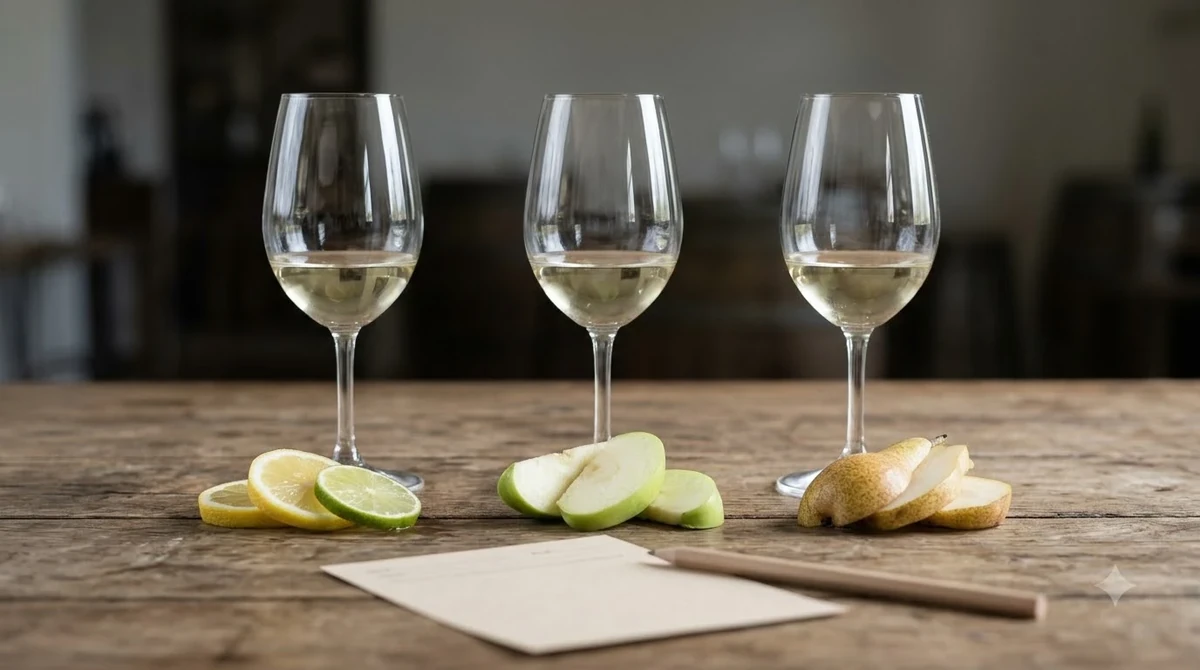
Chardonnay is one of the valley’s signature varieties. Limestone-rich soils are an important feature of several local vineyard sites, and the grape can produce wines with citrus character, balanced acidity, and a range of textures depending on vineyard conditions and cellar choices.
Graham Beck Estate is an important destination for traditional-method sparkling wine, known locally as Cap Classique. Its wines undergo secondary fermentation in the bottle, the same broad production principle used in Champagne. Visitors interested in sparkling wine can compare the freshness of a Brut style with the greater richness that comes from extended lees aging.
Weltevrede Wine Estate is another notable Chardonnay destination. Founded in 1912, the estate remains associated with the Jonker family and emphasizes the relationship between its limestone-rich soils and Chardonnay production. Its visitor experiences include guided tastings and underground cellar activities.
Red wines and regional character
Shiraz and Cabernet Sauvignon are important red varieties in Robertson. Shiraz can offer dark berry fruit, spice, and a substantial palate, while Cabernet Sauvignon generally brings firmer tannins and black-fruit character. These wines provide a useful contrast to the region’s crisp white varieties.
Rietvallei Wine Estate, established in 1864, is one of the valley’s historic family producers. Its portfolio includes a notable Red Muscadel heritage, with a historic vineyard dating to 1908. This makes the estate particularly interesting for visitors who want to understand the region’s older fortified-wine traditions alongside contemporary wines.
Excelsior Wine Estate was founded in 1859 and has 230 hectares of vineyards. Its range includes Chardonnay and red blends, offering an opportunity to compare different expressions from one established property. The estate also provides tasting and food experiences.
Family estates and smaller producers
Bon Courage Estate combines a historic Cape Dutch homestead dating to 1818 with a long-standing winemaking connection to the Bruwer family, which has been associated with the property since 1927. Visitors can combine wine tasting with a meal at Café Maude, making it a useful stop for a relaxed afternoon.
Van Loveren Family Vineyards, established in 1937, is another major regional producer. The third-generation Retief family operates an extensive vineyard estate with more than 1,000 hectares under vine. Its broad portfolio makes it suitable for visitors who want to compare several grape varieties and wine styles in one location.
Other producers add further variety to a tasting itinerary. Springfield Estate emphasizes site expression and minimal intervention, while McGregor Winery offers wines from vineyards between 200 and 350 meters above sea level. Rooiberg Winery is recognizable for its giant red chair and broad selection of white, red, sparkling, and dessert wines.
Rather than attempting to visit every available cellar, choose three or four producers with different specialties. A sparkling-wine specialist, a Chardonnay estate, a historic producer, and a smaller family winery can provide a much more varied experience than visiting several tasting rooms with similar portfolios.
Festival Food, Tastings, and Entertainment
Food is an important part of Robertson’s wine celebrations. Regional festivals typically combine tasting opportunities with local cuisine, market-style vendors, and informal outdoor dining. Visitors can expect a mixture of wine-focused experiences and broader entertainment rather than a program devoted exclusively to formal wine education.
Local olives, olive oil, artisanal cheeses, and farmers’ market produce are among the specialties associated with the area. These ingredients work naturally alongside the valley’s white wines and reds. Cheese platters, fresh bread, olives, and seasonal dishes are useful choices when comparing several wines during an event.
For Chardonnay, consider creamy poultry dishes, grilled vegetables, or seafood preparations that do not overwhelm the wine. A fresher, unoaked style can work particularly well with shellfish and lighter meals. A richer, oak-influenced Chardonnay may suit roasted chicken, mushrooms, or dishes with a buttery sauce.
Shiraz generally pairs well with grilled lamb, beef, and roasted vegetables. Its fruit concentration and spice character complement smoky flavors, while the protein and fat in meat help soften the perception of tannin. Cabernet Sauvignon is another strong choice for grilled red meat, particularly dishes with enough richness to balance its firmer structure.
Sweet Muscadel can accompany desserts, dried fruit, and cheese. The important principle is to select a wine at least as sweet as the dessert. Otherwise, the wine can seem thin or sour beside a particularly sugary dish. This is especially relevant when exploring Robertson’s traditional fortified-wine styles.
Festival entertainment can include live music, outdoor activities, family areas, and scenic vineyard settings. The exact program varies between events. Sip & Savour @ the River, for example, combines wine tastings with local food and family entertainment, while the mountain edition offers a winter-oriented setting with views and seasonal hospitality.
Visitors should allow time between tastings to enjoy the food and entertainment. A festival is not simply a race to sample as many wines as possible. Taking a break for lunch, walking through the venue, and speaking with producers can make the experience more informative and enjoyable.
Tip: Start with sparkling wines and lighter whites, then move toward fuller whites and reds. Finish with sweet or fortified wines. Keep water and food available throughout the event, and arrange transportation before beginning your tastings.
Planning a Robertson Wine Festival Visit
A little preparation can make a substantial difference to a festival weekend. Start by identifying the event venue, confirming the program, and deciding whether to stay in Robertson or a neighboring community. Accommodation can become less convenient to find during popular festival weekends, particularly when several events overlap.
Check the official festival announcement for opening hours, ticket arrangements, participating wineries, age restrictions, and transport services. Some events offer single-day admission and weekend passes, while others operate through individual winery bookings. Complimentary shuttles may be available for specific festivals, but visitors should never assume that transport is included in every event.
The following planning reference helps compare the principal seasonal events and the typical focus of each celebration.
| Event | Typical timing | Main experience |
|---|---|---|
| February harvest celebration | February | Harvest activities and winery experiences |
| Wacky Wine Weekend | June | Regional wine tastings and participating estates |
| Sip & Savour @ the Mountains | June 5–6, 2027 | Winter wine, food, and entertainment |
| Robertson Slow | Usually early August | Relaxed regional wine and lifestyle experiences |
| Sip & Savour @ the River | October 31–November 1, 2026 | Wine, food, live music, and family activities |
These dates describe established seasonal patterns and specifically announced festival editions. They should not be treated as a guarantee that every event will run on identical dates each year. Organizers can change venues, schedules, and participating wineries, so check the relevant event announcement before making travel arrangements.
Choosing accommodation
Robertson offers accommodation ranging from guesthouses and boutique hotels to self-catering cottages on working farms. Staying close to the town center is convenient for visitors who want access to restaurants and local services. A farm stay can provide a quieter experience with vineyard views and easier access to particular estates.
Bonnievale and McGregor are alternatives for visitors who prefer a smaller community or want to explore a different part of the valley. The choice should depend on the location of the festival and the wineries on the itinerary. If the event offers a shuttle, staying near one of its designated pickup points may be more practical than selecting accommodation based only on scenery.
Transport and timing
Driving distances between wine estates can look short on a map, but tastings and meals take time. Plan for a small number of stops rather than trying to cover the whole valley in a single afternoon. A designated driver, private transfer, or organized tour is preferable when wine tasting is a major part of the day.
South African summer weather can be hot, so bring comfortable clothing, sunglasses, and a hat for outdoor events. Winter visits can be cooler, with occasional rain and snow on the surrounding mountains. A light jacket and practical footwear are useful for walking between tasting areas and outdoor entertainment spaces.
Visitors should also consider the length of their trip. A single festival day works well for people focused on one event, but two or three days allow time for cellar visits, restaurants, river activities, and nearby towns. This longer format makes it easier to appreciate the diversity of the Robertson region without rushing from one tasting room to another.
Building a Wine Tasting Itinerary Along Route 62
A successful Robertson itinerary combines different wine styles, food experiences, and time outdoors. The valley’s five principal wine-route towns provide enough variety for a multi-day trip, while a focused weekend can still include several memorable producers. The best approach is to group visits geographically and leave time between appointments.
For a first day, begin with a visit to a sparkling-wine producer such as Graham Beck. A morning tasting offers an introduction to Cap Classique production and the differences between sparkling styles. Follow this with a leisurely lunch and a Chardonnay tasting at Weltevrede or another nearby estate.
For the second day, concentrate on red wines and regional heritage. Rietvallei provides an opportunity to explore the area’s fortified-wine history, while Excelsior offers another perspective through its Chardonnay and red blends. Bon Courage is a good option for combining a cellar visit with a meal.
Visitors interested in smaller producers can add Springfield Estate or McGregor Winery to their schedule. These stops provide a different perspective on vineyard sites, winemaking decisions, and the relationship between individual estates and their surroundings. Appointment requirements vary, particularly for smaller producers, so arranging visits ahead of time is helpful.
A third day can focus on the wider valley. Explore Bonnievale and Ashton, visit local food producers, or spend time around McGregor. If the weather permits, consider a river cruise or outdoor activity along the Breede River. Hiking, mountain biking, canoeing, golf, and horse riding are among the area’s recreational possibilities.
Travelers comparing regional wine celebrations elsewhere can also read about the Livermore wine festival and the Indiana wine festival. These destinations provide useful contrasts in terms of climate, local grape varieties, and the way regional wine communities organize public events.
Keep tasting notes during the trip. Record the producer, grape variety, wine style, and any distinctive aromas or flavors. A simple note about whether a Chardonnay was crisp and citrus-driven or richer and more rounded can be more useful later than a long description written after several tastings.
It is also helpful to ask winery staff about the differences between their wines. Questions about fermentation vessels, vineyard soils, grape selection, and aging can provide insights that are not always apparent from the glass. Many Robertson estates offer visitors opportunities to learn about their production methods in addition to sampling finished wines.
Frequently Asked Questions
Is Robertson part of South Africa’s Wine of Origin system?
Yes. Robertson is a recognized wine district within South Africa’s Wine of Origin system and is classified within the Coastal Region. Its nine production wards provide a geographical framework for identifying the origin of certified wines. This classification helps distinguish regional identity from the name of an individual winery.
What does Cap Classique mean on a Robertson sparkling wine label?
Cap Classique identifies South African sparkling wine made using the traditional bottle-fermentation method. Secondary fermentation takes place inside the bottle, creating the bubbles naturally. The designation is particularly relevant when visiting Robertson producers specializing in Chardonnay-based sparkling wines.
Does Robertson produce naturally sweet fortified wine?
Yes. Muscadel is an established regional specialty, and Robertson has a long association with sweet fortified wines. Rietvallei’s historic Red Muscadel vineyard dates to 1908. These wines provide an important connection between the region’s traditional wine heritage and its contemporary portfolios.
Can visitors attend Robertson winery tastings without joining a festival?
Yes. Many estates welcome visitors for individual cellar tastings throughout the year. Some smaller producers operate by appointment, and availability can differ on public holidays or during private functions. Booking directly with the winery is useful when a particular tasting experience is important to the trip.
Why is the Robertson region sometimes called the Valley of Wine and Roses?
The name reflects the area’s association with vineyards, agricultural heritage, and roses. Roses have historically been associated with wine estates and are part of the region’s distinctive identity. The phrase is also used in regional tourism promotion to communicate the valley’s combination of wine culture and countryside hospitality.
Robertson offers much more than a single weekend of wine tasting. Its seasonal festivals, historic estates, sparkling-wine specialists, and local food culture make it a rewarding destination along South Africa’s Route 62. Plan around the event calendar, choose a few contrasting wineries, and leave enough time to enjoy the valley beyond the tasting room.
More in Wine Regions
 Willcox Wine Trail: Discover Arizona’s High-Elevation Wine CountryUpdated Nov 20, 2026
 Yakima Valley Wine Region: Find the Best Styles to TryUpdated Nov 20, 2026
 Vosne Romanee Wine Tasting: Identify Aromas and Choose Better PairingsUpdated Nov 20, 2026
 Yakima Valley Wine Festival: Find the Best Seasonal Wine EventsUpdated Nov 20, 2026
 Wales Vineyards: Discover Cool-Climate Wines and Where to VisitUpdated Nov 20, 2026
 Yountville Wine Festival: Discover Napa Wines and Local FoodUpdated Nov 20, 2026