


We may earn a commission when you buy through links on this page, at no extra cost to you. Learn more.
The best riesling substitute is Chenin Blanc, particularly from France’s Loire Valley, because it can offer similarly high acidity and a range of sweetness levels. For a dry, crisp alternative, try Austrian Grüner Veltliner, Spanish Albariño, or Hungarian Furmint. If you enjoy Riesling primarily for its floral aromas and fruity character, Gewürztraminer, Torrontés, and Moscato are also excellent options. The right replacement depends on whether you want sweetness, refreshing acidity, aromatic intensity, or a combination of all three.
Riesling is one of the most versatile white wine grapes, appearing in everything from lean, bone-dry bottles to richly sweet dessert wines. That flexibility can make finding an alternative seem difficult, especially if you rely on Riesling for particular foods or recipes. Fortunately, several other white grapes offer comparable characteristics, although each brings its own personality. This guide compares the best alternatives, explains what to look for on wine labels, and helps you select a bottle that suits your preferences.
What Makes a Good Riesling Substitute?
A good replacement should match the characteristics you enjoy most about Riesling rather than simply being another white wine. Acidity, sweetness, body, and aromatic intensity are the four main characteristics to consider when choosing an alternative.
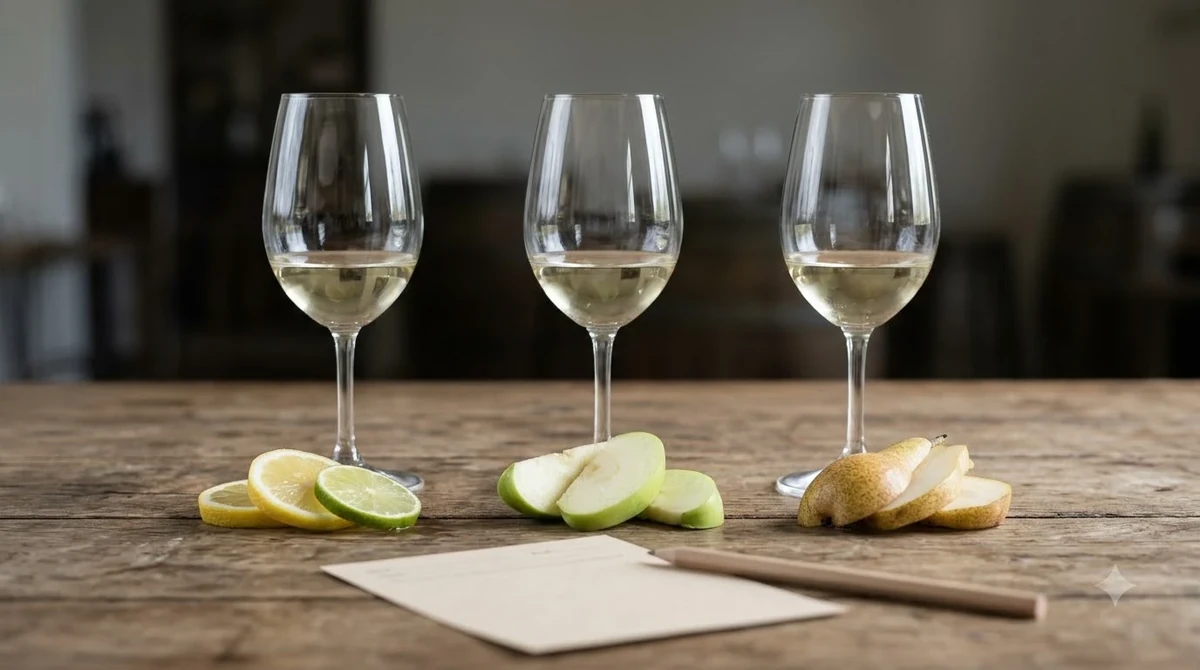
Acidity is particularly important. Riesling naturally has high acidity, which creates a refreshing sensation and balances any remaining grape sugar. This relationship between sweetness and acidity gives the wine its distinctive sweet-and-sour character. A substitute with comparable acidity will generally feel fresher and more lively than a softer, rounder white wine.
Sweetness is the next consideration. Riesling is not automatically sweet. Fermentation determines how much natural grape sugar remains in the finished wine, so bottles can range from completely dry to intensely sweet. If you usually drink German off-dry Riesling, a bone-dry Sauvignon Blanc might seem too sharp and austere. Chenin Blanc is often a better choice because it is also made across a broad range of sweetness levels.
Body and aromas also influence how similar two wines feel. Riesling is typically light to medium-bodied, with aromas of lime, green apple, peach, flowers, and sometimes a distinctive petrol-like note in mature bottles. Gewürztraminer can match its aromatic intensity but usually feels fuller and softer. Pinot Blanc offers a lighter texture but generally has less pronounced aromatics.
The following comparison provides a practical starting point. Acidity and sweetness descriptions refer to typical styles rather than every bottle made from a particular grape.
| Wine variety | Typical acidity | Typical sweetness | Closest Riesling characteristic |
|---|---|---|---|
| Chenin Blanc | High | Dry to sweet | Acidity and sweetness range |
| Grüner Veltliner | High | Usually dry | Crispness and minerality |
| Albariño | High | Usually dry | Freshness and citrus |
| Furmint | High | Dry to sweet | Acidity and mineral character |
| Gewürztraminer | Low | Dry to sweet | Floral and fruity aromas |
| Torrontés | Medium to high | Usually dry | Floral aromatics |
| Moscato | Low to medium | Usually sweet | Floral fruitiness and sweetness |
| Pinot Blanc | Medium | Usually dry | Light body and fresh fruit |
These comparisons are useful when shopping, but regional differences and winemaking choices can change the result considerably. A dry Vouvray Chenin Blanc, for example, will behave differently from a sweet Vouvray. Similarly, an aromatic Alsace Gewürztraminer may have a noticeably different balance from a lighter, drier example.
Understanding the broader categories in Wine by Type can also help you distinguish between grape characteristics and the choices made during winemaking. For additional background on white wine styles and grape characteristics, see Wine Folly’s overview of common wine types.
Chenin Blanc and Grüner Veltliner: The Closest Alternatives
Chenin Blanc and Grüner Veltliner are two of the strongest Riesling alternatives, but they suit different preferences. Chenin Blanc is the better match for drinkers who appreciate both sweetness and acidity, while Grüner Veltliner is particularly appealing to people who prefer dry, refreshing white wine.
Chenin Blanc comes from France’s Loire Valley and is also widely produced in South Africa. Its naturally high acidity allows winemakers to create several distinct styles without losing freshness. Depending on the region and production method, the wine can taste of green apple, quince, pear, honey, and citrus.
For a Riesling-like sweetness range, explore Vouvray. This Loire Valley appellation produces dry, off-dry, and sweet Chenin Blanc. A dry Vouvray is appropriate for someone who likes crisp Riesling, while a sweeter example can work for someone who normally chooses sweeter German bottles. The combination of fruit, acidity, and texture makes Chenin Blanc one of the most adaptable substitutes available.
Savennières offers another Loire Valley expression. These wines are generally dry, more structured, and savory, with a fuller impression than many light-bodied Rieslings. They are particularly suitable for roast chicken, pork, and richer seafood preparations. South African Chenin Blanc is another useful direction, especially if you want a dry wine with ripe apple and tropical fruit character.
Grüner Veltliner is Austria’s signature white grape and an excellent alternative for fans of dry Riesling. It commonly offers lime, green apple, citrus, and white pepper, supported by refreshing acidity. Its characteristic peppery finish provides a savory element that is less prominent in most Rieslings.
Look for bottles from Wachau, Kamptal, and Kremstal in Austria. These regions produce styles ranging from light and lively to more concentrated and textured. Grüner Veltliner is generally a dependable choice for someone who wants a dry white wine without the richer texture of Chardonnay.
Food pairing is another strength of both varieties. Chenin Blanc works with roast pork, grilled chicken, creamy sauces, and dishes containing apples or herbs. Grüner Veltliner is especially useful with asparagus, green vegetables, schnitzel, and lightly seasoned fish.
Tip: If you are unsure which grape to choose, start with a dry Chenin Blanc from Vouvray and a dry Grüner Veltliner from Austria. Compare their acidity, fruit flavors, and finish. The Chenin Blanc demonstrates Riesling’s sweetness flexibility, while Grüner Veltliner provides a crisp, dry alternative.
Gewürztraminer, Torrontés, and Moscato for Aromatic Wine Lovers
If the floral perfume and expressive fruit of Riesling matter more to you than its acidity, consider Gewürztraminer, Torrontés, or Moscato. These grapes deliver pronounced aromas, although they differ considerably in sweetness, body, and freshness.
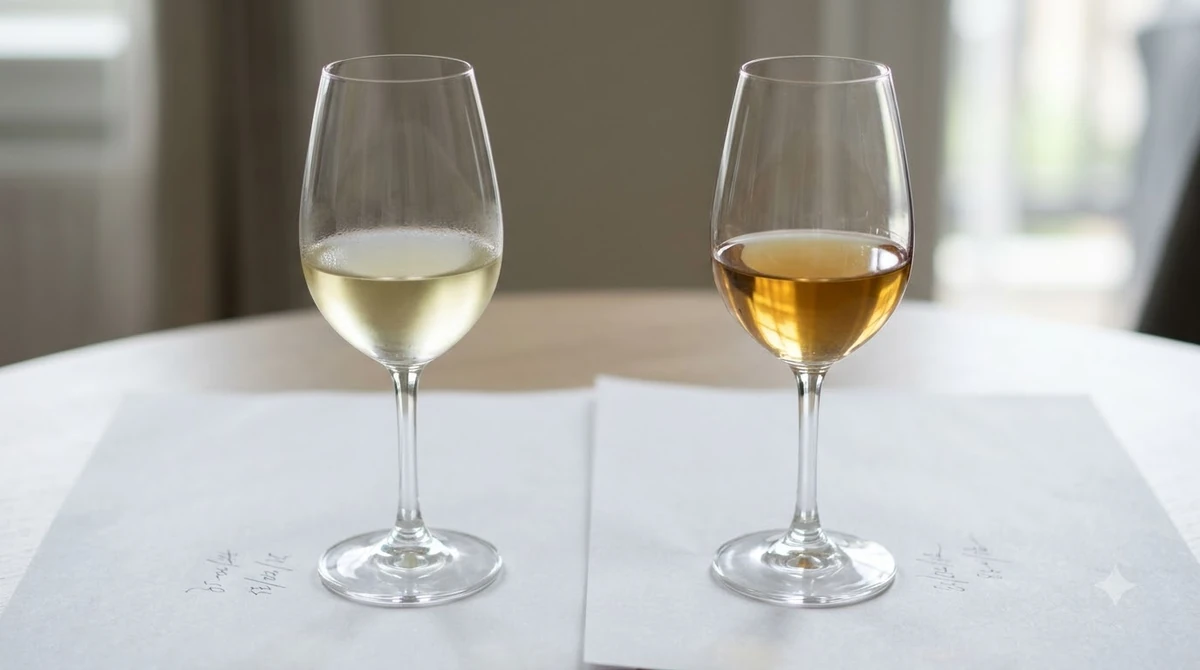
Gewürztraminer is one of the most aromatic white grapes available. Its signature aromas include lychee, rose petals, ginger, orange blossom, and baking spices. Compared with Riesling, it usually has lower acidity and a fuller, sometimes slightly oily texture.
Alsace in northeastern France is an important region to explore for this variety. Alsatian Gewürztraminer can be dry, off-dry, or sweet, depending on the wine. The combination of intense aromas and relatively soft acidity makes it particularly appealing to people who find Riesling too sharp.
Gewürztraminer is also an excellent partner for foods with pronounced aromatic flavors. Try it with Moroccan tagines containing apricots, Indian dishes with ginger and fragrant spices, or strongly flavored cheeses. Its fuller body and expressive perfume help it stand up to ingredients that can overwhelm more delicate white wines.
However, Gewürztraminer is not the best replacement if you specifically want Riesling’s refreshing acidity. A low-acid wine can feel heavy alongside dishes that need a sharp, citrus-like counterpoint. For that reason, consider the food as well as the aroma when selecting a bottle.
Torrontés offers another aromatic option, particularly for people who prefer dry white wine. Argentina is strongly associated with this grape, with Salta being an especially useful region to explore. Higher-elevation vineyards produce expressive wines with rose, peach, lemon, and floral aromas.
Unlike many sweeter aromatic whites, Torrontés is generally made dry. It therefore provides the floral character of Riesling without necessarily reproducing its residual sweetness. Its aromatic intensity makes it a good partner for Thai basil chicken, tofu with peanut sauce, lightly spiced seafood, and dishes containing fresh herbs.
Moscato is the better option if sweetness and floral fruit are your main priorities. Made from Muscat grapes, Moscato commonly displays orange blossom, honeysuckle, peach, pear, and citrus aromas. Many examples are sweet, and some have gentle bubbles.
Moscato d’Asti from Italy is particularly recognizable for its light sparkle and relatively low alcohol content, commonly around 5% to 6% ABV. It is less acidic than Riesling and generally has a softer, more overtly fruity profile. Choose it when you want a pleasant sweet white rather than an exact structural match for Riesling.
These three alternatives also illustrate why aromatic similarity does not necessarily mean structural similarity. Gewürztraminer is richer, Torrontés is usually dry, and Moscato tends to be sweeter and softer. Selecting between them depends on which part of Riesling you want to reproduce.
Albariño, Furmint, and Pinot Blanc for Crisp Dry Alternatives
For drinkers who prefer dry Riesling, Albariño, Furmint, and Pinot Blanc provide three different approaches to freshness. Albariño emphasizes citrus and saline character, Furmint combines acidity with mineral intensity, and Pinot Blanc offers a gentler, lighter-bodied profile.
Albariño is a Spanish white grape particularly associated with Rías Baixas in Galicia. Its coastal origins are reflected in wines that frequently show lemon, peach, green apple, and a subtle saline impression. High acidity makes it refreshing and particularly suitable for seafood.
Choose Albariño when you enjoy the citrus freshness of dry Riesling but want something with a more coastal character. It is an especially good match for oysters, shrimp, grilled white fish, calamari, and shellfish dishes. Its relatively light body also works with salads and fresh cheeses.
Albariño is generally dry, so it is not a direct substitute for sweet Riesling. However, its freshness makes it a practical alternative for everyday meals and warm-weather occasions. It is also a good choice when you want an aromatic white without pronounced floral sweetness.
Furmint is a Hungarian white grape strongly associated with the Tokaj region. Although it is used in sweet wines, dry Furmint offers a compelling alternative for people who appreciate Riesling’s high acidity and mineral character.
Dry examples can display citrus, green apple, smoke, herbs, and stony mineral notes. Their acidity helps keep the wines fresh, while their texture can be somewhat more substantial than that of a delicate Riesling. Furmint is worth exploring if you want something less familiar without moving too far from the crisp, structured white wine style.
Tokaj is especially interesting because the region is also famous for sweet wines made from grapes affected by noble rot. These wines can provide concentrated sweetness balanced by acidity, making them relevant to drinkers who enjoy sweeter Riesling. However, dry Furmint and sweet Tokaji wines are quite different drinking experiences.
Pinot Blanc, also known as Weissburgunder in Germany and Austria, is a more understated alternative. It generally has a light to medium body, moderate acidity, and flavors of pear, peach, lemon zest, and sometimes wet stone.
Compared with Riesling, Pinot Blanc is usually less aromatic and less sharply acidic. That makes it a sensible option for people who enjoy the gentle fruit flavors of Riesling but prefer a softer wine. Look for examples from Germany, Austria, or northern Italy.
Pinot Blanc pairs particularly well with summer salads, shrimp, mild cheeses, roast chicken, and delicate fish preparations. Its moderate intensity allows it to accompany food without overpowering subtle ingredients.
For a quick comparison, consider these typical serving temperatures:
| Alternative | Serving temperature | Good food pairing |
|---|---|---|
| Chenin Blanc | 45–50°F | Roast pork and chicken |
| Grüner Veltliner | 45–50°F | Vegetables and schnitzel |
| Gewürztraminer | 45–50°F | Spiced dishes and strong cheese |
| Torrontés | 45–50°F | Thai food and aromatic herbs |
| Moscato | 43–50°F | Fruit desserts and mild cheeses |
| Albariño | 45–50°F | Oysters and grilled seafood |
| Furmint | 45–50°F | Smoked fish and roast poultry |
| Pinot Blanc | 45–50°F | Salads and shrimp |
These temperatures are practical starting points for light and medium-bodied white wines. Fuller or more concentrated examples may benefit from slightly warmer service to reveal their aromas. Avoid serving every white wine extremely cold, since excessive chilling can mute fruit and aromatic complexity.
Choosing a Substitute for Sweet Riesling
Sweet Riesling requires a different replacement strategy from dry Riesling. The best options are usually sweet or off-dry Chenin Blanc, Moscato, and selected Gewürztraminer styles because they provide noticeable fruit and sweetness rather than simply high acidity.
Chenin Blanc is the closest match if you want sweetness supported by refreshing acidity. Vouvray is an excellent starting point because the appellation produces dry, off-dry, and sweet wines. The sweeter styles can show honey, quince, ripe apple, and stone fruit, while the acidity prevents the wine from feeling completely flat.
Another option is Moscato, especially if you prefer floral aromas and a softer, sweeter experience. Moscato d’Asti is lightly sparkling, making it particularly enjoyable as an aperitif or alongside fresh fruit. Its lower alcohol content also distinguishes it from many traditional still white wines.
Gewürztraminer can work for people who enjoy the aromatic side of sweet Riesling. Some examples from Alsace have noticeable residual sugar and rich notes of lychee, rose, and ginger. However, its lower acidity means it generally feels fuller and less refreshing than a sweet Riesling with pronounced acidity.
When selecting a sweet substitute, pay attention to the balance between sweetness and freshness. A wine that is sweet but lacks sufficient acidity can taste heavy, especially alongside rich desserts. The best match is usually a wine with enough freshness to keep the sweetness in balance.
Food pairing becomes especially important here. A useful rule is to choose a wine that is at least as sweet as the dessert. A dry wine alongside a very sweet cake or fruit tart can taste thin and sour. Sweet Chenin Blanc and Moscato are often better choices for fruit-based desserts, while sweeter Gewürztraminer can complement aromatic pastries and spiced desserts.
For savory dishes, off-dry wines are particularly useful. Their sweetness can balance the heat of spicy food, while their acidity refreshes the palate. Try an off-dry Chenin Blanc with Thai curry or a slightly sweet Gewürztraminer with fragrant Indian dishes.
Remember that sweetness and alcohol are separate characteristics. A sweet wine does not automatically have high alcohol, and a dry wine does not necessarily have low alcohol. Moscato d’Asti, for example, can be sweet and relatively low in alcohol, whereas a dry aromatic white may have a substantially higher alcohol level.
Using Riesling Substitutes in Cooking and Food Pairing
The best wine for cooking depends on what Riesling contributes to a dish. In many recipes, it provides acidity, fruitiness, and sometimes a little sweetness, so Chenin Blanc, Sauvignon Blanc, and Albariño are useful alternatives for different cooking situations.
For sauces and seafood: Dry Chenin Blanc is an excellent replacement in cream sauces, seafood preparations, and recipes involving butter or lemon. Its acidity helps balance richness without introducing excessive sweetness. Albariño also works well with shrimp, mussels, and white fish because its citrus and saline characteristics complement seafood flavors.
For sweet-and-sour dishes: Off-dry Chenin Blanc can replace off-dry Riesling in recipes that benefit from a combination of sweetness and acidity. It is useful in sauces containing fruit, vinegar, ginger, or mild spices. If the recipe requires only a small amount of wine, use a style whose sweetness level is close to the original ingredient.
For aromatic dishes: Torrontés and Gewürztraminer can work with recipes featuring ginger, herbs, and fragrant spices. Torrontés is especially useful when you want aromatic intensity without adding much sweetness. Gewürztraminer provides a richer floral profile, so use it carefully in delicate sauces where a strong aroma could dominate.
For spicy food: Off-dry Chenin Blanc is often a better choice than a high-alcohol, tannic wine. Riesling’s combination of acidity and sweetness is one reason it works with spicy Thai, Vietnamese, and Indian cooking. A similarly balanced alternative can perform the same role.
There are a few practical considerations when replacing wine in a recipe. First, do not substitute a very sweet Moscato for a dry Riesling unless the dish is designed to accommodate additional sugar. Second, avoid heavily oaked Chardonnay when the original recipe relies on a clean citrus flavor. Third, consider the amount of liquid required: a small splash in a pan sauce has a different impact from a full cup in a braise.
For a nonalcoholic alternative, use a combination of white grape juice and a small amount of lemon juice or white wine vinegar, adjusting the quantities to the recipe. Grape juice supplies fruit sweetness, while the acidic ingredient restores some of the brightness that wine would normally contribute. This is not an exact wine replacement, but it can work in many sauces and marinades.
Food pairing also depends on the structure of the finished wine. High-acid whites such as Sauvignon Blanc, Chenin Blanc, and Riesling are useful with acidic foods because they can maintain freshness. Salt and fat can soften the perception of tannin, although tannin is generally less relevant with these white wine alternatives. Oily fish is usually better paired with crisp whites than heavily tannic reds.
If you enjoy experimenting with the original grape in mixed drinks rather than replacing it entirely, a Riesling cocktail offers another way to use its fruit and acidity. You can also explore Riesling color to understand how appearance can change with grape ripeness, winemaking, and bottle age.
Frequently Asked Questions
What is the closest wine to Riesling in taste?
Chenin Blanc is often the closest overall alternative because it combines high acidity with a wide range of sweetness levels. Some Loire Valley examples also develop honeyed and waxy characteristics with age. Dry Grüner Veltliner is another strong choice if you prefer citrus and mineral flavors.
Can Pinot Grigio replace Riesling?
Yes, particularly in recipes or meals where you need a light, dry white wine. Pinot Grigio generally has a softer aromatic profile and less pronounced acidity than Riesling. Italian examples are commonly crisp and uncomplicated, while Pinot Gris from Alsace can be fuller and sometimes sweeter.
Is Sauvignon Blanc sweeter than Riesling?
Most Sauvignon Blanc is dry, whereas Riesling can range from bone-dry to dessert-sweet. Sauvignon Blanc typically emphasizes grapefruit, lime, fresh herbs, and green fruit. It is therefore a better replacement for dry Riesling than for off-dry or sweet styles.
Can Pinot Gris be used instead of Riesling in German recipes?
Yes. Pinot Gris can replace Riesling in many poultry, pork, and seafood recipes, particularly when a dry white wine is required. In Germany, Pinot Gris is commonly called Grauburgunder, and some examples have a fuller texture than traditional light-bodied Riesling.
Does Riesling have a grape variety with the same parentage as it?
No common substitute reproduces the complete genetic and sensory identity of Riesling. Chenin Blanc, Gewürztraminer, and Grüner Veltliner are separate grape varieties with their own growing requirements and flavor profiles. Their usefulness as substitutes comes from shared sensory characteristics rather than close genetic relationships.
The best Riesling substitute depends on what you want from the original wine. Choose Chenin Blanc for versatility and sweetness, Grüner Veltliner or Albariño for crisp dryness, and Gewürztraminer or Moscato for expressive aromas. Exploring these varieties from regions such as the Loire Valley, Austria, Alsace, and Rías Baixas will help you find a white wine that suits your palate and your table.
More in Wine Types & Grapes
 What Does Mourvèdre Taste Like? Flavor Profile, Regions, and PairingsUpdated Nov 20, 2026
 What Does Marsanne Taste Like? Flavors, Styles, and Food PairingsUpdated Nov 20, 2026
 What Does Malvasia Taste Like? Styles, Flavors, and Food PairingsUpdated Nov 20, 2026
 What Does Grenache Blanc Taste Like? Flavor Profile, Styles, and PairingsUpdated Nov 20, 2026
 What Does Garnacha Taste Like? Key Flavors, Styles, and Pairing TipsUpdated Nov 20, 2026
 What Does Fruit Wine Taste Like? A Complete Flavor and Style BreakdownUpdated Nov 20, 2026