

We may earn a commission when you buy through links on this page, at no extra cost to you. Learn more.
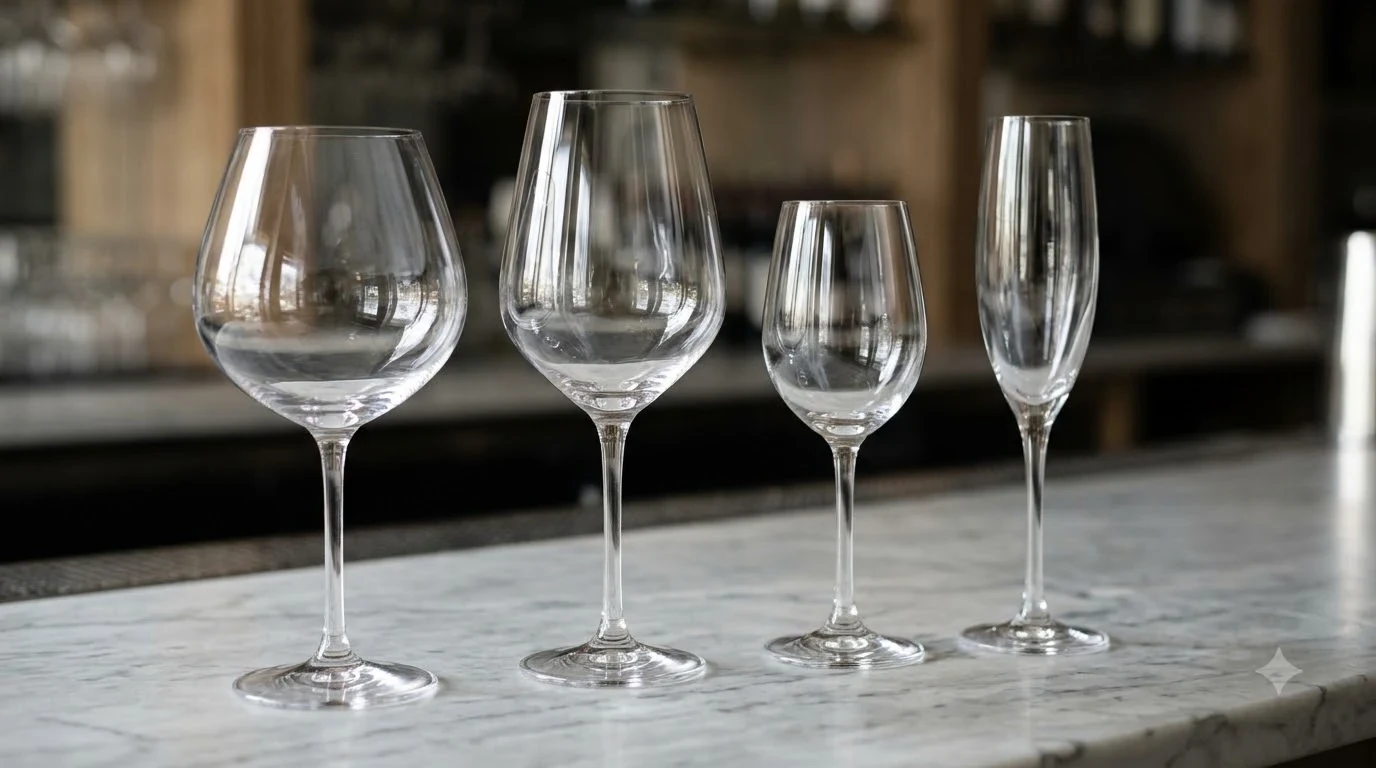
The Riedel wine glasses set of 6 is a worthwhile choice for wine drinkers who want crystal glassware with different shapes for red wine, white wine, sparkling wine, and mixed drinks. The GRAPE@RIEDEL six-piece assortment is particularly interesting because it includes three distinct glass designs rather than six identical glasses. Its main advantages are versatility, attractive presentation, and dishwasher-safe construction, while its biggest limitation is that buyers looking for six matching wine glasses may prefer a different Riedel collection.
Riedel has a long-established reputation for designing wine glasses around grape varieties and drinking styles. Its collections range from practical everyday stemware to specialized crystal glasses with distinctive proportions. A six-piece set can be an appealing introduction to the brand, but the exact assortment matters: Riedel offers several collections, and a six-piece package does not necessarily mean six interchangeable glasses. This review examines the GRAPE@RIEDEL assortment as a representative six-piece option, its practical strengths, its limitations, and what to consider before choosing another Riedel set.
Specs and Key Features
The GRAPE@RIEDEL six-piece set is a mixed-glass assortment designed to accommodate different drinks and occasions. Its six glasses are divided among three designs, giving households more flexibility than a conventional package containing one repeated shape. The combination is especially useful for entertaining guests who drink different wine styles.
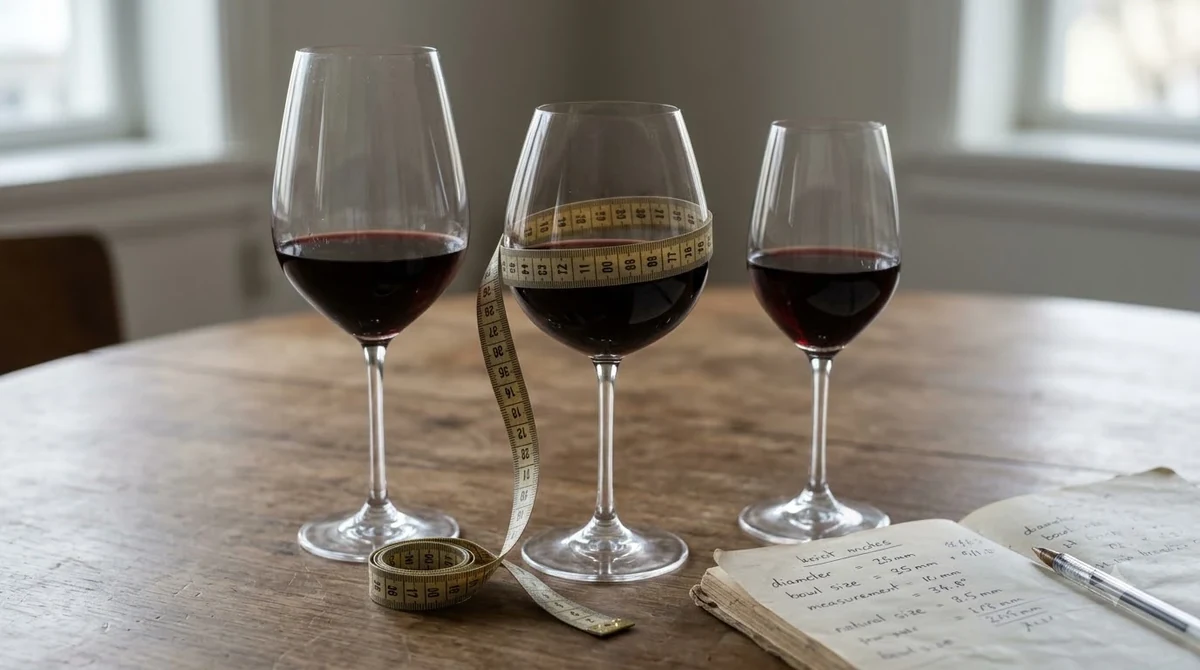
According to Wayfair’s product listing, the set includes crystal glassware with dishwasher-safe construction. Its three intended glass categories cover white wine, Champagne, and spritz drinks; Pinot Noir, Nebbiolo, and aperitivo; and Cabernet, Merlot, and cocktails. This combination gives the collection a broader purpose than a set intended exclusively for red or white wine.
| Specification | Details |
|---|---|
| Brand | Riedel |
| Collection | GRAPE@RIEDEL |
| Set quantity | 6 glasses |
| Glass designs | 3 different styles |
| White wine design | White Wine / Champagne / Spritz |
| Second design | Pinot Noir / Nebbiolo / Aperitivo |
| Third design | Cabernet / Merlot / Cocktail |
| Material | Crystal glass |
| Dishwasher safe | Yes, according to Wayfair |
| Listed dimensions | 4.37 inches wide x 9.25 inches high |
| Listed capacity | 29.28 fluid ounces |
| Logo | Riedel logo on the glass base |
One important distinction concerns the dimensions and capacity. The retailer’s listing provides an overall measurement and capacity, but these should not automatically be interpreted as the individual usable capacity of every glass in the assortment. The three shapes have different intended purposes, so buyers should avoid assuming that every piece has identical proportions.
The crystal construction is an important part of the presentation. Clear glass allows drinkers to examine a wine’s color, clarity, and visual development. That is useful for comparing a pale Sauvignon Blanc with a deeper Chardonnay or observing the difference between a youthful Pinot Noir and a darker Cabernet Sauvignon.
Riedel’s wider catalog also includes collections such as Vinum, Veritas, Veloce, Performance, and Winewings. These collections differ in design, production method, weight, and intended drinking experience. A six-piece mixed assortment should therefore be assessed according to its actual contents rather than treated as interchangeable with every other Riedel package.
What Owners Like
The strongest appeal of the GRAPE@RIEDEL assortment is its variety. Instead of requiring a household to purchase separate packages for different occasions, the six glasses provide three distinct designs that cover several common wine and beverage categories. That makes the assortment particularly appealing to people who enjoy hosting dinners and serving different drinks throughout an evening.
The first design is intended for white wine, Champagne, and spritz drinks. This versatility makes it useful for occasions where guests might begin with sparkling wine before moving to a white wine with dinner. It also avoids the need to dedicate an entire collection of specialized glasses to relatively occasional drinks.
The second design is intended for Pinot Noir, Nebbiolo, and aperitivo. These drinks do not necessarily have identical serving requirements, but grouping them in one glass category provides a practical compromise for a home collection. Pinot Noir and Nebbiolo are particularly relevant examples because both are associated with aromatic red wines, although their structures and regional expressions can differ considerably.
The third design is intended for Cabernet, Merlot, and cocktails. This provides a larger red-wine-oriented option for people who regularly serve fuller-bodied reds. Cabernet Sauvignon generally has higher tannin, while Merlot tends to have softer, medium tannin. A larger bowl can provide room to swirl either wine without immediately bringing the liquid close to the rim.
Owner feedback summarized on Wayfair also highlights the appearance and perceived quality of the assortment. Customers frequently praise the attractive design, clear crystal appearance, and presentation. Some particularly appreciate the balance between a distinctive glass shape and practical everyday use.
Another commonly mentioned positive is the size. Generous glass proportions can make a dining table look more formal and give guests room to swirl their wine. However, this advantage depends on personal preference. People who favor compact glassware or have limited cabinet space may find larger bowls less convenient.
The crystal appearance is another reason buyers may consider Riedel. Clear glass provides a neutral backdrop for wine, unlike colored or heavily decorated drinkware. It also makes it easier to notice sediment, bubbles, and differences in wine color.
For a household that serves several styles of wine, these practical and visual advantages can make a mixed assortment more useful than a set containing six identical pieces. It provides variety without requiring a large glassware collection.
Common Complaints
The main drawback of a mixed six-piece set is that it does not provide six matching glasses. This may sound obvious, but it matters when planning a dinner party, arranging a formal table, or replacing broken pieces. A household expecting six identical wine glasses could be disappointed by an assortment containing three different designs.
For example, a dinner party with six guests drinking Cabernet Sauvignon may require more than the two glasses supplied in the Cabernet/Merlot category. The same issue applies to a gathering where everyone prefers Pinot Noir. The set offers variety, but its distribution is not necessarily ideal for serving one particular wine to a large group.
Glass size can also create practical concerns. The Wayfair listing describes dimensions of 4.37 inches wide and 9.25 inches high. Those proportions are worth considering before purchasing, particularly if the kitchen has low shelves, narrow cabinets, or a compact dishwasher rack.
A large glass can be visually impressive but less convenient to handle around a crowded dining table. It may also require more attention when loading and unloading a dishwasher. Owners who prefer smaller stemware may find the proportions excessive for casual weekday dinners.
Another consideration is the difference between a general assortment and a dedicated varietal-specific collection. Although the GRAPE@RIEDEL glasses cover several beverage categories, they are not a complete collection of specialized shapes for every grape variety.
A wine enthusiast who regularly compares Chardonnay, Riesling, Sauvignon Blanc, Pinot Noir, Syrah, and Cabernet Sauvignon may prefer separate glasses designed around those individual varieties. A mixed set cannot provide every possible bowl shape in only six pieces.
There is also the issue of replacement. A mixed collection can become visually inconsistent if one design is broken and the replacement is difficult to source individually. Buyers should consider whether individual replacement glasses are available through their preferred retailer before treating the assortment as permanent everyday glassware.
Finally, dishwasher-safe does not mean damage-proof. Crystal glassware can still chip, crack, or break if pieces collide during a wash cycle. The availability of machine washing is convenient, but careful loading remains important.
Who Should Buy and Who Should Skip
The GRAPE@RIEDEL six-piece assortment is best suited to households that value variety, presentation, and different serving options. It makes sense for people who enjoy several wine styles rather than concentrating on one grape variety. The assortment is also worth considering as a gift for someone building a home bar or upgrading basic drinkware.
Who should consider buying it?
Wine drinkers who enjoy both red and white wine: The three glass categories cover a useful range of everyday drinks. A household serving Cabernet Sauvignon on weekends, Pinot Noir with lighter meals, and Sauvignon Blanc during warmer weather can make use of the different designs.
People who entertain regularly: Six pieces provide enough glassware for a modest gathering, especially when guests choose different beverages. The mix also adds visual variety to the dining table without requiring several separate sets.
Buyers interested in crystal presentation: The clear crystal construction provides a refined appearance. People who enjoy observing wine color and serving drinks in attractive stemware may appreciate this feature.
Households with varied beverage preferences: The inclusion of Champagne, spritz drinks, aperitivo, and cocktails extends the set beyond conventional wine service. This can make it useful for celebrations, dinner parties, and informal gatherings.
Who should skip it?
People who need six matching red wine glasses: A mixed assortment is not the most practical solution for serving the same red wine to six guests. A dedicated set of Cabernet or universal wine glasses would be more suitable.
Collectors seeking specialized varietal glassware: The three designs do not cover every wine variety individually. Someone who wants separate bowls for Burgundy, Bordeaux, Riesling, and Chardonnay should consider a more specialized collection.
People with limited storage: The listed height of 9.25 inches deserves attention. Tall stemware can be inconvenient in cabinets with fixed shelves, especially when stored alongside other large glasses.
Buyers who prioritize durability above presentation: Crystal glassware requires reasonable care, even when dishwasher safe. Households with very active children, frequent accidental knocks, or limited storage space may prefer simpler everyday glasses.
The most important purchasing decision is therefore not simply whether Riedel is a respected glassware brand. It is whether this particular combination of shapes suits the way the household actually serves wine.
How It Compares to Alternatives
The GRAPE@RIEDEL set occupies a different position from Riedel’s more specialized collections. Its defining characteristic is the assortment of three glass styles, while collections such as Vinum, Veritas, Veloce, Performance, and Winewings offer different approaches to wine-specific glass design. Choosing between them requires considering how many glasses are needed, how specialized the shapes should be, and how frequently the glassware will be used.
RIEDEL Vinum is a useful alternative for buyers who prefer a collection organized around specific wine styles. Its varietal-focused approach makes it more appropriate for households that regularly serve particular grapes and want matching glass shapes. It is worth considering when wine service is the primary purpose rather than mixed-drink versatility.
RIEDEL Veritas is another collection to consider. Its designs offer a more focused wine-glass experience for drinkers who appreciate distinct proportions and dedicated varietal categories. It is a sensible direction for someone building a coordinated glassware collection rather than buying a mixed assortment.
RIEDEL Veloce emphasizes lightness and modern machine-made precision. The manufacturer’s restaurant brochure lists its Cabernet/Merlot glass at 28 US fluid ounces, with a height of 9 3/4 inches and a diameter of 4 inches. Its Pinot Noir/Nebbiolo design has a listed capacity of 25 3/4 US fluid ounces. These specifications illustrate the substantial proportions used in some varietal-specific Riedel designs.
RIEDEL Performance has a different visual identity. Riedel describes its distinctive optic effect as increasing the bowl’s inner surface area to support aroma expression. This collection may appeal to buyers who appreciate both visual design and the manufacturer’s emphasis on the relationship between bowl geometry and wine aromas.
RIEDEL Winewings is the more unconventional option. Its flat, wing-inspired base distinguishes it from traditional rounded wine-glass designs. Riedel presents the collection as a way of increasing wine exposure to air, with different shapes intended for specific grape varieties.
These alternatives should not be considered direct replacements for the GRAPE@RIEDEL six-piece assortment. The latter emphasizes variety across beverages, while the other collections provide different approaches to dedicated wine service.
For broader purchasing advice, the site’s guide to wine glasses is a useful starting point. Buyers concentrating on Cabernet Sauvignon, Merlot, and other fuller-bodied reds can also compare the options in the guide to red wine glasses.
The choice becomes easier when the intended use is clear. Someone who needs one glass for several beverages may appreciate the GRAPE@RIEDEL assortment, whereas a collector who wants six identical pieces should look at a dedicated varietal or universal collection.
There is also a distinction between stemmed and stemless glassware. Riedel’s O Wine Tumbler range provides a stemless alternative, which may suit people who prefer compact storage and a more casual table setting. A comparison of stemless wine glasses can help buyers decide whether traditional stems are necessary for their household.
For a wider overview of the manufacturer’s collections and glassware categories, the Glassware Brands section offers another useful reference point.
Care, Handling, and Everyday Use
Although the GRAPE@RIEDEL listing identifies the glasses as dishwasher safe, good handling practices remain important. Crystal glassware can maintain its appearance for years with sensible cleaning, careful storage, and protection against contact with hard surfaces. The aim is to prevent chips, scratches, and breakage rather than treating dishwasher compatibility as permission for careless handling.
Dishwasher cleaning
Start by arranging the glasses so that they cannot touch one another during the wash cycle. Leave enough space between bowls and stems to prevent movement or collision. Avoid placing tall glasses where a rotating spray arm or another item could strike them.
A gentle wash setting is a sensible choice for delicate stemware. If the dishwasher has a dedicated glassware program, that option may be appropriate. Follow the appliance manufacturer’s loading instructions and the glass manufacturer’s care recommendations rather than assuming that every dishwasher cycle is equally suitable.
Once the cycle finishes, remove the glasses carefully. Holding a glass by its bowl while twisting the stem can place unnecessary pressure on the connection between those parts. A better approach is to support the glass securely without twisting or forcing the stem.
Handwashing and drying
Handwashing is another option, particularly when only one or two glasses need cleaning. Use lukewarm water, a mild cleaning solution, and a soft cloth or sponge. Avoid abrasive pads, harsh scouring materials, and sudden temperature changes.
Rinse thoroughly to remove detergent residue. For drying, use a clean lint-free cloth and support the glass rather than gripping the stem and twisting. If polishing is necessary, work gently around the bowl and base without applying excessive force.
Storage
Store glasses in a cabinet where they have enough space to remain separated. Avoid stacking stemware, since pressure between bowls can cause scratches or cracks. If the glasses are stored upright, ensure the shelf is stable and that the rims cannot contact other objects.
For households with limited cabinet space, measuring the storage area before purchasing is particularly useful. A glass listed at 9.25 inches high may not fit comfortably beneath every kitchen shelf. Width also matters because broad bowls can take up more space than ordinary water glasses.
Tip: Before storing a new six-piece glassware set, measure the cabinet’s usable height and shelf depth. Leave enough room to lift each glass without hitting the shelf above it, and avoid allowing bowls to touch neighboring glasses.
Using the glasses for different wines
The assortment becomes more useful when each design is matched to its intended beverage category. For a red-wine dinner, the Cabernet/Merlot glass is the natural choice for fuller-bodied reds. Cabernet Sauvignon can benefit from a generous bowl that provides room to swirl, while softer Merlot is also suitable for this category.
For Pinot Noir, the dedicated Pinot Noir/Nebbiolo design is the more appropriate option. Pinot Noir generally has lower-to-medium tannin and relatively high acidity. Its aromatic character makes a suitable bowl particularly relevant when serving lighter-bodied red wines.
For white wine, the white wine/Champagne/spritz category provides a versatile option. Sauvignon Blanc has high acidity and is often served at 45 to 50 degrees Fahrenheit. Chardonnay generally has medium acidity and is commonly served at 50 to 55 degrees Fahrenheit when full-bodied.
For sparkling wine, the same category can be useful for casual celebrations and mixed-drink service. Sparkling wine is generally served at 40 to 50 degrees Fahrenheit. A suitable glass should allow the drinker to appreciate the wine’s bubbles and aromas while providing comfortable handling.
Remember that glass shape is only one part of serving wine well. Temperature, wine quality, freshness, and the food being served all affect the experience. A suitable glass can help with aroma and presentation, but it cannot compensate for wine served at an unsuitable temperature.
Frequently Asked Questions
Does a Riedel wine glasses set of 6 contain six identical glasses?
Not necessarily. The GRAPE@RIEDEL assortment discussed here contains three different glass designs, with six pieces in total. Other Riedel packages may contain matching glasses, so the collection name and package description matter more than the number six alone.
Are Riedel crystal wine glasses made with lead-free crystal?
The specific retailer listing identifies the GRAPE@RIEDEL assortment as crystal glass but does not provide a detailed chemical composition specification. Buyers who require confirmation of lead content should obtain the manufacturer’s material information for the exact collection rather than assuming that every crystal product has identical composition.
Can Riedel glasses be used for water and juice?
Yes, wine glasses can also serve water, juice, and other nonalcoholic drinks. The larger bowls are particularly useful for serving water at dinner, while the more compact designs can work for smaller pours. Using them for different beverages does not change their basic cleaning requirements.
Can crystal wine glasses develop cloudiness after repeated washing?
Yes, glassware can develop a cloudy appearance from mineral deposits or detergent residue. In some cases, repeated exposure to unsuitable dishwasher conditions can also damage the glass surface. Using appropriate detergent, avoiding excessive heat, and following the manufacturer’s cleaning recommendations can help preserve clarity.
How much wine should be poured into a large Riedel glass?
A standard wine serving is approximately 5 fluid ounces, even when the glass has a much larger total capacity. Leaving room above the wine helps with swirling and aroma appreciation. A large Cabernet glass should therefore not be filled to its rim simply because it can hold substantially more liquid.
The Riedel GRAPE@RIEDEL six-piece assortment is an appealing choice for households that want crystal glassware covering several wine and beverage styles. Its three distinct designs offer more variety than a conventional matching set, although buyers who regularly serve the same wine to six guests may find a dedicated collection more practical. Check the exact assortment, dimensions, and replacement availability before purchasing so the glasses suit both your drinking habits and your storage space.
For buyers who want to verify the assortment’s listed specifications and included glass styles, consult the GRAPE@RIEDEL six-piece product listing.
More in Wine Glasses
 Spiegelau Crystal Wine Glasses That Bring Clarity to Every PourUpdated Nov 21, 2026
 Zalto Crystal Wine Glasses: Are They Worth the Investment?Updated Nov 21, 2026
 Villeroy And Boch White Wine Glasses for a More Cohesive TableUpdated Nov 21, 2026
 Zalto Wine Glasses On Sale: Find the Right Denk’Art GlassUpdated Nov 21, 2026
 Zwiesel Glas Champagne Glasses: Features, Quality and Buying AdviceUpdated Nov 21, 2026
 Zwiesel Glas Decanter Review: A Durable, Elegant Choice for Wine ServiceUpdated Nov 21, 2026