

We may earn a commission when you buy through links on this page, at no extra cost to you. Learn more.
Rice wine carbs vary dramatically by style, ranging from roughly 1 to 1.5 grams per fluid ounce in dry Japanese sake to 7 to 11 grams per tablespoon in sweetened mirin. A standard 4-ounce pour of dry sake contains about 4 to 6 grams of carbohydrates, whereas unsweetened Chinese Shaoxing cooking wine registers close to 0 grams per serving. Unfiltered Korean makgeolli falls in the middle, delivering roughly 5 grams of carbohydrates per 100 grams, or about 7 to 9 grams in a typical 6-ounce pour.
Because the term “rice wine” covers everything from crisp table drinks to syrupy culinary seasonings, checking the exact style on the bottle matters far more than guessing. Unlike grape wine, where yeast ferments natural fruit sugars directly, rice beverages rely on molds and enzymes to convert starches into fermentable sugars before yeast takes over. How much of that converted sugar remains in the finished liquid determines the carbohydrate count in your glass or skillet.
Rice Wine Carbs by Style and Serving Size
The carbohydrate count in rice wine depends primarily on whether the bottle is brewed for sipping dry, served unfiltered, or sweetened for cooking. Standard pours also differ sharply across traditions, with sake served in small 1- to 4-ounce portions and mirin measured by the tablespoon.
Dry Japanese sake sits near the lower end of the carbohydrate spectrum for grain-based drinks. According to standard USDA nutrition data, 1 fluid ounce of sake contains roughly 1 to 1.5 grams of carbohydrates and 39 calories, with virtually zero dietary fiber. A traditional 4-ounce serving brings that total to about 5.7 grams of carbohydrates, making dry sake comparable to a standard glass of crisp white grape wine.
Cooking rice wines split into two completely different nutritional camps. Unsweetened Shaoxing rice wine, a staple in Chinese kitchens, ferments glutinous rice to dryness and registers roughly 0 grams of carbohydrates per 2-ounce measure, though cooking-grade bottles often carry added sodium. Japanese mirin sits at the opposite extreme: traditional hon mirin and commercial mirin-style seasonings rely on arrested fermentation or added syrups to create a glossy glaze, packing 7 to 11 grams of carbohydrates into a single tablespoon.
| Rice Wine Style | Typical Serving Size | Carbohydrates (g) | Approximate Calories | Primary Use |
|---|---|---|---|---|
| Japanese Sake (Dry/Standard) | 1 fl oz (30 ml) | 1–1.5 g | 39 kcal | Sipping / Cooking |
| Japanese Sake (Standard Pour) | 4 fl oz (118 ml) | 4–6 g | 152 kcal | Sipping |
| Chinese Shaoxing Wine (Unsweetened) | 2 fl oz (57 ml) | 0 g | 70 kcal | Cooking / Marinades |
| Korean Makgeolli (Unfiltered) | 6 fl oz (177 ml) | 7–9 g | 86–95 kcal | Sipping |
| Japanese Mirin (Sweet Cooking Wine) | 1 tbsp (15 ml) | 7–11 g | 35–50 kcal | Glazes / Sauces |
Why Rice Wine Has More Carbs Than Grape Wine
Rice wine often carries slightly more residual carbohydrate than bone-dry grape wine because brewers must first break down complex rice starches into simple sugars. During this parallel fermentation process, not every dextrin or unfermented sugar molecule converts completely into ethanol.
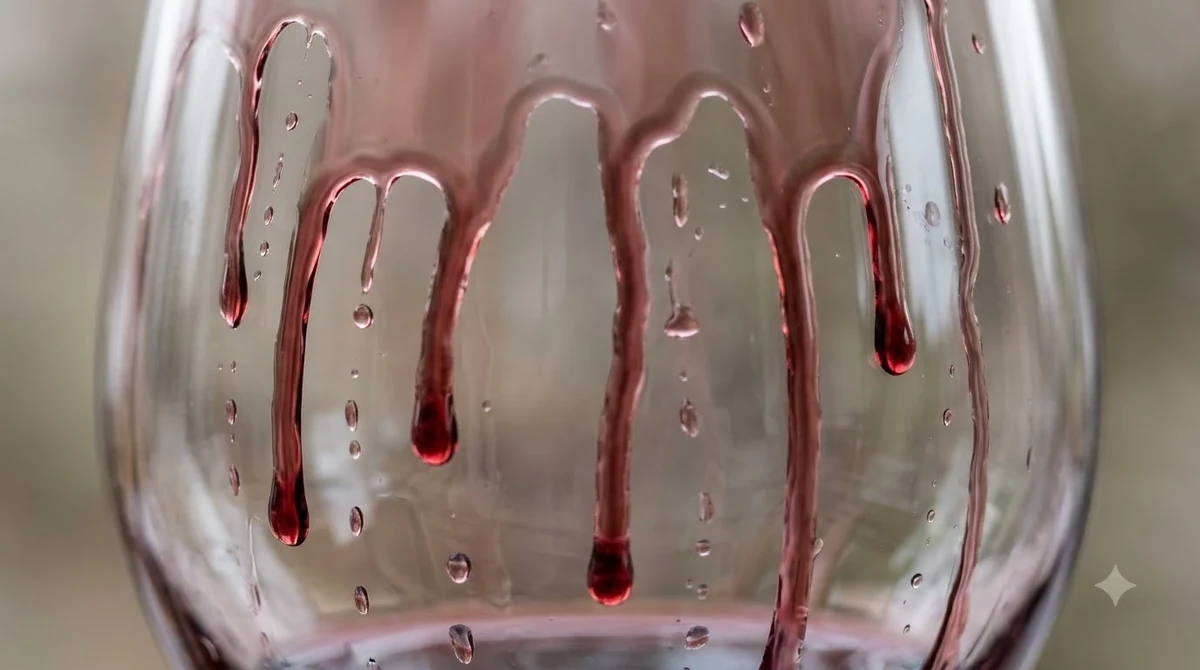
In traditional grape winemaking, yeast consumes glucose and fructose that already exist inside the juice. As outlined in Wine Folly’s guide to carbs in wine, a standard 5-ounce glass of dry grape wine holds between 0 and 4 grams of net carbs because yeast ferments nearly all the natural fruit sugar out of the must. You can see how this plays out across dry red wine carbs, where full fermentation leaves behind only trace amounts of non-fermentable compounds.
Rice contains starch rather than free sugar, so brewers introduce specialized molds—such as koji in Japan or nuruk in Korea—to release enzymes that chop starch chains into glucose while yeast simultaneously turns that glucose into alcohol. This dual-action brewing creates complex amino acids and short-chain carbohydrates called dextrins that yeast cannot fully digest. Even when a brewer labels a sake “dry” on the Sake Meter Value scale, those non-fermentable dextrins remain in the liquid, giving sake its signature rounded mouthfeel alongside 4 to 6 grams of carbs per 4-ounce pour.
Sake, Makgeolli, Shaoxing, and Mirin Compared
Each major East Asian rice wine tradition follows a distinct production path that directly shapes its sugar, alcohol, and carbohydrate profile. Understanding these differences prevents accidental carb spikes when substituting bottles at the dinner table or stove.
Japanese sake is polished, filtered, and brewed to roughly 15 to 16 percent ABV, leaving a clear beverage with minimal sugar and modest carbohydrates. Nigori sake, the cloudy unfiltered style, retains fine rice sediment in suspension, which bumps its carbohydrate and calorie totals slightly higher than clear Junmai or Ginjo bottles. Korean makgeolli takes unfiltered brewing even further: fermented from steamed rice and nuruk without heavy filtration, it finishes at a lower alcohol strength with a milky texture and tangy sweetness. As noted in the MICHELIN Guide’s breakdown of makgeolli, the unfiltered brew retains natural dietary fiber, proteins, and unfermented rice solids, yielding about 5 grams of carbs per 100 grams.
On the pantry shelf, Shaoxing wine and mirin serve entirely different culinary roles despite both being called rice cooking wines. Aged Shaoxing wine resembles dry amontillado sherry in flavor—nutty, oxidized, and savory—with negligible sugar. Mirin, by contrast, is formulated specifically for sweetness and sheen; hon mirin uses higher alcohol (around 14 percent ABV) to halt fermentation while rice starches are still sweet, whereas lower-alcohol mirin-fu seasonings rely on corn syrup or glucose, driving carbohydrate counts up to 11 grams per tablespoon.
Tip: When a recipe calls for mirin and you want to cut carbohydrates, substitute dry sake or unsweetened Shaoxing wine at a 1:1 ratio and add just a pinch of your preferred low-carb sweetener.
How Rice Wine Compares to Other Wines
Measured ounce for ounce, dry rice wine lands right between bone-dry table wines and sweeter dessert styles. Looking at typical pouring sizes helps put those numbers into practical perspective.
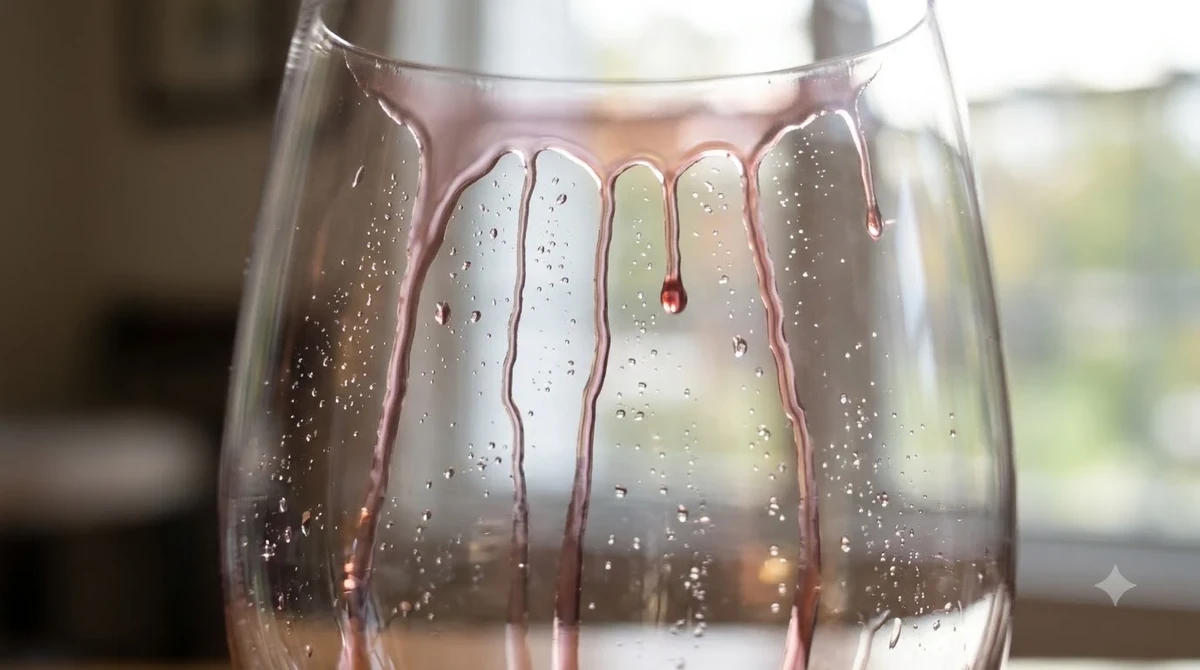
A standard 5-ounce glass of dry Sauvignon Blanc or Cabernet Sauvignon usually delivers 1 to 3 grams of carbohydrates, whereas a 4-ounce pour of dry sake sits at roughly 4 to 6 grams. That gap narrows considerably once you look at off-dry and sweet grape wines. Comparing moscato carbs shows how quickly residual sugar adds up, with a 5-ounce pour of sweet Moscato easily reaching 11 to 16 grams of carbohydrates.
Fruit-forward wine punches and mixed drinks push carbohydrate totals even higher than unfiltered rice beers. Checking sangria carbs reveals that a single glass loaded with citrus juice, liqueurs, and sweeteners often packs 15 to 25 grams of carbs—more than double a 6-ounce glass of traditional makgeolli. If you want to explore how residual sugar varies across still, sparkling, and fortified bottles, browse our complete overview of Wine by Type.
Practical Tips for Tracking Carbs in Cooking and Pouring
Because rice wine shows up both in wine glasses and in marinades, accounting for carbs requires tracking pour sizes and checking ingredient labels. Small adjustments in the kitchen and at restaurants make a noticeable difference.
First, separate drinking pours from cooking splashes when logging your intake. A single tablespoon of dry sake or Shaoxing wine deglazed into a stir-fry contributes roughly 0 to 1 gram of carbohydrate across an entire multi-serving skillet, making its impact negligible. By contrast, a teriyaki glaze built on half a cup of commercial mirin adds 55 to 88 grams of carbohydrates to the pan before any extra sugar or soy sauce goes in.
Second, read the back label on grocery-store bottles carefully, especially in the international aisle. Many commercial cooking wines sold outside liquor stores contain added salt, caramel coloring, or high-fructose corn syrup to comply with local retail laws and extend shelf life. Choosing an unsalted, traditionally brewed Junmai sake or pure Shaoxing wine without added syrups keeps both carbohydrate and sodium levels predictable.
Frequently Asked Questions
Does cooking burn off the carbs in rice wine?
No, heat evaporates alcohol and water, not carbohydrates. While simmering rice wine reduces its ethanol content over time, all residual sugars, dextrins, and added syrups remain concentrated in the pan sauce or marinade.
Is sake low carb compared to beer?
Yes, a standard 4-ounce serving of dry sake contains roughly 4 to 6 grams of carbohydrates, whereas a 12-ounce serving of regular lager beer typically contains 10 to 13 grams. Because sake has a higher alcohol concentration around 15 to 16 percent ABV, you drink a much smaller volume per serving.
Why do some nutrition labels list 0 carbs for Shaoxing wine?
Unsweetened Shaoxing wine ferments nearly all of its converted rice sugars into alcohol, leaving less than 0.5 grams of carbohydrate per tablespoon. Under U.S. FDA rounding rules, manufacturers are permitted to list 0 grams of total carbohydrate when a serving falls below that threshold.
What is the lowest-carb rice wine to buy?
Unsweetened Shaoxing wine and bone-dry Japanese sake styles labeled Karakuchi (dry) or Junmai Dry contain the fewest carbohydrates. Always avoid nigori (unfiltered) sake, sweet makgeolli, and mirin if you are aiming for minimal residual sugar.
Knowing the difference between dry sake, unsweetened Shaoxing wine, unfiltered makgeolli, and sweet mirin takes the guesswork out of counting rice wine carbs. Keep dry, unsweetened bottles on hand for everyday sipping and pan sauces, and reserve syrupy mirin for recipes where a measured touch of sweetness is the main goal.
More in Wine Types & Grapes
 Zinfandel Sugar Content: Dry Red vs. White Zinfandel GramsUpdated Nov 21, 2026
 Best Zinfandel Substitute Options for Sipping and CookingUpdated Nov 21, 2026
 Zweigelt Food Pairing: Best Dishes, Cheeses, and Serving TipsUpdated Nov 21, 2026
 Zinfandel Tannins Explained: How Structure Shapes Every BottleUpdated Nov 21, 2026
 Zinfandel Sweetness Level: Dry Red vs. Sweet White Zin ExplainedUpdated Nov 21, 2026
 Xinomavro Food Pairing: Best Dishes, Styles, and Serving TipsUpdated Nov 21, 2026