

We may earn a commission when you buy through links on this page, at no extra cost to you. Learn more.
Rhône Valley wine tasting is an opportunity to compare the distinctive Syrah-based wines of Northern Rhône with the Grenache-led blends of Southern Rhône, while discovering expressive whites and rosés from southeastern France. The region offers everything from peppery, structured reds to generous, herb-scented blends and aromatic white wines. Understanding its two main growing areas, important appellations, and principal grapes makes it easier to recognize differences in the glass. A thoughtful tasting can include five or six wines and reveal how geography, climate, and winemaking influence each style.
The Rhône Valley follows the Rhône River through southeastern France, connecting vineyards around Lyon with wine-growing areas farther south toward Avignon. Its diversity makes it particularly interesting for comparative tastings: a Syrah from Côte-Rôtie can feel very different from a Grenache-based Châteauneuf-du-Pape, even though both come from the same broad wine region. Whether you are preparing a tasting at home, choosing bottles for a dinner, or learning French wine classifications, start by understanding the north-south divide and the grapes behind the labels.
Understanding the Northern and Southern Rhône
The Northern Rhône is smaller and more focused on Syrah, while the Southern Rhône covers a larger area and produces a broader range of blends and wine styles. Comparing the two areas is the most useful starting point for understanding the region.
The Rhône Valley extends approximately 150 miles from Lyon toward the Rhône Delta, according to Decanter’s Rhône regional overview. Although the river connects the vineyards geographically, conditions change considerably along its course. Northern vineyards are generally cooler, with steep slopes and rocky soils, while the south experiences stronger Mediterranean influences, warmer conditions, and a wider variety of vineyard landscapes.
In the Northern Rhône, Syrah is the principal red grape. Its wines often show black pepper, dark berries, violet, olive, and savory notes. Their tannins can be firm, particularly in structured examples from Hermitage and Cornas. Northern white wines rely on Viognier, Marsanne, and Roussanne. These varieties create very different experiences, from Viognier’s floral aromas and generous texture to the fuller, sometimes nutty character of Marsanne and Roussanne.
The Southern Rhône is best known for Grenache-led red blends. Syrah and Mourvèdre frequently contribute additional structure, color, spice, and savory complexity. Grenache typically provides ripe red fruit and warmth, Syrah adds darker fruit and pepper, and Mourvèdre contributes firm tannins and earthy character. These combinations are commonly described as GSM, an abbreviation for Grenache, Syrah, and Mourvèdre.
Climate and landscape help explain the differences. The northern vineyards include granite-rich hillsides and steep terraces, whereas southern vineyards range from stony plateaus to rolling hills and flatter agricultural landscapes. The Mistral, a strong northwesterly wind, influences vineyards across the region by helping dry moisture around the vines. According to the regional tourism organization, the wider vineyard landscape includes six French departments: Vaucluse, Gard, Drôme, Ardèche, Rhône, and Loire.
For a useful comparative tasting, pour a Northern Rhône Syrah alongside a Southern Rhône GSM blend. Look for differences in fruit ripeness, spice, acidity, tannin, and body rather than assuming that every wine from one area tastes identical. This simple comparison establishes a foundation for exploring individual appellations.
Exploring Northern Rhône Syrah and White Wines
Northern Rhône tasting focuses on distinctive Syrah expressions and aromatic white wines. Côte-Rôtie, Hermitage, Crozes-Hermitage, Saint-Joseph, Cornas, and Condrieu are especially useful appellations to recognize.
Côte-Rôtie is one of the region’s best-known Syrah appellations. Its name means roasted slope, referring to the sunny vineyard exposures. The wines can combine blackberry, raspberry, violet, black pepper, smoke, and savory notes. Some producers also use Viognier alongside Syrah, contributing floral aromas and additional aromatic complexity. The result can be powerful without losing its perfume and freshness.
Hermitage produces another important expression of Northern Rhône Syrah. These wines are often concentrated, structured, and capable of developing over many years. Look for dark fruit, pepper, smoked meat, olive, and earthy flavors. Hermitage also produces white wines from Marsanne and Roussanne, offering a valuable opportunity to compare red and white wines from the same appellation.
Crozes-Hermitage and Saint-Joseph provide additional points of comparison. Crozes-Hermitage covers a larger and more varied vineyard area, producing Syrah that can range from approachable and fruit-driven to more structured. Saint-Joseph offers both red Syrah and white wines based on Marsanne and Roussanne. Cornas, meanwhile, is particularly associated with concentrated, firmly structured Syrah.
Condrieu deserves attention because its white wines are made from Viognier. Expect pronounced floral aromas, peach, apricot, and sometimes honeysuckle. The texture is often broad and rounded, making Condrieu a contrast to the more restrained or mineral expressions found in some other Northern Rhône whites.
What to look for in the glass
When tasting Northern Rhône Syrah, begin with the aroma before assessing its structure. Black pepper, violet, blackberry, olive, and smoky notes are useful reference points. Then consider how the tannins feel: are they fine and integrated, or do they create a firm drying sensation across the gums?
For the white wines, distinguish floral intensity from texture. Viognier is generally aromatic and generous, while Marsanne and Roussanne can provide a broader, more substantial palate. A tasting that includes one Condrieu, one Northern Rhône Marsanne-based white, and two Syrahs offers a balanced introduction to the area.
Discovering Southern Rhône Blends and Appellations
Southern Rhône wines are generally warmer in style, with Grenache playing a central role in many red blends. Châteauneuf-du-Pape, Gigondas, Vacqueyras, Cairanne, and Côtes du Rhône are useful appellations for understanding the area’s range.
Châteauneuf-du-Pape is among the most recognizable Southern Rhône appellations. Its red wines are frequently rich and concentrated, with ripe cherry, blackberry, plum, herbs, leather, and spice. The appellation is also known for its rounded stones, called galets roulés, which can absorb heat during the day and release it during the night. These stones are a recognizable part of the landscape, although the area’s vineyards also include limestone, sand, gravel, and clay.
Grenache is central to many Châteauneuf-du-Pape blends, but the appellation permits numerous other varieties. Syrah and Mourvèdre can contribute additional structure and savory flavors. White varieties are also permitted, and white Châteauneuf-du-Pape offers a different expression of the area’s warm climate and varied soils. The resulting wines can be full-bodied and textured, with flavors ranging from citrus and stone fruit to flowers and mineral notes.
Gigondas is another important Southern Rhône appellation. Its red wines are typically built around Grenache, with Syrah and Mourvèdre adding complexity. Expect ripe red and dark fruit, pepper, herbs, and a substantial structure. Its vineyards include rolling hillsides and elevated terrain near the Dentelles de Montmirail, contributing to differences in exposure and ripening conditions.
Vacqueyras offers another interesting comparison. Its wines often show generous fruit, spice, and a balance between body and freshness. Depending on the producer and vineyard location, they can be more approachable than some of the region’s more concentrated examples. Vacqueyras also produces smaller quantities of white and rosé wine, making it useful for a broader Southern Rhône tasting.
Cairanne is worth exploring for its Grenache-based reds and its more restrained expressions of Southern Rhône character. Côtes du Rhône provides an accessible regional introduction, while Côtes du Rhône Villages identifies a more specific level of geographic origin. Some bottles also carry the name of an individual village, providing additional information about where the grapes were grown.
The Southern Rhône should not be treated as one uniform style. A Grenache-dominant wine may emphasize ripe strawberry, cherry, and warmth, while a blend containing more Syrah and Mourvèdre may show darker fruit, pepper, earth, and firmer tannins. Comparing appellations is a practical way to recognize these differences.
Recognizing Rhône Grapes and Their Flavor Profiles
Understanding the principal grapes makes Rhône wine labels easier to interpret and helps explain why wines from neighboring appellations can taste so different. Start with Grenache, Syrah, and Mourvèdre for reds, then explore Viognier, Marsanne, and Roussanne for whites.
Grenache is particularly important in the Southern Rhône. It commonly produces wines with ripe strawberry, raspberry, cherry, and sometimes plum flavors. Its relatively generous fruit and warmth make it an important blending component. Depending on the growing conditions and winemaking, Grenache can create approachable wines or more concentrated examples with substantial alcohol and structure.
Syrah is the signature red grape of the Northern Rhône, although it is also widely used in Southern Rhône blends. Typical flavor associations include blackberry, blueberry, black pepper, violet, olive, and smoked meat. Syrah generally has medium-plus to high tannin, making it a natural partner for richer meat dishes and foods with sufficient flavor intensity.
Mourvèdre contributes structure and savory complexity to many Southern Rhône blends. Its flavors can include dark fruit, herbs, earth, and spice. It generally brings firmer tannins and can help balance Grenache’s ripe fruit character. The proportions of these three grapes influence the resulting wine, but producer choices, vineyard location, and vintage conditions remain important.
Important white varieties
Viognier is known for floral aromas, peach, apricot, and a rounded texture. It is the principal grape in Condrieu and may appear in some Northern Rhône red blends. Marsanne and Roussanne are important Northern Rhône white varieties, producing wines with broader textures and flavors that can include pear, stone fruit, nuts, and herbs.
Southern Rhône whites may include Grenache Blanc, Clairette, Roussanne, Marsanne, Bourboulenc, and Viognier. These grapes can be blended to balance aromatic intensity, acidity, texture, and weight. Some wines emphasize freshness and citrus, while others are fuller and more rounded.
The following table provides a practical reference for organizing a tasting. These are general stylistic expectations rather than fixed descriptions of every bottle.
| Grape or blend | Common flavor profile | Typical structure | Useful appellation |
|---|---|---|---|
| Syrah | Blackberry, pepper, violet, olive | Medium-plus to high tannin | Côte-Rôtie |
| Grenache | Cherry, raspberry, strawberry, spice | Generous fruit, medium tannin | Southern Rhône |
| Mourvèdre | Dark fruit, earth, herbs | Firm tannin, substantial structure | Southern Rhône blends |
| GSM | Red fruit, dark berries, pepper, herbs | Medium to full-bodied | Gigondas |
| Viognier | Apricot, peach, flowers | Fuller texture, aromatic profile | Condrieu |
| Marsanne | Pear, nuts, herbs | Medium to full-bodied | Hermitage Blanc |
| Roussanne | Stone fruit, flowers, herbal notes | Textured, generally fuller-bodied | Saint-Joseph Blanc |
For beginners, the best exercise is to taste individual grape varieties where possible before moving to blends. A Northern Rhône Syrah can establish a reference for pepper, dark fruit, and tannin, while a Southern Rhône Grenache-based wine demonstrates a different combination of ripe fruit and spice. Adding a Viognier and a Marsanne-based white completes a useful introductory selection.
Planning a Rhône Valley Wine Tasting
A successful tasting should move from lighter wines toward fuller, more structured examples. Five or six carefully selected bottles are usually enough to demonstrate the major regional differences without overwhelming the palate.
Start with a fresh Southern Rhône white or a Northern Rhône white, depending on the bottles available. A Viognier-based wine is a good opening choice if you want to explore aromatic intensity. Follow it with a Marsanne or Roussanne-based white to compare texture and flavor development. Next, pour a lighter Southern Rhône red before moving to Northern Rhône Syrah and a more concentrated Southern Rhône blend.
A useful six-wine sequence is:
- Condrieu: Begin with aromatic Viognier, focusing on peach, apricot, and floral aromas.
- Hermitage Blanc: Compare the fuller texture and different aromatic profile of Marsanne and Roussanne.
- Côtes du Rhône Rouge: Introduce Grenache-led blending and approachable Southern Rhône fruit.
- Crozes-Hermitage: Explore Northern Rhône Syrah, paying attention to pepper, dark berries, and tannin.
- Gigondas: Compare a fuller Southern Rhône blend with the preceding Syrah.
- Châteauneuf-du-Pape: Finish with a more concentrated, complex Southern Rhône red.
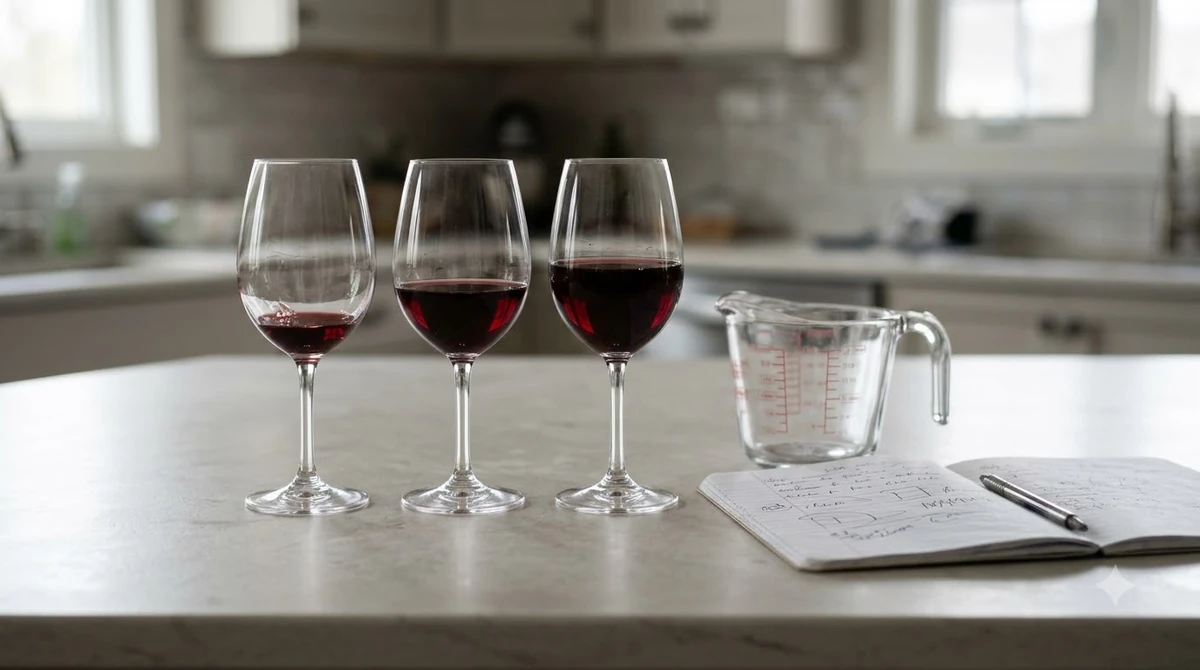
Keep the tasting conditions consistent. Use clean, similarly shaped wine glasses, pour approximately 5 ounces when serving a full glass, and provide smaller tasting pours when comparing six wines. A standard 750-milliliter bottle contains approximately five standard 5-ounce servings, so one bottle of each wine is generally sufficient for a small group with tasting-size pours.
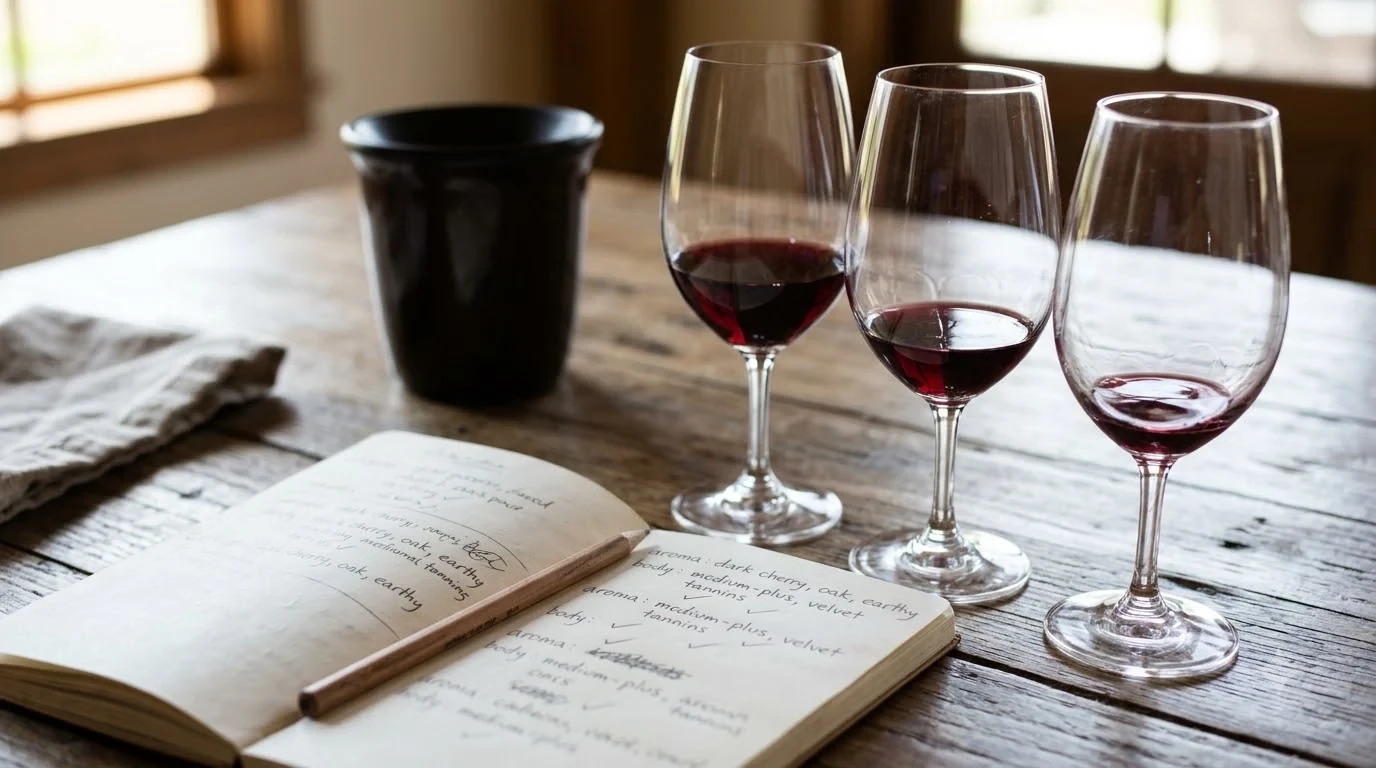
Pay attention to appearance, aroma, flavor, and finish. The appearance can provide clues about concentration and development, but aroma and palate are more informative when identifying grape varieties and regional character. Swirl the glass gently and revisit each wine after a few minutes to see how its aromas develop.
Keep a simple tasting record with the appellation, grape composition if available, dominant aromas, acidity, tannin, body, and finish. Rather than writing long descriptions, use specific observations such as blackberry, black pepper, dried thyme, cherry, or apricot. These details make it easier to compare bottles later.
Tip: Taste the wines in a consistent order, beginning with whites and progressing toward fuller reds. Keep a glass of water nearby, use small comparison pours, and revisit the first wine after tasting the last one to see how your perception changes.
Temperature is particularly important. Serving a powerful red too warm can make its alcohol seem more prominent, while serving a white too cold can suppress its aromas. The following temperature ranges provide a practical starting point.
| Wine style | Serving temperature |
|---|---|
| Light Rhône whites | 45–50°F |
| Fuller Rhône whites | 50–55°F |
| Light-bodied Rhône reds | 55–60°F |
| Full-bodied Rhône reds | 60–65°F |
| Sweet Rhône whites | 43–50°F |
If a full-bodied red has been stored at room temperature, a short period in the refrigerator can bring it closer to its recommended serving range. Younger, full-bodied reds may also benefit from 30–60 minutes of decanting, especially when their tannins feel firm or their aromas initially seem closed.
Pairing Rhône Wines With Food
Rhône wines work particularly well with grilled meats, roasted vegetables, Mediterranean herbs, and flavorful cheeses. The best pairing depends on the wine’s body, acidity, tannin, and fruit concentration rather than simply whether it comes from the north or south.
Northern Rhône Syrah is a natural partner for grilled lamb, beef, duck, and dishes featuring black pepper or rosemary. Its dark fruit and savory character can complement charred meat and roasted vegetables. A structured Hermitage or Cornas can handle richer preparations, while a more approachable Saint-Joseph may work with simpler grilled dishes.
Southern Rhône Grenache blends pair well with roast chicken, lamb shoulder, beef stew, grilled sausages, and Mediterranean dishes containing thyme, rosemary, and garlic. Their ripe fruit can balance savory ingredients, while Syrah and Mourvèdre add enough structure for more substantial meals.
For white Rhône wines, consider roast poultry, seafood, creamy vegetable dishes, and dishes with herbs. Viognier can work with mildly spiced chicken, apricot-based sauces, and rich vegetarian preparations. Marsanne and Roussanne can complement roast fish, shellfish, and poultry with buttery or herb-based sauces.
Rosé from Tavel deserves its own place at the table. Its deeper color and substantial fruit profile make it a versatile partner for grilled chicken, charcuterie, Mediterranean salads, and grilled vegetables. Unlike very light rosés intended primarily as aperitifs, Tavel can have enough body and flavor to accompany a complete meal.
Matching acidity, tannin, and richness
Food pairing becomes easier when you consider how wine structure interacts with food. Acidic dishes need wines with equal or higher acidity to avoid making the wine seem flat. Salt and fat can soften the perception of tannin, which helps explain why structured Syrah can work so well with grilled beef and lamb.
Sweetness requires particular attention. A wine served with dessert should be at least as sweet as the food, otherwise the wine can taste thin or sour. Rhône sweet wines and Muscat-based wines can therefore be useful with fruit desserts, pastries, and dishes containing honey.
Chili heat is amplified by alcohol and tannin, so very powerful Rhône reds are not always ideal for intensely spicy dishes. Choose a softer, fruit-forward wine or an aromatic white for food with significant chili heat. Oily fish can also clash with tannic red wine, making a white Rhône wine or a more delicate rosé a better choice for salmon, sardines, and similar dishes.
When planning a multi-course dinner, a simple sequence works well: begin with a Rhône white and seafood, move to rosé and vegetable dishes, then serve a Grenache blend with roast poultry or lamb, and finish with a structured Syrah alongside beef or game. This approach allows the wines to complement the changing intensity of the food.
Choosing Bottles and Exploring Beyond the Famous Names
Recognizing appellations helps you choose Rhône wines according to style rather than relying exclusively on famous labels. Côtes du Rhône, Côtes du Rhône Villages, and individual crus offer different ways to explore the region’s breadth.
Côtes du Rhône is a useful starting point for everyday tasting because it introduces the regional blending tradition. Many red examples feature Grenache, Syrah, and Mourvèdre, although proportions vary. These wines can show red berries, black fruit, pepper, and dried herbs without requiring the concentration associated with more prestigious appellations.
Côtes du Rhône Villages provides another step in the classification. Some wines identify an individual village, giving buyers a more precise indication of origin. As you explore these labels, compare producers and vintages rather than assuming that every wine with the same appellation has an identical flavor profile.
The Southern Rhône cru appellations offer further distinctions. Châteauneuf-du-Pape is associated with concentration and complexity, Gigondas with structured Grenache-based reds, and Vacqueyras with generous fruit and spice. Cairanne and Rasteau also offer interesting comparisons for drinkers who want to move beyond the most familiar names.
In the north, a progression from Crozes-Hermitage to Saint-Joseph and then Hermitage can demonstrate differences in style and concentration. Côte-Rôtie adds another perspective, especially for people interested in aromatic Syrah and the occasional contribution of Viognier.
Do not overlook the region’s less famous white wines. Northern Rhône appellations such as Saint-Péray and Saint-Joseph produce whites that can be quite different from the more familiar reds. Southern appellations also offer white wines, including examples from Châteauneuf-du-Pape and other regional designations.
For readers interested in comparing Rhône with other wine-growing destinations, exploring Wine Regions provides a wider geographical perspective. A hunter valley wine tasting offers another opportunity to study regional styles, while russian river valley wine tasting introduces a different approach to climate, grape selection, and wine expression.
Once you have a few reference bottles, organize tastings around a single question. Compare two Grenache blends from different Southern Rhône appellations, two Northern Rhône Syrahs from different producers, or a Viognier and Marsanne side by side. Focused comparisons make it easier to recognize the influence of grape variety and place without needing an extensive collection.
Frequently Asked Questions
Is the Rhône Valley the same as Côtes du Rhône?
No. The Rhône Valley is the broader wine-growing region, while Côtes du Rhône is one specific appellation within it. The wider regional landscape includes famous appellations such as Côte-Rôtie, Hermitage, Condrieu, and Châteauneuf-du-Pape, each with its own production rules and geographic identity.
What does Rhône wine mean on a restaurant wine list?
It generally refers to wine originating from the Rhône Valley, although the exact designation may be more specific on the bottle. A restaurant might list a regional Côtes du Rhône, a Northern Rhône Syrah, or a Southern Rhône cru. Asking for the appellation and principal grape varieties can help clarify the style before ordering.
Can Rhône wines be made using organic or biodynamic methods?
Yes. Producers across the Rhône Valley use organic, biodynamic, and other sustainable vineyard practices. These approaches are not universal requirements of the regional appellations, however, so individual producers and their farming certifications need to be considered separately.
Does the Rhône Valley produce sparkling wine?
Yes. The wider Rhône wine area includes Clairette de Die, a sparkling appellation in the Diois area. Traditional examples are associated with Muscat and Clairette varieties, offering an aromatic alternative to the region’s better-known still wines.
What is the difference between Rhône and Châteauneuf-du-Pape wine labels?
Châteauneuf-du-Pape is a specific appellation within the Southern Rhône, not a separate wine region. Its name identifies a defined production area with its own regulations, while broader Rhône designations cover much larger geographic areas. The distinction is important because appellation names communicate origin and production requirements, not simply grape variety or flavor.
Rhône Valley wine tasting becomes much more rewarding when you compare the region’s two main areas and pay attention to the grapes, appellations, and structures in each glass. Begin with a Northern Rhône Syrah, a Southern Rhône GSM blend, and an aromatic white before expanding into individual crus and rosé. With a few focused comparisons, you can develop a clearer understanding of one of France’s most varied and distinctive wine regions.
More in Wine Regions
 Willcox Wine Trail: Discover Arizona’s High-Elevation Wine CountryUpdated Nov 20, 2026
 Yakima Valley Wine Region: Find the Best Styles to TryUpdated Nov 20, 2026
 Vosne Romanee Wine Tasting: Identify Aromas and Choose Better PairingsUpdated Nov 20, 2026
 Yakima Valley Wine Festival: Find the Best Seasonal Wine EventsUpdated Nov 20, 2026
 Wales Vineyards: Discover Cool-Climate Wines and Where to VisitUpdated Nov 20, 2026
 Yountville Wine Festival: Discover Napa Wines and Local FoodUpdated Nov 20, 2026