

We may earn a commission when you buy through links on this page, at no extra cost to you. Learn more.
RdV Vineyards wine is known for its elegant, Bordeaux-inspired red blends, particularly Lost Mountain and Rendezvous, produced at a hillside estate in Delaplane, Virginia. Founded by Rutger de Vink, the winery concentrates on Cabernet Sauvignon, Merlot, Cabernet Franc, and Petit Verdot rather than a large portfolio of different wine styles. Lost Mountain emphasizes Cabernet Sauvignon and structured complexity, while Rendezvous typically features more Merlot for a rounder, generous character. Understanding these two wines, their grape compositions, and their Virginia origins makes choosing a bottle much easier.
Virginia has developed a distinctive wine identity, and RdV is one of the estates that demonstrates the potential of its Northern Virginia vineyards. Its approach combines carefully selected Bordeaux varieties with a hillside growing site and a focused range of wines. Whether you are considering a bottle for a special dinner, exploring American alternatives to Bordeaux, or learning about Virginia’s premium red wines, there are several useful details to understand before choosing between its signature blends.
What Makes RdV Vineyards Wine Distinctive?
RdV Vineyards wine stands out for its concentrated focus on Bordeaux-style red blends, distinctive Virginia growing conditions, and two principal wines with different personalities. Instead of making dozens of unrelated varieties, the estate concentrates on expressing its hillside vineyard through a relatively narrow selection of grapes.
The winery was founded by Rutger de Vink, whose initials inspired the name RdV. The name also connects with the French word rendezvous, meaning a meeting or gathering. This connection reflects the estate’s interest in European winemaking traditions while establishing its own identity in Virginia.
Located in Delaplane, the property occupies the foothills of the Blue Ridge Mountains in Northern Virginia. According to Virginia Wine, the site is approximately 60 miles outside Washington, DC. Its southern-exposed hillside slopes and rocky soils distinguish it from flatter vineyard locations in other parts of the state.
The winery’s approach is particularly interesting because Virginia presents different growing challenges from Bordeaux and other established European wine regions. Weather patterns, rainfall, humidity, and seasonal temperature changes all influence how grapes ripen. Successful producers must adapt vineyard management and harvest decisions to these local conditions.
GuildSomm’s examination of emerging American wine regions explains how Virginia wineries have developed techniques suited to their climate and soils. That regional context helps explain why a Bordeaux-inspired wine from Virginia should be appreciated as its own expression rather than judged as an imitation of a French original.
RdV’s signature approach centers on four principal grapes:
- Cabernet Sauvignon: Provides structure, dark fruit character, and substantial tannin.
- Merlot: Contributes roundness, plum-like fruit, and a softer texture.
- Cabernet Franc: Adds aromatic complexity, freshness, and additional structure.
- Petit Verdot: Can contribute color, tannin, and concentrated dark-fruit character.
The proportions change according to the growing season and the winemaker’s decisions. Consequently, two bottles bearing the same wine name can have noticeably different grape compositions depending on their vintage.
This is an important distinction for anyone exploring premium American wines. The estate’s identity comes from its vineyard, grape selection, and blending philosophy rather than from a single fixed recipe.
Lost Mountain and Rendezvous: Understanding the Two Wines
Lost Mountain and Rendezvous represent two different interpretations of the estate’s Bordeaux grape varieties. Lost Mountain is the Cabernet Sauvignon-centered flagship, while Rendezvous generally emphasizes Merlot and a more rounded, generous style.
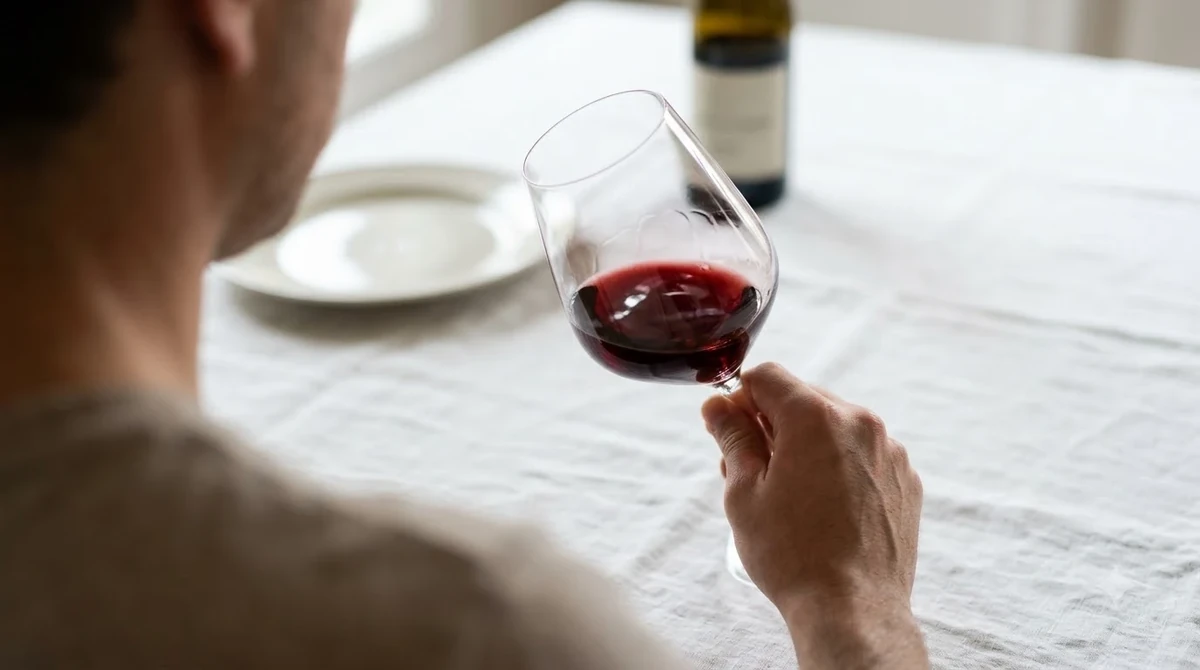
Lost Mountain is the more Cabernet-driven expression. The winery describes it as bold yet restrained, with complexity that develops through aging. Cabernet Sauvignon provides the foundation, while Cabernet Franc contributes another dimension to the blend. The wine is designed to express the character of the estate’s granite soils and hillside vineyard.
The 2022 Lost Mountain composition illustrates this approach particularly clearly. It contains 61% Cabernet Sauvignon and 39% Cabernet Franc. This combination creates a blend built around the structure of Cabernet Sauvignon rather than the softer fruit character associated with Merlot.
Rendezvous takes a different direction. Merlot generally plays the leading role, giving the wine a rounder profile and a more generous fruit expression. Cabernet Sauvignon, Cabernet Franc, and Petit Verdot can provide additional complexity and structure.
The producer presents Rendezvous as a wine intended for generous meals and conversation. Its rounded character makes it an appealing introduction to the estate’s style for drinkers who enjoy Bordeaux-inspired blends but prefer something less dominated by Cabernet Sauvignon.
The difference is not simply that one wine is powerful and the other is light. Both are structured red blends. Their distinction comes from the balance of their grape varieties, which influences tannin, fruit expression, aromatic character, and the way they develop in the glass.
Which wine should you choose?
Choose Lost Mountain if you enjoy Cabernet Sauvignon, structured reds, and wines that reward patient cellaring. Its Cabernet-led composition makes it a natural choice for someone who appreciates the framework of a classic Left Bank Bordeaux blend.
Choose Rendezvous if you prefer Merlot-driven wines with a rounder impression and a more generous fruit profile. It is also a sensible choice for a dinner where the wine needs to work alongside several different dishes rather than one particularly rich main course.
Neither wine should be considered automatically superior. They express different sides of the same estate, and personal preference is the most useful deciding factor.
The Grapes and Blending Choices Behind RdV Wines
The four principal grapes used at RdV each contribute a recognizable element to the finished wine. Their proportions change from vintage to vintage, allowing the producer to respond to seasonal conditions while maintaining the identity of Lost Mountain and Rendezvous.
Cabernet Sauvignon is especially important to Lost Mountain. It is naturally high in tannin and can contribute blackcurrant-like fruit, dark berry character, and a firm structural framework. In a blend, its presence helps provide the backbone that allows a red wine to develop additional complexity over time.
Merlot is the leading grape in many Rendezvous vintages. Compared with Cabernet Sauvignon, Merlot generally has softer tannins and a rounder fruit profile. Plum, black cherry, and other dark-fruit characteristics are common descriptors for wines made primarily from this variety.
Cabernet Franc brings another dimension. It can provide fresh acidity, aromatic detail, and savory herbal or floral notes. Its contribution is especially useful in blends where the winemaker wants complexity without relying entirely on the weight and tannin of Cabernet Sauvignon.
Petit Verdot is often used in smaller proportions. It can bring deep color, additional tannin, and concentrated dark-fruit character. Its contribution can be particularly noticeable when a vintage includes a relatively high proportion of the grape.
How vintage changes the blend
The producer’s published vintage compositions demonstrate that the recipes are not fixed. The following figures provide a useful comparison of several documented Rendezvous releases.
| Vintage | Merlot | Cabernet Sauvignon | Cabernet Franc | Petit Verdot |
|---|---|---|---|---|
| 2022 | 60% | 30% | 3% | 7% |
| 2021 | 51% | 8% | 21% | 20% |
| 2020 | 56% | 26% | 10% | 8% |
| 2019 | 52% | 39% | 7% | 2% |
| 2016 | 36% | 35% | 29% | Not listed |
These figures show how significantly the proportions can vary. The 2022 Rendezvous contains 60% Merlot, whereas the 2016 blend contains only 36%. The 2021 release includes 20% Petit Verdot, compared with 2% in 2019.
Such differences are important because grape composition influences the overall impression of a wine. A larger Merlot proportion can create a rounder fruit profile, while additional Cabernet Sauvignon can increase the impression of structure and tannin. Petit Verdot can add further intensity.
However, percentages do not tell the whole story. Weather, harvest timing, grape maturity, vineyard conditions, and winemaking decisions also influence the finished wine.
The winery’s official vintage descriptions and wine compositions provide a useful way to compare individual releases rather than assuming every bottle of Rendezvous or Lost Mountain tastes identical.
Virginia Terroir and the Delaplane Growing Site
RdV’s location in Delaplane is central to understanding its wines. The estate’s elevated hillside vineyards, southern exposure, and rocky ground provide a distinctive growing environment for Cabernet Sauvignon, Merlot, Cabernet Franc, and Petit Verdot.
Delaplane lies in Fauquier County, in the northern part of Virginia’s wine country. The surrounding Blue Ridge foothills create a landscape of slopes and varied elevations rather than the uniformly flat terrain associated with some other agricultural regions.
According to Virginia Wine, the estate is approximately 60 miles from Washington, DC. This location makes it part of the Northern Virginia wine scene while maintaining a distinct vineyard identity based on its hillside position.
Soil is one of the important considerations in vineyard management. Rocky, well-drained ground can influence how vines access water and nutrients. It also affects the decisions growers make about planting, canopy management, and vineyard maintenance.
At RdV, the producer specifically associates Lost Mountain with the property’s granite soil. This connection is part of the winery’s explanation of its flagship wine and its emphasis on the character of the land.
Virginia’s climate also influences the finished wines. Rainfall during the growing season, the timing of warm weather, and conditions approaching harvest can all affect ripening. A difficult growing season may require different vineyard decisions from a warm, relatively dry year.
The estate’s descriptions of individual vintages illustrate this relationship. Its account of 2018 discusses frequent rainfall and the importance of Cabernet Franc, which formed the backbone of that year’s Lost Mountain. The description of 2019, by contrast, highlights dry and sunny conditions and concentrated wines.
These examples show why vintage matters. A wine’s identity is shaped not only by its grape varieties but also by the conditions in which those grapes develop.
For readers exploring other American wine regions, comparing RdV with Alexander Valley vineyards wine provides another perspective on Cabernet Sauvignon and Bordeaux-inspired red wine production. The regional differences make the comparison particularly interesting for people learning how geography influences wine style.
How RdV Vineyards Wine Tastes and Develops
RdV’s wines are best understood as structured, dry red blends with different balances of fruit, acidity, and tannin. Lost Mountain generally emphasizes Cabernet Sauvignon’s framework, while Rendezvous tends toward a more rounded Merlot-led expression.
In Cabernet Sauvignon, blackcurrant, blackberry, and dark cherry are familiar fruit descriptors. The grape’s naturally high tannin can create a firm sensation along the gums and sides of the mouth. This structure often makes Cabernet-based wines particularly suitable for rich meat dishes.
Merlot tends to offer softer tannins and a more approachable fruit profile. Plum, black cherry, and dark berry characteristics are common. A Merlot-led wine can still have substantial structure, particularly when grown in a site that produces concentrated fruit and blended with Cabernet varieties.
Cabernet Franc can introduce herbal, floral, and red-fruit characteristics. Its acidity helps maintain freshness, while its aromatic profile can make a complex blend more interesting as it opens in the glass.
The Virginia Wine description of the 2016 Rendezvous provides a specific example. It identifies bramble, tobacco, and forest-floor aromas, with black fruit, plum, raspberry, crisp acidity, and supple tannins on the palate.
That description demonstrates why it is useful to look beyond a simple label such as Merlot blend. A wine may have ripe fruit and a rounded texture while retaining sufficient acidity and structure to accompany substantial food.
Young bottles and mature bottles
A younger Cabernet-led blend may initially seem firm or tightly structured. Allowing it time to breathe can help its aromas become more expressive and its tannins feel better integrated. This is particularly relevant to young full-bodied reds that contain substantial Cabernet Sauvignon.
For a young, full-bodied red, a decanting period of approximately 30 to 60 minutes is a useful starting point. Pouring the wine into a decanter increases its contact with oxygen and can help reveal additional aromatic detail.
Older bottles require more care. Long-term aging can soften tannins and develop more complex aromas, but mature wine may be sensitive to excessive oxygen exposure. A careful opening and gentle pouring are preferable to automatically giving an older bottle an extended decant.
Vintage is therefore an important consideration when selecting a bottle for immediate enjoyment. Someone opening a wine for dinner that evening may prefer a release that is already showing well, while a collector may be interested in a younger wine intended for additional development.
Tip: If you are opening a young Cabernet Sauvignon-led RdV blend, start with 30 minutes of decanting and taste again before serving. Give the wine additional time only if its structure still seems particularly firm.
Food Pairings and the Best Serving Temperature
RdV’s Bordeaux-inspired reds are particularly well suited to meals featuring beef, lamb, roasted vegetables, and aged cheeses. The key is to match the wine’s tannin and fruit concentration with dishes that have enough richness and flavor to complement its structure.
Lost Mountain is a natural choice for grilled or roasted beef. Cabernet Sauvignon’s substantial tannin works well with protein and fat, which can soften the drying sensation of the wine. A grilled ribeye, beef tenderloin, or slow-roasted short ribs can provide a satisfying pairing.
Rendezvous offers flexibility because its Merlot-led profile generally has softer tannins. Roasted lamb, herb-seasoned pork, mushroom dishes, and beef stew can all work well. Its rounded fruit character makes it particularly suitable for meals where savory flavors are balanced with moderate richness.
Pairing ideas for each wine
- Grilled ribeye: A strong match for Lost Mountain because the meat’s fat and protein complement Cabernet Sauvignon’s tannin.
- Roasted lamb: Works with either blend, especially when seasoned with rosemary, thyme, and black pepper.
- Beef short ribs: Their rich texture and concentrated savory flavors suit structured red wine.
- Roasted mushrooms: Earthy mushroom flavors can complement the savory characteristics of Cabernet Franc and mature red blends.
- Aged cheddar: Its salt and fat help soften the perception of tannin.
- Herb-roasted pork: Particularly suitable for a rounder Merlot-led Rendezvous.
Food preparation matters as much as the main ingredient. A grilled steak with a rich sauce will create a different pairing experience from lean beef served with a light vegetable preparation. Richness, seasoning, and cooking method should all be considered.
Acidity is another important factor. A highly acidic dish can make a wine seem less fresh if the wine does not have sufficient acidity of its own. RdV’s structured reds are therefore generally more comfortable alongside savory preparations than strongly acidic dishes dominated by vinegar or citrus.
Spicy food also requires some thought. Chili heat can become more noticeable alongside alcoholic and tannic red wines. Mildly seasoned dishes are usually a safer choice than intensely hot preparations.
Serving temperature
Full-bodied red wines generally show best around 60 to 65 degrees Fahrenheit. Serving a Cabernet Sauvignon-led wine too warm can make its alcohol seem more prominent, while excessive chilling can make tannins feel harder and aromas less expressive.
A practical approach is to place the bottle in a cool room or briefly chill it before opening if the surrounding temperature is warm. If the bottle has been stored at approximately 55 degrees Fahrenheit, it may need a little time in the glass to reach its ideal serving range.
Use a standard 5-ounce pour to allow room for swirling and aromatic development. A 750-milliliter bottle provides approximately five such servings, making it suitable for a dinner with several guests.
For additional food-pairing inspiration, readers can also explore Childress vineyards wine and compare how another American winery approaches red blends and food-friendly styles.
Buying, Cellaring, and Visiting RdV Vineyards
Choosing RdV Vineyards wine involves more than deciding between two labels. Vintage composition, intended drinking time, storage conditions, and access to the estate’s wines all contribute to the buying decision.
Lost Mountain is the natural starting point for someone seeking a Cabernet Sauvignon-centered red with substantial structure. Rendezvous is a good alternative for someone who prefers a Merlot-forward blend with a rounded character.
Before selecting a vintage, consider when you intend to open the bottle. A wine intended for an upcoming dinner should be approached differently from one being purchased for a longer-term collection. Younger full-bodied Cabernet blends may benefit from additional time in the cellar, depending on the vintage and the wine’s current development.
Proper storage
Consistent storage conditions help protect the wine’s quality. Bottles intended for extended cellaring should ideally be kept near 55 degrees Fahrenheit, away from direct sunlight and significant temperature fluctuations.
Store cork-sealed bottles horizontally so the wine remains in contact with the cork. This helps reduce the risk of the cork drying out and allowing excessive oxygen into the bottle.
Avoid keeping collectible red wine in a kitchen cupboard, near an oven, or beside a heating appliance. Repeated changes in temperature can damage wine over time, while strong light can negatively affect its development.
Once opened, a still red wine generally keeps for approximately three to five days when properly recorked and refrigerated. The wine may gradually lose aromatic freshness, so it is best enjoyed sooner rather than later.
Visiting the estate
RdV is also a destination for people interested in understanding the vineyard behind the wines. Virginia Wine describes hosted tours through the winemaking facilities, followed by seated tastings of current-release wines and food pairings prepared with local Virginia artisan products.
The winery is located at 2550 Delaplane Grade Road in Delaplane, Virginia. The Virginia Wine listing identifies Friday, Saturday, and Sunday as seasonal visiting days, with listed hours of 11 a.m. to 5 p.m. Reservations are required, and visitors should arrange their appointment before traveling.
A planned visit provides an opportunity to understand the relationship between the vineyard, the winemaking facilities, and the finished wines. Tasting Lost Mountain and Rendezvous side by side is particularly useful because their differences become easier to recognize when experienced under similar conditions.
It is also a good opportunity to ask about the current releases and their individual grape compositions. Since the proportions change with vintage, discussing the specific bottles being served can provide a clearer picture of the estate’s approach.
Those exploring Virginia wine more broadly may also find Sonoita vineyards wine interesting as a comparison with another American wine-growing area. Different climates and growing environments can produce distinctive expressions of familiar grape varieties.
For more winery profiles and background on different producers, the site’s Wine Brands section offers additional opportunities to explore American and international wine producers.
Frequently Asked Questions
What does RdV stand for?
RdV reflects the initials of founder Rutger de Vink. The name also connects with the French word rendezvous, which means a meeting or gathering. This double meaning links the founder’s identity with the estate’s signature wine and its emphasis on shared food and wine experiences.
Is RdV Vineyards an estate winery or a wine brand?
RdV is an estate winery with its own vineyard and winemaking facilities in Delaplane, Virginia. Its wines are associated with the property’s hillside growing environment rather than simply being a label sourcing unrelated wines from different regions. This connection between vineyard and winery is central to its identity.
Does RdV make white wine?
The estate’s established signature portfolio centers on the red wines Lost Mountain and Rendezvous. Both are Bordeaux-inspired blends built from red grape varieties. The winery’s focus is therefore quite different from producers whose portfolios include extensive Chardonnay, Sauvignon Blanc, and sparkling wine selections.
What does the word Rendezvous mean on the wine label?
Rendezvous is a French word referring to a meeting or gathering at an agreed place and time. In the context of the estate, the name reflects the idea of bringing people together around food and wine. It also connects to the initials used in the RdV winery name.
Can RdV wines be compared with Bordeaux wines?
Yes, their grape varieties and blending philosophy provide a useful point of comparison with Bordeaux. However, RdV wines come from Virginia’s distinct growing environment, not France. Differences in climate, soil, growing conditions, and vintage character mean that the finished wines should be appreciated as Virginia expressions of Bordeaux varieties.
RdV Vineyards offers a focused look at what Virginia can achieve with traditional Bordeaux grape varieties. Lost Mountain and Rendezvous provide two distinct interpretations of the same hillside estate, making them interesting choices for anyone exploring structured American red blends. Understanding their grape compositions, vintage differences, and food-pairing possibilities makes it easier to select the right bottle for a meal or a growing wine collection.
More in Wine Brands
 Underwood Wine Price: Compare Bottles, Cans, and Pack SizesUpdated Nov 21, 2026
 Zenato Wine Price: Compare Styles and Choose the Right BottleUpdated Nov 21, 2026
 Zuccardi Wine Price: Compare Bottles and Find the Right RangeUpdated Nov 21, 2026
 Yellow Tail Moscato Review: Taste, Sweetness and Serving TipsUpdated Nov 21, 2026
 Wolf Blass Yellow Label Review: Choose Your Best StyleUpdated Nov 21, 2026
 Wolffer Estate Rose Review: Choose the Right Bottle for Your TableUpdated Nov 21, 2026