

We may earn a commission when you buy through links on this page, at no extra cost to you. Learn more.
RCR white wine glasses are an attractive choice for wine drinkers who want clear, Italian-designed stemware with distinctive shapes and practical everyday features. The Aria A46 offers a generous 460 ml capacity, while the Timeless white wine glass provides a more compact 227 ml serving vessel with decorative vertical ribbing. Choosing between them comes down to bowl size, appearance, serving habits, and how much attention you want to give your glassware.
RCR Cristalleria Italiana makes several styles of wine glasses rather than relying on one universal design. Its collections include understated options, decorative stemware, and larger bowls intended for different wine styles. For anyone comparing RCR white wine glasses, understanding the differences between Aria, Timeless, and Essential is more useful than choosing a set based on appearance alone. This review examines their construction, dimensions, practical advantages, potential drawbacks, and suitability for different households.
Specs and Key Features of RCR White Wine Glasses
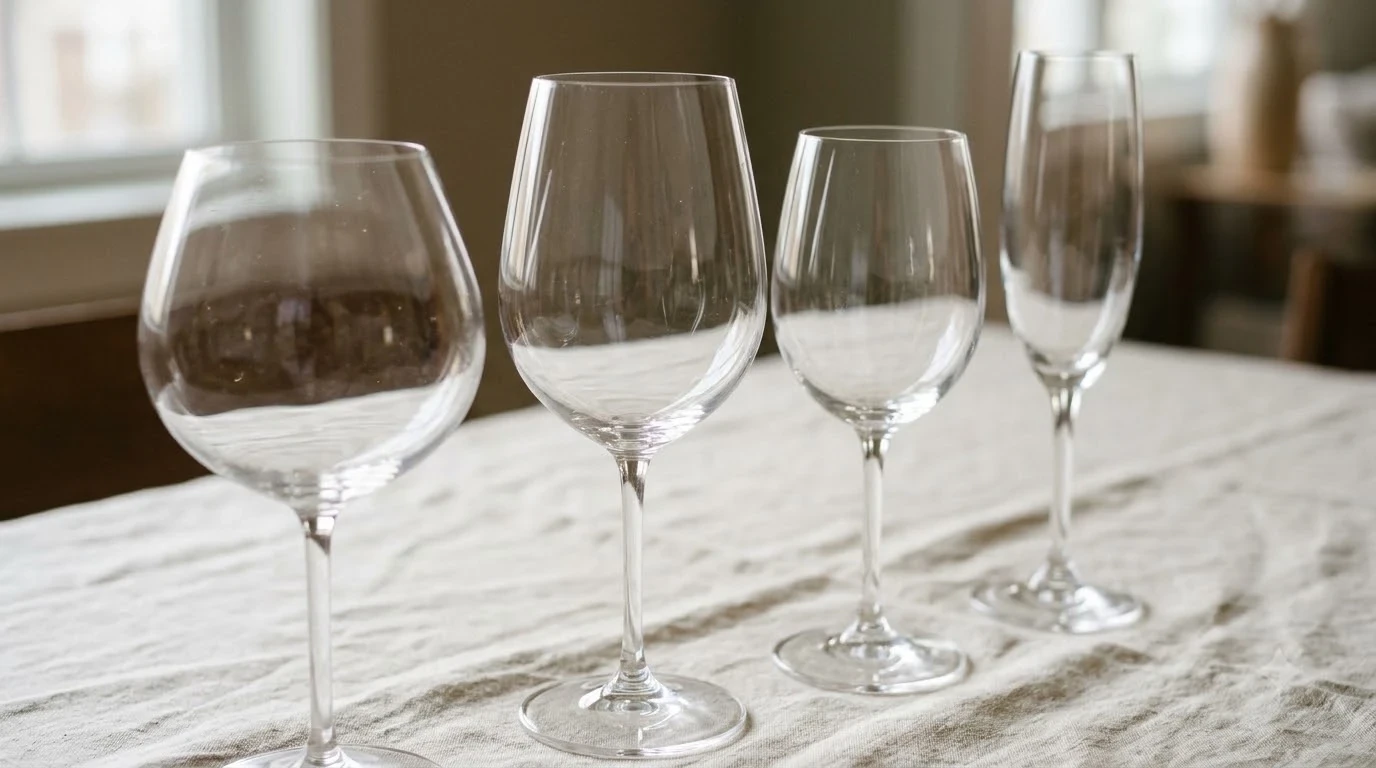
RCR’s white wine glass selection includes noticeably different capacities and bowl profiles. The Aria A46 is the larger option, while Timeless offers a smaller serving glass with decorative detailing and Essential provides a modern alternative with a different rim and bowl shape.
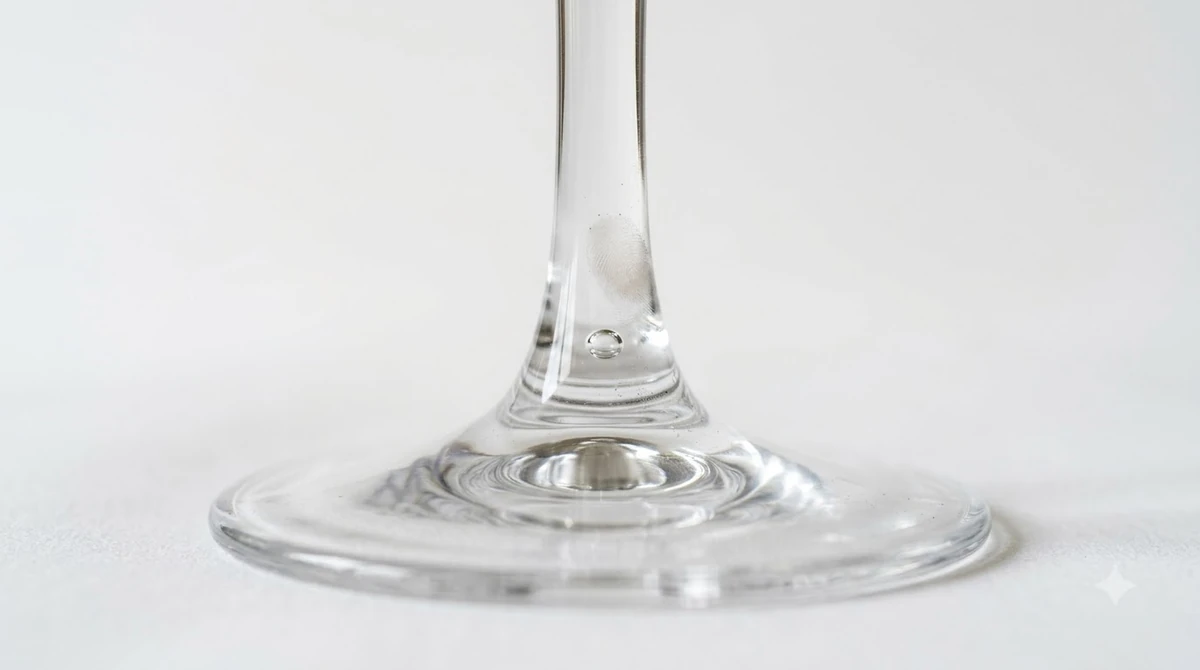
The Aria A46 is particularly interesting for people who enjoy aromatic white wines and sparkling wine. According to RCR’s manufacturer product information, this glass holds 460 ml, measures 220 mm tall, and has a 91 mm diameter. Its relatively generous capacity gives wine room to move inside the bowl, although the actual pour should remain considerably smaller than the glass’s total volume.
Timeless takes a different approach. The six-piece set listed by David Jones has a 227 ml capacity, a height of 200 mm, and an 81 mm maximum diameter. Nisbets lists the corresponding glass with a nominal 230 ml capacity and the same basic dimensions. The small difference reflects how product capacities can be rounded or presented differently across retailers.
| Collection or model | Capacity | Height | Diameter | Pack information |
|---|---|---|---|---|
| Aria A46 | 460 ml | 220 mm | 91 mm | 6 pieces |
| Timeless white wine | 227 ml | 200 mm | 81 mm | 6 pieces |
| Timeless white wine, Nisbets listing | 230 ml | 200 mm | 81 mm | 12 pieces |
| Essential white wine | 430 ml | 221.5 mm | 84 mm | 12 pieces |
These specifications illustrate why the RCR name alone does not tell you what kind of drinking experience to expect. A 460 ml Aria glass gives you considerably more room than a 227 ml Timeless glass. The Essential model sits between them in terms of capacity, although its more angular bowl creates a different visual impression.
Material is another important consideration. RCR identifies Luxion as its patented material for the Aria collection, describing it as a high-density material that allows relatively thin glass construction while maintaining impact resistance. The manufacturer also identifies transparency, brilliance, recyclability, and dishwasher compatibility as product attributes. Its official Aria A46 product specifications provide the clearest reference for the model’s dimensions and intended uses.
For the Timeless collection, David Jones describes the glassware as lead-free eco-crystal with decorative vertical ribbing. MBS Wholesale similarly identifies Luxion eco-crystal in its Essential listing. These descriptions make the material an important part of the appeal, especially for buyers who want crystal-style clarity without choosing traditional lead crystal.
For additional comparisons between shapes and capacities, the white wine glasses buying guide provides useful context before selecting a particular RCR collection.
What Owners and Buyers May Appreciate
The strongest selling points of RCR white wine glasses are their appearance, range of capacities, and combination of decorative design with practical cleaning features. Buyers who want attractive stemware for both ordinary dinners and special occasions have several styles to consider.
One appealing feature is the clarity associated with RCR’s crystal-style glassware. A transparent bowl makes it easier to appreciate the color of a pale Pinot Grigio, a golden Chardonnay, or a lightly colored Sauvignon Blanc. It also gives a table setting a cleaner appearance than heavily tinted or opaque glassware.
Aria is especially suitable for buyers who prefer a relatively generous bowl. Its 460 ml capacity provides considerable space for swirling, which can help release aromas from expressive white wines. Aromatic varieties such as Riesling, Gewurztraminer, and Viognier can benefit from a glass that leaves sufficient room above the wine for their fragrances to collect.
Timeless appeals to a different audience. Its vertical ribbing adds visual interest without relying on colored glass or elaborate decoration. The 200 mm height and 81 mm diameter create a more compact overall profile than Aria. For people who want a decorative dinner-table glass without a particularly large bowl, this is a useful distinction.
The Essential collection offers another design direction. MBS Wholesale describes its bowl as relatively flat with a trapezoid-inspired profile and a rim that opens slightly outward. This gives it a more contemporary appearance than a conventional rounded wine glass. Its listed 430 ml capacity also provides considerable space for wine movement.
Dishwasher compatibility is another practical advantage. RCR identifies its Aria glass as dishwasher-safe, while retailer specifications for Timeless also describe dishwasher or glasswasher compatibility. This makes the collections more convenient for households that use their glasses regularly rather than reserving them exclusively for celebrations.
However, dishwasher compatibility should not be confused with an assurance that a glass cannot break. Stemware remains vulnerable to knocks, pressure from neighboring items, and sudden temperature changes. Even a glass marketed for durability needs sensible handling.
Buyers may also appreciate having matching designs within a collection. RCR lists different Aria formats, including a Burgundy glass, a general wine glass, and the A46 white wine glass. This makes it possible to coordinate several wine styles without mixing completely unrelated designs.
For households building a wider collection, the wine glasses overview can help establish whether a dedicated white wine glass should be purchased alongside separate red wine and sparkling wine options.
Common Complaints and Potential Drawbacks
RCR’s white wine glasses have several practical limitations to consider, particularly differences in capacity, storage requirements, and the amount of care needed for decorative stemware. These are important purchasing considerations even when a particular model has attractive specifications.
The first potential issue is choosing a bowl that is larger than necessary. The Aria A46 holds 460 ml, which is generous for a glass intended for white wine. That capacity can be useful for swirling and aromatic development, but it may be inconvenient for buyers with limited cupboard space or a preference for smaller tableware.
Timeless is more compact, but its 227 ml capacity is also quite small compared with the Aria. It is suitable for controlled pours, but people who enjoy larger portions or frequently entertain guests may prefer a roomier format. The total capacity should not be confused with the amount of wine that should be served.
A second consideration is decorative detailing. Timeless has vertical ribbing that creates a distinctive appearance. Some buyers will enjoy the texture and light-catching effect, while others may prefer a smooth bowl that gives a more traditional, uninterrupted view of the wine.
Decorative glassware can also require a little more attention during polishing. Water marks and fingerprints can become more noticeable around detailed surfaces. A soft, clean cloth and careful handling are useful for maintaining a clear finish.
Another potential drawback is that a retailer’s description may not always use exactly the same capacity figure as another listing. For example, the Timeless white wine glass is described as 227 ml by David Jones and 230 ml by Nisbets. This small difference is not necessarily a product inconsistency, but it demonstrates why buyers should compare the physical dimensions and product identity rather than relying on a single rounded capacity figure.
There is also a distinction between material durability and everyday breakage protection. RCR emphasizes impact resistance in its Aria material description, and Nisbets describes Timeless as thermally and shock resistant. Neither description means that the glass is unbreakable. A stem can still snap if it is twisted, squeezed, or knocked against a hard surface.
Availability may also influence the purchasing decision. Different RCR collections and pack sizes appear through different retailers and markets. A six-piece Aria box, a six-piece Timeless set, and a 12-piece commercial pack are not interchangeable purchasing formats. Buyers should make sure the exact collection and quantity match their requirements.
Finally, decorative and larger stemware may not suit every dishwasher rack. A glass that fits comfortably on a dining table can still be awkward to position in a compact home dishwasher. Measuring available space before ordering several glasses can prevent unnecessary inconvenience.
Who Should Buy RCR White Wine Glasses and Who Should Skip Them
RCR is a good candidate for buyers who want attractive stemware with clearly differentiated styles rather than one generic glass for every occasion. The best collection depends on serving habits, storage space, and whether decorative detailing or a larger bowl matters more.
Best for aromatic white wine drinkers
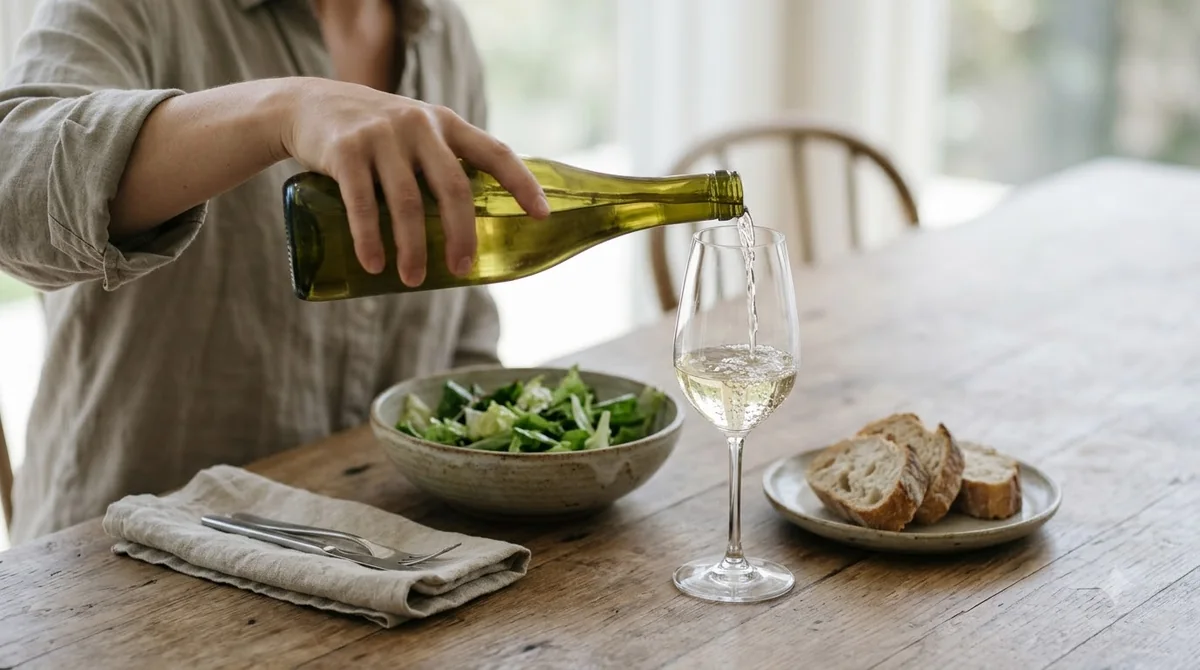
The Aria A46 deserves consideration from people who regularly serve Riesling, Sauvignon Blanc, Viognier, and other aromatic whites. Its 460 ml capacity provides generous room for swirling, and its relatively broad 91 mm diameter offers a different experience from a compact tasting glass.
This is particularly relevant when serving wines with pronounced floral, citrus, or stone-fruit aromas. A larger bowl can provide more space for those aromas to develop above the liquid. It does not change the wine itself, but it can influence how readily the drinker perceives its fragrance.
Best for decorative everyday table settings
Timeless is worth considering for people who prefer a smaller glass with more visual character. Its vertical ribbing makes it easy to distinguish from plain stemware, while its 227 ml capacity provides a compact format for controlled portions.
The six-piece configuration listed by David Jones is also convenient for a household that wants a matching set without buying a larger commercial quantity. It is particularly appropriate for dinners where presentation matters as much as the practical serving function.
Best for modern, understated dining rooms
Essential offers a different aesthetic. Its trapezoid-inspired bowl and slightly reopening rim create a contemporary appearance that works well with minimalist table settings. Its 430 ml listed capacity also makes it a substantial alternative to the smaller Timeless format.
Buyers who prefer smooth, relatively uncomplicated glassware may find this collection more appealing than heavily patterned stemware. The 84 mm diameter is also a useful consideration for people comparing cupboard and dishwasher clearance.
Who may prefer another brand or style
RCR may not be the right choice for buyers who want extremely inexpensive replacement glasses, completely unbreakable outdoor drinkware, or unusually lightweight stemware designed primarily for professional tasting competitions.
People who frequently entertain large groups should also consider replacement availability and pack sizes. Purchasing matching glasses is easier when the collection is readily available in the quantity required. A more widely stocked commercial glass may be more convenient for restaurants or large households.
Likewise, someone who prefers a simple glass with no decoration may not appreciate the ribbed appearance of Timeless. A smooth, unadorned bowl is generally a more versatile choice for buyers who want one design to suit almost every table setting.
Tip: Before choosing an RCR set, compare the glass height, maximum diameter, and bowl capacity together. A 460 ml glass may sound attractive, but a 200 mm-tall glass with an 81 mm diameter can be easier to store and fit into a dishwasher than a wider alternative.
How RCR Compares to Alternative Glassware Collections
RCR’s main advantage is the availability of different designs within one manufacturer’s range. Aria, Timeless, and Essential each offer a different balance of bowl proportions, decoration, and overall presentation. The comparison is therefore less about identifying one universally superior glass and more about matching the construction to the intended use.
Aria stands out for its generous proportions and manufacturer-described Luxion material. At 460 ml, it is the largest of the three white wine formats discussed here. Its 220 mm height also gives it a more substantial presence on the table. Buyers who enjoy aromatic whites and prefer a larger glass will likely find this model more appealing than Timeless.
Timeless is the more decorative and compact alternative. The 227 ml specification makes it considerably smaller than Aria, and its vertical ribbing gives it a recognizable appearance. It is a sensible choice for people who value presentation and want a dedicated glass for relatively modest pours.
Essential sits between those two options in capacity, at 430 ml. Its more angular design differs from the rounded appearance associated with many conventional wine glasses. The slightly opening rim is intended to support aroma release and liquid movement, according to the retailer’s product description.
For context, the following comparison focuses on the specific dimensions rather than assuming that every RCR collection has identical proportions.
| Comparison | Aria A46 | Timeless | Essential |
|---|---|---|---|
| Capacity | 460 ml | 227 ml | 430 ml |
| Height | 220 mm | 200 mm | 221.5 mm |
| Diameter | 91 mm | 81 mm | 84 mm |
| Appearance | Contemporary, clear | Decorative ribbing | Modern, angular |
| Main appeal | Generous bowl | Compact presentation | Contemporary shape |
| Pack example | 6 pieces | 6 or 12 pieces | 12 pieces |
RCR should also be compared with glassware brands that emphasize different design priorities. Some manufacturers concentrate on extremely thin, lightweight tasting glasses, while others focus on decorative tableware or commercial durability. These are different objectives, so a higher capacity or more elaborate appearance does not automatically make one glass better.
For a broader look at the available options, the Glassware Brands resource can help put RCR into the wider stemware market. Buyers interested in a separate glass for Cabernet Sauvignon, Merlot, or Pinot Noir can also consult the red wine glasses guide rather than expecting one white wine model to serve every grape variety equally well.
Care, Cleaning, and Storage
Proper care is important for maintaining the appearance and condition of RCR stemware. Although selected collections are marketed as dishwasher-safe, good loading habits and suitable detergents still matter.
RCR’s manufacturer care guidance recommends using detergents suitable for glassware and identifies 60°C as the recommended maximum dishwasher temperature. The guidance also advises allowing the dishwasher basket to cool after washing before removing and handling the glasses. Its RCR glassware care guidance provides additional recommendations for washing, handling, and polishing stemware.
This is particularly relevant for stemware because the bowl, stem, and foot can be vulnerable to pressure during loading and unloading. Glasses should have sufficient separation to prevent them from knocking against each other during a washing cycle.
Use properly sized compartmented racks whenever possible. This helps keep each glass in a stable position and reduces the chance of contact with neighboring items. Avoid placing cutlery inside glasses or using a wine glass as a container for utensils.
For handwashing, use lukewarm water and a gentle glass-compatible detergent. Hold the bowl securely rather than applying twisting pressure to the stem. Rinse thoroughly so that detergent residue does not remain on the inside surface.
Drying and polishing require similar care. A clean, lint-free cloth is preferable to an abrasive towel. RCR’s guidance recommends white cotton gloves or two cloths for polishing stemware, with attention given to the bowl first, followed by the stem and base.
When polishing a glass, avoid holding the bowl with one hand while twisting the stem with the other. This can place unnecessary stress on the narrowest part of the glass. Supporting the bowl and base with separate cloths provides better control.
Storage is equally important. Store wine glasses upright or in a suitable protective rack, depending on the design and available cupboard space. Avoid stacking stemware unless the manufacturer specifically provides a stacking arrangement. The rim is particularly vulnerable to accidental impact.
For long-term storage, make sure glasses are completely dry before putting them away. A dry, protected cupboard helps prevent dust accumulation and reduces the need for repeated polishing before use.
Temperature changes should also be gradual. Avoid transferring a very cold glass directly into extremely hot water. Even glassware described as thermally resistant should not be subjected to unnecessary temperature shocks.
With these precautions, RCR’s dishwasher-compatible collections can be practical choices for regular dining rather than pieces that remain untouched in a display cabinet.
Frequently Asked Questions
Are RCR white wine glasses made from real crystal?
RCR uses its Luxion eco-crystal material in several collections, including products described as crystal glassware. This is a manufactured glass material rather than traditional lead crystal. Its appeal comes from transparency, brilliance, and the manufacturer’s stated material characteristics.
Does Luxion crystal contain lead?
Retailer descriptions identify RCR eco-crystal products as lead-free. This is an important distinction for buyers comparing modern crystal-style glassware with traditional lead-containing crystal. The material should be assessed according to the specific collection’s product documentation.
Can RCR white wine glasses be used for champagne?
Some larger RCR white wine glasses can also accommodate sparkling wine. RCR specifically identifies the Aria A46 as suitable for both white wine and sparkling wine. A dedicated flute is still an option for people who prefer a narrower vessel for preserving and displaying a stream of bubbles.
What is the difference between a white wine glass and a tasting glass?
A dedicated tasting glass generally follows a standardized format intended to make wines easier to assess consistently. A white wine glass may have a wider range of capacities and design details because it also serves dining and presentation purposes. RCR’s Essential collection includes a separately identified tasting glass in its wider range.
What is the difference between RCR Timeless and RCR Aria?
Timeless is a decorative, compact design with vertical ribbing and a listed capacity of approximately 227 ml. Aria A46 has a substantially larger 460 ml capacity and a more generous bowl. The two collections therefore serve different preferences even though both are suitable for white wine.
RCR offers a worthwhile selection for buyers who appreciate clear glassware, Italian design, and different bowl formats for white wine service. Aria is the more generous option for aromatic wines, Timeless suits decorative dining and smaller pours, and Essential provides a contemporary alternative. Compare the dimensions and intended use before choosing a set, and prioritize the shape that fits your wine preferences and storage space.
More in Wine Glasses
 Spiegelau Crystal Wine Glasses That Bring Clarity to Every PourUpdated Nov 21, 2026
 Zalto Crystal Wine Glasses: Are They Worth the Investment?Updated Nov 21, 2026
 Villeroy And Boch White Wine Glasses for a More Cohesive TableUpdated Nov 21, 2026
 Zalto Wine Glasses On Sale: Find the Right Denk’Art GlassUpdated Nov 21, 2026
 Zwiesel Glas Champagne Glasses: Features, Quality and Buying AdviceUpdated Nov 21, 2026
 Zwiesel Glas Decanter Review: A Durable, Elegant Choice for Wine ServiceUpdated Nov 21, 2026