

We may earn a commission when you buy through links on this page, at no extra cost to you. Learn more.
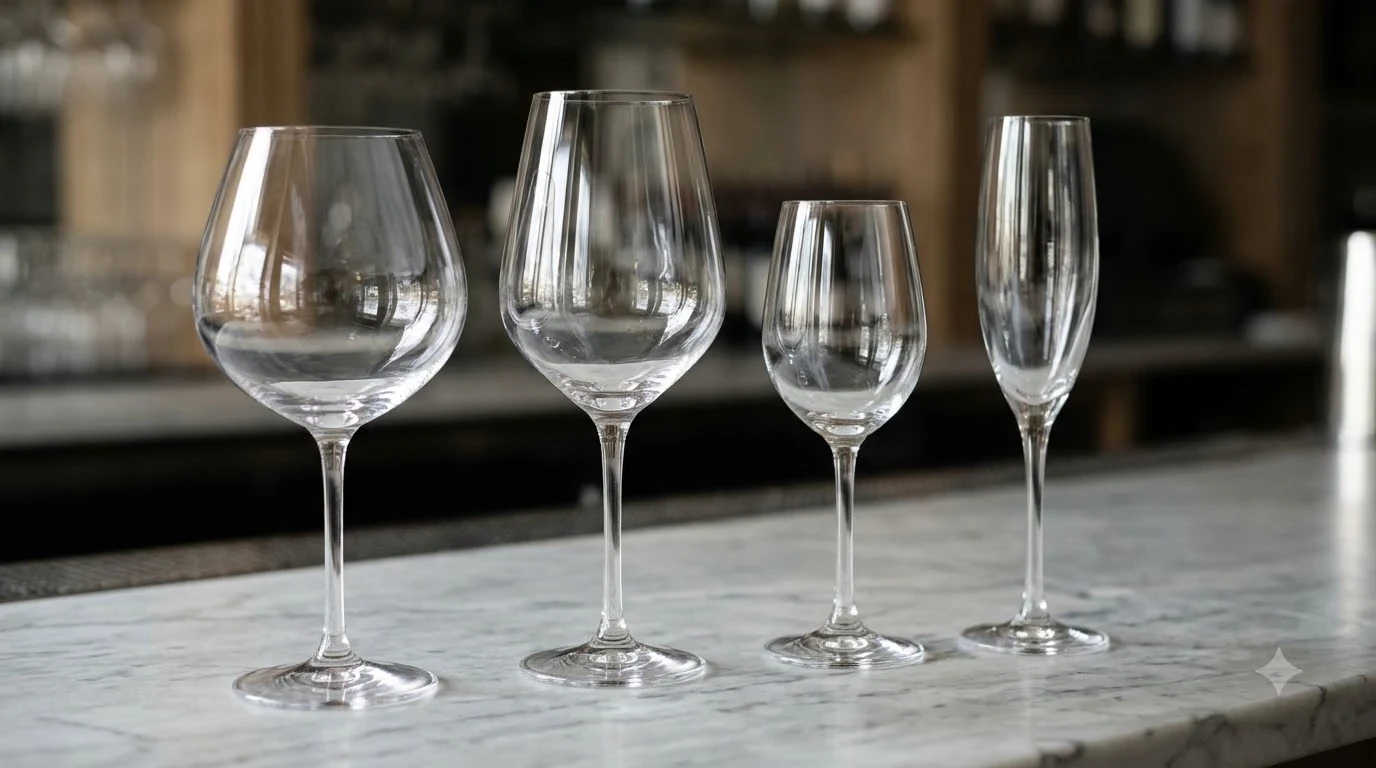
Ravenscroft crystal wine glasses are a strong choice for wine drinkers who want lead-free crystal, carefully shaped bowls, and traditional European glassmaking craftsmanship. The brand offers several collections, including Classics, Amplifier, Invisibles, and Vintner’s Choice, with options for red wine, white wine, sparkling wine, and everyday drinking. Its main strengths are material transparency, variety-specific designs, and a combination of handmade and machine-made options. The main consideration is that delicate handmade pieces generally require more careful cleaning and handling than everyday glassware.
Choosing a wine glass involves more than selecting an attractive shape. Bowl proportions, rim thickness, weight, balance, and ease of cleaning all influence the drinking experience. Ravenscroft has built its collection around the idea that different wines benefit from different glass shapes. This review examines its construction, major collections, practical advantages, limitations, and the features worth comparing before choosing a set.
Specs and Key Features
Ravenscroft combines lead-free crystal with wine-specific designs, offering both handmade and machine-made glassware. The collection covers specialized wine styles as well as versatile everyday options, making it possible to choose based on drinking habits rather than appearance alone.
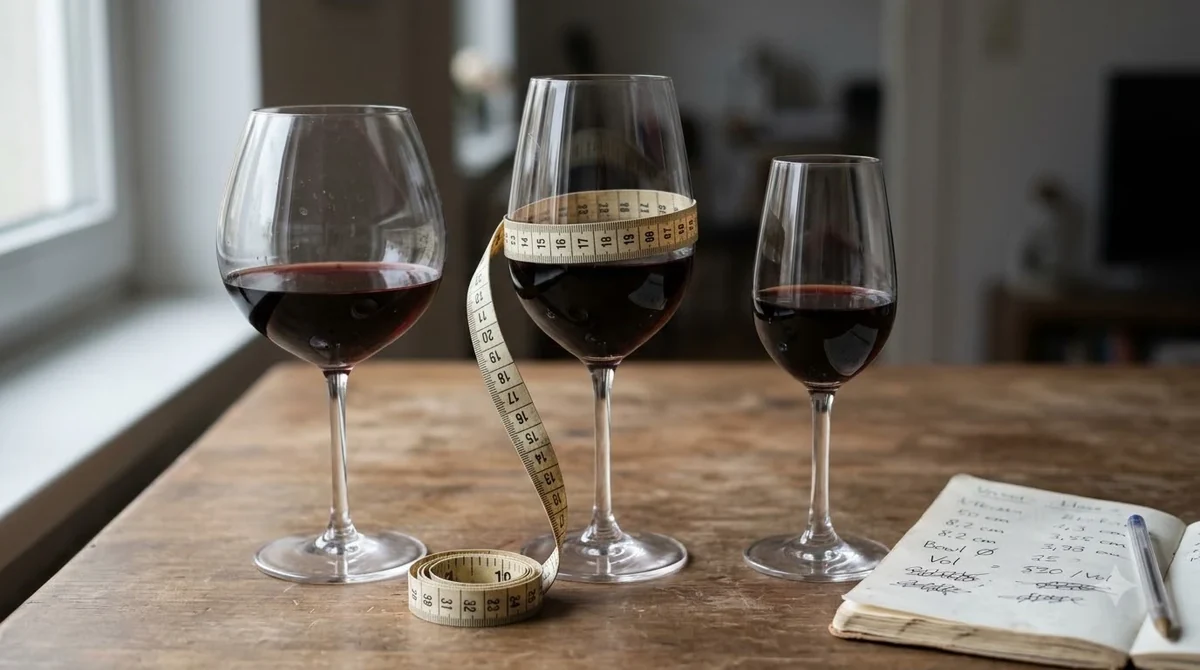
According to the manufacturer’s official product FAQs, all Ravenscroft products are 100% lead-free. The company also explains that almost all its products are manufactured at a long-established factory in Poland, although individual collections and models can differ in construction. Most products are handmade, but machine-made alternatives are available for buyers who prioritize practicality.
The brand’s design philosophy centers on transparency and relatively lightweight stemware. Ravenscroft explains that its wine glasses are intended to minimize visual and sensory distractions while directing wine toward different areas of the palate. That approach is particularly relevant for drinkers who regularly compare Cabernet Sauvignon, Pinot Noir, Chardonnay, and aromatic white wines.
| Feature | Ravenscroft offering | What it means for buyers |
|---|---|---|
| Crystal material | 100% lead-free | Lead-free construction throughout the brand’s collection |
| Manufacturing | Handmade and machine-made | Different options for craftsmanship and everyday use |
| Manufacturing location | Almost all products made in Poland | European glassmaking heritage |
| Design selection | Nearly 30 hand-blown styles described by the brand | Specialized shapes for different wine categories |
| Stemless example | 5 inches tall | Compact alternative to traditional stemware |
| Stemless capacity | 17 ounces | Room for wine and aromatic development |
| Stemless packaging | Set of 8 for the Vintner’s Choice example | Useful for larger households and entertaining |
| White wine example | Amplifier Unoaked, 16 ounces | Dedicated option for aromatic, high-acid whites |
| White glass height | 8.25 inches | Traditional stemware proportions |
| Cleaning | Hand-washing recommended for most handmade pieces | Requires more careful maintenance |
These figures come from Ravenscroft’s published product descriptions and customer information. The 17-ounce and 5-inch measurements refer specifically to the Vintner’s Choice stemless glass, while the 16-ounce and 8.25-inch measurements describe the Amplifier Unoaked White Wine Glass. They should not be treated as specifications shared by every model.
One particularly useful distinction is the difference between crystal composition and manufacturing technique. Lead-free crystal describes the material, while handmade or machine-made describes how the glass is produced. A lead-free glass is not automatically handmade, and a machine-made glass is not automatically inferior for ordinary wine drinking.
The brand’s product selection also extends beyond conventional red and white wine glasses. Buyers can find Champagne flutes, dessert wine glasses, tasting glasses, and stemless designs. This breadth makes Ravenscroft more suitable for people building a coordinated glassware collection than for buyers who only want one inexpensive multipurpose glass.
For a wider comparison of materials and construction, the guide to crystal wine glasses explains what separates crystal stemware from ordinary glass and which characteristics matter most during selection.
What Owners Like
The strongest attractions of Ravenscroft are its lead-free crystal construction, broad selection of wine-specific shapes, and emphasis on European craftsmanship. These features make the brand particularly appealing to people who appreciate traditional stemware and want different glasses for different wine styles.
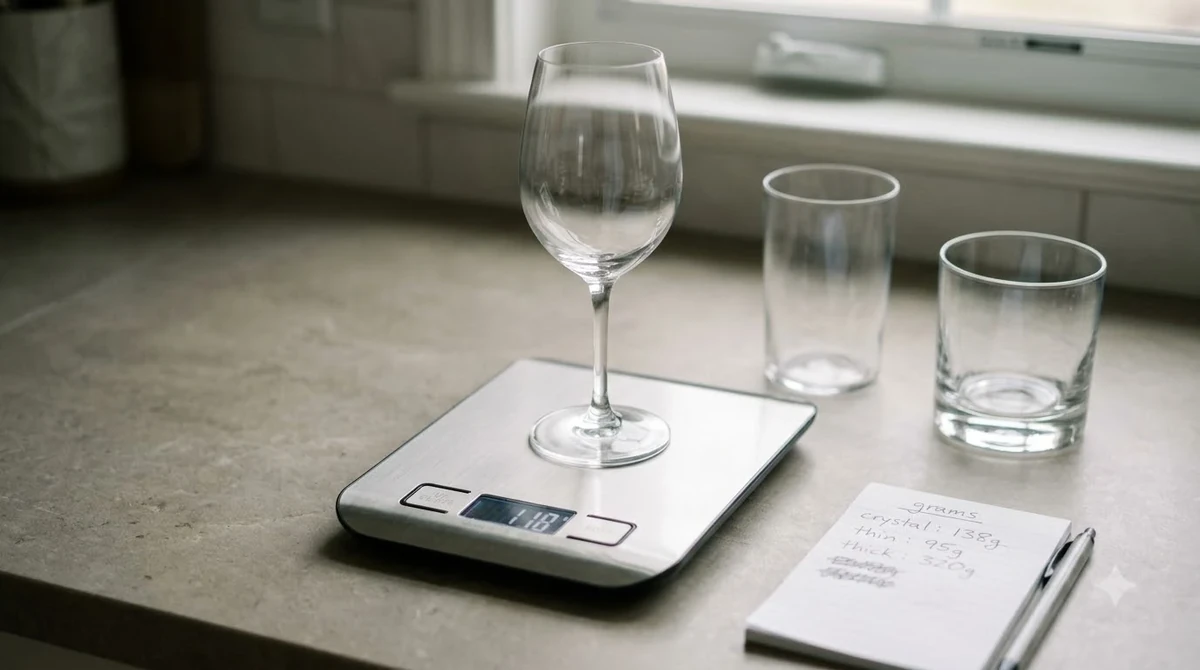
Lead-free crystal is an important selling point. Ravenscroft explicitly confirms that its products have always been 100% lead-free. This provides a straightforward material specification for buyers who prefer to avoid traditional leaded crystal. It also means the collection can appeal to shoppers who want the clarity and refined appearance associated with crystal without choosing lead-containing glassware.
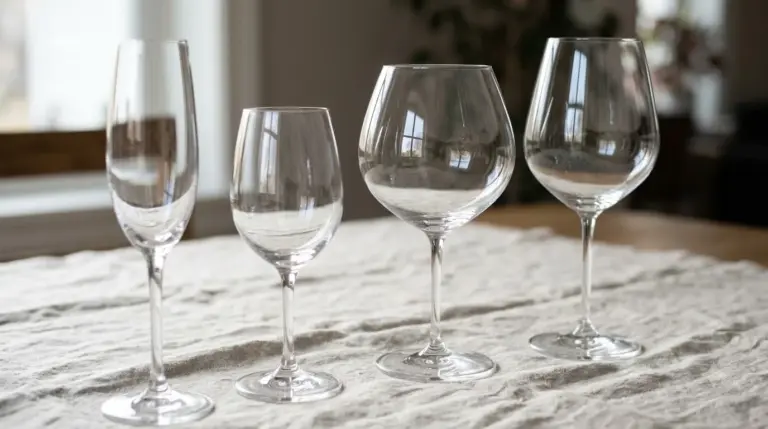
The second attraction is the range of bowl designs. Cabernet Sauvignon, Pinot Noir, Riesling, Chardonnay, and Sauvignon Blanc do not have identical aromatic and structural characteristics. A glass designed around a fuller red wine can have a substantially different bowl profile from one intended for a lighter white wine.
For example, Cabernet Sauvignon generally benefits from a larger bowl that provides room for swirling and aromatic development. Pinot Noir is often served in a broader Burgundy-style bowl, which gives delicate aromas room to collect above the wine. Sauvignon Blanc and Riesling are commonly served in narrower white wine glasses that help maintain focus and freshness.
Ravenscroft’s collection includes dedicated shapes for these categories. That gives enthusiasts a way to organize their glassware around the wines they actually drink instead of relying entirely on generic all-purpose stemware.
Lightweight construction and visual clarity
Ravenscroft’s stated design objective is to produce transparent, lightweight wine glasses. Thin-looking crystal can make a glass feel more refined, particularly when the rim is carefully finished and the stem has balanced proportions. These details also contribute to the presentation of wine at a formal dinner or tasting.
A clear bowl is useful for observing color and clarity. This is particularly relevant when comparing young and mature wines, assessing the color differences between Pinot Noir and Cabernet Sauvignon, or examining the bubbles in traditional-method sparkling wine.
However, lightweight construction is not necessarily an advantage for every household. A thinner glass can feel elegant in the hand but may require more attention during washing, drying, and storage. Buyers who regularly entertain large groups should consider whether the delicate feel matches their everyday routine.
Collection variety
The different Ravenscroft collections provide another reason for the brand’s appeal. Classics focuses on recognizable wine-specific stemware shapes. Amplifier emphasizes specialized designs, while Vintner’s Choice offers practical alternatives, including stemless glasses.
Invisibles is another collection name buyers may encounter. The variety allows shoppers to choose based on the balance they want between visual presentation, specialized wine service, and regular household use.
The manufacturer also offers gift sets and coordinated glassware. Most Ravenscroft products come in a white gift box with a black satin ribbon, according to its customer FAQs. That packaging can make selected pieces suitable for weddings, anniversaries, housewarming celebrations, and gifts for wine enthusiasts.
Another attractive feature is that the collection includes both individual specialized glasses and larger sets. A household that primarily drinks Sauvignon Blanc may prefer to purchase several matching white wine glasses, while a wine collector might assemble separate sets for Burgundy, Bordeaux, and sparkling wines.
Common Complaints and Limitations
Ravenscroft’s main compromises involve delicate handling, collection-specific cleaning requirements, and the possibility of minor variations in handmade products. Buyers should understand these points before choosing expensive or highly specialized stemware.
The first consideration is fragility. Fine crystal wine glasses are not designed to withstand the same treatment as thick everyday tumblers. Thin rims, narrow stems, and large bowls can be vulnerable to accidental knocks, particularly when several glasses are being washed together.
This is not a problem unique to Ravenscroft. It is a practical characteristic of delicate stemware. A household with young children, limited storage space, or frequent large gatherings may find heavier machine-made glasses more convenient.
Handmade variations
Ravenscroft acknowledges that handmade products can show slight differences between individual pieces. These can include small bubbles and minor variations in dimensions or capacity. The company generally considers such details characteristic of handmade production rather than automatic manufacturing defects.
For buyers who appreciate traditional craftsmanship, these variations may be part of the appeal. However, shoppers who expect four glasses to look perfectly identical should understand that handmade production can create subtle differences.
This distinction is particularly important when purchasing multiple sets over time. A replacement glass may not look exactly like the original pieces, even when it belongs to the same general collection. Anyone who values uniformity above individual craftsmanship may prefer a machine-made option.
Cleaning limitations
Dishwasher compatibility is another important issue. Ravenscroft recommends hand-washing most products, especially its fine handmade crystal. Certain machine-made glasses are dishwasher-safe, but the recommendation should not be generalized across the entire brand.
This means buyers should consider cleaning requirements before selecting a model. A beautiful handmade Bordeaux glass may be suitable for occasional dinners and careful wine service but less convenient for a household that puts all its glassware into the dishwasher.
Hand-washing also takes additional time. Large collections can become inconvenient to maintain if every glass needs individual attention after entertaining. This is one reason why a practical machine-made set may be preferable for everyday use.
Specialized shapes require more storage
Another potential drawback is the storage space required by large wine glasses. A Burgundy glass with a wide bowl takes up more cabinet space than a small tasting glass. Champagne flutes, meanwhile, need enough vertical clearance to protect their stems and rims.
People who purchase several specialized designs should measure their cabinets before buying. They should also consider whether their existing racks provide enough clearance and whether glasses can be stored without touching one another.
Finally, specialized stemware is not essential for every wine drinker. A single versatile glass can serve many everyday situations. The additional benefits of dedicated Bordeaux, Burgundy, and white wine shapes are most relevant to people who regularly compare wines or appreciate the details of wine presentation.
Who Should Buy and Who Should Skip
Ravenscroft is most appropriate for wine drinkers who value lead-free crystal, attractive presentation, and dedicated glass shapes. It is less suitable for people who prioritize maximum durability, minimal maintenance, or a single inexpensive glass for every occasion.
Who should consider Ravenscroft
Wine enthusiasts with varied collections are among the clearest potential buyers. Someone who regularly drinks Cabernet Sauvignon, Pinot Noir, Chardonnay, and Riesling can benefit from having different bowl shapes available. Dedicated stemware provides a more tailored serving experience and makes a wine collection feel more organized.
People who entertain at home may also appreciate the brand’s selection. Coordinated crystal glasses can improve the presentation of a dinner party, tasting evening, or celebration. Champagne flutes, Bordeaux glasses, and Burgundy glasses can each serve a different role during a meal.
Buyers seeking lead-free crystal have another clear reason to consider the collection. Ravenscroft’s stated commitment to lead-free construction provides a consistent material characteristic across its products.
Gift shoppers may find the coordinated sets appealing. A set of wine glasses is a practical gift for someone who enjoys hosting dinners or collecting wine accessories. The manufacturer’s gift packaging also makes selected pieces appropriate for special occasions.
Who should look elsewhere
Busy households that depend on dishwasher cleaning should be selective. Some Ravenscroft machine-made glasses are dishwasher-safe, but most handmade crystal requires hand-washing. A shopper who wants to clean every glass using the same dishwasher cycle should choose only a model with clearly stated compatibility.
People who frequently break delicate stemware may prefer thicker, heavier glasses. A lightweight crystal bowl and fine stem require more careful handling than durable everyday tumblers. The additional attention may not be worthwhile for households where glasses are used casually throughout the day.
Minimalist buyers may also find the extensive selection unnecessary. Someone who drinks one or two types of wine does not necessarily need dedicated glasses for every grape variety. An all-purpose glass can be a sensible choice if storage space and simplicity matter more than specialized presentation.
For shoppers comparing different types of lead free crystal wine glasses, the most useful question is whether the additional design features match their habits. Material composition, shape, and cleaning requirements should carry more weight than a collection name or decorative appearance.
How It Compares to Alternatives
Ravenscroft’s position is best understood through its combination of lead-free crystal, specialized shapes, and a mixture of handmade and machine-made products. Its collections provide several approaches to wine service, rather than concentrating on only one type of glass.
One useful comparison is between the Classics and Amplifier collections. Both offer dedicated wine glass designs, but they have different emphases. Classics is a suitable starting point for shoppers looking for familiar shapes associated with major wine categories. Amplifier is more specialized, with individual models designed around particular wine characteristics.
For example, the Amplifier Unoaked White Wine Glass is specifically described by the manufacturer as a glass intended to amplify the bouquet of high-acid unoaked wines. Ravenscroft lists Albariño, Arneis, Chenin Blanc, Pinot Grigio, Soave, and Viognier among its recommended varieties.
The manufacturer specifies a height of 8.25 inches and a capacity of 16 ounces for this model. Those measurements offer a useful reference when comparing it with other white wine glasses, although dimensions alone cannot establish which glass performs better.
Classics versus Amplifier
Classics is a logical collection to investigate for buyers who want recognizable Bordeaux, Burgundy, Champagne, Riesling, and Sauvignon Blanc shapes. It offers a straightforward route to building a coordinated wine glass collection.
Amplifier is more appropriate for enthusiasts who enjoy matching a glass to a particular wine style. Its unoaked white wine glass demonstrates this approach, with a wider design emphasis on aromatic development and high-acid wines.
The practical difference is the buying decision. Classics can be a sensible starting point for a varied household collection, while Amplifier makes more sense when a specific wine category deserves dedicated stemware.
Vintner’s Choice versus handmade stemware
Vintner’s Choice offers a more practical direction for people who want less traditional glassware. Its stemless option is a particularly useful example. Ravenscroft describes the Vintner’s Choice stemless glass as a set of eight, with a 17-ounce capacity and a height of 5 inches.
The manufacturer also identifies this particular model as dishwasher-safe and suitable for everyday use. That makes it a different proposition from delicate handmade stemware that generally requires hand-washing.
The shorter design is easier to fit into many cabinets and is less vulnerable to stem breakage because there is no separate stem. However, stemless glasses have a different handling experience, and the bowl can warm wine more quickly when held in the hand.
Choosing between specialized and all-purpose glasses
Specialized glasses are most valuable for people who regularly drink a variety of wine styles. A broad Bordeaux bowl, a Burgundy bowl, and a narrower white wine design can each provide a different serving experience.
All-purpose glasses are more practical for people who prefer fewer items in their cabinets. They can accommodate many red and white wines without requiring separate storage areas for every grape variety.
Buyers comparing the broader wine glasses market should also consider the balance between capacity and bowl dimensions. A larger stated capacity does not automatically make a glass better. The shape of the bowl, opening width, rim, and available swirling space are more relevant to the wine being served.
Independent retailer listings can also help confirm the dimensions of individual models. For example, a Texas Christian University bookstore listing describes a Ravenscroft Bordeaux/Cabernet set containing four glasses with a stated capacity of 21 ounces each. This provides a separate product reference, although buyers should still verify the exact model and specifications when comparing listings.
Care, Cleaning, and Long-Term Storage
Proper care is essential for maintaining the appearance and condition of Ravenscroft crystal wine glasses. Handmade pieces deserve particular attention because thin rims, delicate stems, and fine bowls can be damaged by rough handling.
Hand-washing handmade crystal
The safest general approach is to hand-wash handmade Ravenscroft glasses unless the specific product instructions say otherwise. Use lukewarm water, a small amount of mild dish soap, and a soft sponge or microfiber cloth.
Avoid placing several glasses together in a crowded sink. The main risk is contact between glass surfaces, especially around the rims and stems. Washing one glass at a time reduces the chance of accidental collisions.
Hold the bowl securely rather than twisting the stem while cleaning. Applying opposing pressure to the bowl and stem can put unnecessary stress on the narrow connection between these sections.
Rinse carefully to remove soap residue. Water spots can be reduced by drying the glass promptly with a clean, lint-free microfiber towel.
Dishwasher-safe models
Some Ravenscroft machine-made glasses are dishwasher-safe, including the Vintner’s Choice stemless model described by the manufacturer. This is an important distinction for households that prefer easy cleanup.
When using a dishwasher-compatible glass, avoid overcrowding the rack. Glasses should not touch plates, cutlery, or other stemware during the washing cycle. A gentle cycle and appropriate glassware settings are preferable to an aggressive cleaning program.
Do not assume that every glass from a particular brand can withstand the same dishwasher conditions. Construction methods and individual product instructions matter more than the brand name alone.
Drying and preventing damage
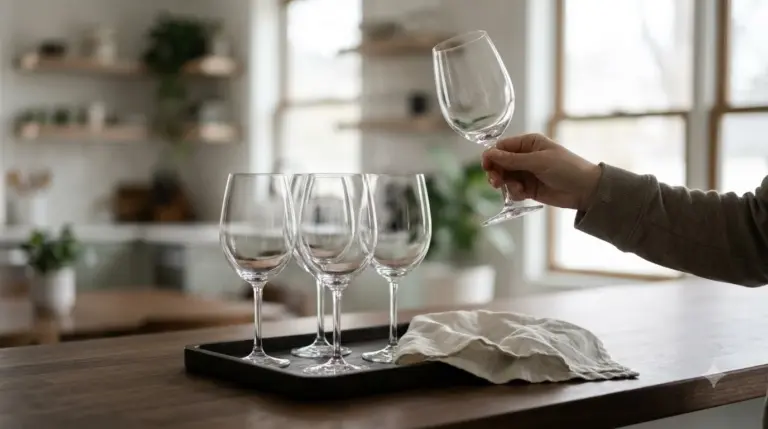
After washing, allow excess water to drain before polishing. If drying by hand, support the glass bowl carefully and avoid using the stem as a lever. A clean microfiber towel helps remove remaining water marks without scratching the surface.
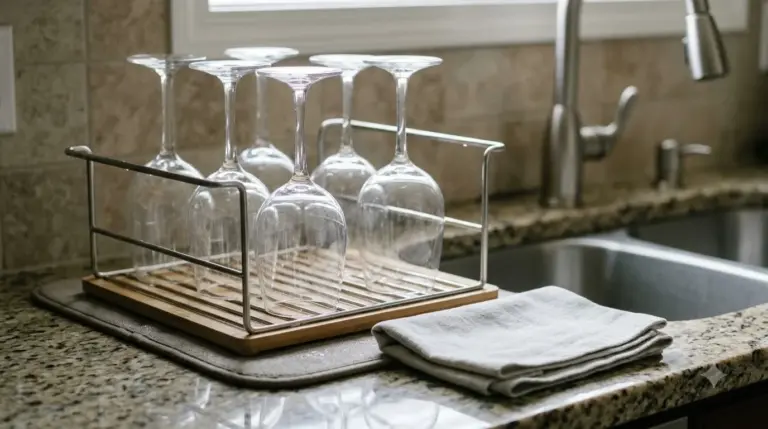
Store glasses upright when the storage arrangement allows sufficient clearance and prevents contact between rims. Avoid stacking traditional stemware, as the weight and pressure can damage delicate edges.
For stemmed glasses, a cabinet shelf or dedicated rack with adequate spacing is preferable to a crowded cupboard. Keep glasses away from frequently handled cookware and heavy kitchen equipment.
Handling handmade imperfections
Ravenscroft explains that small bubbles and minor variations can occur in handmade products. Buyers should distinguish these characteristics from damage such as a cracked bowl, chipped rim, or loose structural connection.
Inspect new glasses before their first use. Check the rim, bowl, stem, and base under good lighting. If a glass arrives damaged, contact the seller promptly and retain the original packaging until the issue has been resolved.
Ravenscroft’s published shipping-breakage guidance requests notification within seven business days of delivery for damaged items. Its FAQ also explains that third-party purchases are subject to the relevant seller’s return policy. Keeping the order information and packaging makes it easier to document a shipping problem.
Tip: If you are buying a handmade set, inspect all glasses as soon as they arrive. Wash delicate pieces individually, dry them with a lint-free cloth, and store them with enough space to prevent rims and stems from touching.
Long-term storage should also account for cabinet conditions. Avoid placing heavy objects on shelves above exposed stemware, and keep glasses away from areas where kitchen equipment is frequently moved. A stable storage location reduces accidental damage and makes it easier to maintain a coordinated set.
For households with limited space, consider purchasing only the glass shapes that serve the most frequently consumed wines. Four regularly used glasses are often more practical than a large collection that rarely leaves the cabinet.
Frequently Asked Questions
Does crystal glass contain more minerals than ordinary glass?
Crystal glass is generally formulated to provide different optical and physical characteristics from standard soda-lime glass. Traditional crystal formulations may use lead oxide, while modern lead-free formulations use alternative ingredients. The precise composition depends on the manufacturer and product.
Can Ravenscroft glasses be used for beverages other than wine?
Yes. Ravenscroft offers several glassware categories beyond conventional wine stemware, including water glasses, spirits glasses, and cocktail-oriented drinkware. Some stemless wine glasses can also serve water or juice, making them useful outside formal wine service.
Does a larger wine glass mean a larger serving of wine?
No. Bowl capacity and serving size are separate measurements. A standard wine pour is approximately 5 ounces, and a larger bowl simply provides additional space for swirling and collecting aromas. The wine should not normally fill the entire glass.
Why do some wine glasses have a wider opening than others?
The opening influences how aromas reach the nose and how wine is directed toward the palate. A broad Burgundy bowl and a narrower white wine glass provide different sensory experiences. The appropriate opening depends on the intended wine style rather than capacity alone.
Can different Ravenscroft collections be mixed at the same dinner table?
Yes. Mixing collections can be practical when each glass serves a different wine. A Bordeaux glass, a Burgundy glass, and a Champagne flute can form a functional place setting even if their stems and bowl proportions are not identical. Consistent placement and clear glassware make the arrangement look intentional.
Ravenscroft crystal wine glasses are worth considering for buyers who appreciate lead-free crystal, wine-specific shapes, and European glassmaking traditions. Classics is a sensible starting point for a versatile collection, while Amplifier and Vintner’s Choice offer more specialized or practical alternatives. Choose according to the wines you serve most often, your available storage space, and how much care you are willing to give delicate stemware.
For additional comparisons, explore the Glassware Brands section to evaluate other manufacturers and find glassware that suits your wine collection and everyday serving needs.
More in Wine Glasses
 Ralph Lauren Stemless Wine Glasses: Finding the Classic Crystal DesignUpdated Nov 21, 2026
 Royal Doulton Red Wine Glasses: Elegant Crystal for Wine ServiceUpdated Nov 21, 2026
 Nachtmann White Wine Glasses: Clear Crystal for Easy White-Wine ServingUpdated Nov 21, 2026
 Ralph Lauren Red Wine Glasses for a Refined Wine ExperienceUpdated Nov 21, 2026
 Ravenscroft Stemless Wine Glasses: Features, Fit and Everyday PerformanceUpdated Nov 21, 2026
 Paksh Wine Glasses Review: Features, Durability, and ValueUpdated Nov 21, 2026