

We may earn a commission when you buy through links on this page, at no extra cost to you. Learn more.
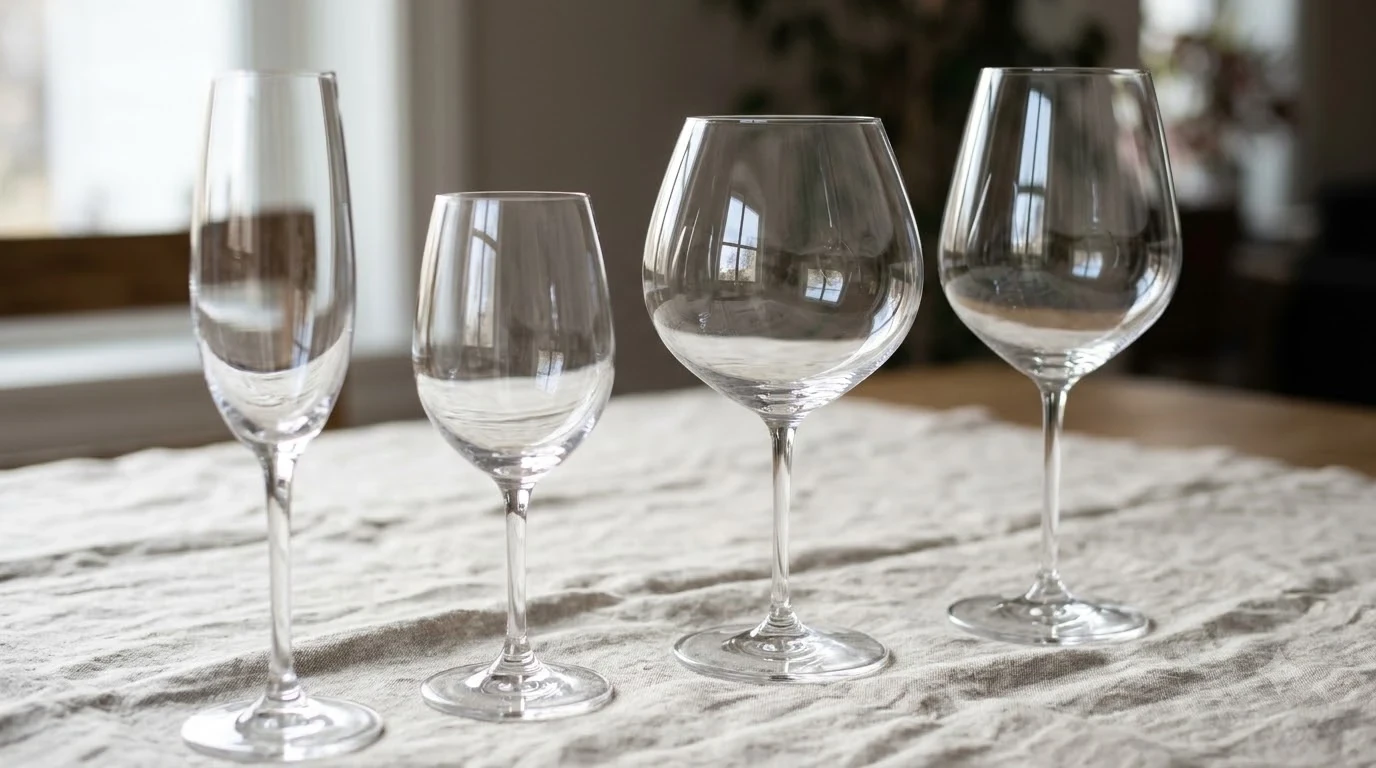
Nachtmann white wine glasses are a strong choice for drinkers who want clear crystal, a classic stemmed shape, and dishwasher-safe convenience; the ViNova white wine glass is the clearest model to consider. Its 380 ml capacity gives Chardonnay, Sauvignon Blanc, and other whites room to move without requiring an oversized red-wine bowl. The main trade-offs are its tall stem, breakable glass construction, and the need to check cabinet and dishwasher clearance.
Nachtmann’s ViNova white wine glass combines a restrained contemporary appearance with practical everyday specifications. The four-piece set is made from machine-produced crystal glass, and its published dimensions make it a fairly substantial piece of stemware. This review looks at the ViNova model, explains what the available owner-feedback evidence can and cannot establish, and considers whether its capacity, shape, and care requirements fit the way you serve white wine at home.
Specs and Key Features
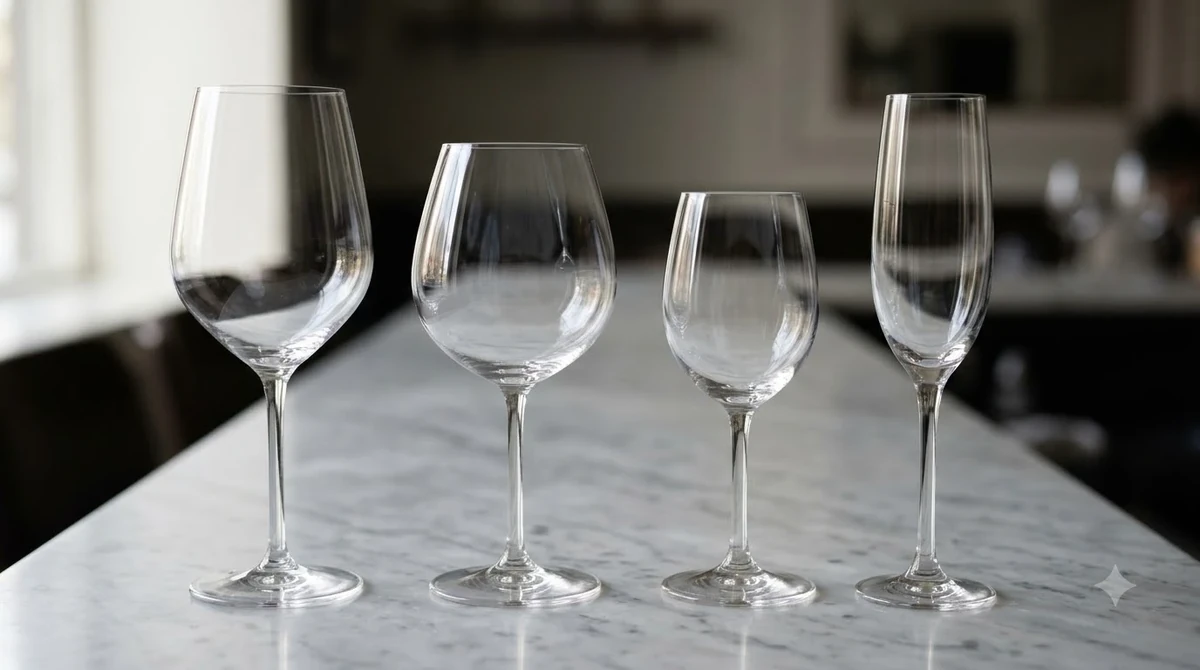
The ViNova white wine glass, item 98074, is a clear crystal stemmed glass sold in a four-piece set. Its most useful specifications are a 380 ml capacity, a height of approximately 9.45 inches, and dishwasher-safe construction.
| Specification | Nachtmann ViNova White Wine Glass |
|---|---|
| Product name | ViNova White Wine Glass |
| Item number | 98074 |
| Collection | ViNova |
| Material | Crystal glass |
| Manufacturing | Machine-made |
| Glass style | Clear, stemmed white wine glass |
| Set size | 4 glasses |
| Capacity | 380 ml (approximately 12.8 fl oz), retailer-listed |
| Exterior height | 9.449 inches (approximately 240 mm) |
| Largest diameter | 3.15 inches (approximately 80 mm) |
| Dishwasher safe | Yes, according to Nachtmann |
| Bottle cleaners recommended | No, according to Nachtmann |
The manufacturer’s product information confirms the collection name, item number, material, production method, set size, and exterior dimensions. The 380 ml capacity is reported by retailers including Bed Bath & Beyond and Buchmann. That distinction matters because the manufacturer’s specification page does not publish a capacity figure alongside its dimensions. For shoppers comparing listings, model number 98074 is the useful identifier: it helps distinguish this white wine glass from other pieces in Nachtmann’s ViNova collection.
A 380 ml bowl has room for a normal serving while leaving space above the wine. A standard 5 oz pour is about 148 ml, so it occupies less than half the listed capacity. That remaining space makes it possible to move the wine gently and assess its aromas without filling the glass close to the rim. It is also a practical volume for a range of white styles, from crisp Pinot Grigio to a fuller Chardonnay. Capacity is not a recommendation to pour 12.8 oz at once; a moderate serving is easier to enjoy and leaves room for swirling.
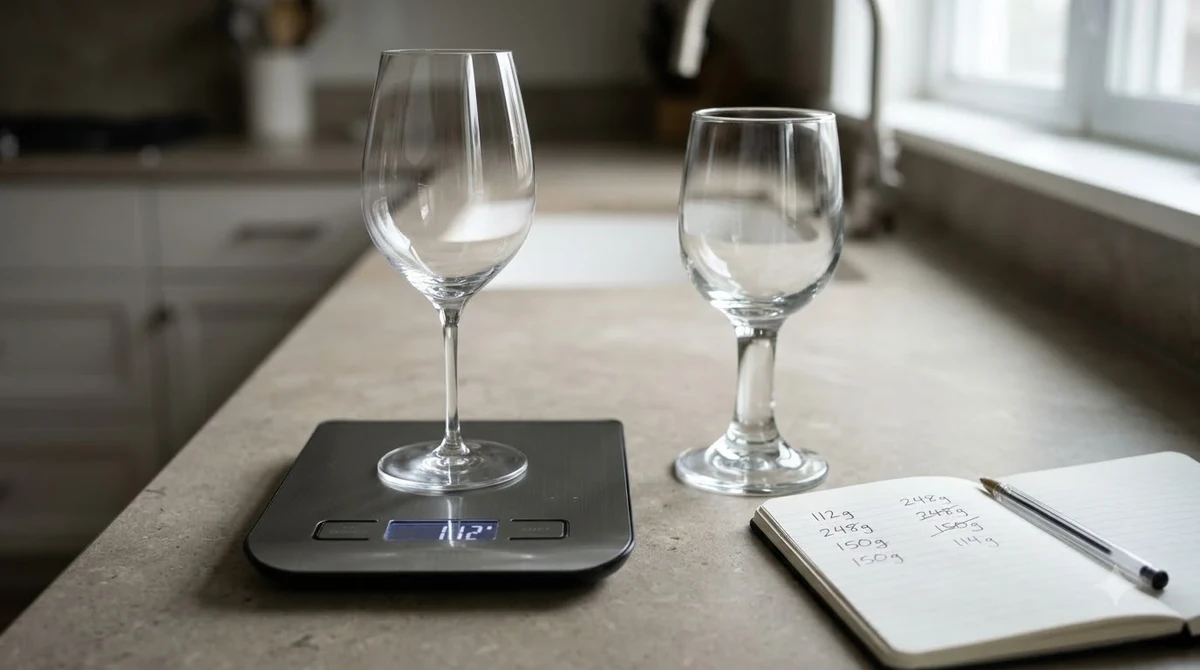
The 9.449-inch height deserves attention before ordering. It gives the glass a noticeable presence on a dining table, but it may be inconvenient in a compact kitchen cabinet or a dishwasher with a low upper rack. At 3.15 inches across its widest point, it is not especially wide for a wine glass, yet it still needs enough space to avoid touching neighboring pieces. Nachtmann describes the product as dishwasher safe, but the physical fit of a particular dishwasher is a separate consideration. The official ViNova product specifications are the best place to confirm the exact item details before choosing a set.
What Owners Like
The strongest reasons to consider the ViNova set are its clear crystal appearance, four-glass format, useful 380 ml capacity, and manufacturer-confirmed dishwasher safety. These are concrete features rather than claims that every owner has reported the same experience.
The available written owner-feedback evidence is limited. The Nachtmann product page does not provide substantive customer comments, and the retailer pages reviewed do not offer a useful collection of detailed owner accounts explaining long-term performance. It would therefore be misleading to claim that buyers consistently praise the stems, rim, clarity after years of use, or resistance to breakage. Instead, the sensible approach is to assess the features that can be verified and decide whether they fit your priorities.
For everyday serving, the four-piece format is a useful starting point. It provides matching glasses for a small household or a dinner with a few guests, without requiring a large cabinet dedicated to several different wine styles. The identical shape also makes it easier to set a coordinated table. Someone who already has a separate collection of white wine glasses may want to add these as a matching everyday set rather than mix several unrelated shapes at the same meal.
The clear crystal design is another practical advantage. A transparent bowl lets the drinker see the wine’s color and clarity, which is useful when comparing a pale Pinot Grigio with a deeper golden Chardonnay. The relatively generous capacity also gives the wine room to move. A 5 oz serving sits comfortably below the rim, rather than filling the entire bowl. That makes the glass suitable for a relaxed dinner, a small tasting, or a meal where guests may want to compare two white wines side by side.
Machine-made construction will also appeal to buyers who prefer a consistent matching set over individually crafted pieces. Nachtmann presents ViNova as a modern collection intended for regular use, and the official listing specifically identifies the glasses as machine-made crystal. That does not establish that every glass will withstand every accident, but it does give buyers a clear picture of the product category: coordinated crystal stemware designed for repeat use, rather than an individually blown collectible. The dishwasher-safe designation is especially useful for households that serve wine frequently and do not want handwashing to be a requirement after every meal.
Common Complaints
The most important potential drawbacks are the ViNova glass’s tall 9.449-inch profile, the fragility inherent in stemmed glassware, and the limited amount of detailed owner feedback available for judging long-term durability. These are considerations to weigh before buying, not a list of verified recurring customer complaints.
Height is the first practical limitation. A glass that stands nearly 9.5 inches tall may not fit upright in every cupboard, rack, or dishwasher. Measure the usable vertical space rather than relying on a cabinet’s exterior dimensions. Dishwasher racks also vary: a glass can technically be dishwasher safe but still be unsuitable for a machine if its stem or rim touches the upper rack, spray arm, or neighboring dishes. The 3.15-inch maximum diameter is manageable for many settings, but spacing becomes important when several glasses are loaded together.
The stem is the second consideration. A stemmed glass keeps a hand farther from the bowl, which helps reduce the transfer of body heat to chilled white wine. However, the stem also introduces a narrower area that can be knocked during loading, unloading, drying, or carrying. Nachtmann explicitly warns that the glass can break if dropped or tipped over and may create sharp shards. That warning applies to glassware generally, but it is especially relevant for buyers who have children, crowded kitchen counters, or a habit of stacking glasses in a sink.
Capacity may also disappoint anyone expecting a small, narrow tasting glass. At 380 ml, the ViNova is not a miniature vessel designed to hold only a modest splash. It offers room for a proper 5 oz serving and some movement, which is useful for most casual white-wine occasions. A shopper who prefers a compact glass for limited pours may find this bowl larger than necessary. Conversely, someone seeking a very large bowl for broad swirling may prefer a different shape. The stated dimensions and listed capacity provide a useful way to judge that preference before purchase.
Finally, machine-made crystal is not the same buying proposition as hand-blown stemware. Nachtmann identifies the ViNova as machine-made, so buyers looking for an individually crafted shape, distinctive artisan variations, or a particularly unusual silhouette should compare other glassware before deciding. The available retailer information also does not provide enough detailed long-term comments to establish how the rim and stem hold up after years of frequent use. Anyone who places durability above appearance should treat that lack of detailed feedback as a reason to compare options, not as proof of a defect.
Who Should Buy and Who Should Skip
The ViNova set makes the most sense for buyers who want four matching crystal glasses for regular white-wine service. Its 380 ml capacity and clear stemmed design suit a range of familiar whites, while its dishwasher-safe specification reduces routine cleanup.
Who should buy it
Choose the ViNova white wine glass if you regularly serve Sauvignon Blanc, Pinot Grigio, Chardonnay, or Riesling and prefer a dedicated white-wine vessel. The product description specifically names Chardonnay, Sauvignon Blanc, and Pinot Grigio, while the retailer description also includes Riesling. Its capacity gives each wine room above a normal serving, making it suitable for a small dinner party or a meal where guests may want to swirl the wine before drinking.
It is also a reasonable choice for someone building a coordinated four-person table setting. The matching set looks consistent across place settings, and its simple clear finish can work with both everyday dinnerware and more formal table arrangements. The stem is useful for serving chilled whites because it lets guests hold the glass without wrapping their hands around the bowl. That matters with wines served cool: light whites and rosé are commonly served around 45–50°F, while fuller-bodied whites such as richer Chardonnay are often served around 50–55°F.
Buyers who use a dishwasher and have enough room for tall stemware will also find the care specification appealing. Nachtmann identifies this particular item as dishwasher safe, rather than relying only on a general statement about the broader collection. The company also publishes instructions for loading its crystal glassware correctly. A household that can leave space around each piece and use a suitable stemware support can make better use of that convenience. For a wider overview of styles and shapes, compare this set with other wine glasses before committing to one dedicated white-wine design.
Who should skip it
Skip the ViNova set if you need stemless glasses for outdoor tables, crowded patios, or situations where a long stem is inconvenient. A stemmed glass can be elegant and useful for serving chilled wine, but it requires more careful handling than a low tumbler. If your kitchen has limited storage height, the nearly 9.5-inch measurement may be a deal-breaker even if you like the design.
It may also be the wrong choice for someone who wants one glass to cover every drink and wine style. A dedicated white wine glass is useful, but a household that serves equal amounts of Cabernet Sauvignon, Syrah, sparkling wine, and white wine may prefer a broader assortment or an all-purpose shape. The four-piece pack may be too small for a large household that regularly hosts six or more wine drinkers, especially if matching replacements are difficult to source.
Finally, pass on this model if your priority is artisan glassmaking rather than a matching machine-made set. The manufacturer clearly identifies ViNova as machine-made, so there is no reason to assume it has the individual variation of hand-blown stemware. Buyers who want a particular feel at the rim, a very light hand-blown bowl, or a highly specialized glass for one grape variety should compare those requirements with the ViNova’s published dimensions before deciding.
How It Compares to Alternatives
The ViNova white wine glass is a dedicated 380 ml white-wine option, while red wine and universal glasses are intended to cover different serving preferences. Its four-piece format and 9.449-inch height make it most appealing to buyers who want matching white-wine stemware rather than a single glass for every beverage.
Compared with a typical red wine glass, a white wine glass generally has a smaller bowl, less curved sides, and a narrower opening. Wine Enthusiast explains that the larger, rounder bowls associated with red wine glasses allow more air to interact with fuller-bodied reds, while a white-wine shape helps bring more subtle aromas closer to the nose. That difference provides a useful reason to choose dedicated stemware: the glass is not simply a decorative container, but a shape intended to suit a particular style of wine. For the full explanation, see Wine Enthusiast’s comparison of red and white wine glasses.
The distinction is especially useful if you serve both delicate whites and structured reds at home. Sauvignon Blanc and Pinot Grigio generally benefit from cool serving temperatures and a glass that keeps their aromas accessible. Cabernet Sauvignon and Syrah are fuller reds with more tannin, and a more generously shaped red-wine glass gives them additional room to open up. Someone who often serves both styles may prefer separate dedicated glasses. Nachtmann also lists a ViNova Red Wine Glass and ViNova Bordeaux Glass in the same collection, providing matching red-wine options rather than requiring a completely different visual style.
A universal wine glass is a more practical alternative if storage space is limited or the household wants to keep only one kind of stemware. It can handle different wines adequately, although it may not have the same dedicated proportions as a glass made specifically for whites. The ViNova is more focused: buyers get a clearly identified white-wine vessel with a capacity of 380 ml, rather than a general-purpose glass whose proportions are meant to compromise between several types of wine. A universal set is likely to be the easier purchase for someone who drinks many styles but rarely serves several wines at the same time.
There is also a difference between a dedicated white-wine glass and a champagne glass. Nachtmann lists a ViNova Champagne Glass as another piece in the same collection. A white-wine glass may be convenient for casual sparkling wine service, but a dedicated champagne shape is designed around a different presentation and drinking experience. Buyers who frequently serve sparkling wine alongside still whites may prefer to build a small assortment rather than expect the 98074 glass to perform every job.
For shoppers who want matching pieces, the ViNova range has a practical advantage: its official product page identifies companion red-wine, Bordeaux, champagne, and tumbler options. That makes it possible to keep a coordinated look while selecting different vessels for different drinks. If red-wine service is the bigger priority, compare the range of red wine glasses rather than assuming the white-wine model is a suitable replacement. The best choice depends on what you pour most often, how much storage space you have, and whether you value a dedicated shape over an all-purpose glass.
Frequently Asked Questions
The ViNova white wine glass is a four-piece crystal set with a 380 ml retailer-listed capacity. These additional details cover material composition, dishwasher testing, cleaning, and what to do if a delivered glass is damaged.
Are Nachtmann ViNova white wine glasses lead-free?
Nachtmann states that its crystal glass does not use lead oxide as a principal ingredient. The company says it has produced crystal glass on that basis since 2015, which is its published explanation for customers asking about lead-free products.
How many dishwasher cycles can Nachtmann crystal glasses withstand?
Nachtmann says properly loaded dishwasher-safe glasses can withstand at least 1,000 cycles without a demonstrable change to their shine or clarity. Its testing references EN 12875-1:2005 and EN 12875-2:2001, although correct loading and spacing remain important.
How can I reduce cloudiness on crystal glassware?
Nachtmann recommends attention to water hardness because mineral deposits and detergent residue can affect the appearance of crystal. Its care guidance identifies approximately 3–4 °dH as an appropriate household water-hardness setting and recommends a suitable rinse-aid level.
What should I do if a Nachtmann glass arrives broken?
Nachtmann instructs customers to contact its customer service team with the order number, order date, contact details, and a photograph of the damaged item. The company says its team will review the information and contact the customer directly.
What is the best way to polish Nachtmann crystal glasses?
Nachtmann recommends using a clean microfiber polishing cloth and supporting the glass securely while drying it. Its care instructions also warn against twisting pressure while polishing and against placing crystal upside down on metal drying racks, which can chip the rim or edges.
Nachtmann’s ViNova white wine glass is a sensible option for buyers who want a matching four-piece crystal set with useful capacity and dishwasher-safe care. Its tall stem and machine-made construction will not suit every preference, but the published specifications make it a straightforward choice for regular white-wine service. Measure your storage and dishwasher space before ordering, then decide whether a dedicated white-wine glass is more useful to your household than a universal design.
More in Wine Glasses
 Spiegelau Crystal Wine Glasses That Bring Clarity to Every PourUpdated Nov 21, 2026
 Zalto Crystal Wine Glasses: Are They Worth the Investment?Updated Nov 21, 2026
 Villeroy And Boch White Wine Glasses for a More Cohesive TableUpdated Nov 21, 2026
 Zalto Wine Glasses On Sale: Find the Right Denk’Art GlassUpdated Nov 21, 2026
 Zwiesel Glas Champagne Glasses: Features, Quality and Buying AdviceUpdated Nov 21, 2026
 Zwiesel Glas Decanter Review: A Durable, Elegant Choice for Wine ServiceUpdated Nov 21, 2026