

We may earn a commission when you buy through links on this page, at no extra cost to you. Learn more.
Rabbit replacement parts are available for maintaining compatible wine openers, with the replacement spiral being the primary directly listed corkscrew component. Rabbit’s replacement spiral uses high-tensile-strength steel with a nonstick coating, is listed for compatible Rabbit and Houdini corkscrews, and is designed for at least 800 cork pulls. Replacing a worn spiral can restore normal cork extraction without requiring an entirely new manual opener, but compatibility matters, especially with electric models and older mechanisms. Checking the opener’s model and identifying the actual mechanical problem before ordering is the best way to avoid buying the wrong component.
A Rabbit lever corkscrew can remain useful for years, but its spiral, moving mechanism and other working components experience repeated friction whenever a bottle is opened. A spiral that has lost its coating or become difficult to drive into a cork can make an otherwise serviceable opener frustrating to use. Rabbit offers a dedicated replacement spiral and directs customers toward its consumer service department for other defects and warranty questions. This review explains what the replacement component does, what owners report, how to recognize other mechanical problems, and when repair makes more sense than replacing the complete wine opener.
Specs and Key Features of Rabbit Replacement Parts
The most clearly documented replacement component for Rabbit lever corkscrews is the W6003N replacement spiral. It is intended to renew the cork-contacting part of a compatible manual opener, rather than replace the entire lever assembly or repair every possible mechanical fault.
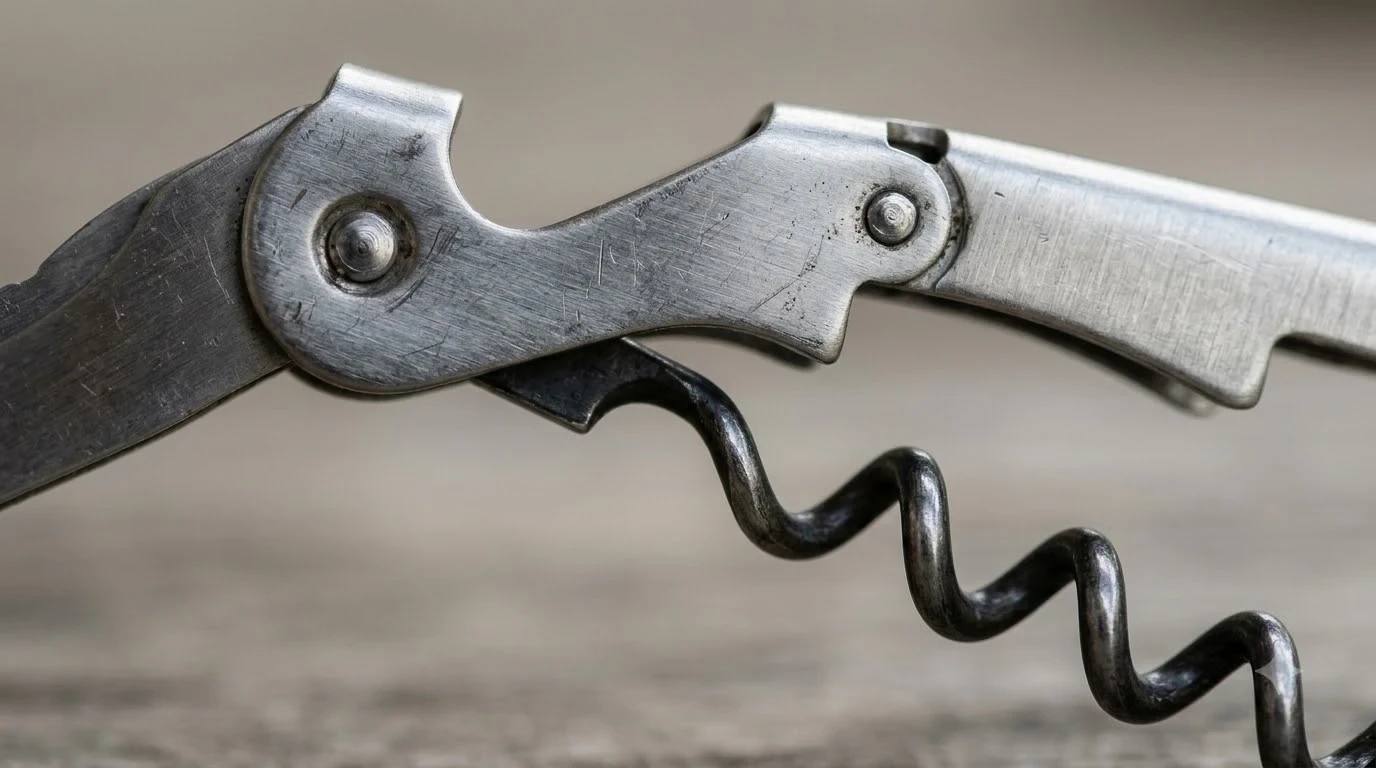
Rabbit describes the spiral as a high-tensile-strength steel component with a nonstick coating. Its purpose is to penetrate a wine cork and provide the grip needed for the lever mechanism to extract it. The coating is important because the spiral repeatedly enters and leaves cork material, and friction, residue and incorrect use can gradually compromise its surface.
The manufacturer’s listing identifies compatibility with Rabbit and Houdini corkscrews. That broad description is useful, but it should not be interpreted as proof that one spiral fits every product carrying either brand name. Manual lever models, electric openers and specialty mechanisms can use different internal arrangements. In particular, a replacement spiral listed for manual corkscrews should not automatically be ordered for an electric Rabbit opener.
| Specification | Manufacturer information |
|---|---|
| Product name | Rabbit Replacement Spiral |
| SKU | W6003N |
| Main material | High-tensile-strength steel |
| Surface | Nonstick coating |
| Listed compatibility | Rabbit and Houdini corkscrews |
| Expected service life | 800 or more cork pulls |
| Warranty | 10 years |
| Primary purpose | Replacement of a worn corkscrew spiral |
One important distinction is that the replacement spiral is not the same thing as a complete corkscrew repair kit. It does not automatically include a replacement handle, gear assembly, spring, housing, internal guide or every small retaining component. If one of those parts has failed, installing a new spiral may not solve the underlying problem.
Rabbit also sells complete corkscrews with their own accessory arrangements. For example, its current Rabbit Lever Corkscrew description identifies an integrated four-blade foil cutter, a nonstick spiral, an additional spiral, a TPE comfort grip and a solid metal lever. These details help explain why identifying the exact opener matters before buying replacement components.
The official listing is the best starting point for checking the spiral’s specifications: Rabbit Replacement Spiral specifications and compatibility.
For owners of a compatible manual Rabbit or Houdini opener, the W6003N is a practical maintenance component. However, buyers should treat the model number and compatibility information as essential purchasing details, rather than assuming that every part described as a Rabbit corkscrew accessory will fit every opener.
What Owners Like About the Replacement Spiral
The strongest advantage of the Rabbit replacement spiral is that it addresses a recognizable wear component without requiring owners to discard an otherwise functional lever corkscrew. Manufacturer specifications and customer feedback both support the usefulness of replacing the spiral when the original has become worn.

Owners who describe successful replacements generally appreciate the relatively straightforward installation process. Customer feedback on Rabbit’s official product page includes reports of replacing the spiral on older manual openers that had become increasingly difficult to use. For someone with a dependable lever mechanism, changing the spiral can be a more sensible repair than purchasing an entirely new corkscrew.
The nonstick coating is another useful feature. Cork material can cling to a spiral during extraction, particularly when the cork is soft, damaged or deteriorating. A coated surface is designed to reduce sticking and help the spiral move through the cork more smoothly. It also gives owners a visible indication of wear: when the dark coating begins to flake and silver-colored steel becomes visible, Rabbit identifies replacement as appropriate.
The advertised service life is also a helpful purchasing consideration. Rabbit specifies 800 or more cork pulls for its replacement spiral. This is a manufacturer-provided performance expectation, not a guarantee that every spiral will reach the same number of openings. Cork condition, foil removal, wax contamination, cleaning habits and frequency of use can all influence how long the component remains serviceable.
Another advantage is the listed 10-year warranty. A replacement component with its own warranty provides a clearer support route than relying exclusively on the warranty of the original opener. Owners should retain their purchase documentation and review the applicable warranty terms if a replacement component develops a defect.
There is also value in keeping the original opener’s familiar operating arrangement. People accustomed to the leverage and positioning of a Rabbit manual corkscrew may prefer maintaining that tool rather than learning a different opening mechanism. A compatible spiral replacement can preserve the working setup while addressing a specific source of wear.
However, the strongest customer experiences involve the correct replacement being fitted to a manual opener with an otherwise functional mechanism. A new spiral is not a universal fix for a bent guide, damaged lever, loose retaining hardware or worn internal gears.
For buyers comparing complete openers before deciding whether to repair an existing one, our Rabbit corkscrew reviews provide a useful starting point for understanding the differences between opener designs.
Common Complaints and Compatibility Problems
The main limitation of Rabbit replacement parts is that the replacement spiral does not address every failure that can occur in a corkscrew. Customer feedback highlights fitment questions, missing small components and situations in which a new spiral fails to restore normal operation.
One recurring concern is compatibility with electric openers. A customer review on Rabbit’s official replacement spiral listing describes purchasing the component for an electric wine opener and discovering that it did not fit. This is an important warning: a brand name alone does not establish that two different opener mechanisms share interchangeable replacement components.
Manual lever corkscrews use a mechanical arrangement in which the spiral works with the lever and associated guides. Electric openers use a motorized drive system. Even when both devices perform the same basic job, their attachment points and internal components can differ. Buyers should confirm the precise model rather than treating the W6003N listing as a universal Rabbit spare part.
A second concern involves the small bushing or guide associated with the spiral assembly. Customer feedback describes a situation in which the replacement spiral was available but the customer also needed a small component to hold it in position. Other feedback mentions a plastic guide that no longer kept the spiral properly centered.
These complaints illustrate the difference between a worn spiral and a worn supporting mechanism. A new spiral may have a sound coating and sharp working profile, but it still depends on proper alignment. If the guide has excessive movement or a retaining component is missing, the spiral can enter the cork at an angle. That may increase resistance, make extraction difficult or prevent the opener from functioning as intended.
There are also complaints involving spirals that appear not to solve the original problem. A replacement can be installed correctly and still fail to pull a cork if the lever assembly, internal connection or alignment mechanism is damaged. In such circumstances, ordering another spiral without diagnosing the opener can create unnecessary expense and delay.
Another practical issue is that the product listing and customer experiences do not establish universal compatibility across every historical Rabbit model. An older opener may have a different attachment arrangement from a newer version. Owners should compare the original component, identify the model and contact Rabbit Consumer Service if the fit remains uncertain.
Finally, buyers should understand that the word replacement does not necessarily mean every component can be purchased individually. Rabbit directly documents its replacement spiral, while other defective components may need to be handled through warranty service or consumer support. It is better to confirm availability than assume that a particular spring, screw, gear or handle is sold separately.
Who Should Buy Rabbit Replacement Parts and Who Should Skip Them
The replacement spiral is most suitable for owners of compatible manual Rabbit or Houdini lever corkscrews whose main problem is a visibly worn or damaged spiral. It is less appropriate for people whose opener has a defective drive mechanism, a damaged housing or an unresolved compatibility question.
Who should consider the replacement spiral
Owners of older manual Rabbit corkscrews are the clearest audience. If the opener previously extracted corks reliably but has gradually become harder to operate, inspecting the spiral is a sensible first step. Visible coating damage, exposed silver-colored steel and cork residue that remains difficult to remove are reasons to investigate replacement.
Regular wine drinkers and hosts may also benefit from keeping a compatible spare available. A lever corkscrew can see repeated use during dinners, gatherings and tasting events. Replacing the worn working component rather than the complete opener can preserve a familiar tool and reduce unnecessary waste.
People who own compatible Houdini manual corkscrews should also investigate the W6003N because Rabbit explicitly identifies Houdini compatibility in its product description. However, the exact model and connection arrangement still deserve confirmation before ordering.
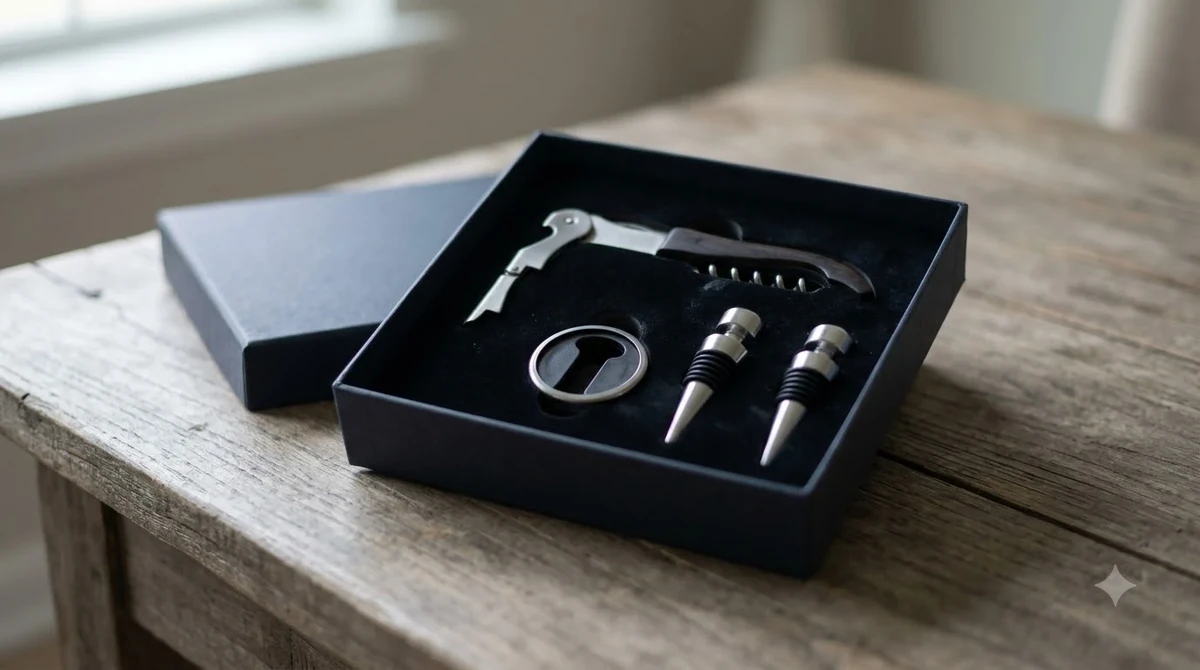
Another suitable buyer is someone maintaining a wine station or home entertaining area. A dependable opener is a useful part of a functional setup alongside a foil cutter, stopper and appropriate glassware. Owners organizing their opening and serving equipment can also consult our guide to the bar cart for ideas about arranging frequently used wine accessories.
Who should skip ordering immediately
Owners of electric Rabbit wine openers should not assume the manual replacement spiral will fit. The customer feedback describing an electric-model compatibility problem reinforces the need to verify the exact product before purchasing.
People with bent levers, damaged housings, loose pivot connections or visibly worn internal guides should also investigate the full mechanism. These problems require more than replacing the cork-contacting spiral. A new component cannot restore structural strength to a damaged lever or correct a guide that no longer holds the spiral in alignment.
Similarly, anyone whose opener is still covered by an applicable warranty should contact Rabbit before attempting an uncertain repair. Opening or modifying a mechanism without checking the warranty conditions could complicate a service request.
For owners with several damaged components, an entire replacement opener may be more practical than attempting multiple repairs. Compare the condition of the lever, alignment guide and attachment hardware before deciding. The objective is to restore reliable operation, not simply install a new spiral because it is the only component readily listed online.
How Rabbit Replacement Parts Compare to Alternative Solutions
Rabbit’s replacement spiral is a focused repair option rather than a complete mechanical overhaul. Its main advantage is that it addresses the part most directly involved in cork penetration, while alternative solutions include warranty service, troubleshooting and replacing the entire opener.
The best choice depends on the location of the failure. A worn coating is a different problem from a loose guide, a defective electric motor or a damaged lever. Understanding that distinction makes it easier to choose the appropriate repair route.
Replacement spiral versus a complete new opener
Replacing the spiral is generally the more targeted approach when the lever mechanism remains functional. The W6003N is designed for at least 800 cork pulls, according to Rabbit, and has a listed 10-year warranty. If the existing opener is comfortable to use and its other components remain sound, a compatible replacement can extend its service life.
A complete opener makes more sense when the main body or mechanical assembly is damaged. Rabbit’s current manual Lever Corkscrew includes a four-blade foil cutter, an additional spiral, a TPE grip and a solid metal lever. Those features provide a new opening mechanism and accessory arrangement rather than addressing only the original spiral.
Owners should also consider the age and general condition of their existing opener. A nearly new manual corkscrew with a damaged spiral is a stronger repair candidate than an older device with several loose or deteriorating components.
Replacement spiral versus warranty service
Warranty service is preferable when the problem appears to involve a manufacturing defect or a failed component beyond the spiral itself. Rabbit lists a 10-year warranty for non-electronic Rabbit corkscrews, a 5-year warranty for non-electronic Houdini corkscrews and a 1-year warranty for electric Rabbit and Houdini corkscrews.
These product warranty periods should not be confused with the replacement spiral’s separate 10-year warranty. Each applies to a different product or component, and the relevant terms determine what assistance is available.
Rabbit’s FAQ recommends troubleshooting and replacing a worn spiral before returning an entire corkscrew. It also encourages customers to contact Consumer Service before mailing a defective item. This is a useful approach because a photograph and a description of the failure may help the support team identify the appropriate next step.
Replacement spiral versus improvised repair
Using an unrelated spiral, modifying a retaining pin or forcing a mismatched component into the opener is not a dependable substitute for a correctly fitted replacement. Even a component that appears similar can have a different attachment arrangement or dimensions.
The spiral must remain properly aligned with the cork and connected to the mechanism. An improvised repair can make operation less predictable and may increase stress on the lever assembly. If the original spiral is unavailable or compatibility cannot be established, ask the manufacturer about an appropriate service solution.
Owners comparing different opener styles can also explore our guide to the best Rabbit corkscrew to understand which complete tool may suit their opening habits better than repairing an older model.
How to Replace and Maintain a Rabbit Corkscrew Spiral
Replacing a compatible Rabbit spiral is a maintenance task that should begin with model identification and inspection. The exact attachment arrangement can vary, so the procedure supplied for the specific opener takes priority over instructions intended for another model.
Rabbit describes its replacement spiral as easy to replace, but the product listing does not establish one universal installation procedure for every Rabbit and Houdini corkscrew. Owners should inspect their existing attachment and use the correct instructions before removing hardware.
Replacement procedure
- Identify the opener. Determine whether the device is a manual Rabbit lever corkscrew, a Houdini model or an electric opener. Record the model information and compare the existing spiral attachment with the replacement product.
- Inspect the original spiral. Look for flaking coating, exposed silver-colored metal, bending and accumulated cork residue. If the spiral appears sound, investigate alignment and lever movement before purchasing another one.
- Confirm the replacement. Check the W6003N SKU and Rabbit’s stated compatibility. If the attachment or model is unclear, contact customer service before ordering.
- Prepare the opener. Place the opener on a stable surface and make sure it is not positioned over a wine bottle. Keep the replacement and any small retaining hardware organized so nothing is misplaced.
- Follow the model-specific removal instructions. Remove the old spiral using the appropriate retaining pin, bolt or attachment arrangement for that opener. Do not force a stuck fitting or assume that a different Rabbit model uses the same connection.
- Check the supporting guide. Inspect the bushing, guide and retaining components. If anything is missing, loose or visibly damaged, stop and ask Rabbit whether a suitable replacement is available.
- Install the new spiral. Fit the compatible component according to the manufacturer’s instructions and secure the attachment correctly. It should sit straight and remain properly supported by its guide.
- Check the mechanism. Before normal use, inspect the lever movement and the alignment of the installed spiral. Do not force the mechanism if it binds or moves unevenly.
- Maintain the opener. Wipe away cork fragments and liquid residue after use. Remove foil and wax before opening bottles to protect the coating.
The most important point is to avoid transferring installation instructions between different mechanisms. Some corkscrews use a bolt, others use a retaining pin or a different attachment. Rabbit’s product compatibility statement does not mean every model has an identical assembly.
Cleaning and preventing premature wear
Rabbit recommends using a damp cloth or sponge to clean the spiral and remove cork fragments. Residue left on the working surface can accumulate over repeated openings, so occasional cleaning helps maintain the condition of the coating.
Foil removal is particularly important. Rabbit identifies pulling a cork without first removing the foil cap as a common way of scraping the spiral’s protective surface. The cutting edge of the foil can damage the coating as the spiral enters the cork.
Wax seals create a similar concern. Wax should be removed before operating the opener because material adhering to the spiral can interfere with movement and cleaning. Rabbit recommends its Wax Wacker accessory for this purpose.
The manufacturer also advises keeping the corkscrew clean and its gears properly lubricated. Its FAQ mentions WD-40 as a lubricant for moving gears. For any lubrication or servicing beyond routine wiping, follow the instructions applicable to the exact opener and avoid getting lubricant on the spiral’s cork-contacting surface.
Temperature extremes should also be avoided during storage and maintenance. Keep the opener in a dry location, away from unnecessary moisture and conditions that could affect its moving components.
For an organized wine setup, store the corkscrew alongside its compatible foil cutter and other frequently used tools. Keeping small accessories together reduces the chance of losing retaining components and makes routine inspection easier.
Frequently Asked Questions
Does Rabbit sell individual replacement screws and springs?
Rabbit directly documents its replacement spiral, but its published replacement spiral listing does not establish that every internal screw, spring or retaining component is available separately. For a missing or damaged small fitting, contact Rabbit Consumer Service with photographs of the assembly. The support team can advise whether an individual component or warranty service is available.
Can a Rabbit replacement spiral be used on a Houdini opener?
Yes, Rabbit explicitly lists Houdini corkscrews among the compatible products for its W6003N replacement spiral. However, Houdini models have their own warranty arrangements, and the manufacturer lists a 5-year warranty for non-electronic Houdini corkscrews. Confirm the specific opener’s attachment before ordering.
Does the Rabbit replacement spiral need special tools for installation?
Rabbit describes the replacement as easy to install, but the published product listing does not specify one universal tool requirement for every compatible opener. The retaining arrangement can depend on the model. Consult the appropriate instructions rather than assuming that a screwdriver, wrench or pin tool is required for all versions.
Can a Rabbit corkscrew be repaired if the handle becomes loose?
A loose handle is a separate mechanical problem from a worn spiral. The replacement spiral alone does not establish a repair for a damaged handle connection or pivot. Stop using the opener if its handle or retaining hardware is unstable, and ask Rabbit whether the affected assembly can be serviced.
What information should you provide when requesting Rabbit warranty assistance?
Provide the opener’s model information, a description of the failure, photographs of the affected area and available proof of purchase. Rabbit’s support guidance also recommends contacting Consumer Service before mailing a defective product. Its published support details include [email protected] and 1-866-843-3905.
Rabbit replacement parts are most useful when they address a clearly identified problem, and the W6003N replacement spiral is a practical maintenance option for compatible manual corkscrews. Confirm the model, inspect the supporting mechanism and follow the manufacturer’s installation guidance before ordering. With proper cleaning, foil removal and routine inspection, a serviceable Rabbit opener can remain a dependable part of a home wine setup for many more bottles.
More in Wine Accessories
 Coravin Vs Vacu Vin: Choose the Right Wine Saver for Your BottlesUpdated Nov 21, 2026
 Zwilling Wine Stopper Review: Preserve Open Bottles LongerUpdated Nov 21, 2026
 Wine Enthusiast Wine Preserver Review: Features, Benefits and LimitationsUpdated Nov 21, 2026
 Wine Enthusiast Wine Stopper: An Easier Way to Reseal Open BottlesUpdated Nov 21, 2026
 Vintorio Wine Opener: Two-Step Cork RemovalUpdated Nov 21, 2026
 Zwilling Wine Aerator Review: Aerate, Pour, and Seal With One ToolUpdated Nov 21, 2026