


We may earn a commission when you buy through links on this page, at no extra cost to you. Learn more.
The pulltap wine opener is a compact, double-hinged waiter’s corkscrew designed to remove wine corks with controlled, two-stage leverage. Its best-known model, the Classic 500, combines a serrated foil-cutting blade, a nonstick spiral, and a folding bottle opener in a portable metal body. It is particularly appealing to wine enthusiasts, restaurant professionals, and home hosts who prefer a traditional manual opener, although beginners may need some practice to master its mechanics.
A dependable wine opener is one of those accessories that can make serving wine considerably easier. Pulltap’s has earned recognition for its distinctive two-stage mechanism, compact construction, and professional-oriented design. The Classic 500 is the central model to consider, but understanding its advantages, limitations, and authenticity indicators will help buyers decide whether it deserves a place in their kitchen drawer or home bar.
Specs and Key Features of the Pulltap Classic 500
The Pulltap Classic 500 is a traditional waiter’s corkscrew with a double-hinged lever, folding blade, and coated spiral. Its main advantage is the combination of compact dimensions and two-stage extraction, which provides a practical opening method without requiring a large countertop device.
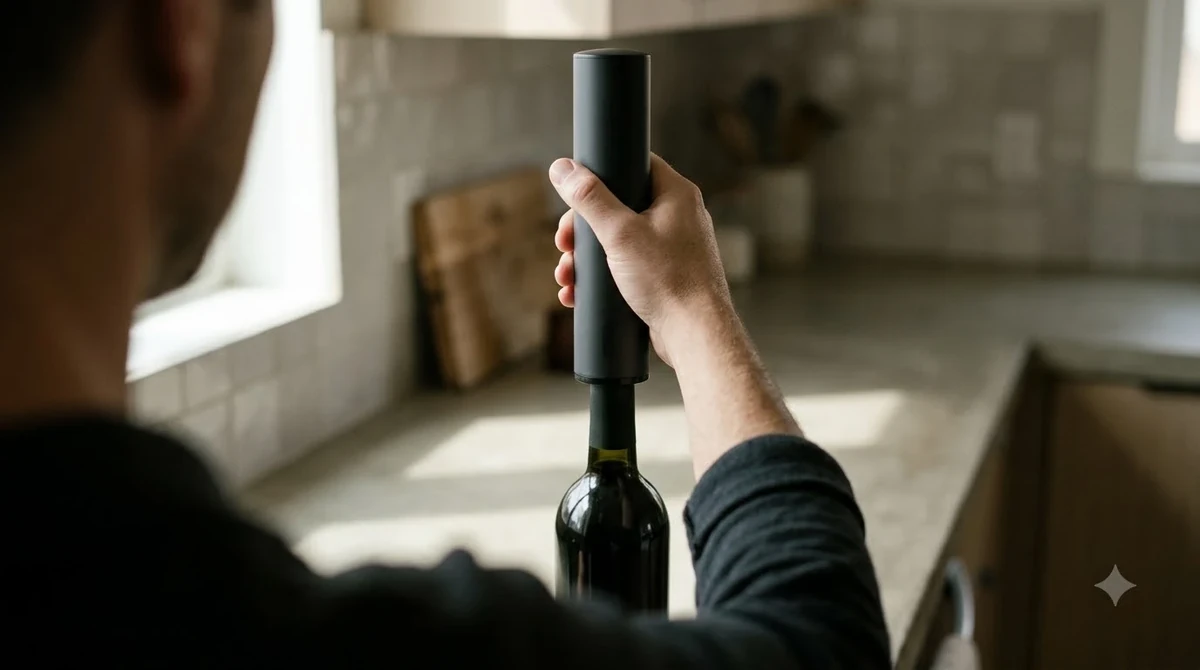
According to the manufacturer’s product specifications, the Classic 500 measures 115 x 20 x 13 mm and weighs 70 grams. Its iron handle, articulated cutting blade, and nonstick-coated spiral form the basic operating components. These dimensions make it small enough for a kitchen utensil drawer, bar cart accessory compartment, or professional apron pocket.
| Specification | Pulltap Classic 500 |
|---|---|
| Product category | Double-hinged waiter’s corkscrew |
| Manufacturer’s dimensions | 115 x 20 x 13 mm |
| Manufacturer’s weight | 70 g |
| Main handle material | Iron |
| Lever mechanism | Articulated double hinge |
| Spiral | Right-handed, nonstick Teflon-coated |
| Foil cutter | Hinged micro-serrated stainless steel blade |
| Additional function | Crown-cap bottle opener |
| Manufacturing origin | Spain |
| Grip improvement | Soft black polymer interior on newly manufactured units |
The double-hinged mechanism is the most important feature. Instead of attempting to extract an entire cork with one continuous lever movement, the user rests the opener against the bottle lip in two successive positions. This creates a more controlled extraction process and helps maintain a relatively vertical pulling direction.
The stainless steel spiral has a nonstick coating intended to make insertion and removal smoother. Pulltap’s describes its spiral as suitable for natural and synthetic corks. This is useful because wine bottles do not all use identical closures, and a good everyday opener should accommodate different common cork materials.
Another practical detail is the micro-serrated foil knife. Rather than requiring a separate foil cutter, the Classic 500 incorporates a small hinged blade into its body. The articulated lever also includes a crown-cap opener for beer and other bottled beverages, adding another function without significantly increasing its size.
The handle is made from iron, with several available finishes and colors. Newly manufactured versions include a soft black polymer interior that improves the feel of the handle. The result is a traditional metal wine key with some attention to grip comfort rather than an entirely bare-metal construction.
For buyers comparing technical specifications, the distinction between the manufacturer’s 70-gram specification and measurements reported by independent reviewers matters. Good Housekeeping lists its reviewed Pulltap’s example at approximately 2.40 ounces, or about 68 grams, with dimensions of 4.75 x 0.75 inches. Minor differences can reflect measurement methods or product variations, so the manufacturer’s metric specifications are the clearest reference for the Classic 500 itself.
The original Classic 500 product description is available on the Pulltap’s Genuine manufacturer product page, which also identifies its construction, finishes, and operating features.
What Owners and Independent Reviewers Like
The strongest attraction of the Pulltap wine opener is its combination of portability, leverage, and practical everyday features. Its traditional waiter-style shape avoids the storage demands of larger openers while providing more controlled extraction than many basic single-hinge designs.
The double hinge is particularly useful for people who regularly open bottles with longer corks. With a single-stage opener, the user may need to pull the cork through a greater distance while maintaining the same leverage position. The Pulltap system divides that movement into two stages, helping keep the extraction controlled as the cork rises out of the neck.
Good Housekeeping selected Pulltap’s double-hinged waiter’s corkscrew as its best overall wine opener in its comparison of different opener styles. The publication highlighted its sturdy construction, comfortable handling, and portability. It also praised the lever spacing because the notches can engage the bottle lip without easily slipping away during extraction.
That last point deserves attention. The quality of a waiter’s corkscrew is not determined by the spiral alone. The relationship between the spiral, lever, hinge, and bottle lip affects how much control the user has during opening. A poorly positioned lever can slip or force the cork sideways, potentially increasing the chance of breakage.
The coated spiral is another practical advantage. Its surface is designed to penetrate cork more smoothly, reducing friction as the screw enters the closure. A correctly positioned spiral also helps keep the cork intact, which is particularly useful when opening bottles with older natural corks that may be more fragile.
The integrated foil knife receives attention because it eliminates the need to keep another small tool nearby. A clean foil cut makes the bottle presentation neater and provides easier access to the cork. The serrated edge is intended to cut the capsule without requiring excessive pressure.
Portability is equally important. At 115 mm long and 70 grams, the Classic 500 is a practical option for picnics, travel, restaurants, and home entertaining. It folds into a relatively slim shape, and its various finishes make it suitable for people who prefer an accessory with a distinctive appearance.
The Pulltap’s design also has a professional background. Its manufacturer describes the Classic 500 as a widely used model in bars, restaurants, hotels, wine bars, and sommelier environments. That intended use helps explain why the design prioritizes compact storage, quick access to the foil knife, and repeatable cork extraction rather than elaborate electric or countertop mechanisms.
For a home wine station, a compact opener pairs naturally with practical serving accessories. A dedicated bar cart can keep the wine key, bottle stoppers, glassware, and serving equipment together instead of scattering them across kitchen drawers.
Overall, the appeal is functional rather than complicated: a small metal tool, a useful foil blade, a coated spiral, and a two-stage lever. Buyers who appreciate traditional manual equipment are likely to find this combination more appealing than a larger device with an electric motor or multiple moving assemblies.
Common Complaints and Practical Limitations
The Pulltap Classic 500 has a strong functional design, but it is not the easiest wine opener for every user. Its main limitations are the learning curve, manual effort, small folding components, and the possibility of encountering counterfeit or imitation products.
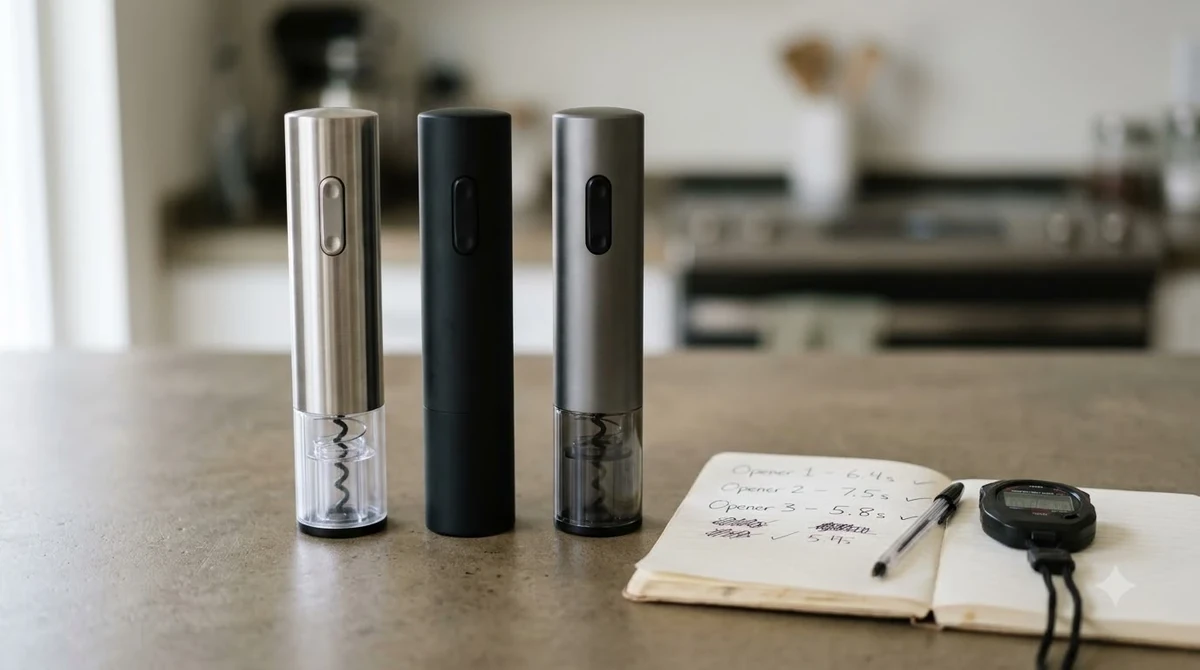
The first limitation is technique. A waiter’s corkscrew requires the user to position the spiral accurately, hold the bottle steady, engage the first lever notch, and repeat the process using the second notch. People accustomed to electric or winged openers may initially find these movements less intuitive.
Good Housekeeping specifically notes that this type of Pulltap opener requires some strength and familiarity with its mechanics. This is an important consideration for buyers who want an opener that works immediately without a learning period. A double-hinged mechanism improves leverage, but it does not eliminate the need for hand coordination or physical effort.
Another consideration is the small size of the handle. Its compact dimensions are excellent for storage and portability, but users with larger hands may prefer a longer, wider opener. The handle shape and internal polymer grip can improve comfort, yet personal hand size and grip preference still matter.
The folding foil knife is convenient, although its compact design means users must handle it carefully when opening and closing the tool. It is not a replacement for a large standalone cutting tool if someone prefers a broader grip or a longer blade. The serrated edge also requires occasional cleaning to prevent foil fragments and residue from accumulating.
There is also a distinction between the Classic 500 and the more premium Pulltap models. The Classic 500 uses an iron handle, whereas the Classic 100 has a solid aluminum body. Buyers expecting every Pulltap model to have the same materials or construction may find that the product range requires closer comparison.
Authenticity is perhaps the most significant shopping concern. Pulltap’s has acknowledged the presence of imitation products and introduced its Pulltap’s Genuine identification system. The company’s catalog explains that the emblem was introduced in 2014 for the Classic 500 and Slider 900 because these models were particularly frequently copied.
Independent product evaluations also identify imitation products as a concern. Good Housekeeping recommends checking that a genuine example is made in Spain and carries Pulltap’s engraving on its lever. These details are useful screening indicators, although buying through a reputable seller remains an important part of the process.
Finally, the Classic 500 is not designed specifically for extremely fragile, deteriorating corks. Its spiral-and-lever system is intended for ordinary wine closures. If a collector frequently opens very old bottles with corks that may crumble, a specialized two-prong cork puller or another suitable preservation-oriented tool may be more appropriate.
These limitations do not make the Classic 500 a poor choice. They simply define its intended audience: people who want a compact, traditional manual wine key and are comfortable learning how to operate its moving parts.
Who Should Buy the Pulltap Wine Opener and Who Should Skip It
The Pulltap Classic 500 is best suited to people who open cork-sealed wine bottles regularly and value compact equipment with controlled manual leverage. It is less suitable for buyers who prioritize one-button operation, minimal physical effort, or specialized extraction of extremely fragile corks.
Who should consider buying it
Regular wine drinkers: Anyone who opens several bottles each month can benefit from a compact opener that combines the spiral, foil cutter, and bottle-cap opener. The two-stage lever makes it useful for routine bottle opening without occupying much drawer space.
Home entertainers: People who host dinner parties or small gatherings often need an opener that is easy to retrieve and quick to use after becoming familiar with its mechanism. The Classic 500 can be kept near glassware and serving accessories without taking up much room.
Restaurant and hospitality professionals: The professional waiter’s corkscrew format makes sense for servers who need a folding tool that fits into an apron pocket. The serrated blade and double lever are particularly useful when opening multiple bottles throughout a service.
Wine accessory enthusiasts: Buyers who appreciate traditional metal tools, different finishes, and recognizable designs may enjoy the Classic 500’s range of available colors. Its practical construction also makes it more than a decorative accessory.
People who prefer manual equipment: The Pulltap requires no charging, batteries, electrical connection, or countertop storage. It is ready to use whenever needed, provided its moving parts are maintained and the user knows how to operate them.
Who should consider another type
People who dislike manual effort: The Pulltap requires twisting and lifting. Someone who wants to remove corks with minimal hand movement may prefer an electric opener or a larger lever-operated device.
Complete beginners seeking simplicity: Although the double-hinge mechanism is manageable, it has more steps than a basic automatic opener. A winged corkscrew may be more familiar to someone who has never used a waiter’s key.
Collectors of older wines: Very old natural corks can become brittle and difficult to extract intact. A two-prong opener, such as an Ah-So-style cork puller, may be a better specialized tool for these bottles.
Users who need a larger grip: The Classic 500’s 115 mm length makes it compact, but the relatively narrow body may not feel ideal in every hand. A larger lever-style opener can offer a different grip and operating experience.
People seeking an automatic opening process: The Pulltap is a manual tool, not a powered appliance. Anyone who regularly opens many bottles and values reduced physical involvement should compare electric and countertop alternatives before purchasing.
The decision is also influenced by how the opener will be used. Someone who opens a bottle occasionally at home may appreciate the small size, while a hospitality professional may value the familiar two-stage mechanism and pocket-friendly construction more highly.
How It Compares to Alternative Wine Openers
The Pulltap Classic 500 occupies the traditional waiter’s corkscrew category, but the manufacturer offers several variations and the wider market includes other opening mechanisms. Comparing their operating methods helps identify whether the Classic 500 is the right choice.
Pulltap Classic 500 versus Pulltap Slider 900
The Classic 500 and Slider 900 share the double-hinged extraction system and similar compact dimensions. The main difference is the foil-cutting mechanism. The Classic 500 uses a retractable hinged blade, while the Slider 900 incorporates a sliding blade with automatic return.
According to Pulltap’s catalog, the Slider 900 was developed to make foil cutting more practical for professionals who want to operate the cutter with one hand. Its sliding system is designed to return automatically after use. The Classic 500 retains the familiar folding blade, making it a straightforward choice for users who prefer the traditional arrangement.
Both models have a double-hinged lever and a five-cycle nonstick spiral. The Slider 900 is worth considering for hospitality professionals who particularly value the sliding cutter, while the Classic 500 remains the more conventional option.
Pulltap Classic 500 versus Pulltap Classic 100
The Classic 100 is the more premium construction within the manufacturer’s traditional double-lever range. Pulltap’s specifies a solid aluminum body, an articulated cutting blade, and a double-hinged lever for this model.
The Classic 500 instead uses an iron handle and has a soft polymer interior on newly manufactured units. Both share the general operating concept, but their body materials and positioning differ. Buyers who prioritize a solid aluminum construction may prefer the Classic 100, while the Classic 500 offers the familiar everyday professional format.
Pulltap versus winged corkscrews
A winged corkscrew uses a central spiral and two side arms. The user turns the central knob until the arms rise, then pushes both arms down to extract the cork. This approach is familiar to many home wine drinkers and does not require the same two-stage lever positioning as the Pulltap.
However, winged openers generally take up more storage space. The Pulltap is considerably more compact and offers a built-in foil knife and bottle-cap opener. Good Housekeeping also recognizes that winged openers can be convenient for users who are uncomfortable with waiter’s corkscrews, making them a reasonable alternative for beginners.
Pulltap versus electric wine openers
Electric wine openers use a motor to drive the spiral into the cork and extract it. They require much less manual coordination, making them appealing for users who frequently open bottles or prefer powered operation.
The trade-off is greater storage space and dependence on a charged battery or power source. The Pulltap is smaller, mechanically simpler, and does not require charging. For people who appreciate a traditional wine-opening process, the manual tool offers a more portable solution.
The following comparison summarizes the main differences:
| Opener | Operating method | Main advantage | Main limitation |
|---|---|---|---|
| Pulltap Classic 500 | Two-stage manual lever | Compact and controlled extraction | Requires practice |
| Pulltap Slider 900 | Two-stage manual lever with sliding blade | Convenient one-hand foil cutting | More specialized blade mechanism |
| Pulltap Classic 100 | Two-stage manual lever | Solid aluminum construction | Heavier solid-body design |
| Winged corkscrew | Rotating knob and two arms | Familiar operation | Bulkier storage footprint |
| Electric opener | Motorized extraction | Reduced manual effort | Requires charging or power |
For most people who enjoy a traditional manual opener, the Classic 500 offers a sensible balance of portability and functionality. The Slider 900 is a more specific choice for users who value its sliding cutter, while the Classic 100 appeals to those who prefer a solid aluminum body.
Authenticity, Cleaning, and Long-Term Care
Buying a genuine Pulltap and maintaining its moving parts are two important steps toward getting consistent performance. The manufacturer’s identification system and straightforward cleaning requirements make these tasks relatively manageable.
How to identify a genuine Pulltap
Authenticity matters because imitation products may not reproduce the original lever geometry, blade construction, or spiral quality. A product that resembles the Classic 500 externally does not necessarily offer the same operating characteristics.
The Pulltap’s Genuine emblem was introduced as an identification feature for the Classic 500 and Slider 900. The manufacturer’s catalog identifies the engraving as a way to distinguish authentic products from imitations.
Buyers should pay attention to these indicators:
- Look for the Pulltap’s name and appropriate Genuine identification on the product.
- Check that the advertised manufacturing origin is Spain.
- Inspect the double-hinged lever for clean construction and properly aligned joints.
- Examine the spiral coating and foil-cutting blade for obvious defects.
- Purchase through a reputable seller or an authorized distribution channel.
The Pulltap’s Genuine catalog also illustrates the product’s main identifying details, including its five-cycle spiral, double-hinged lever, microsaw blade, and bottle opener. These are useful details to compare when evaluating a listing.
Cleaning after opening wine
Wine residue, foil particles, and cork fragments can accumulate around the spiral and folding components. A quick cleaning routine helps prevent these materials from interfering with movement.
After opening a bottle, wipe the spiral with a clean, slightly damp cloth to remove cork residue. Pay attention to the hinge area and the foil knife, where small fragments can collect. Dry the tool thoroughly before folding it away.
Avoid leaving the opener submerged in water or soaking its joints. Although the Classic 500 uses metal components, unnecessary exposure to moisture can encourage corrosion or interfere with the smooth operation of its moving parts.
For routine maintenance, a soft cloth is generally sufficient. If residue becomes difficult to remove, use a small amount of mild dish soap on a damp cloth and wipe the affected area carefully. Dry the opener completely afterward.
Safe storage
Store the opener folded with its foil knife and spiral secured. A drawer organizer or small accessory compartment keeps the sharp blade away from fingers and prevents the metal body from rubbing against delicate kitchen equipment.
For people who use the opener professionally, a suitable carrying case or belt holster can provide more convenient access. Pulltap’s also lists accessories intended to house and carry its corkscrews.
Tip: Before putting the Pulltap away, remove visible cork residue, dry the spiral, and make sure the foil knife is fully folded into its housing. This simple routine helps keep the moving components clean and ready for the next bottle.
It is also sensible to inspect the hinge periodically. If the lever becomes unusually loose, the blade does not close properly, or the spiral shows visible damage, stop using the opener until the issue is assessed. For an accessory that relies on leverage, stable mechanical connections are important.
People building a more complete wine-serving collection may also want to consider a wine opener and preserver set. Such a combination can bring bottle opening and post-serving storage accessories together, particularly for households that do not finish every bottle in one sitting.
Frequently Asked Questions
Who invented the original Pulltap double-hinged corkscrew?
The original double-lever concept was developed by Ramón Brucart in the early 1990s. Pulltap’s history identifies 1992 as the year associated with the original design. The company itself was founded later, in 1996, in Sabadell, within the greater Barcelona area of Spain.
Does Pulltap manufacture left-handed corkscrews?
Yes. Pulltap’s catalog identifies left-handed models made with a spiral orientation opposite to the standard right-handed version. This arrangement is intended to make the twisting movement more ergonomic for left-handed users. Availability can depend on the particular model and ordering channel.
What is the five-cycle spiral on a Pulltap corkscrew?
The five-cycle description refers to the spiral’s winding design. Pulltap’s describes its coated spiral as having five cycles and an angle intended to help it penetrate cork correctly. This design detail is separate from the double-hinged lever, which performs the actual extraction.
Can the Pulltap Classic 500 be personalized?
Yes. Pulltap’s offers customization options that include laser engraving, printed designs, and different finishes. Its product range is also available in multiple colors, making the Classic 500 a possible personalized gift or branded hospitality accessory. Customization options depend on the selected configuration.
Does Pulltap make accessories for carrying its wine openers?
Yes. The manufacturer’s accessories range includes packaging and belt holsters designed to accommodate its corkscrews. A holster can be particularly useful for hospitality staff who need to carry their opener securely while working. These accessories are separate from the standard folding corkscrew itself.
The Pulltap Classic 500 remains a compelling choice for anyone who wants a compact, traditional wine key with a well-considered double-hinged mechanism. Its coated spiral, integrated foil cutter, and portable metal construction make it suitable for regular home use and professional service alike. Buyers who value manual control and are comfortable learning its two-stage operation will find it a practical addition to their wine accessories collection.
More in Wine Accessories
 Coravin Vs Vacu Vin: Choose the Right Wine Saver for Your BottlesUpdated Nov 21, 2026
 Zwilling Wine Stopper Review: Preserve Open Bottles LongerUpdated Nov 21, 2026
 Wine Enthusiast Wine Preserver Review: Features, Benefits and LimitationsUpdated Nov 21, 2026
 Wine Enthusiast Wine Stopper: An Easier Way to Reseal Open BottlesUpdated Nov 21, 2026
 Vintorio Wine Opener: Two-Step Cork RemovalUpdated Nov 21, 2026
 Zwilling Wine Aerator Review: Aerate, Pour, and Seal With One ToolUpdated Nov 21, 2026